Artwork
Louis XIV
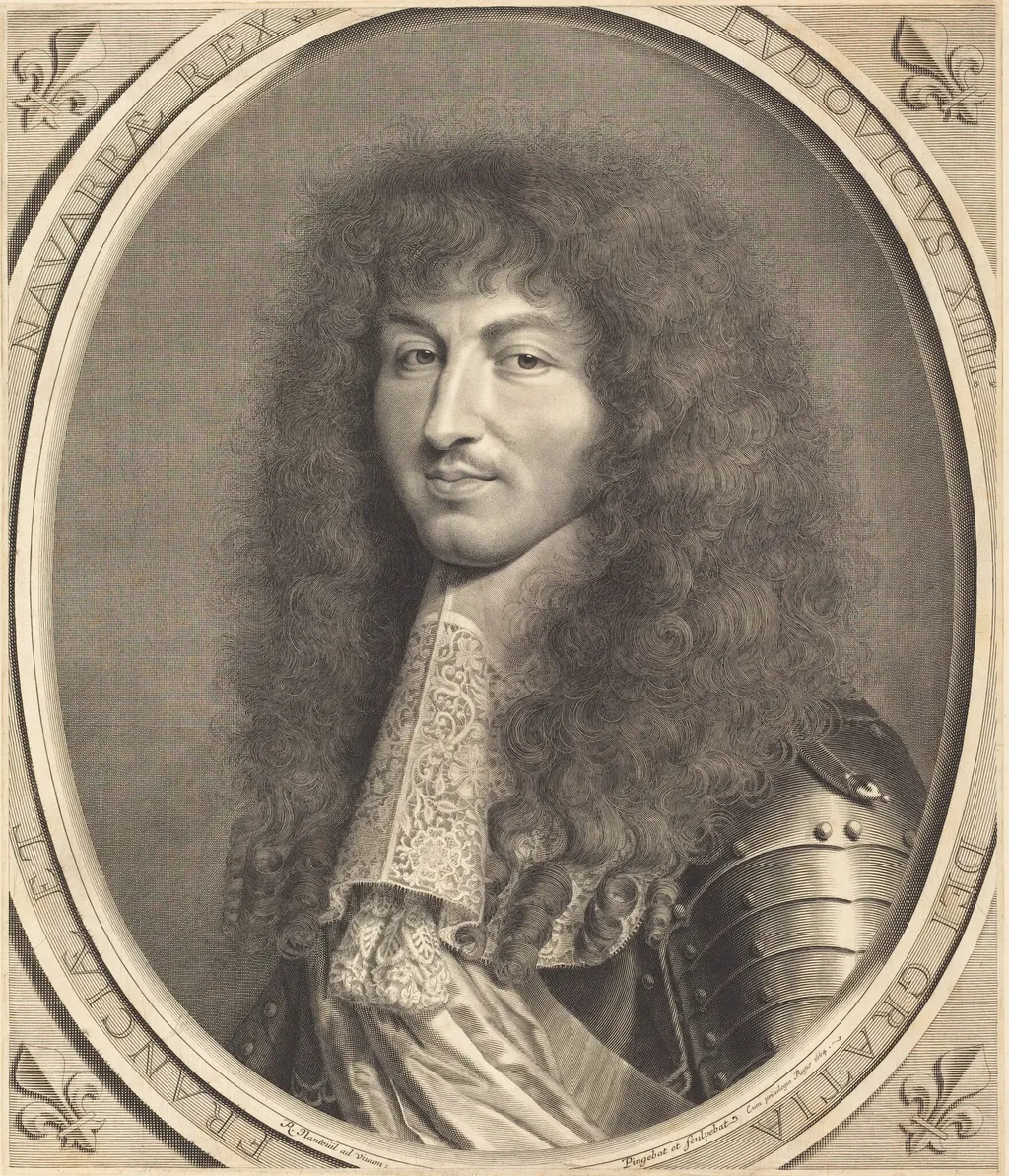
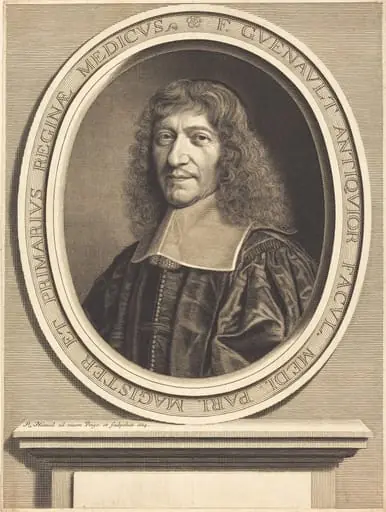
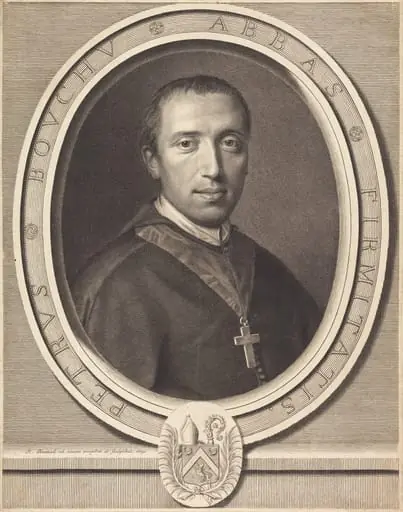
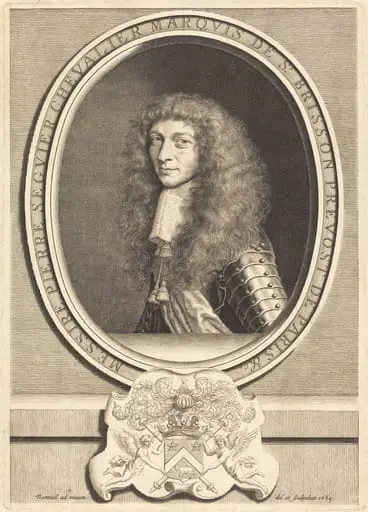
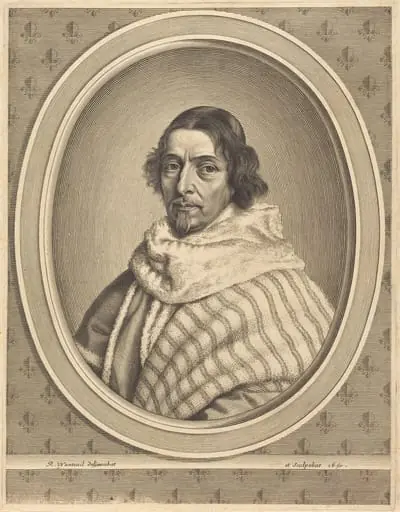
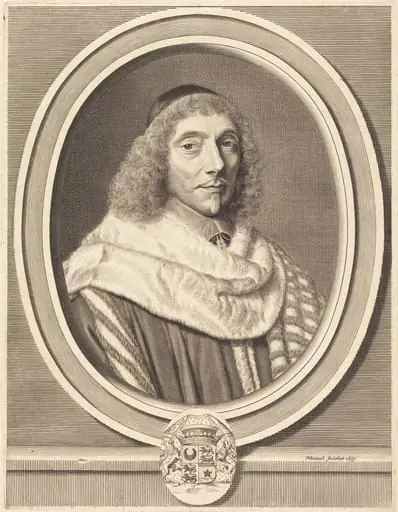
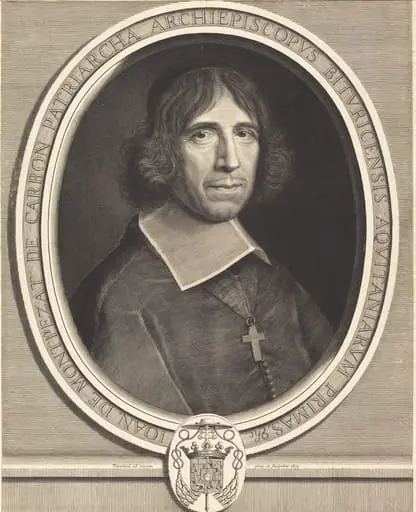
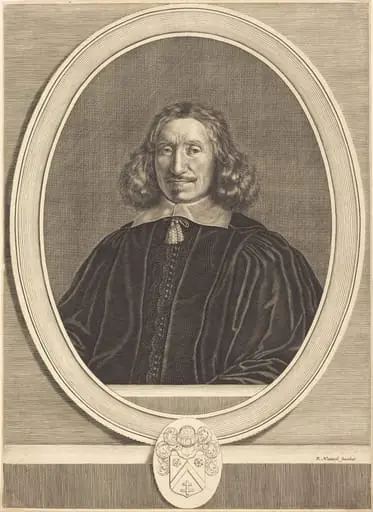
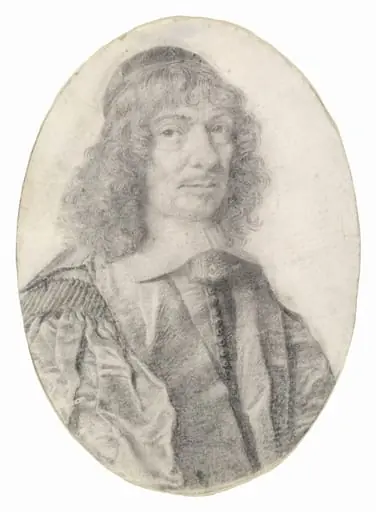
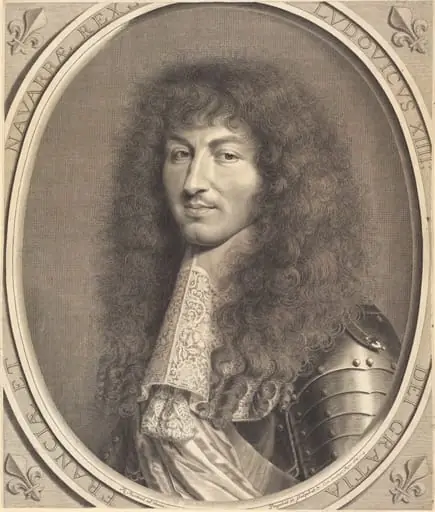
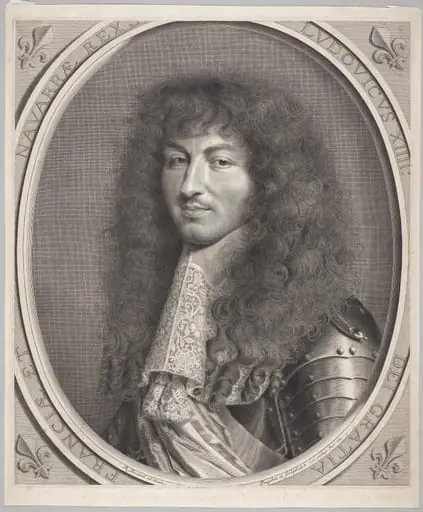
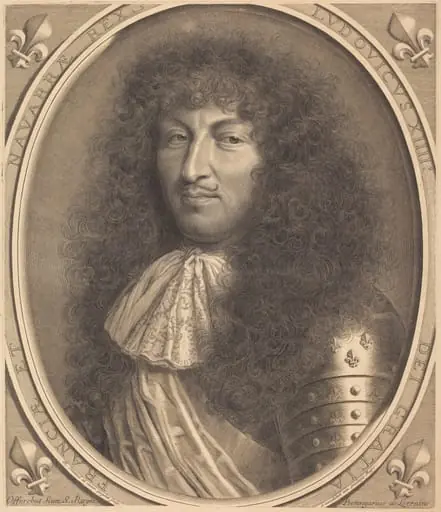
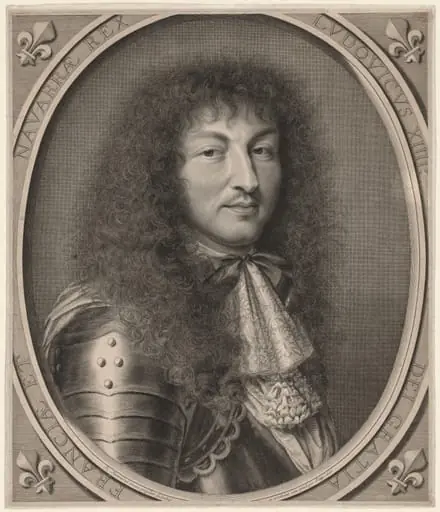
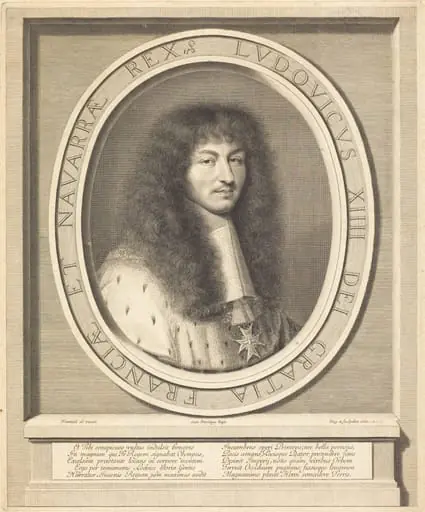
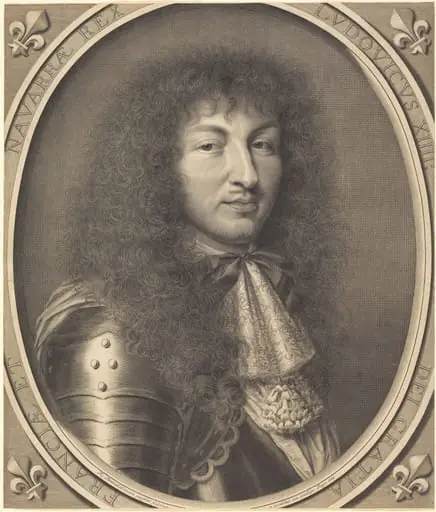
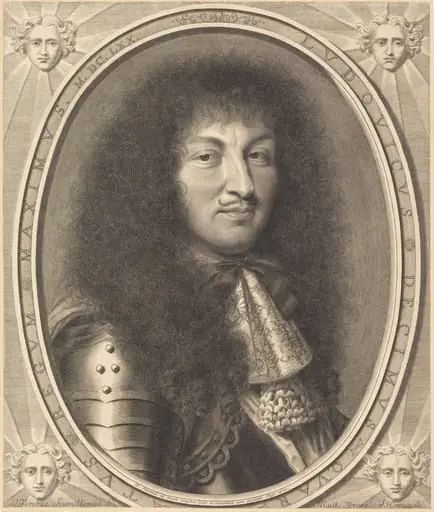
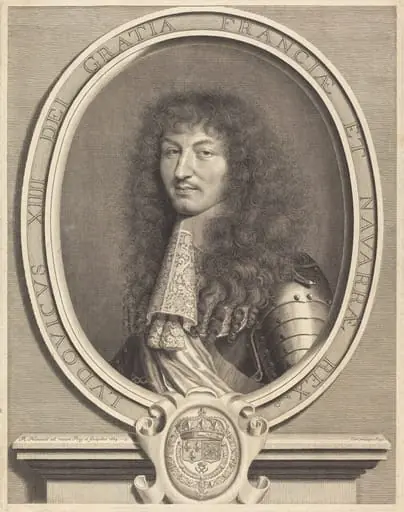
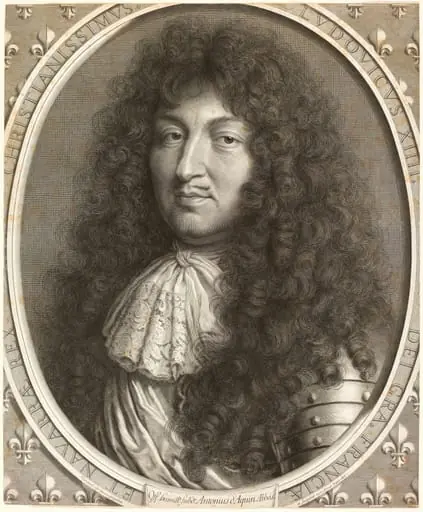
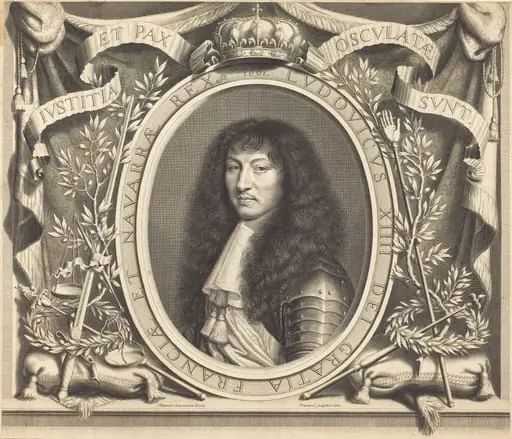
Louis XIV is an ink print by the Baroque artist Robert Nanteuil. It dates from 1664 and is held in the collection of the National Gallery of Art.
About this work
Overview
The work is a fine example of his mastery in printmaking, translating the monarch’s presence into a reproducible format for elite circulation.
This 1664 engraving by Robert Nanteuil presents a formal portrait of Louis XIV, created during the king’s consolidation of absolute power. As the royal court’s designated portraitist, Nanteuil produced images that served both personal and political purposes. The work is a fine example of his mastery in printmaking, translating the monarch’s presence into a reproducible format for elite circulation.
Subject & Meaning
Louis XIV is depicted in full regalia, wearing an elaborate lace-trimmed coat and a powdered wig, symbols of aristocratic authority and refined taste. His direct gaze and composed posture convey control and dignity, aligning with the image of the Sun King as the center of French political life. The portrait functions not merely as likeness but as a statement of sovereign presence and institutional permanence.
Technique & Style
Nanteuil employed fine-line engraving to render minute details in fabric, lace, and facial features with exceptional precision. The tonal gradations achieved through controlled incisions create a lifelike texture, while the composition remains tightly framed to emphasize the subject’s stature. His technique prioritized clarity and realism, distinguishing his court portraits from more stylized contemporaries.
History & Provenance
Commissioned by the French court, this engraving was part of a series intended to disseminate the king’s image across Europe. Copies were gifted to foreign dignitaries and collected by nobility, reinforcing Louis XIV’s authority beyond the palace walls. The print’s survival in multiple institutional collections attests to its early and sustained cultural significance.
Context
In mid-17th century France, portraiture was a tool of statecraft. With the rise of absolutism, visual representation became essential to projecting royal power. Nanteuil’s engravings, widely circulated, helped standardize the king’s public image at a time when photography did not exist, making him a key figure in the visual propaganda of the monarchy.
Legacy
Nanteuil’s engravings set a new standard for royal portraiture in print, influencing generations of French and European artists. His ability to capture likeness with technical rigor established a model for official portraiture well into the 18th century. Though later styles evolved, his work remains a benchmark in the history of printmaking as a medium of political representation.
Artist & collection
Artist
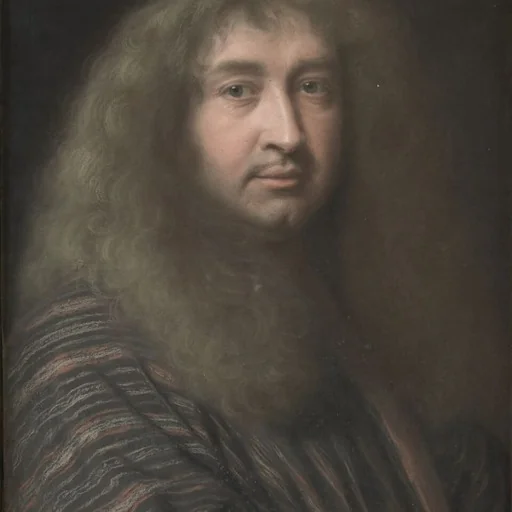
Robert Nanteuil (French pronunciation: ; 1623 – 9 December 1678) was a French portrait artist: engraver, draughtsman and pastellist to the court of Louis XIV.