Artwork
Louis XIV
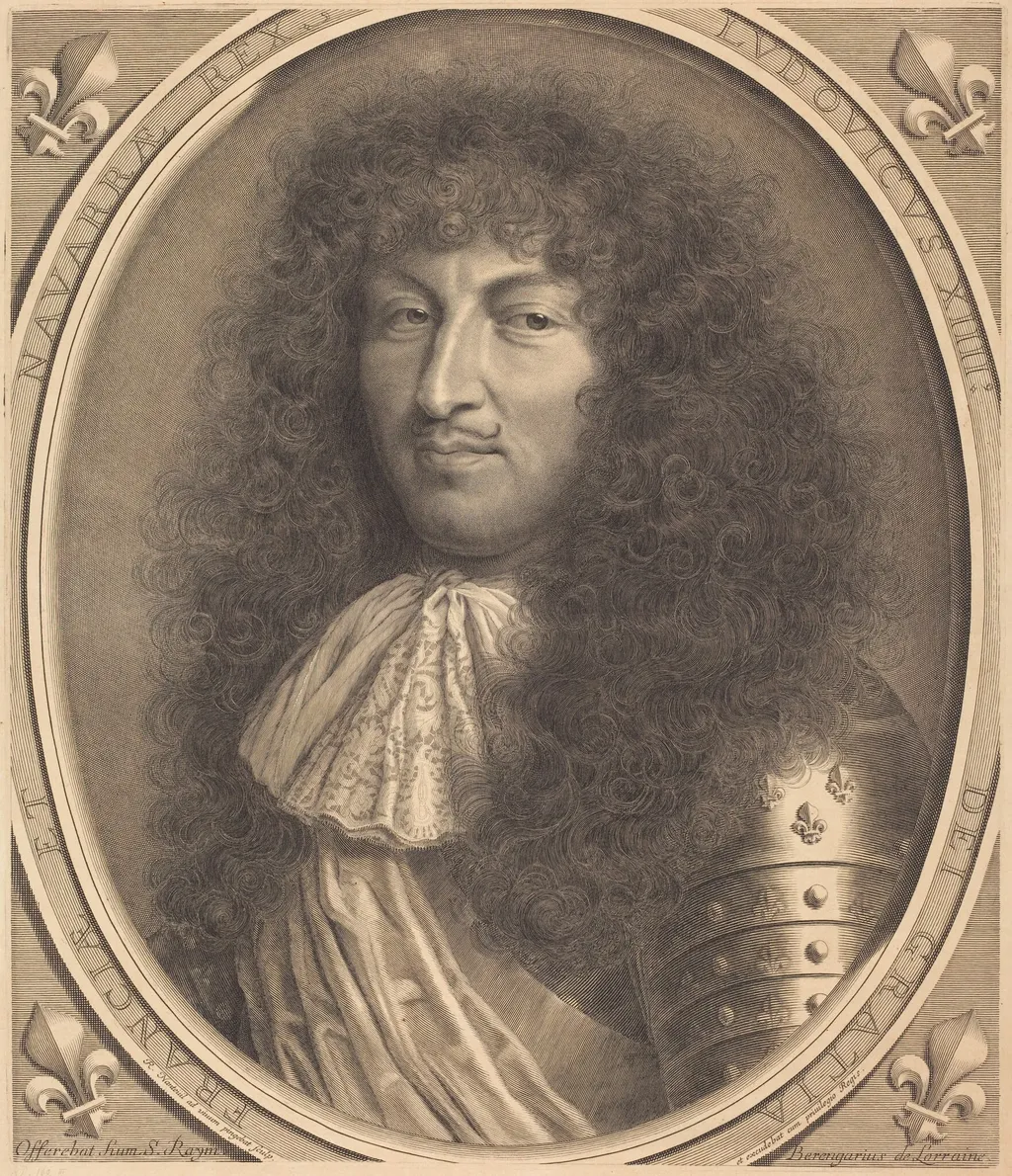
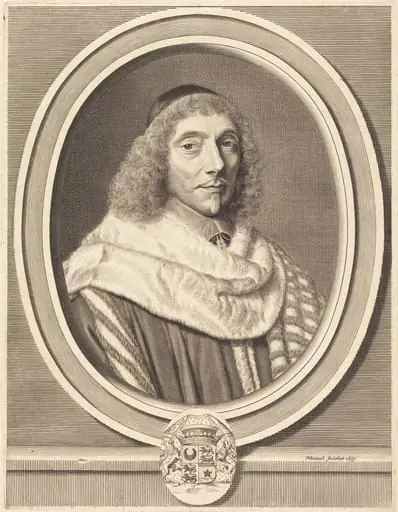
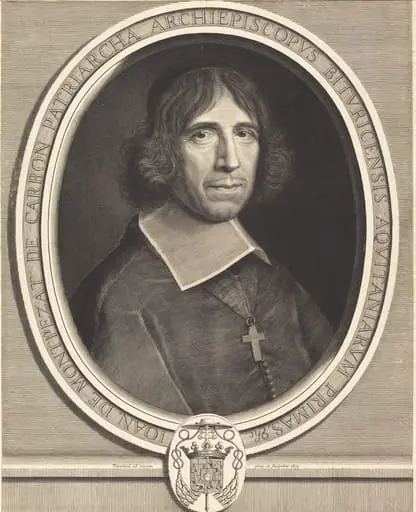
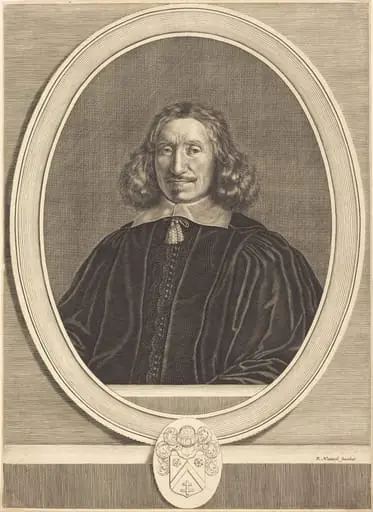
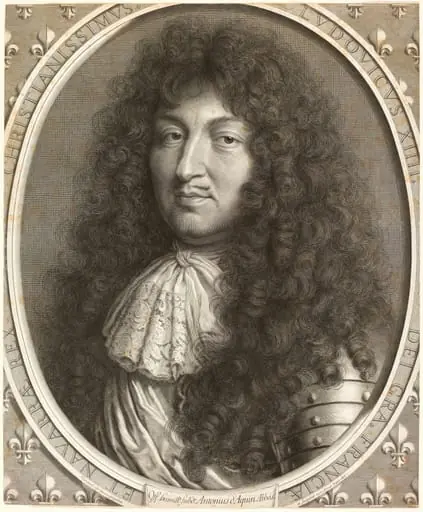
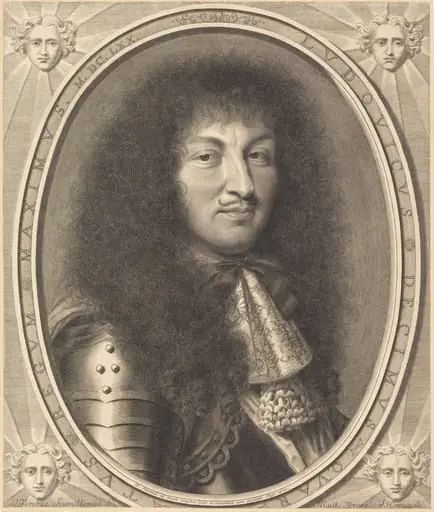
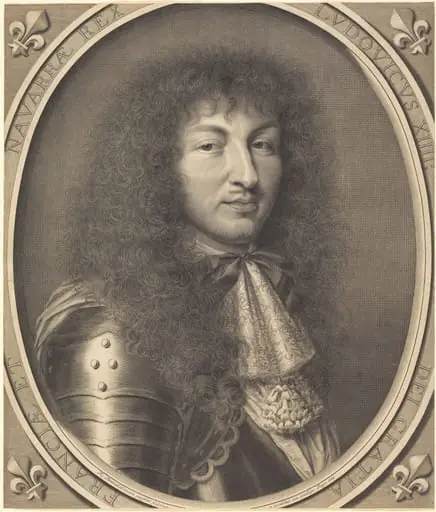
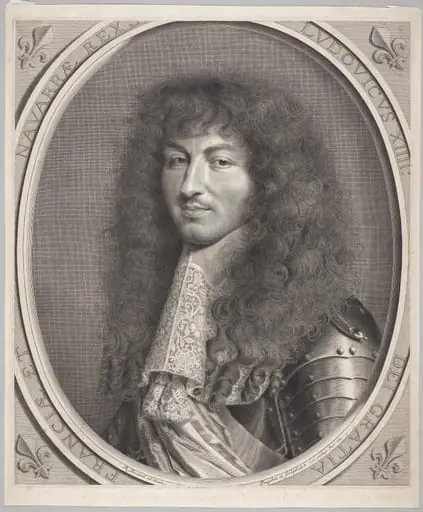
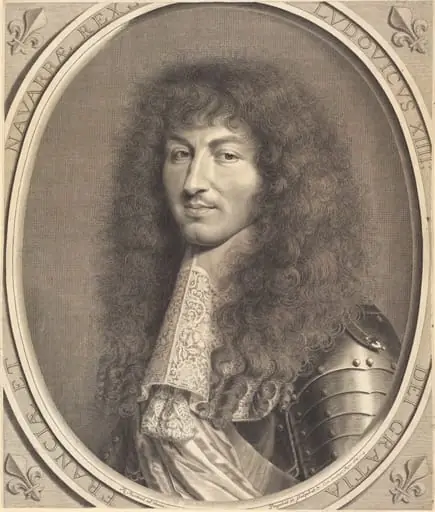
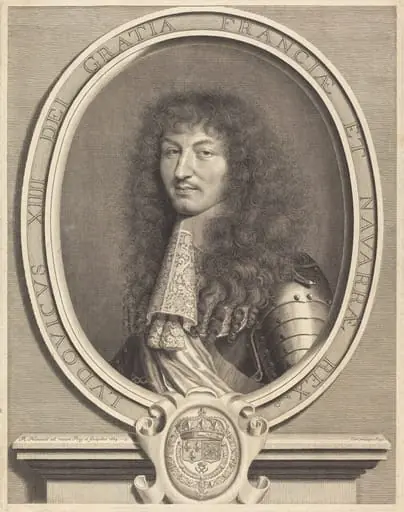
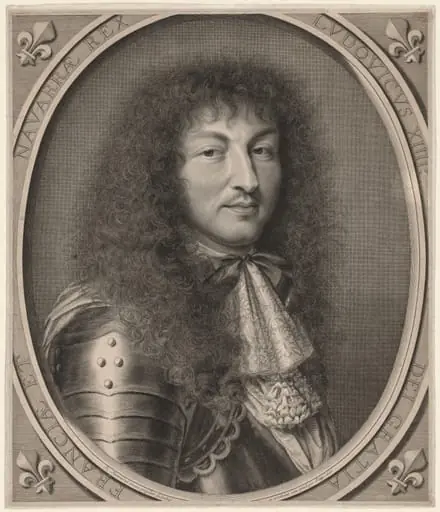
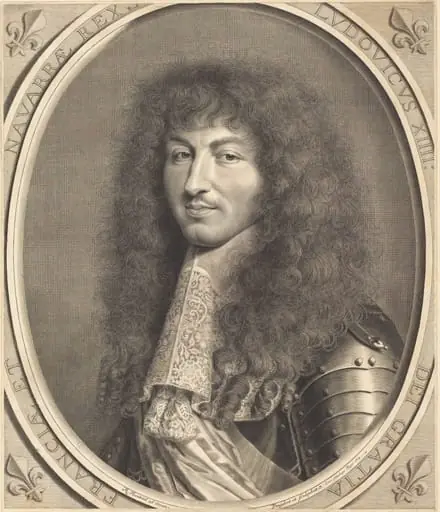
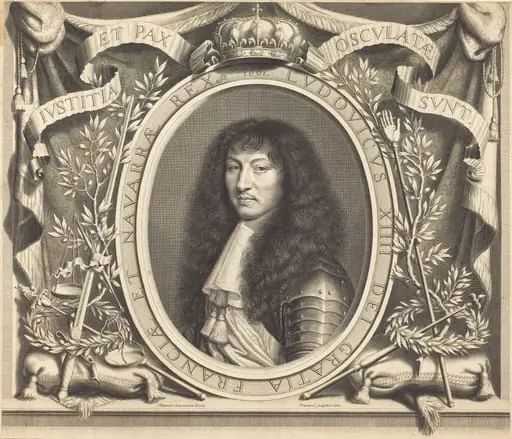
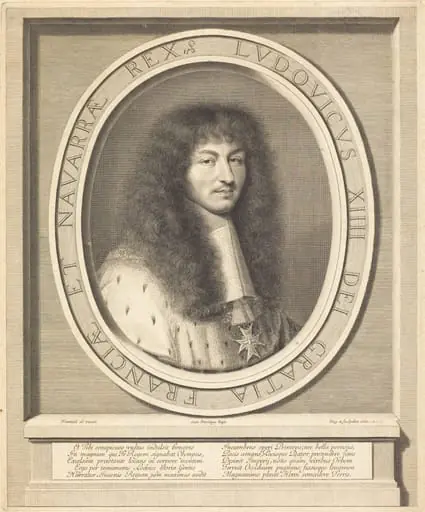
Louis XIV is an ink print by the Baroque artist Robert Nanteuil. It dates from 1669 and is held in the collection of the National Gallery of Art.
About this work
Overview
The 1669 engraving of Louis XIV was produced by Robert Nanteuil, a leading French portraitist employed by the royal court. Executed as a print, the image presents the monarch in a formal stance, emphasizing his regal bearing through precise line work.
Subject & Meaning
The portrait depicts Louis XIV in elaborate attire, his expression resolute, reflecting the king’s authority and the cultivated image of absolute monarchy that the court sought to project during his reign.
Technique & Style
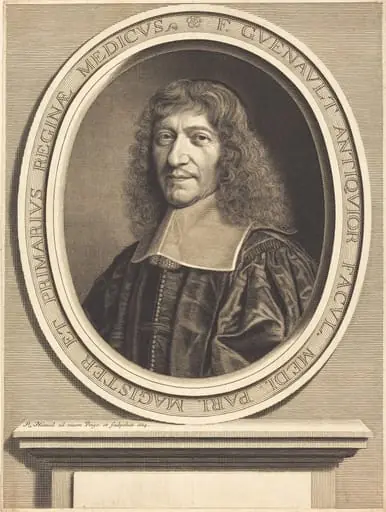
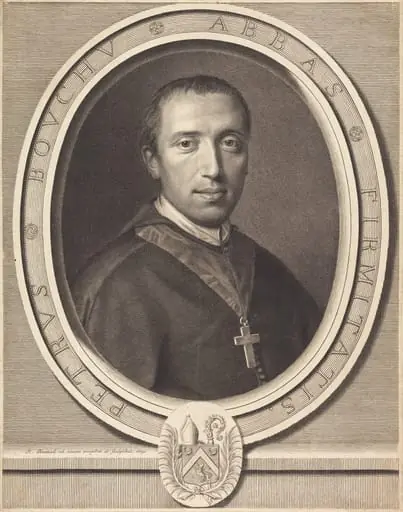
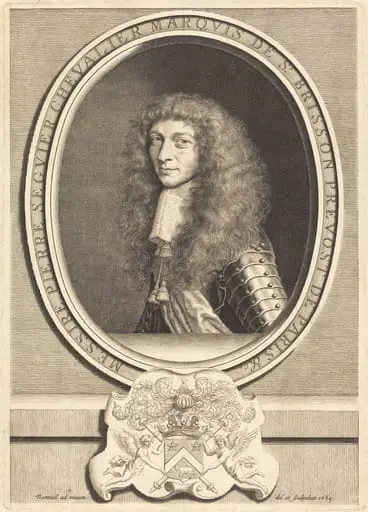
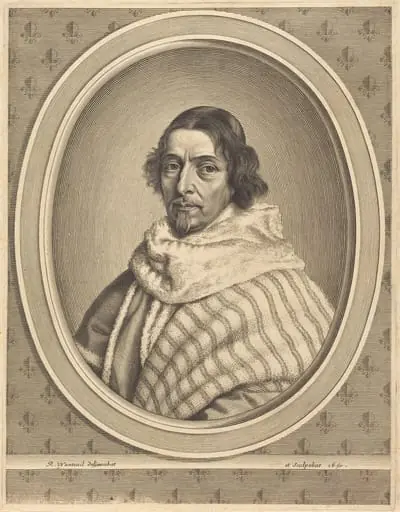
Nanteuil employed the engraving process, using fine incised lines to render texture and depth in the fabric and facial features. The meticulous cross‑hatching creates subtle tonal variations, a hallmark of his skillful draughtsmanship.
History & Provenance
Created while Nanteuil served as the official portraitist to the French monarchy, the print circulated as a means of disseminating the king’s likeness. It exemplifies the use of print media to reinforce royal propaganda in the late seventeenth century.
Context
The work belongs to a period when portrait engravings were a primary vehicle for visual communication across Europe. Nanteuil’s prints contributed to the visual culture of Louis XIV’s court, aligning with the broader Baroque emphasis on grandeur and order.
Artist & collection
Artist
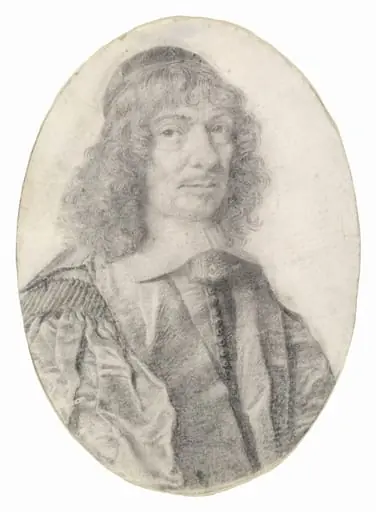
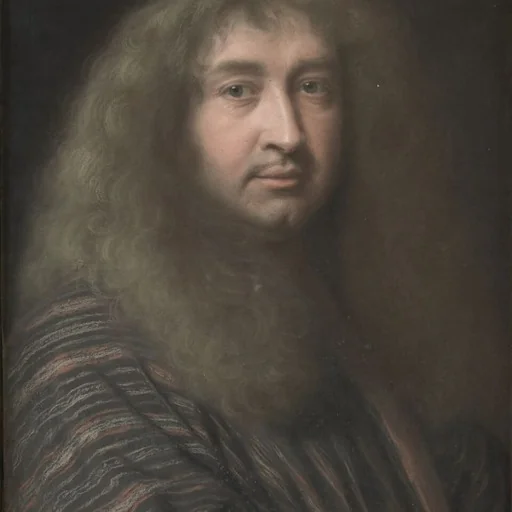
Robert Nanteuil (French pronunciation: ; 1623 – 9 December 1678) was a French portrait artist: engraver, draughtsman and pastellist to the court of Louis XIV.