Artwork
Louis XIV
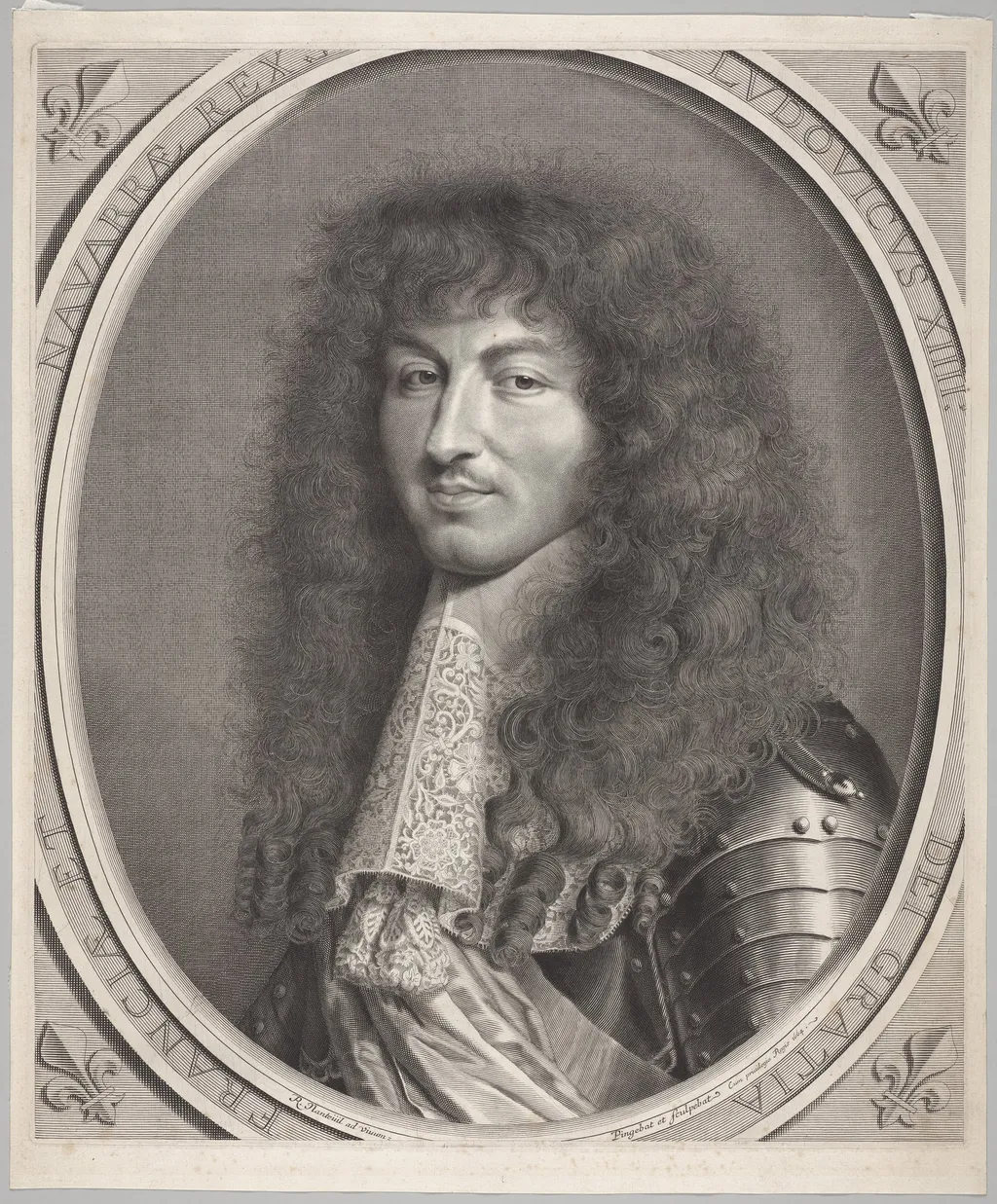
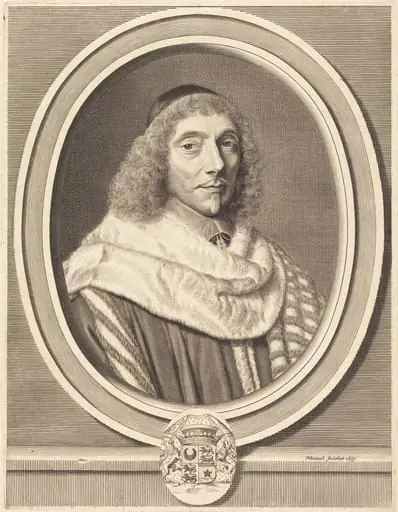
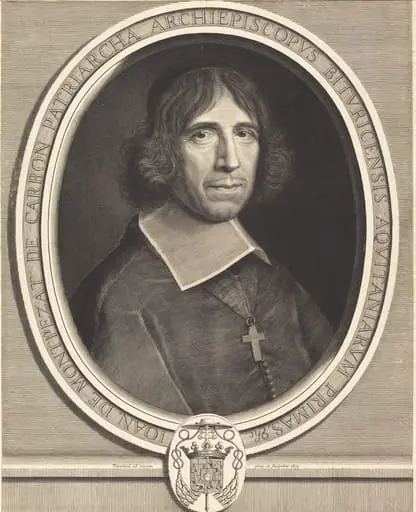
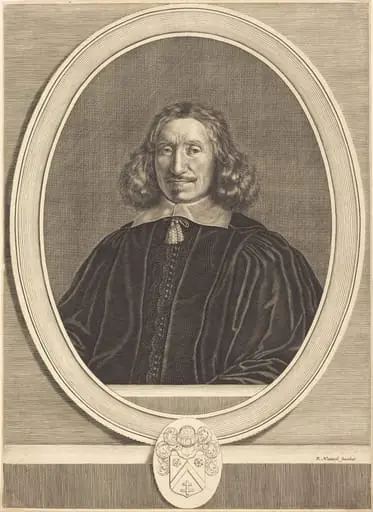
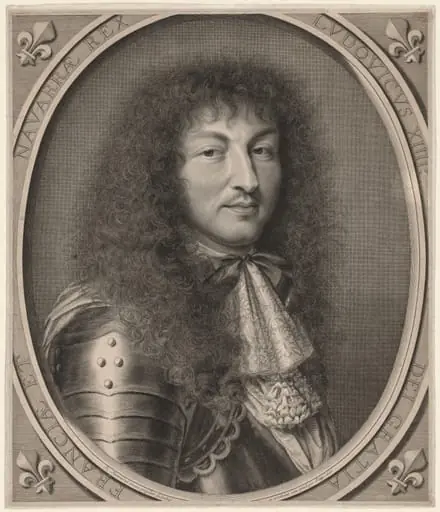
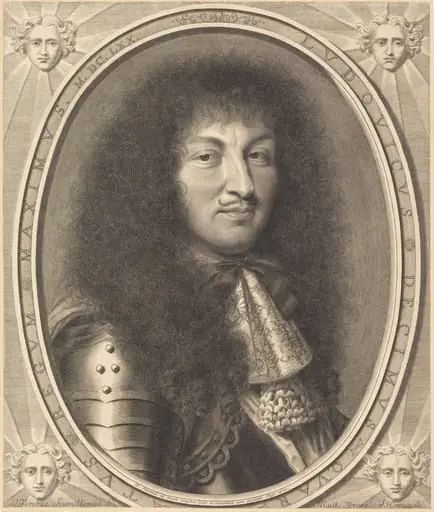
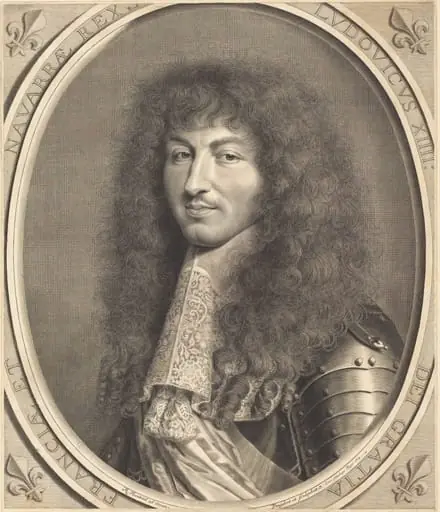
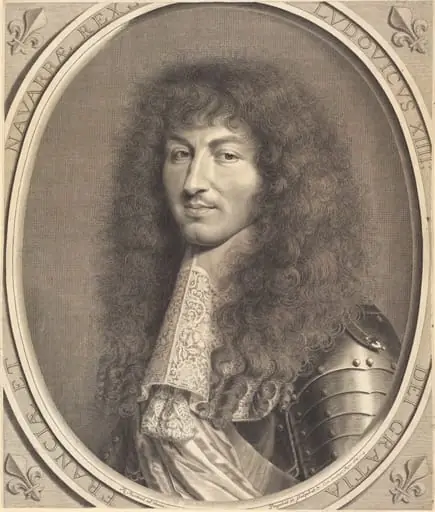
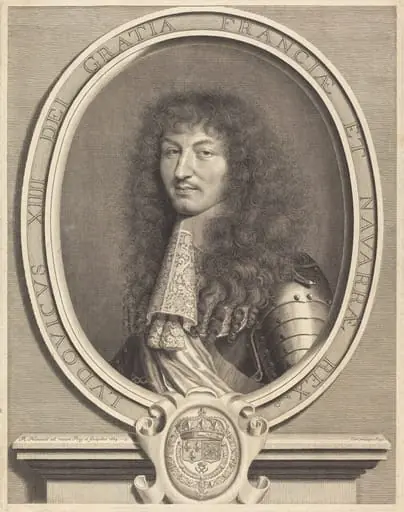
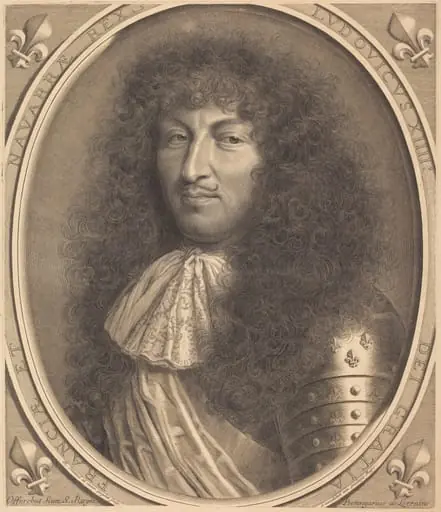
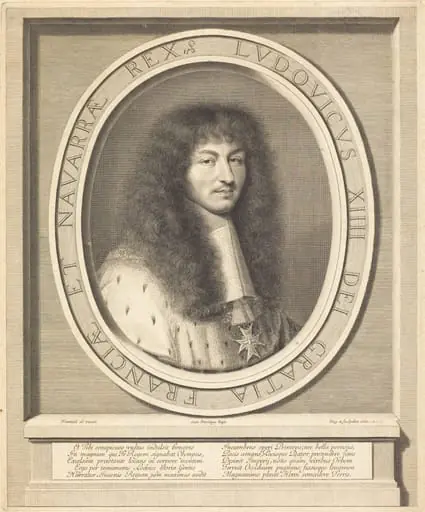
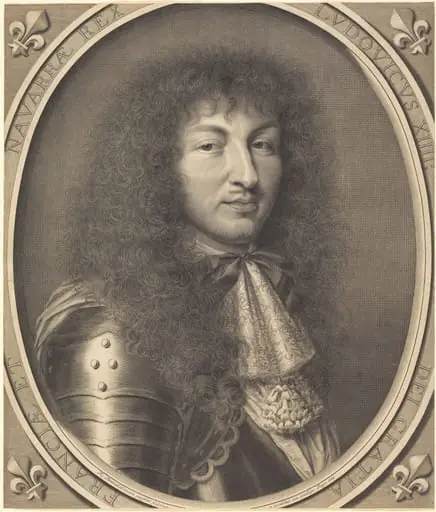
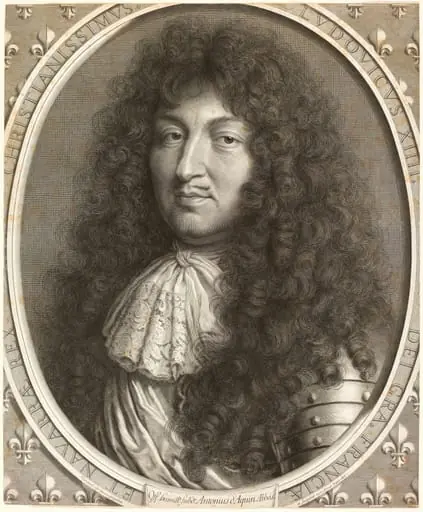
Louis XIV is a print by the Baroque artist Robert Nanteuil. It dates from 1664 and is held in the collection of the Cleveland Museum of Art.
About this work
Overview
Nanteuil, appointed as the king’s official portraitist, produced this work as part of a broader effort to visually consolidate royal authority.
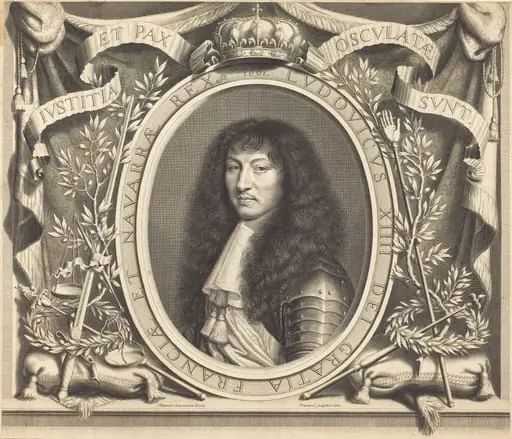
Created in 1664 by Robert Nanteuil, this engraving presents Louis XIV of France in a formal, authoritative pose. Nanteuil, appointed as the king’s official portraitist, produced this work as part of a broader effort to visually consolidate royal authority. The image reflects the precision and restraint characteristic of French court portraiture during the mid-seventeenth century, emphasizing dignity over theatricality.
Subject & Meaning
The portrait captures Louis XIV in full regalia, his posture rigid and gaze direct, conveying an image of unyielding sovereignty. Every element—from the embroidered robe to the ornate accessories—functions as a symbol of monarchical power. The absence of movement or emotion reinforces the idea of the king as an institution, not merely a person, aligning with the absolutist ideals of his reign.
Technique & Style
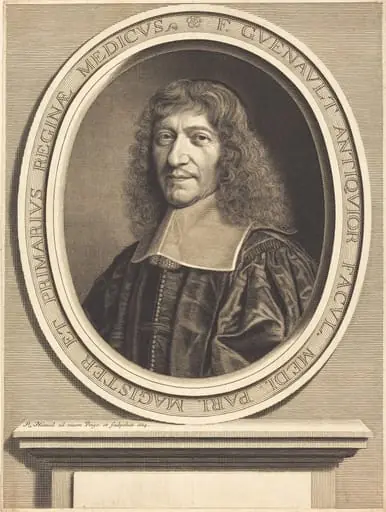
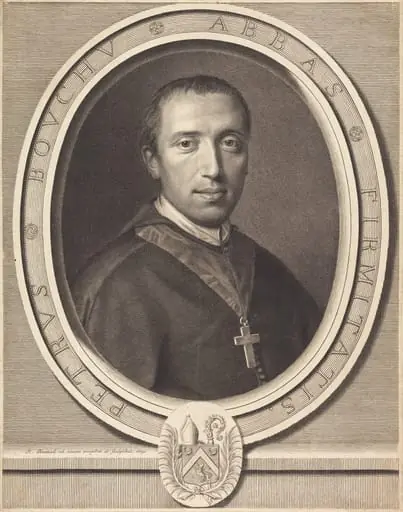
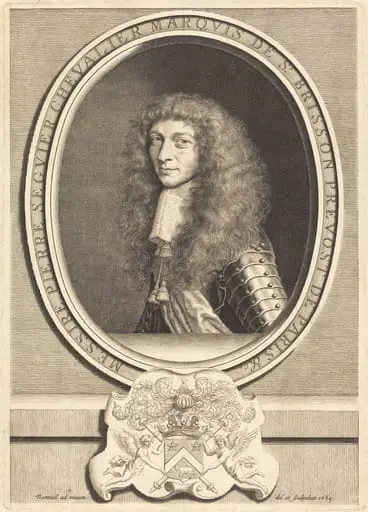
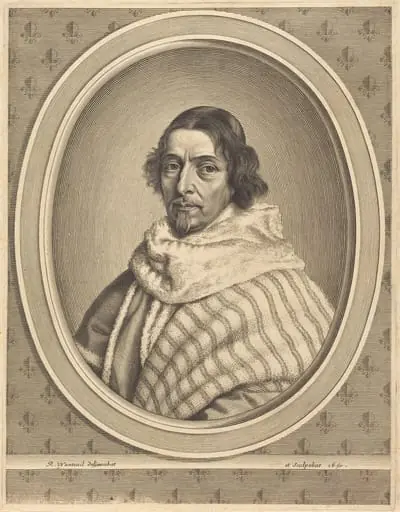
Nanteuil employed fine-line engraving to render intricate textures: lace, velvet, and metalwork are rendered with meticulous detail. His use of subtle tonal gradations and controlled cross-hatching achieves a lifelike solidity without overt drama. The composition is centered and symmetrical, adhering to classical ideals of order, mirroring the structured hierarchy of the French court.
History & Provenance
Commissioned by the royal court, this engraving was circulated among nobility and foreign dignitaries to project the image of a powerful, centralized monarchy. Nanteuil’s workshop produced multiple impressions, ensuring wide dissemination. The print’s survival in major collections, including The Cleveland Museum of Art, attests to its role as a key instrument of royal propaganda in early modern Europe.
Context
In the 1660s, Louis XIV was consolidating power after the Fronde rebellions, using art and ceremony to reinforce his divine right to rule. Nanteuil’s portraits were part of a state-sponsored visual program that included architecture, tapestries, and medals. This engraving belongs to a broader effort to standardize the king’s image across the realm and beyond its borders.
Legacy
Nanteuil’s engravings of Louis XIV set a standard for royal portraiture in Europe, influencing generations of printmakers. His restrained, detailed style became synonymous with French courtly authority. Though later monarchs adopted more flamboyant styles, Nanteuil’s work remained a reference point for the visual language of power in the early modern period.
Artist & collection
Artist
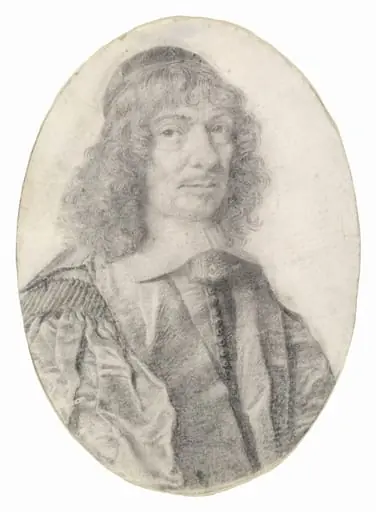
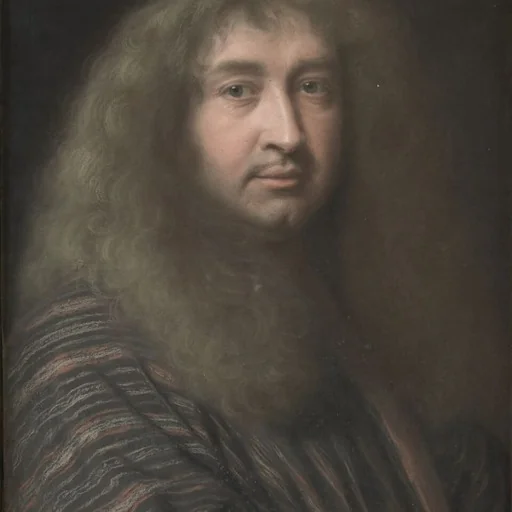
Robert Nanteuil (French pronunciation: ; 1623 – 9 December 1678) was a French portrait artist: engraver, draughtsman and pastellist to the court of Louis XIV.