Artwork
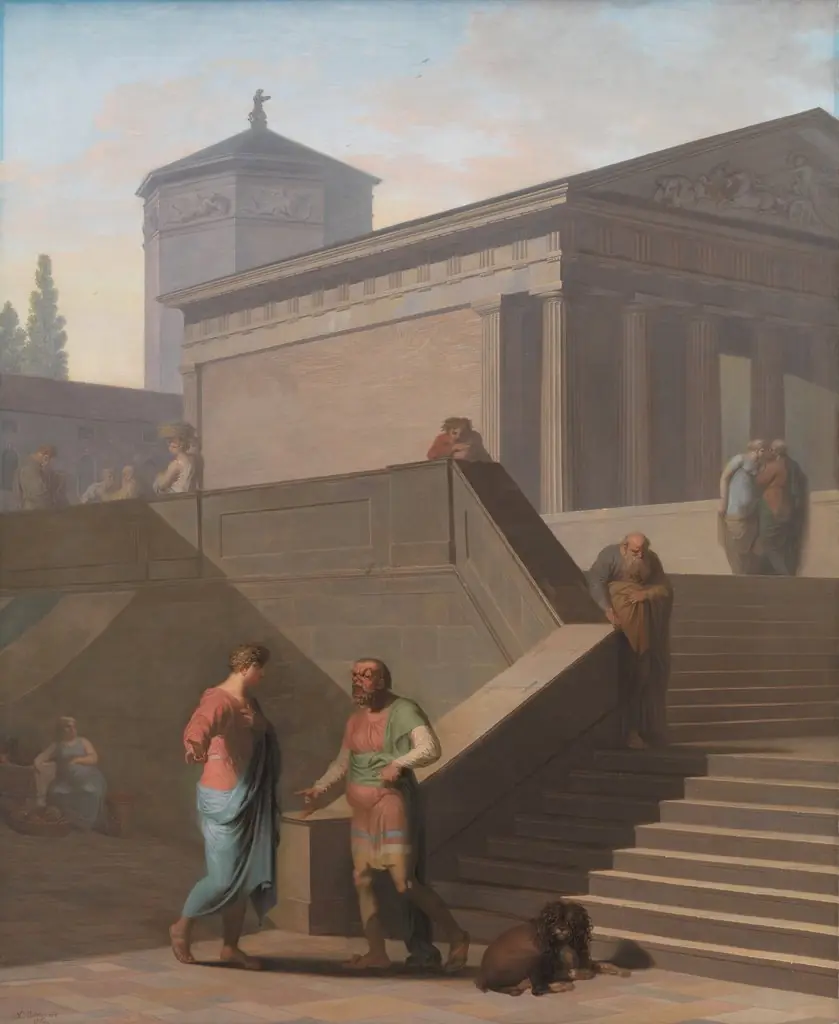
Pamphilius and his sevant Davus. From Terence´s Andria
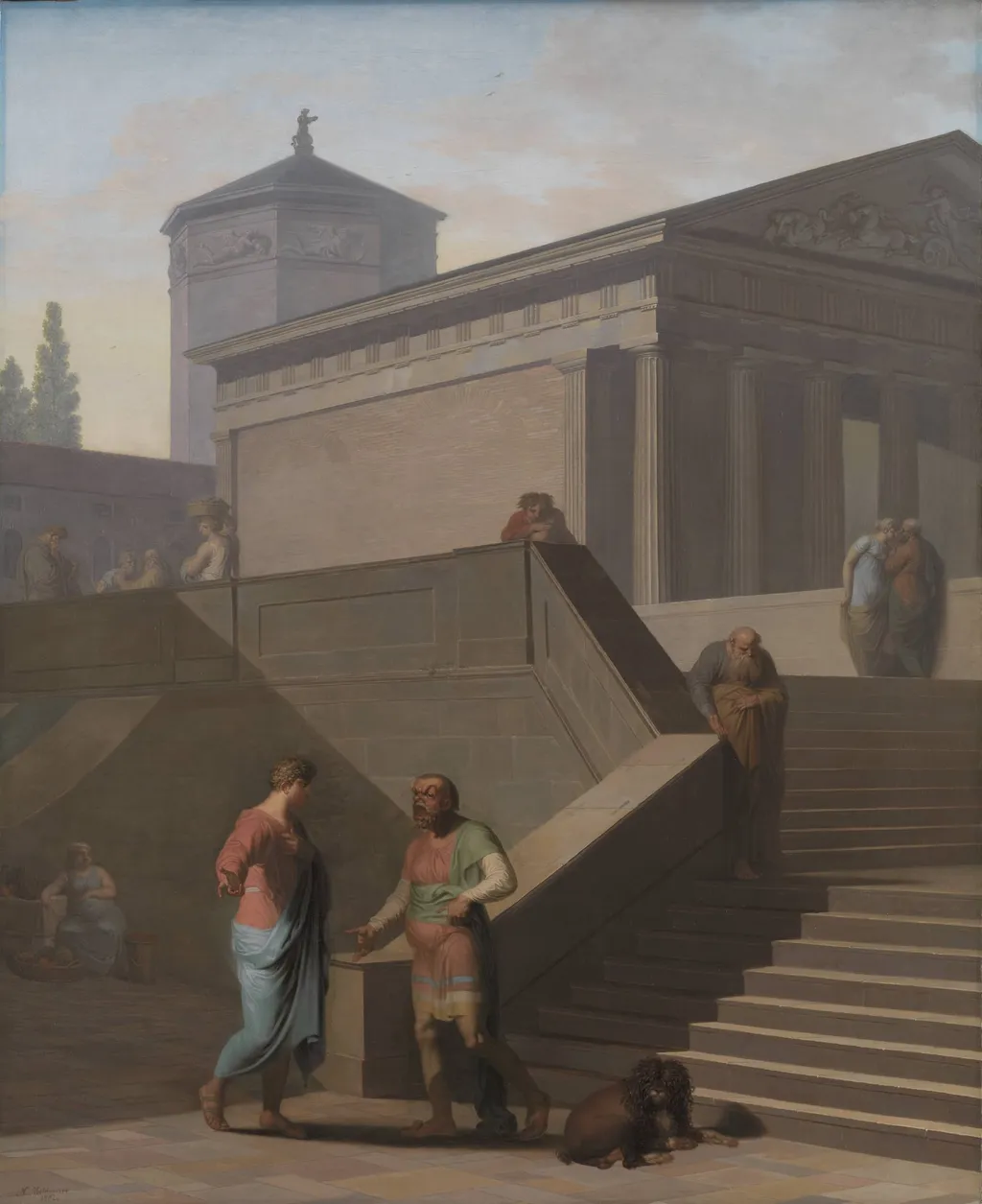
Pamphilius and his sevant Davus. From Terence´s Andria is a photography by the Romanticist artist Unknown. It dates from 1802 and is held in the collection of the Statens Museum for Kunst. Painted in 1802, this image illustrates a scene from Terence’s ancient Roman comedy Andria.
About this work
Overview
Painted in 1802, this image illustrates a scene from Terence’s ancient Roman comedy Andria. It depicts Pamphilius, a young nobleman, in conversation with a woman beside a grand stone staircase. His servant Davus holds a scroll, while a small dog rests nearby. The setting suggests a public space near a temple, with figures arranged in quiet, contemplative poses under a pale sky.
Subject & Meaning
Pamphilius’s demeanor and the woman’s attentive posture imply an unspoken negotiation, while Davus’s scroll hints at documents that may influence the outcome.
The scene captures a moment of private tension within a public setting, reflecting themes from Terence’s play: social obligation, hidden relationships, and the tension between duty and desire. Pamphilius’s demeanor and the woman’s attentive posture imply an unspoken negotiation, while Davus’s scroll hints at documents that may influence the outcome. The composition avoids overt drama, favoring restraint and psychological nuance.
Technique & Style
The painting employs soft, muted tones and careful attention to textile textures—green tunic, blue dress—to ground the figures in realism. Architectural elements are rendered with classical precision, suggesting familiarity with Roman ruins. Light falls evenly across the scene, minimizing shadows and enhancing the stillness. Figures are arranged to guide the eye along the staircase, reinforcing spatial depth without theatricality.
History & Provenance
Created in 1802, the work entered the collection of the Museum of Ethnography, where it remains. Its origin as a literary illustration reflects early 19th-century interest in classical texts as sources for visual narrative. No record of prior ownership or exhibition exists beyond its current institutional home, suggesting it was likely commissioned or produced for private or academic circulation.
Context
This image emerged during a period when European artists revisited classical antiquity through literature and archaeology. Romanticism’s emphasis on emotion and everyday human moments aligned with Terence’s subtle character dynamics. While not part of a major artistic movement, the work reflects broader scholarly and aesthetic trends that sought to humanize ancient drama through intimate, lifelike scenes.
Legacy
Though not widely reproduced or studied, the painting contributes to a niche tradition of literary illustration that prioritized psychological realism over spectacle. It stands as a quiet example of how classical texts continued to inform visual culture in the early 1800s, offering a restrained alternative to the grand historical canvases of the era.
Artist & collection

 Domestic Scene
 Giacomo and Cardinal Marco, investing Andrea, Abbot of San Zeno, with his Benefice
 The Nymph of Fontainebleau
 Portrait of a Woman
 Madonna and Child with Saints in the Enclosed Garden
 Venus and Minerva
 Family Group of Four on Sofa
 Wall painting from Room H of the Villa of P. Fannius Synistor at Boscoreale
 Pamphilius and his sevant Davus. From Terence´s Andria
 The Slave Davus and the Maid Mysis. From Terence´s Andria.
 Simo and his former slave Sosia. From Terence´s Andria.
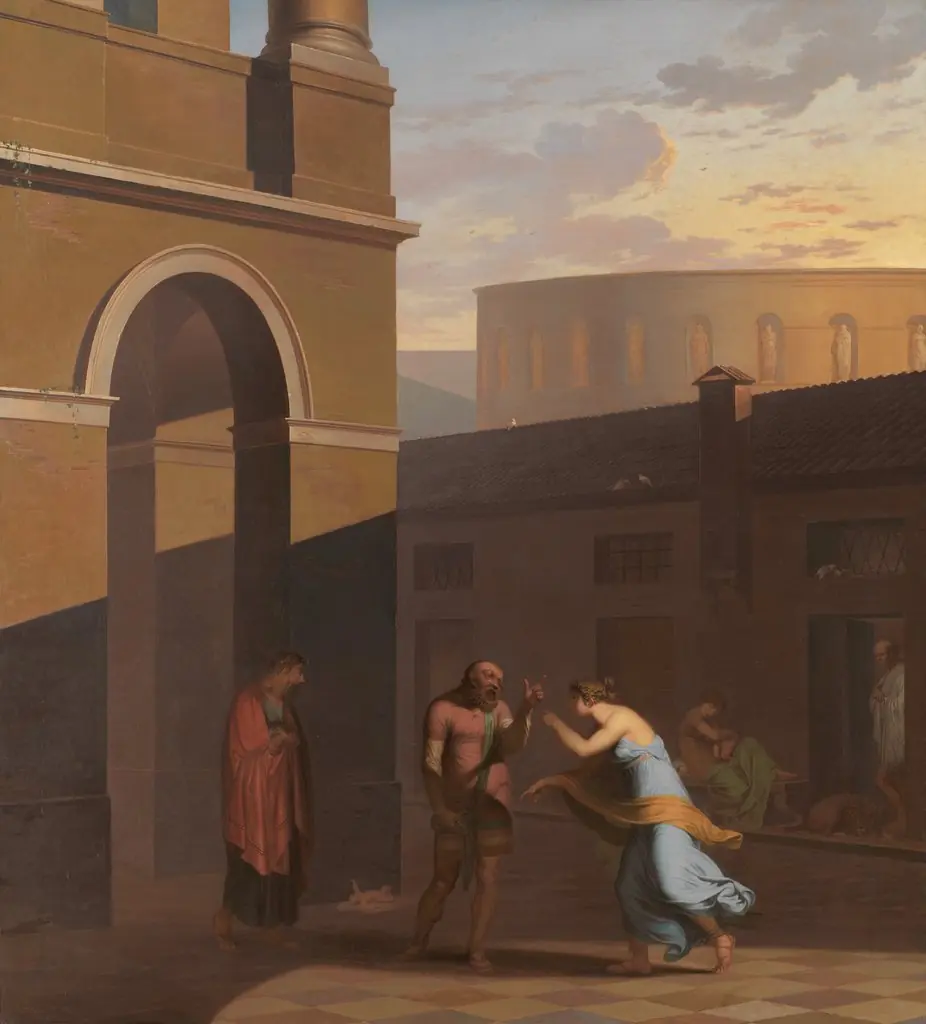
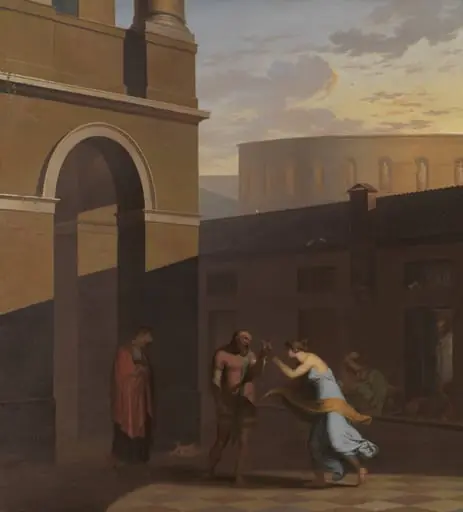 The Slave Davus and the Maid Mysis. From Terence´s Andria.
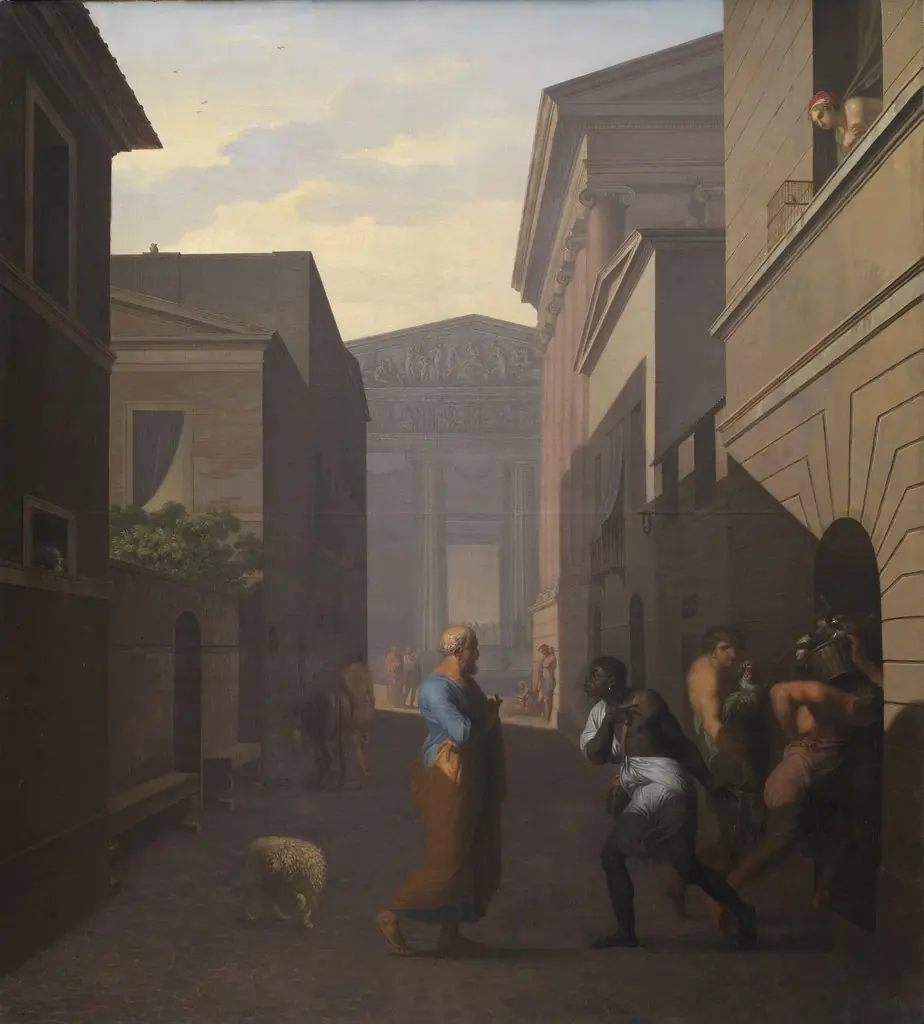
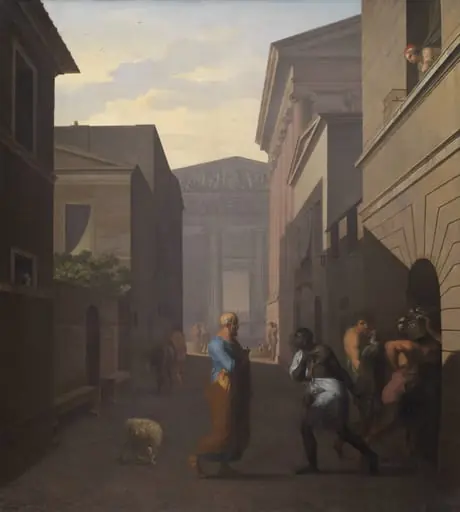 Simo and his former slave Sosia. From Terence´s Andria.
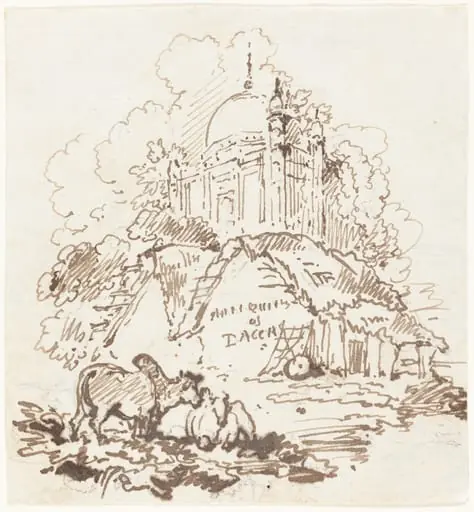 Antiquities of Dacca