Artwork
Rome as Ruler of the World
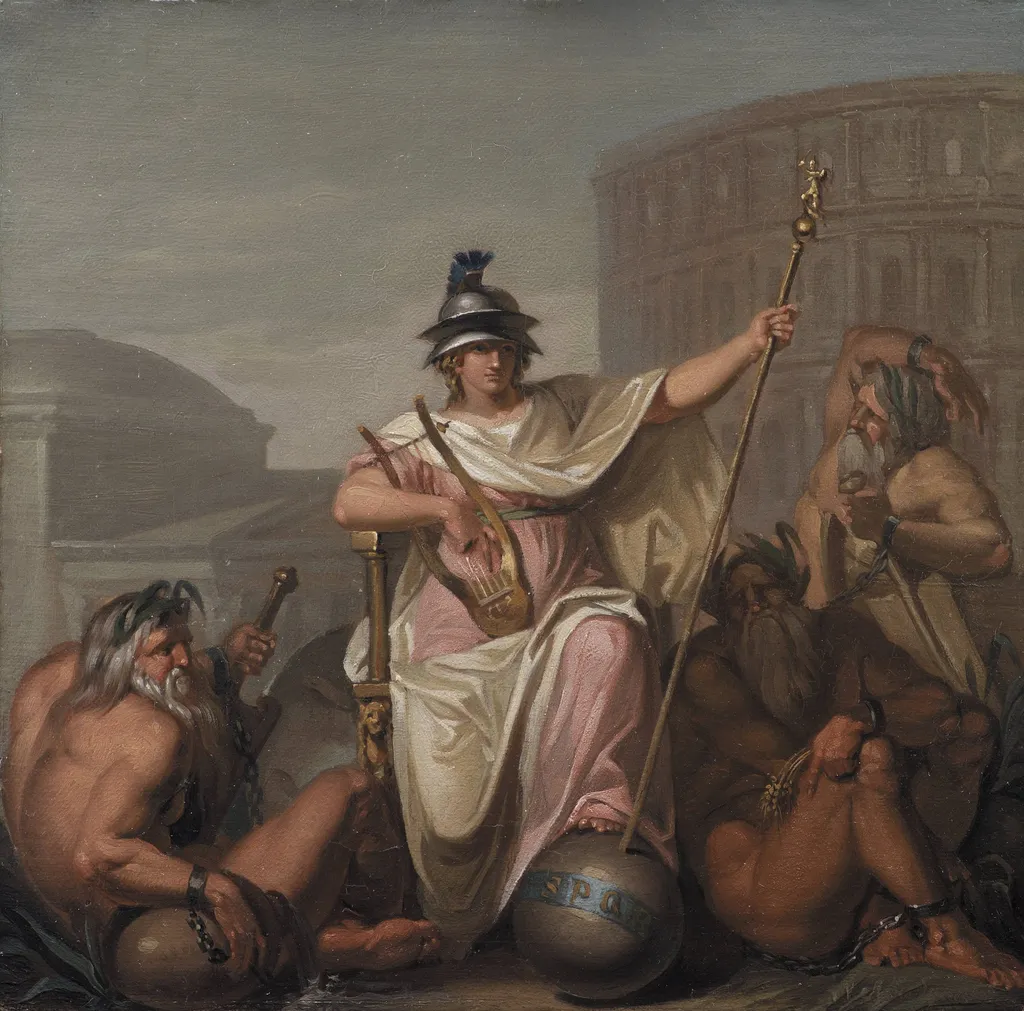
Rome as Ruler of the World is a photography by the Romanticist artist Unknown. It dates from 1784 and is held in the collection of the Statens Museum for Kunst. Painted in 1784 by 241_person, this allegorical work depicts a female figure embodying Rome’s imperial authority.
About this work
Overview
She is seated atop a globe, clad in classical armor and a feathered helmet, holding a spear crowned with a golden statuette.
Painted in 1784 by 241_person, this allegorical work depicts a female figure embodying Rome’s imperial authority. She is seated atop a globe, clad in classical armor and a feathered helmet, holding a spear crowned with a golden statuette. Three male figures, each representing distinct societal roles, gaze upward from below. The scene is rendered with dramatic lighting and a muted, atmospheric backdrop, emphasizing hierarchy and dominion.
Subject & Meaning
The central figure symbolizes Rome as a sovereign power, its identity fused with ancient iconography. The globe beneath her signifies global dominion, while the golden statuette on her spear may represent divine favor or imperial legitimacy. The three men—naked, scholarly, and artisanal—suggest the subordination of labor, knowledge, and craft under Roman rule, reinforcing a narrative of civilizational supremacy.
Technique & Style
The painting employs chiaroscuro to heighten the contrast between the illuminated figure and the shadowed surroundings, drawing focus to her authority. Drapery and armor are rendered with precise detail, evoking classical sculpture. The background’s hazy columns and overcast sky create depth without distraction, anchoring the allegory in a timeless, mythic space rather than a specific historical moment.
History & Provenance
Created in 1784, the painting entered the collection of the Museum of Ethnography, where it remains. Its placement in an ethnographic institution, rather than a fine arts museum, suggests its use as a cultural artifact reflecting 18th-century European views on empire and civilization. No records indicate prior ownership or exhibition prior to its acquisition by the museum.
Context
Painted during the Enlightenment, the work reflects contemporary fascination with classical antiquity as a model for governance and order. While European powers expanded colonial empires, such imagery reinforced ideological links between ancient Rome and modern imperial ambitions. The depiction of subordinate male figures aligns with period narratives that framed non-European societies as passive under Roman—or European—rule.
Legacy
The painting endures as a visual expression of 18th-century imperial ideology, studied for its symbolic language rather than artistic innovation. It contributes to scholarly discourse on how classical motifs were repurposed to legitimize contemporary power structures. Its presence in an ethnographic collection underscores its role as a cultural document, not merely an aesthetic object.
Artist & collection

 Domestic Scene
 Giacomo and Cardinal Marco, investing Andrea, Abbot of San Zeno, with his Benefice
 The Nymph of Fontainebleau
 Portrait of a Woman
 Madonna and Child with Saints in the Enclosed Garden
 Venus and Minerva
 Family Group of Four on Sofa
 Wall painting from Room H of the Villa of P. Fannius Synistor at Boscoreale
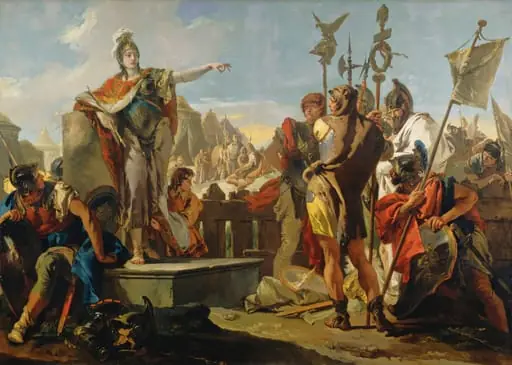 Queen Zenobia Addressing Her Soldiers
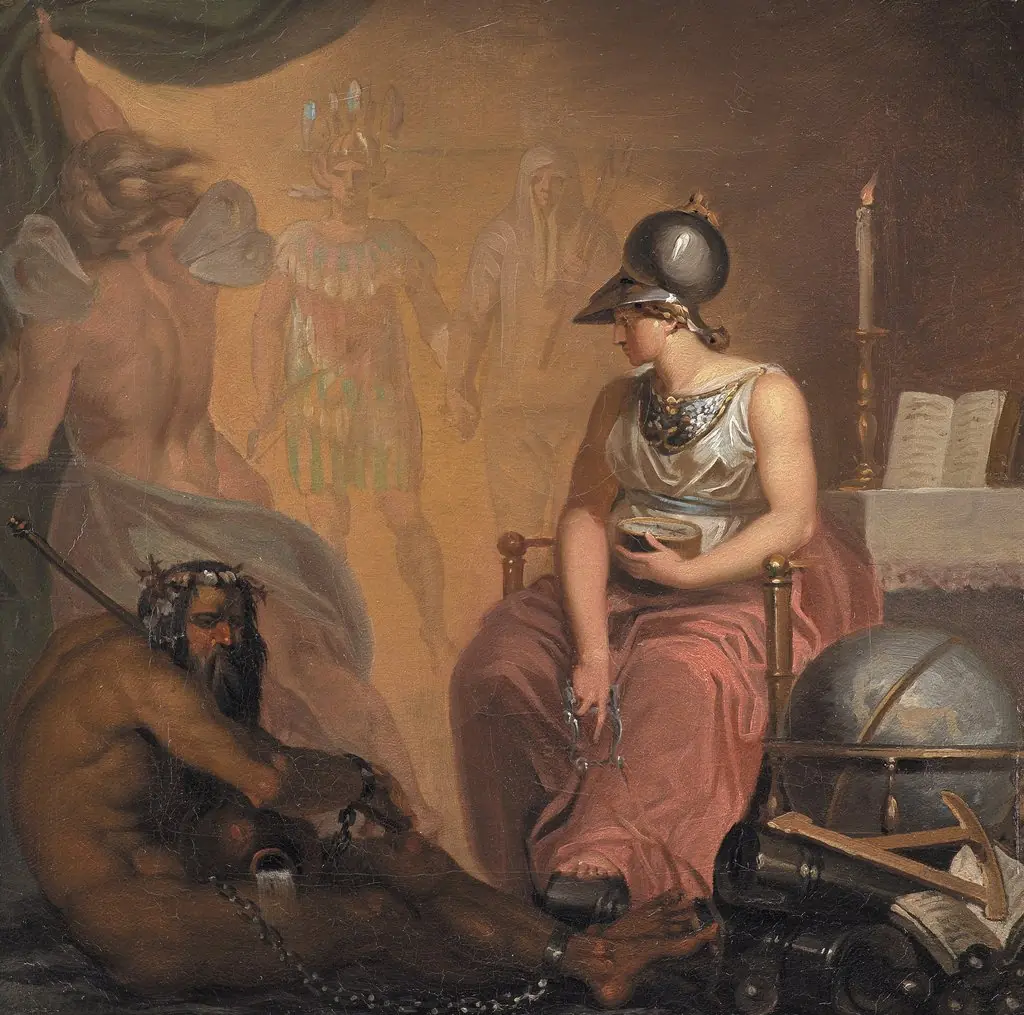 The Revival of Learning, the Invention of Printing and Gunpowder and the Discovery of America
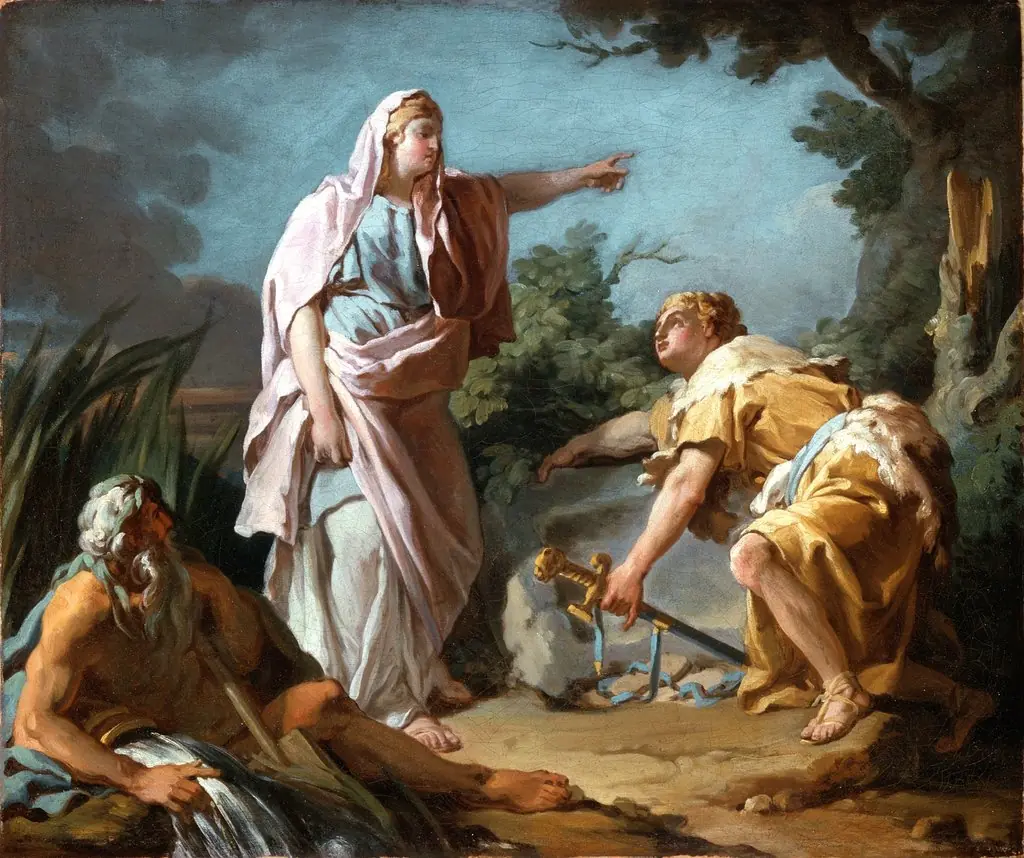 Aethra Showing her Son Theseus the Place Where his Father had Hidden his Arms
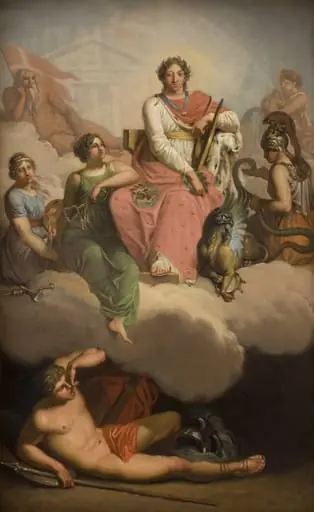 Frederik V as Patron of Science and the Arts
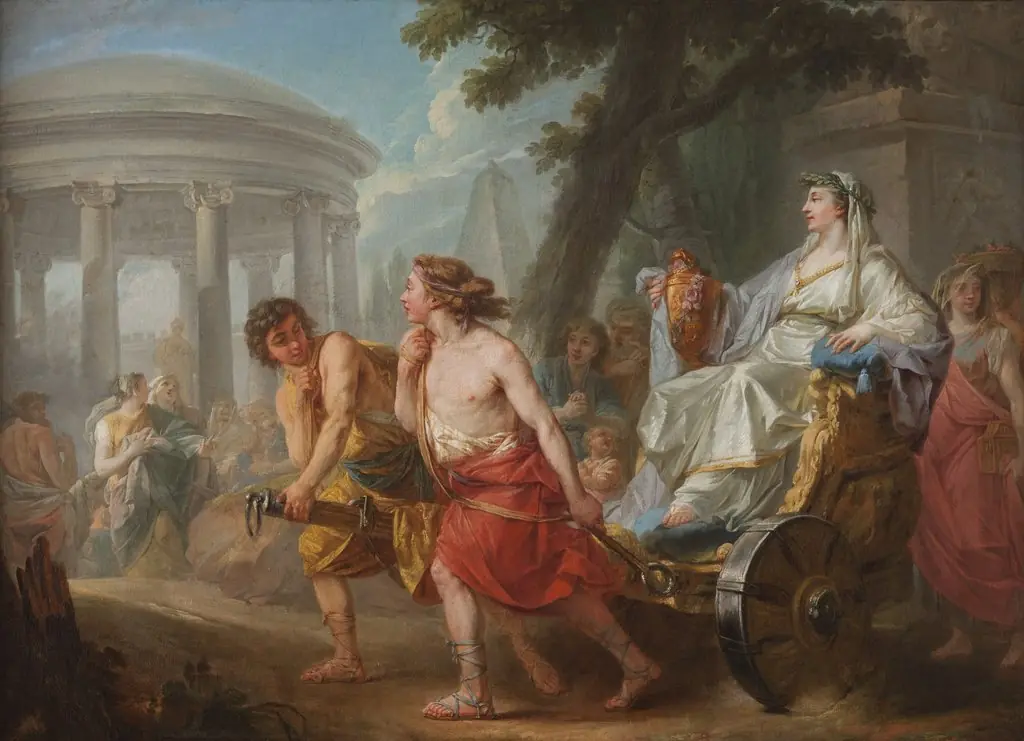 Cleobis and Biton with Cydippe in the Front of Hera Temple
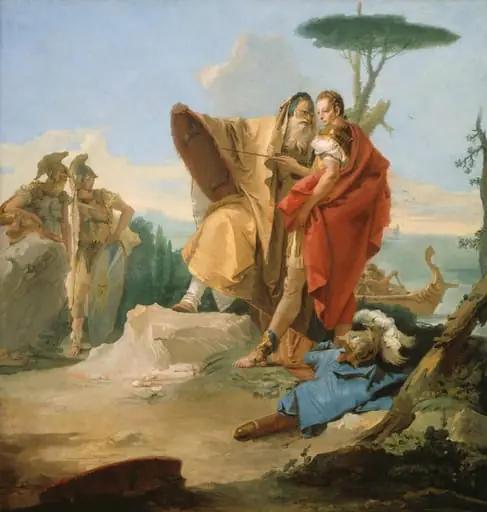 Rinaldo and the Magus of Ascalon
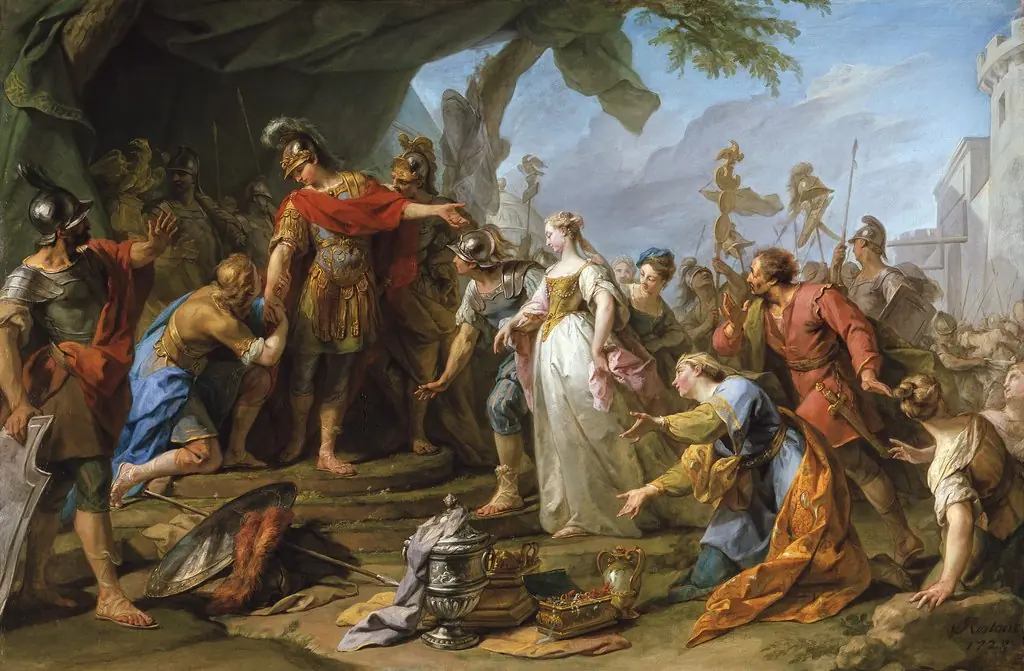 The Generosity of Scipio
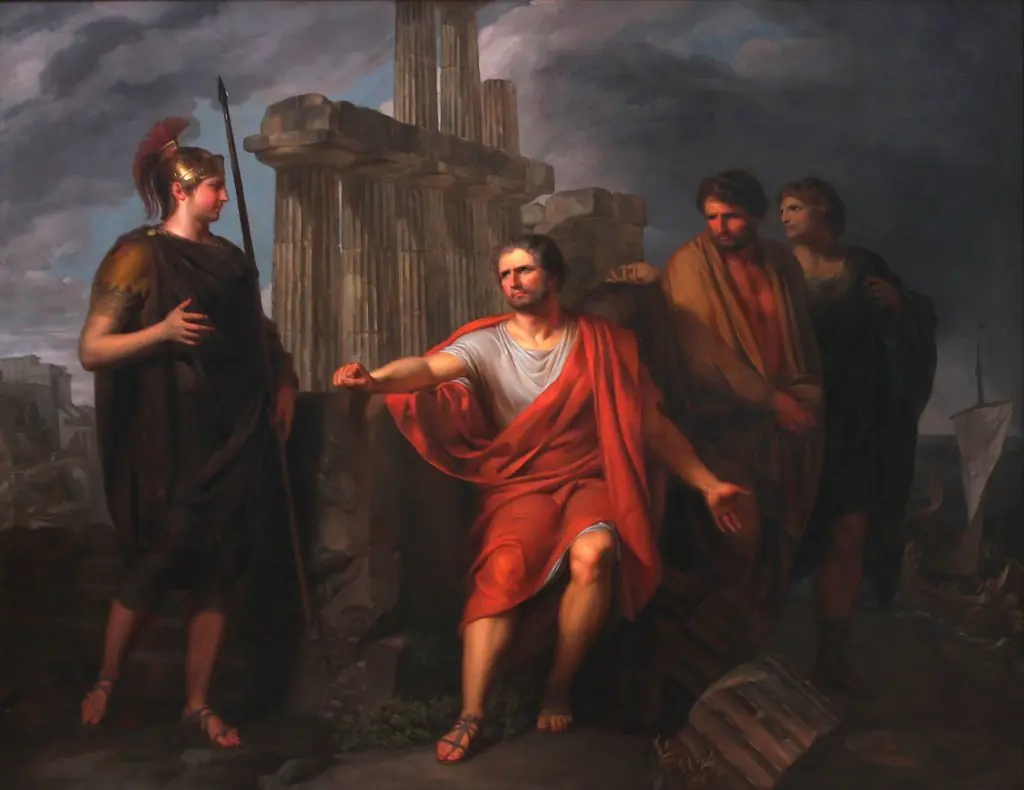 Marius on the ruins of Carthage
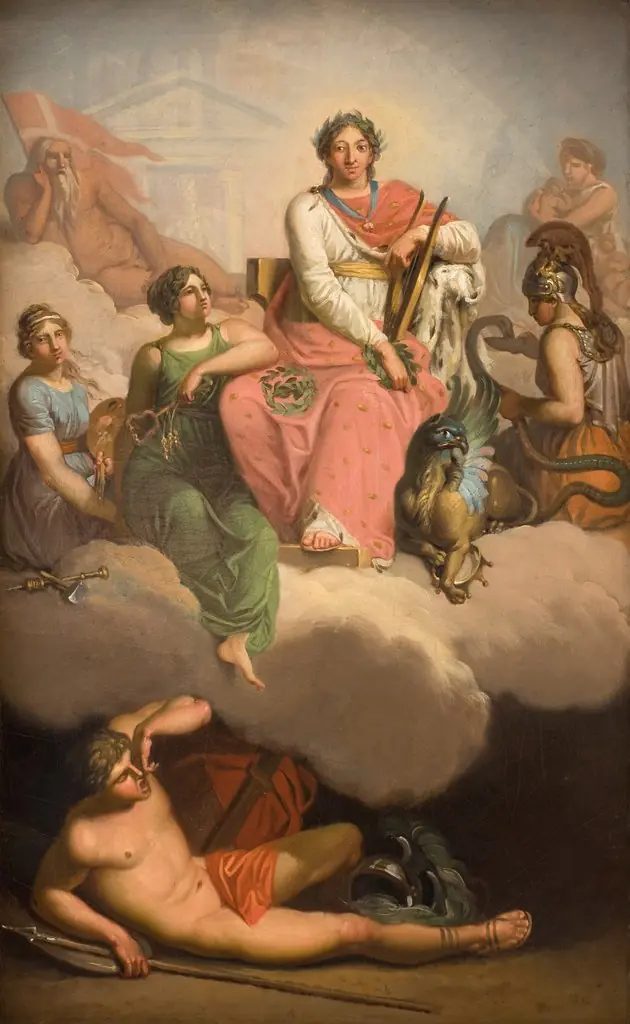 Frederik V as Patron of Science and the Arts
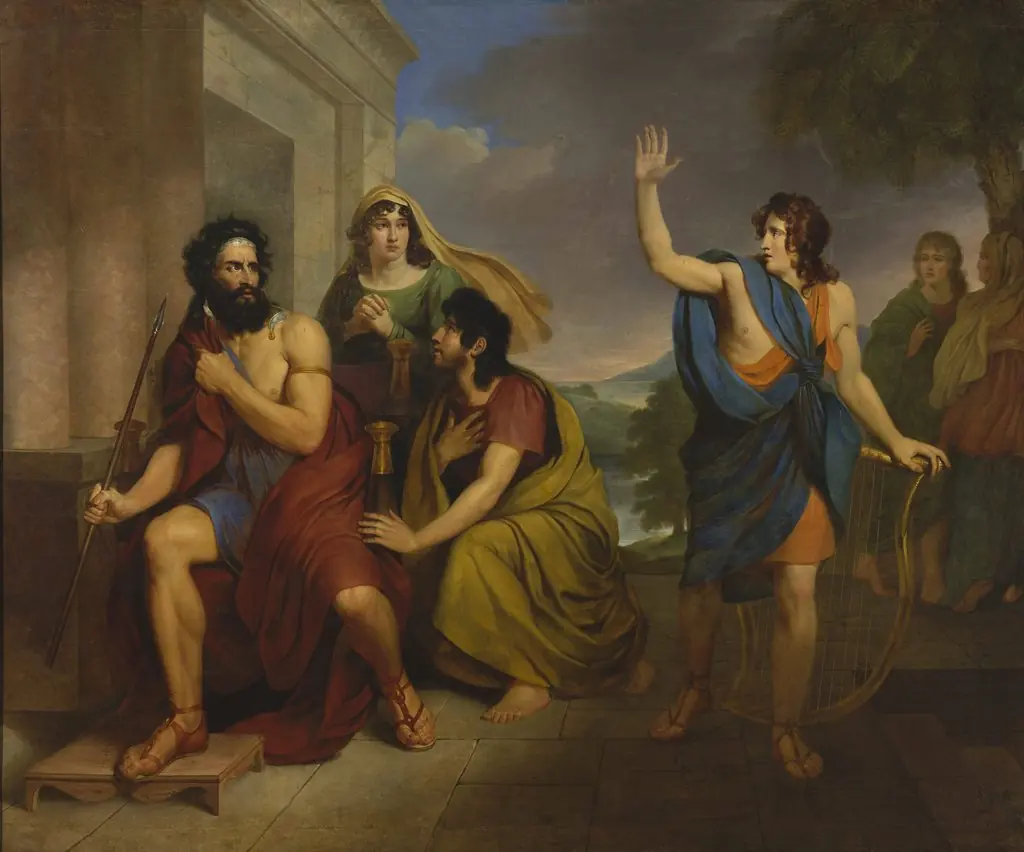 Saul’s anger at David