Artwork
The Ascension
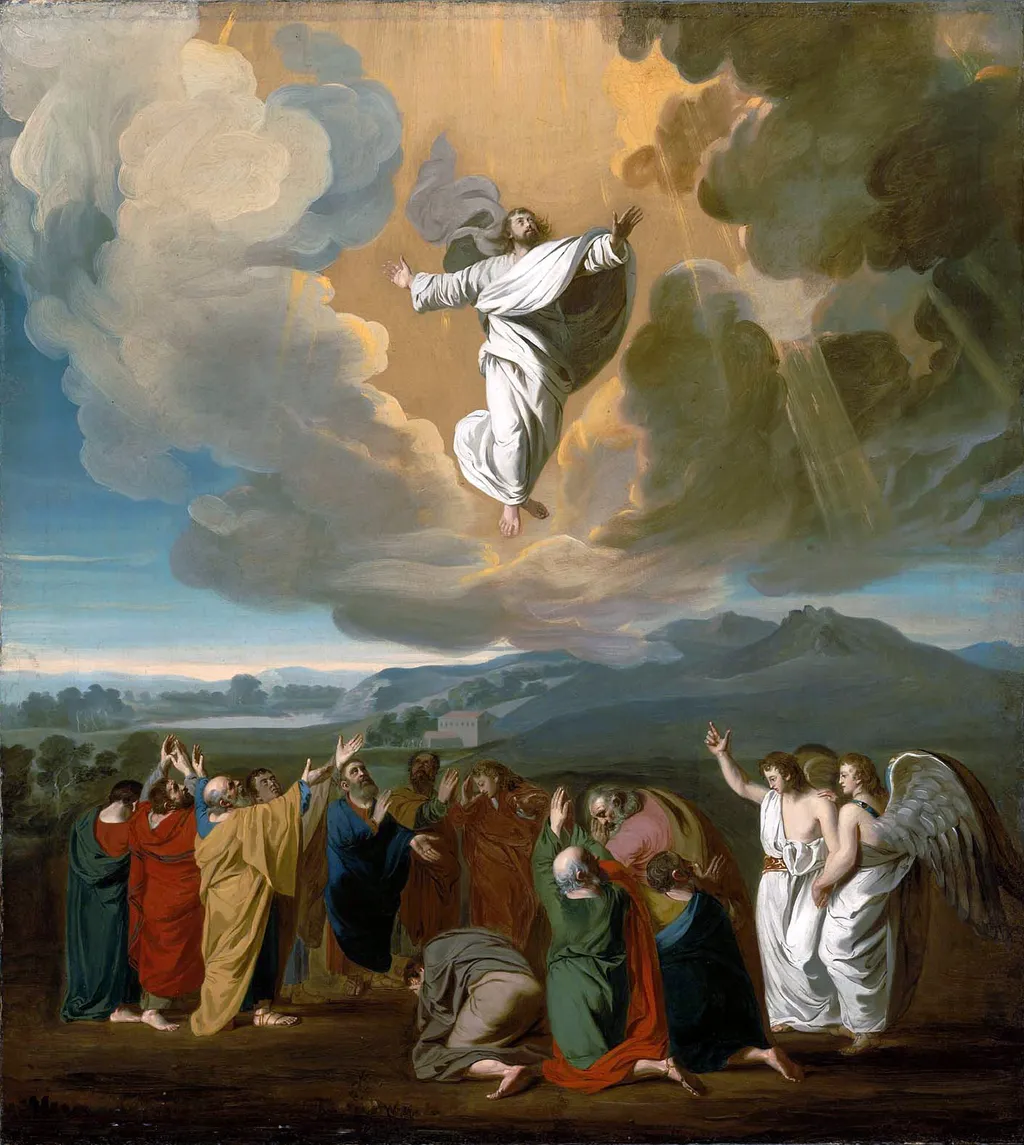
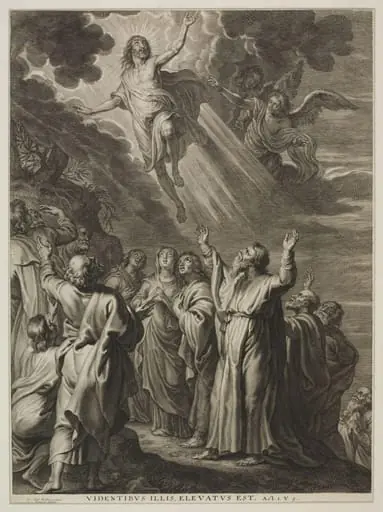
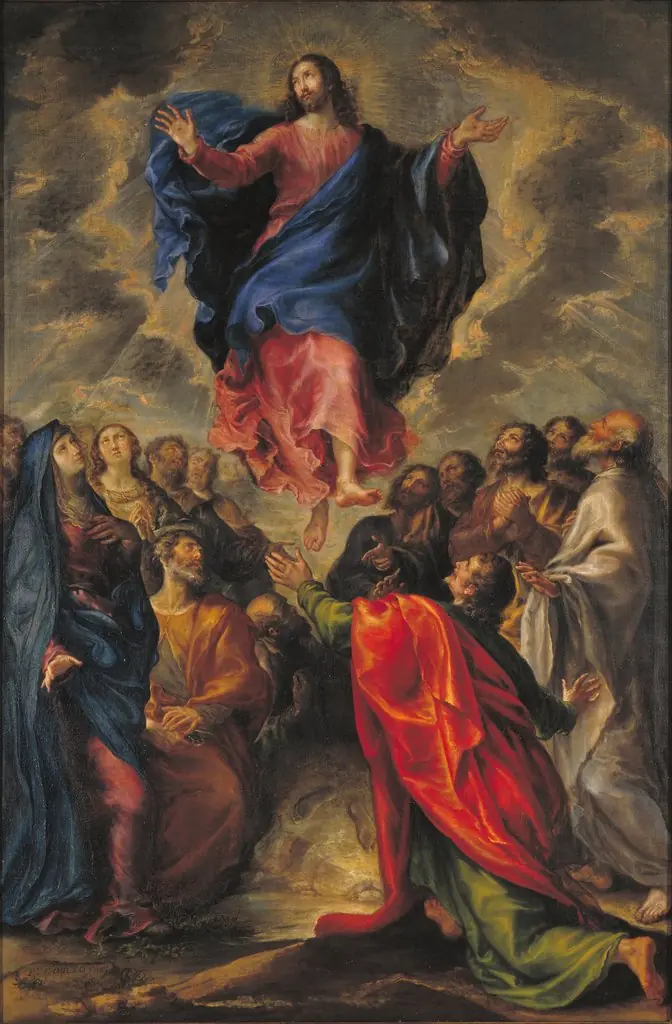
The Ascension is an oil painting by the Rococo painting artist John Singleton Copley. It dates from 1775 and is held in the collection of the Museum of Fine Arts Boston.
About this work
Overview
Though known primarily for portraiture, he turned to religious subject matter during this period, seeking to engage with grand historical themes.
John Singleton Copley painted *The Ascension* in 1775, shortly after moving from Boston to London. Though known primarily for portraiture, he turned to religious subject matter during this period, seeking to engage with grand historical themes. Executed in oil on canvas, the work reflects his adaptation to European artistic traditions while retaining a distinct clarity of form. It now resides in the Museum of Fine Arts, Boston, among his lesser-known but significant religious compositions.
Subject & Meaning
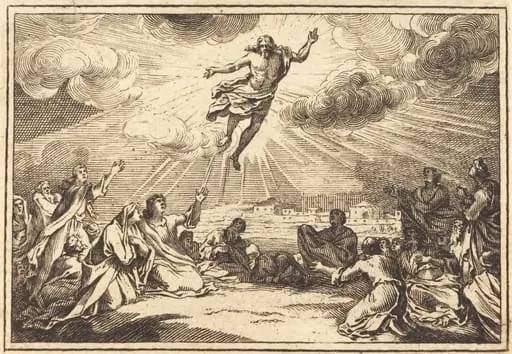
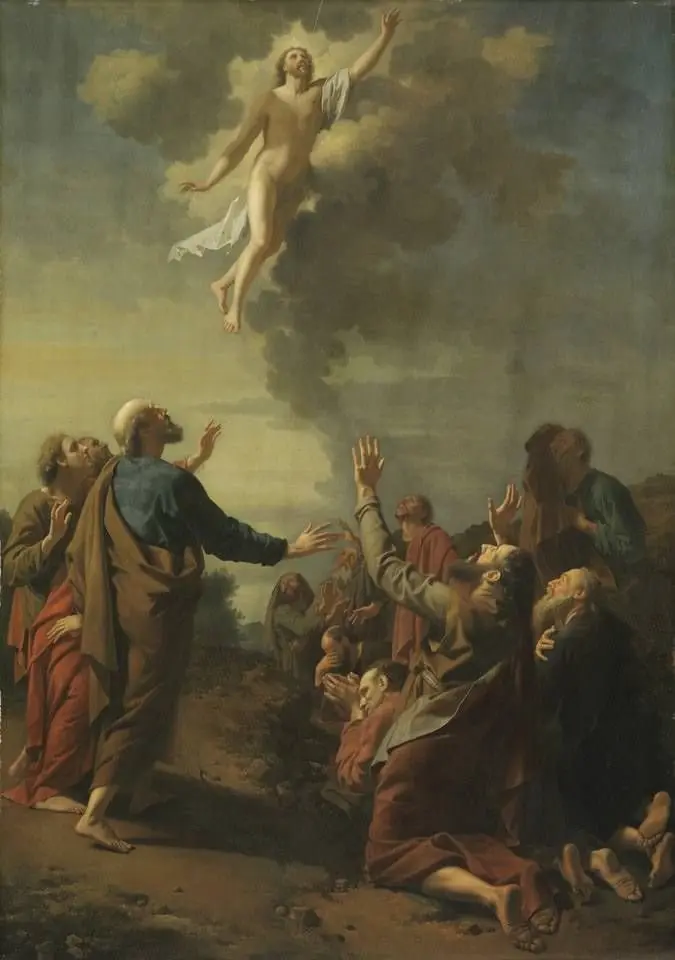
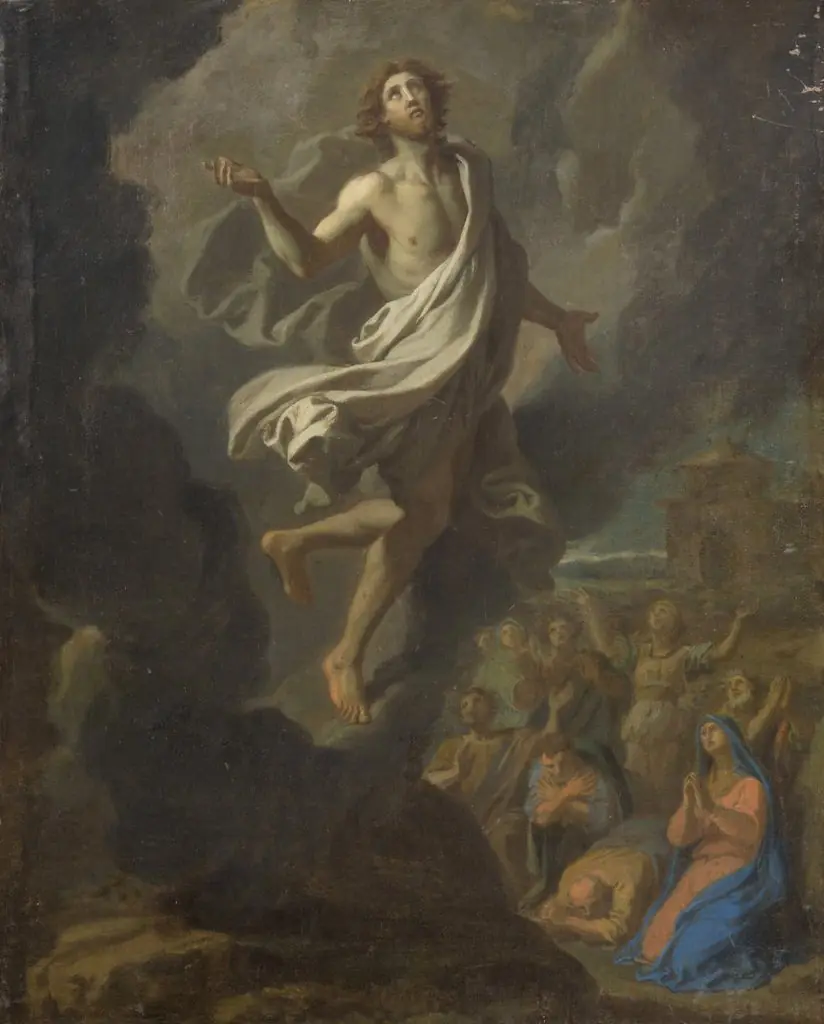
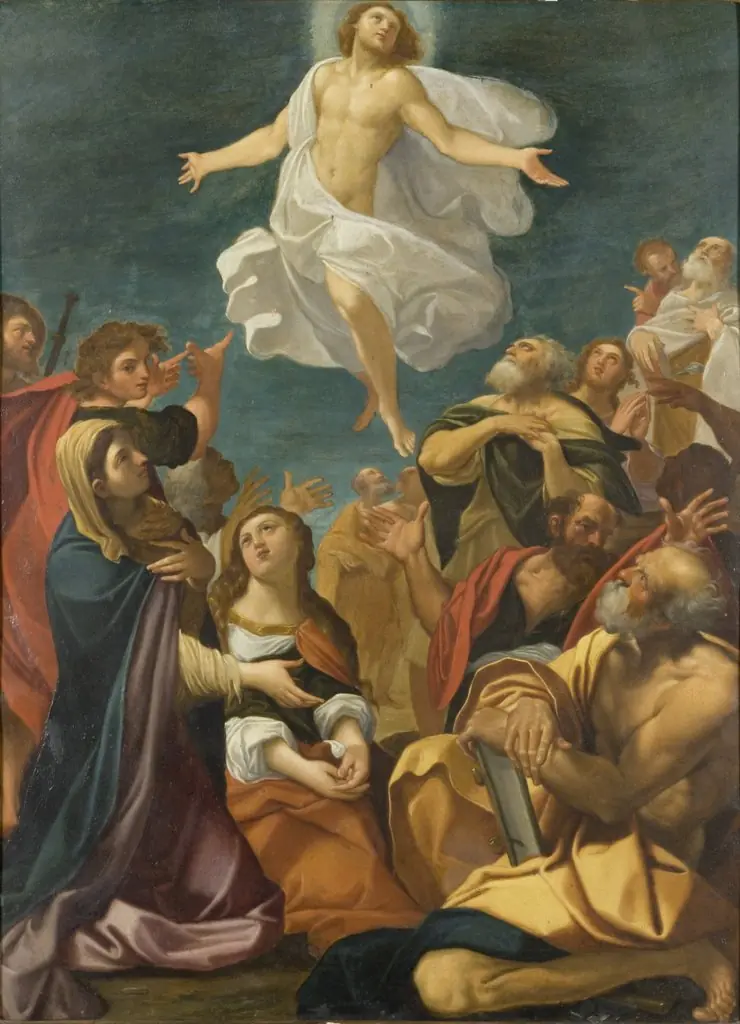
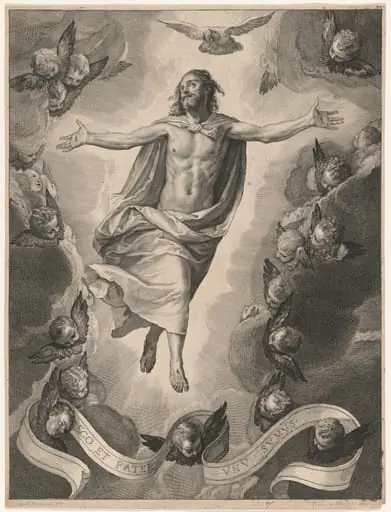
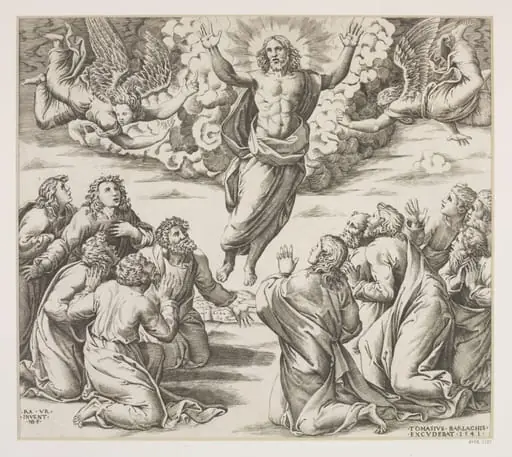
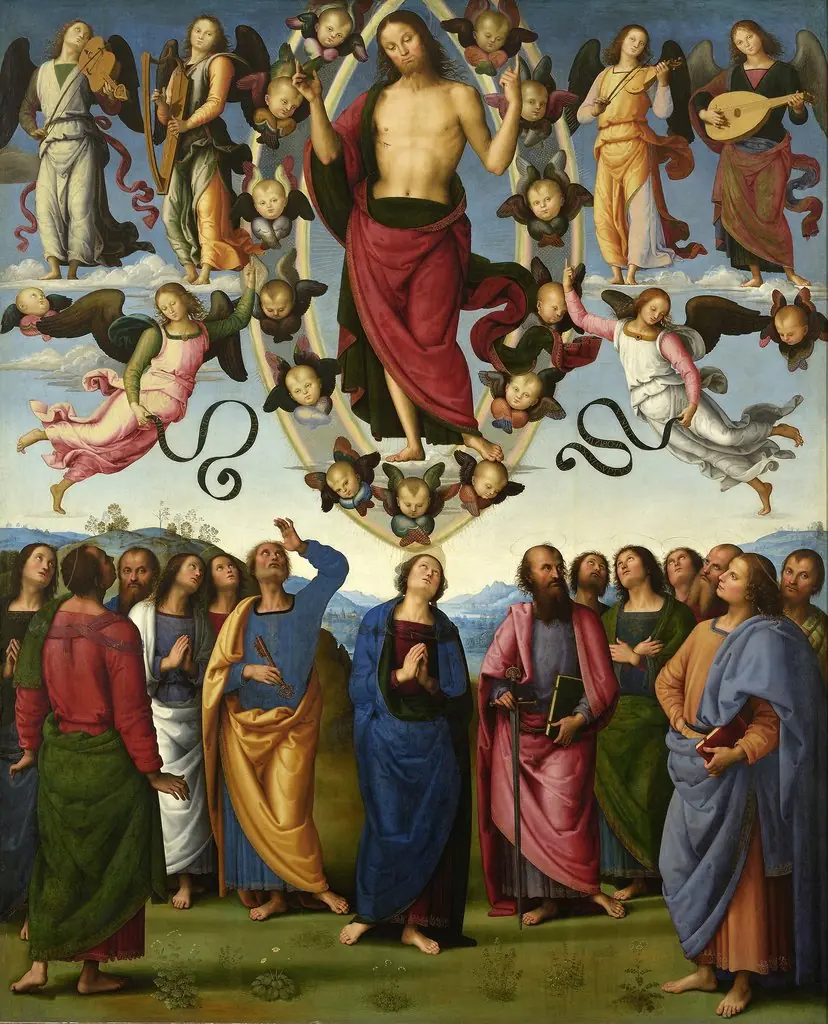
The painting illustrates the moment Christ ascends into heaven, as described in the Acts of the Apostles. Below him, a group of disciples gazes upward in quiet reverence, their gestures and postures conveying awe and contemplation. Copley avoids theatricality, focusing instead on the solemnity of the event. The figures, dressed in flowing robes, represent the early Christian community witnessing the transition from earthly presence to divine transcendence.
Technique & Style
Copley employed a refined, polished technique characteristic of his portraiture, applying smooth brushwork to render fabric, skin, and atmosphere with precision. The composition is structured vertically, guiding the eye upward toward Christ, while the sky’s soft clouds and muted blues create a sense of ethereal space. Though influenced by Rococo elegance, the work avoids ornamental excess, favoring emotional restraint and clear spatial organization.
History & Provenance
Commissioned during Copley’s early years in London, *The Ascension* was likely intended for private devotion rather than public display. It remained in private hands until acquired by the Museum of Fine Arts, Boston, in the late 19th century. Its survival and preservation reflect its significance as one of the few large-scale religious works by an American artist working in Britain during the 18th century.
Context
In 1775, British art institutions favored grand historical and religious narratives, prompting American artists like Copley to pursue such subjects to gain legitimacy. While his portraits had earned him acclaim, *The Ascension* marked his ambition to align with the academic hierarchy of genres. The painting emerged amid growing colonial tensions, yet its themes of spiritual elevation subtly distanced it from contemporary political unrest.
Legacy
Though not widely exhibited during Copley’s lifetime, *The Ascension* remains a key example of his transition from colonial portraitist to international historical painter. It illustrates the transatlantic exchange of artistic ideals and the challenges faced by American artists seeking recognition in Europe. Today, it stands as a quiet testament to his technical skill and his engagement with sacred narrative beyond portraiture.
Own this work as a print
Artist & collection

Artist
John Singleton Copley (July 3, 1738 – September 9, 1815) was an American-born British painter active in both the Thirteen Colonies and England.