Artwork
The Beheading of John the Baptist
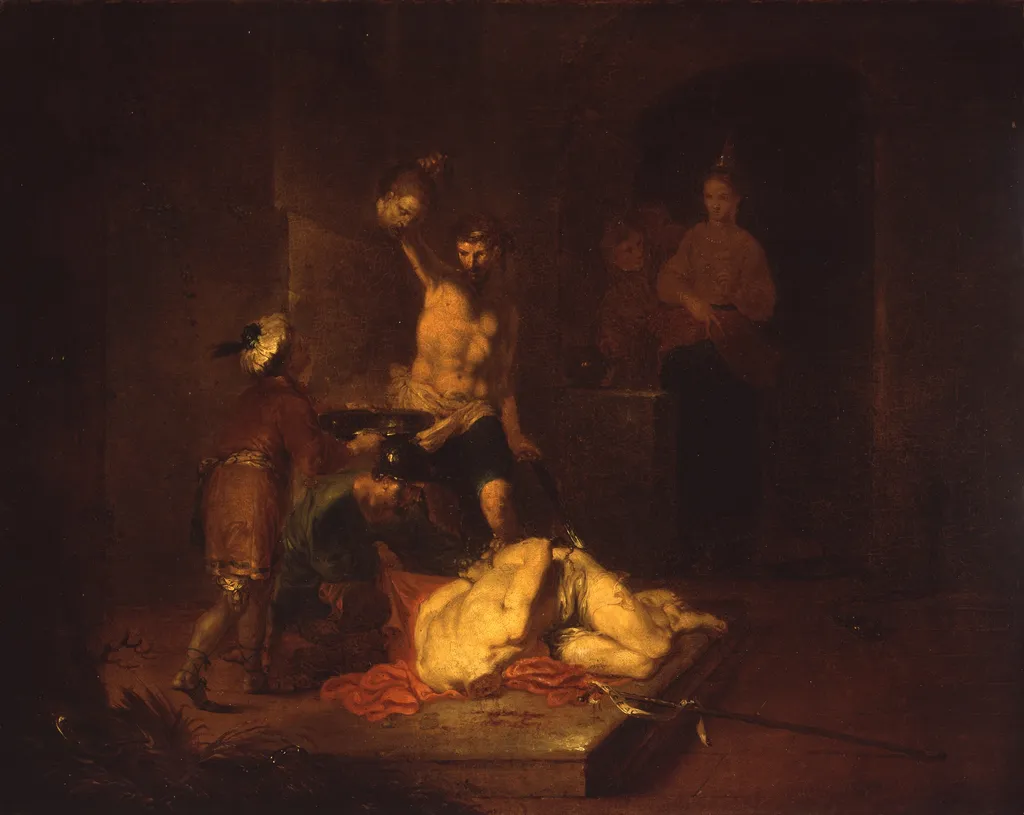
The Beheading of John the Baptist is an oil painting by the Rococo painting artist Januarius Zick. It dates from 1755 and is held in the collection of the Gemäldegalerie Berlin.
About this work
Overview
Johann Rasso Januarius Zick, a German painter and architect active in the mid‑18th century, completed an oil painting titled *The Beheading of John the Baptist* in 1755. The work belongs to the religious genre and is part of the Gemäldegalerie Berlin’s collection.
Subject & Meaning
The canvas portrays the biblical moment when John the Baptist is executed. A kneeling figure rests his head on a stone slab, while a standing figure brandishes a sword, and a soldier watches from the side, emphasizing the brutality and solemnity of the event.
Technique & Style
Zick employs strong chiaroscuro, lighting the central figures against a dark background with a single light source. This contrast creates depth and heightens the emotional intensity, reflecting the dramatic sensibilities typical of the Late‑Baroque and Rococo periods.
History & Provenance
Created in 1755, the painting has remained in German collections and is presently housed in Berlin’s Gemäldegalerie. Its provenance traces back to Zick’s workshop and subsequent acquisitions by the museum in the 19th century.
Context
The work exemplifies the ornate, expressive qualities of late Baroque art in Germany, where religious narratives were often rendered with theatrical lighting and elaborate composition to engage viewers spiritually and emotionally.
Own this work as a print
Artist & collection
Artist
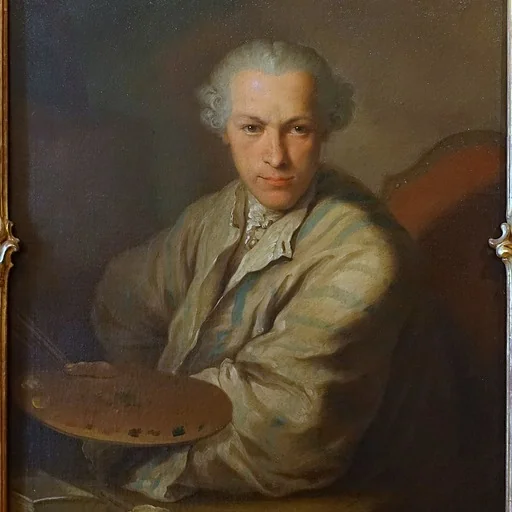
Johann Rasso Januarius Zick (6 February 1730 – 14 November 1797) was a German painter and architect. He is considered to be one of the main masters of the Late-Baroque.

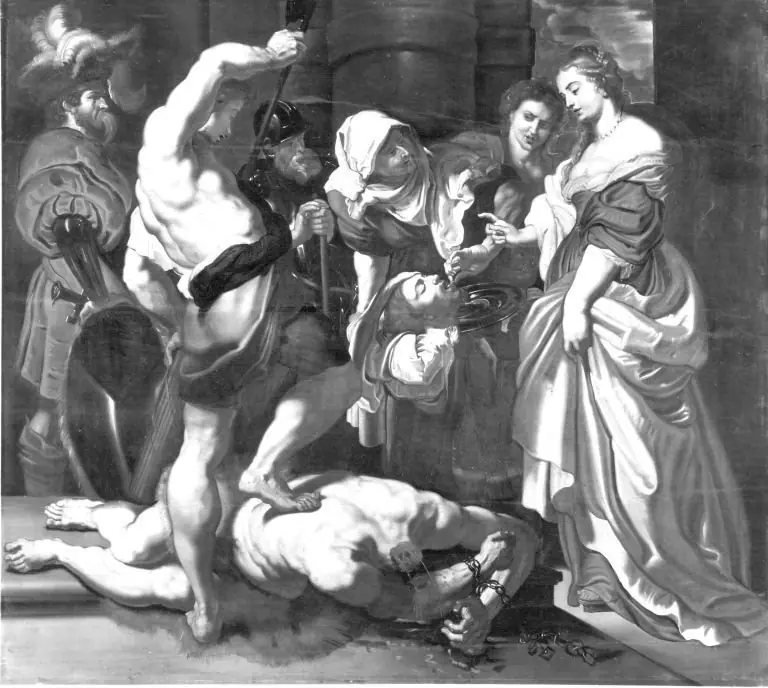 Salome is given the head of John the Baptist by the executioner
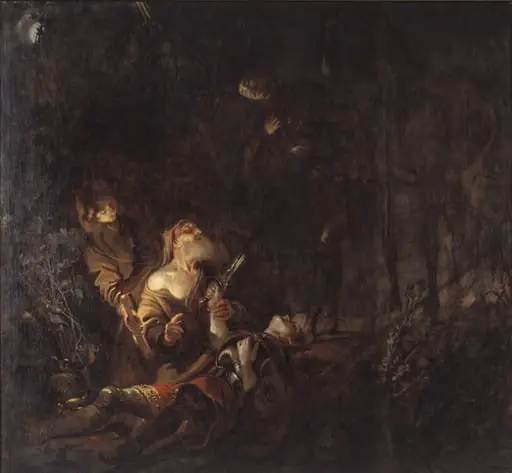 Prins Svens lig bliver fundet
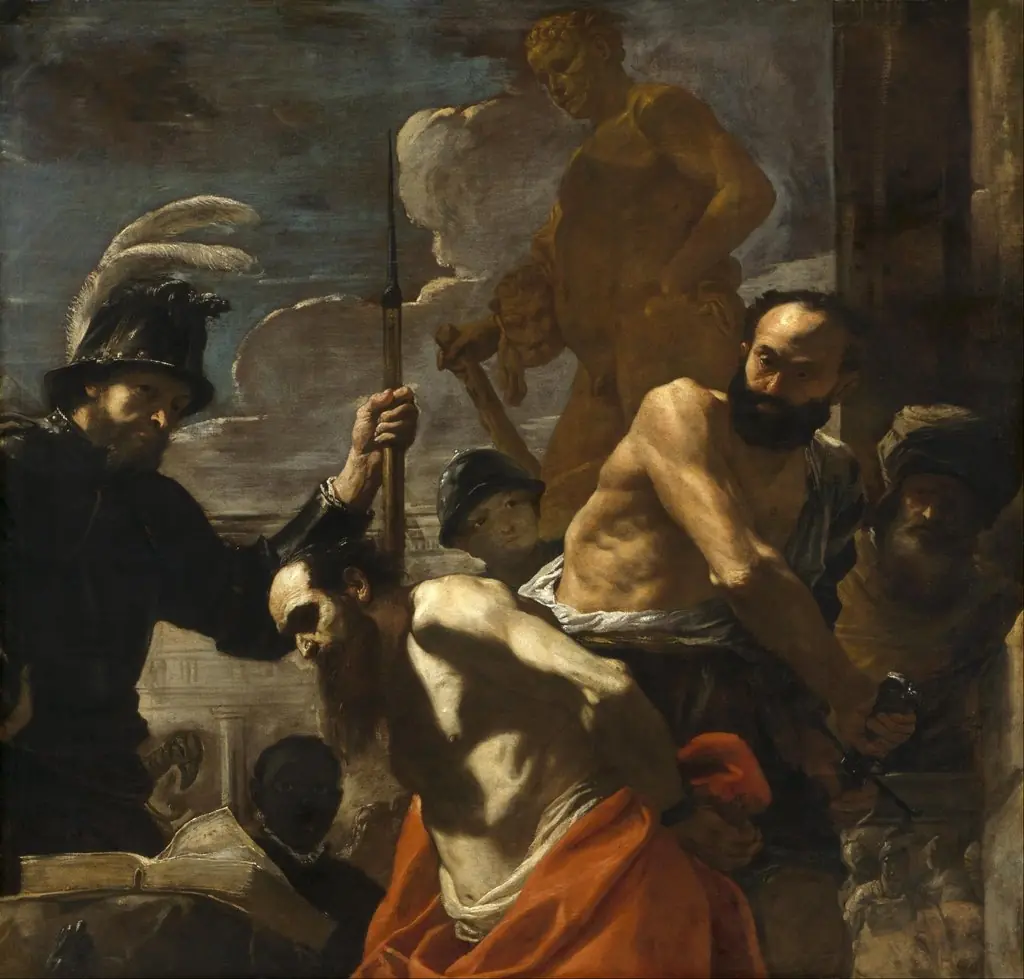 The Martyrdom of Saint Paul
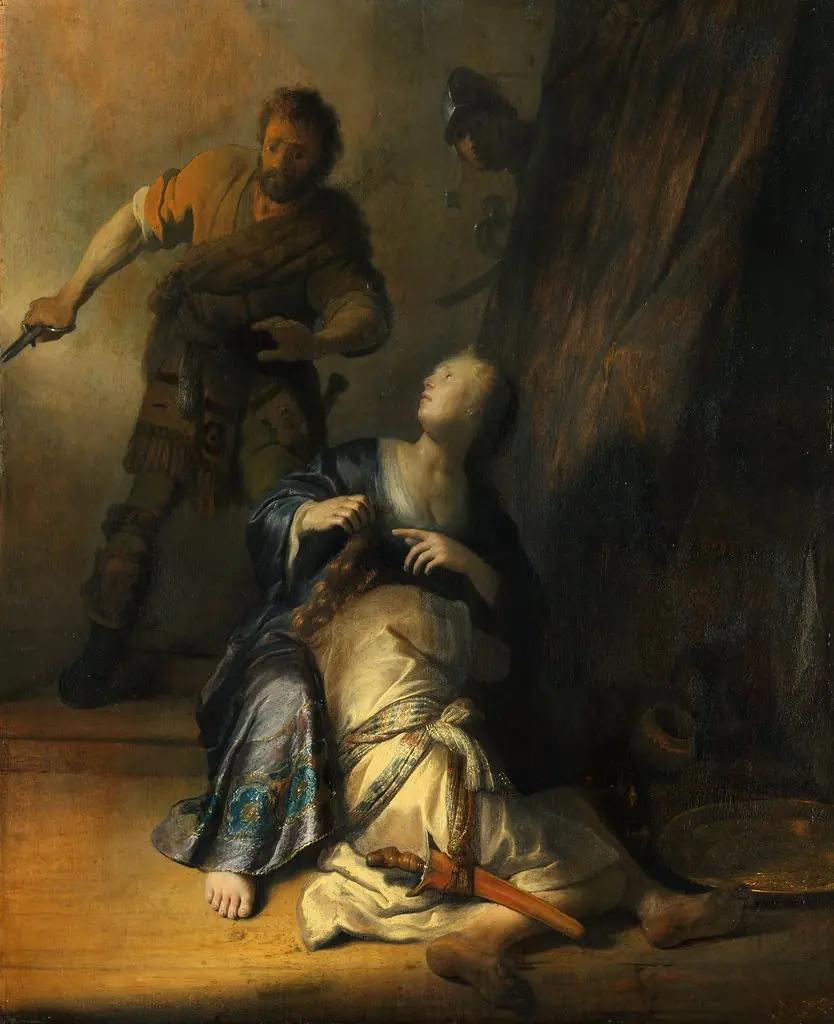 Samson betrayed by Delilah
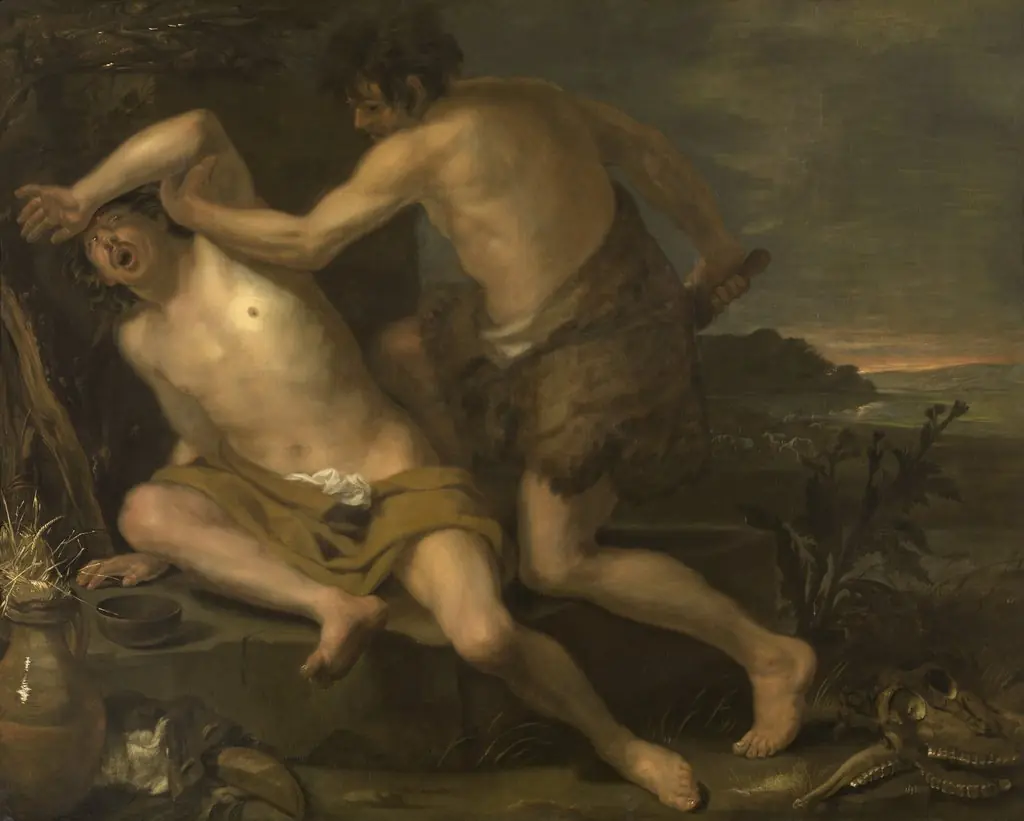 The Death of Abel
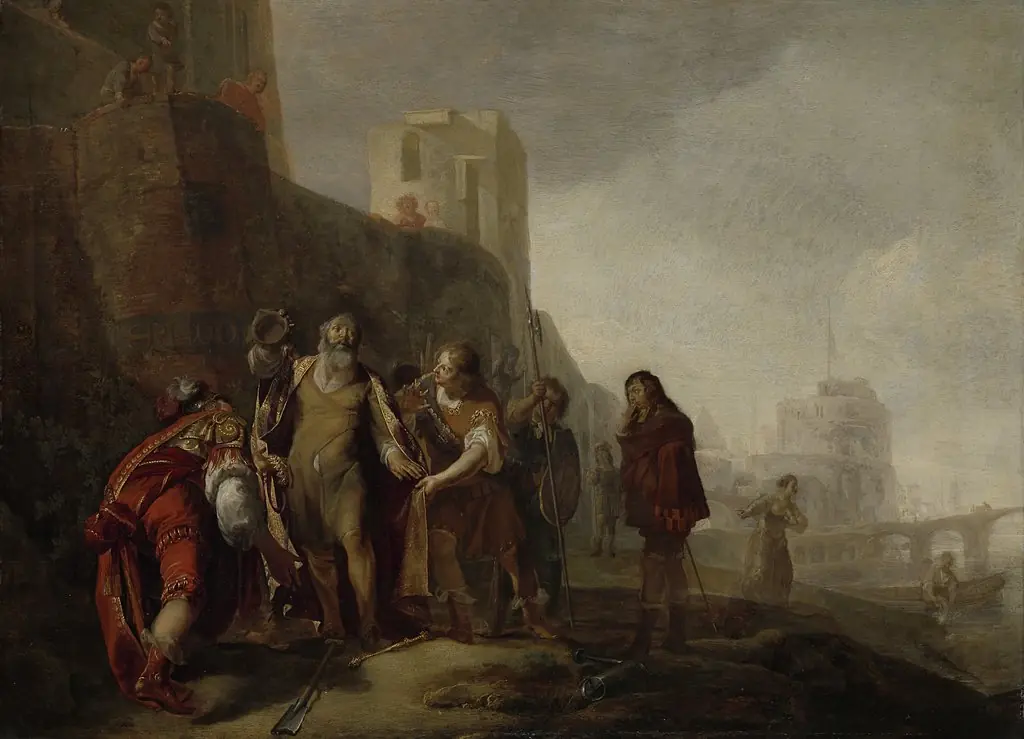 The legates of Alexander the Great investing the gardener Abdalonymus with the insignia of the kingship of Sidon
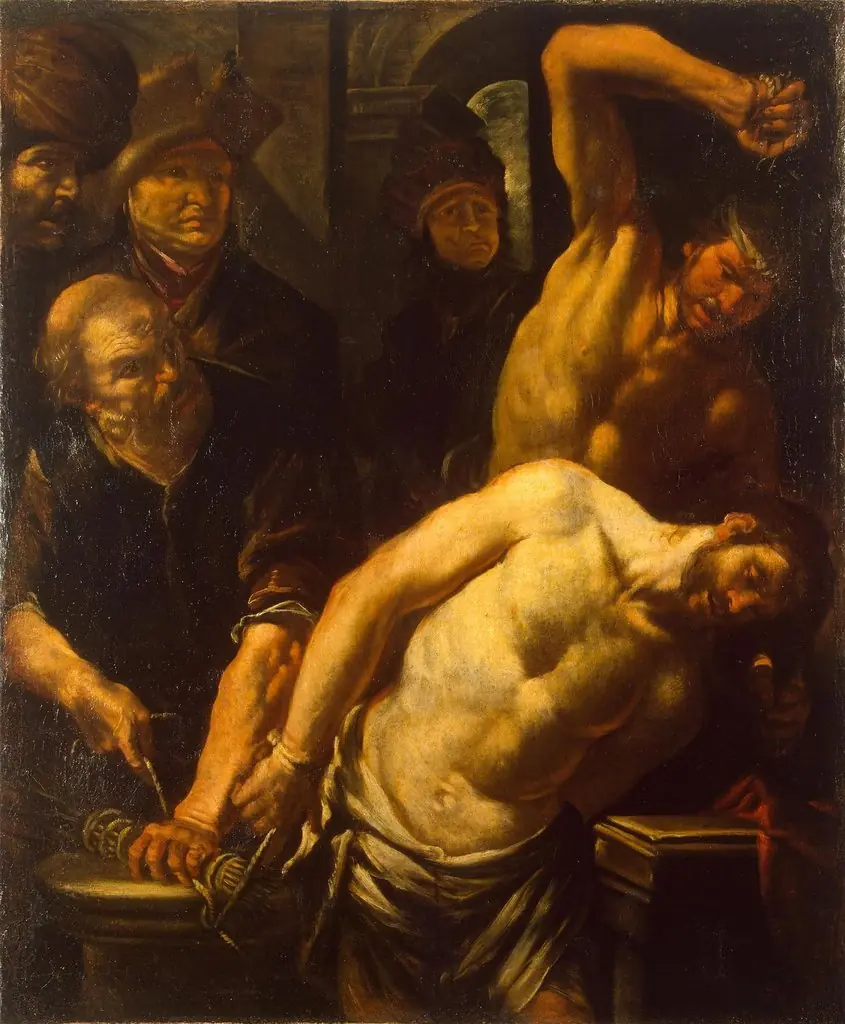 Mocking of Christ
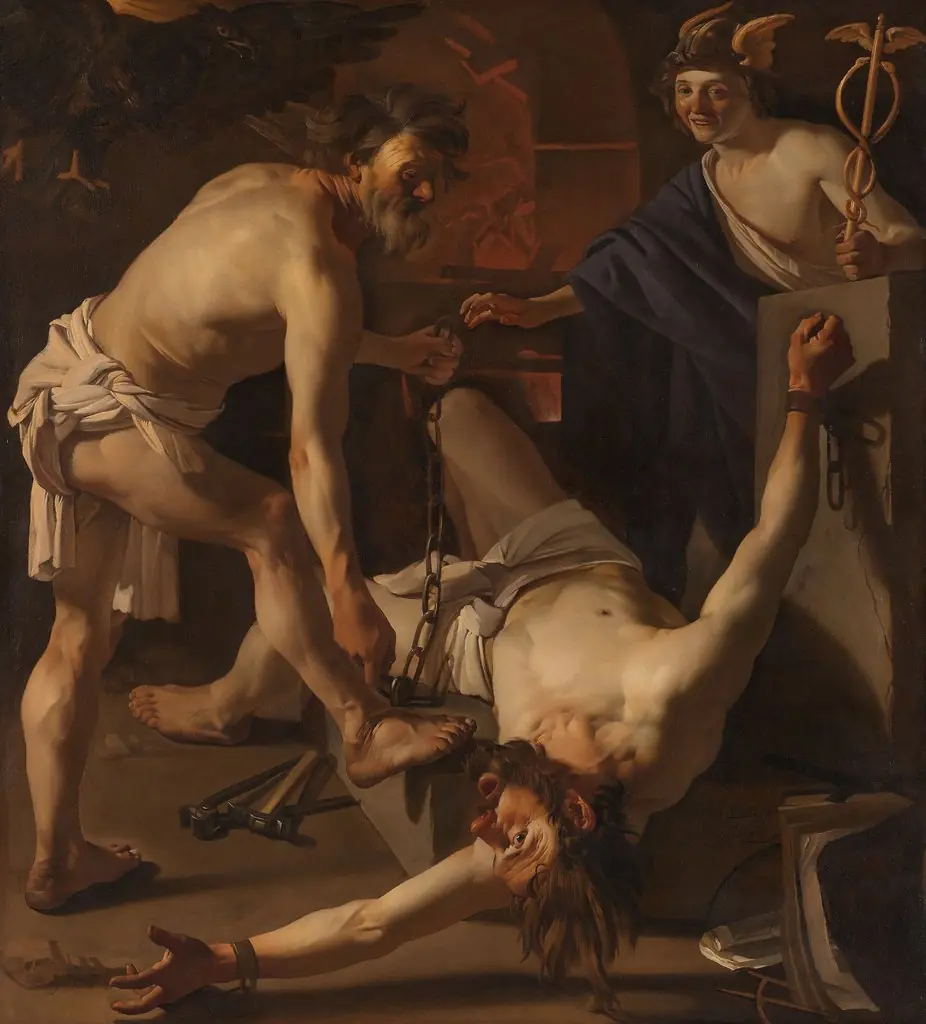 Prometheus Being Chained by Vulcan
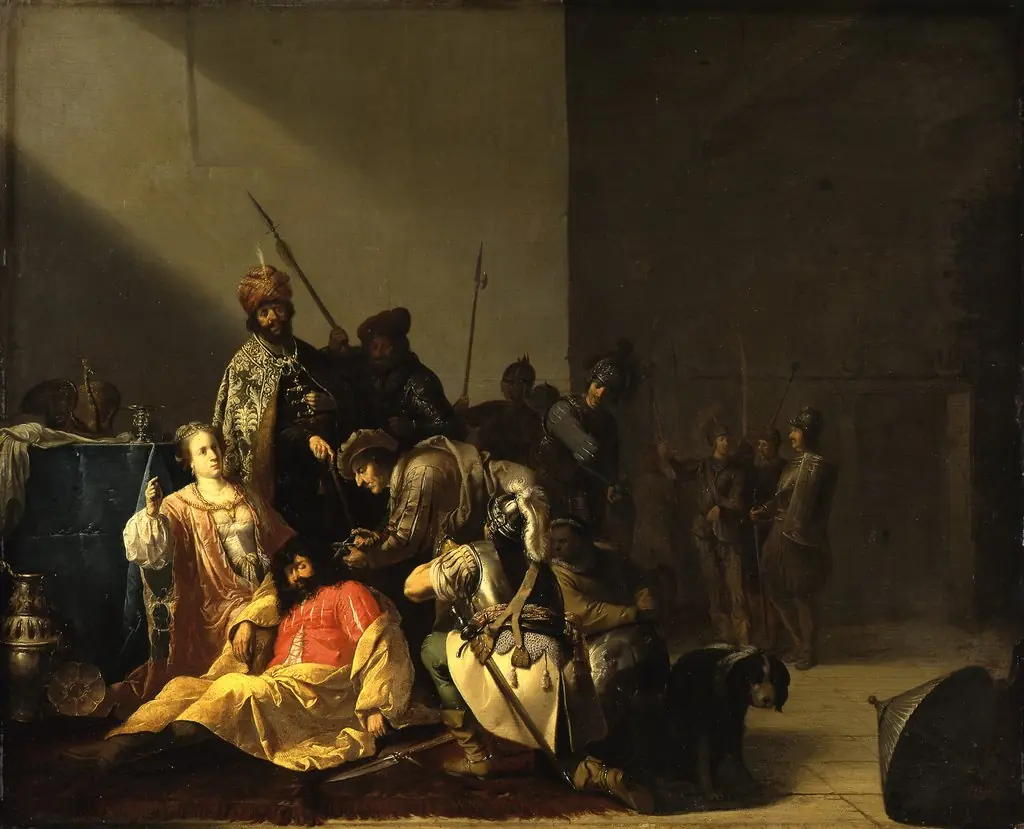 Samson and Delilah
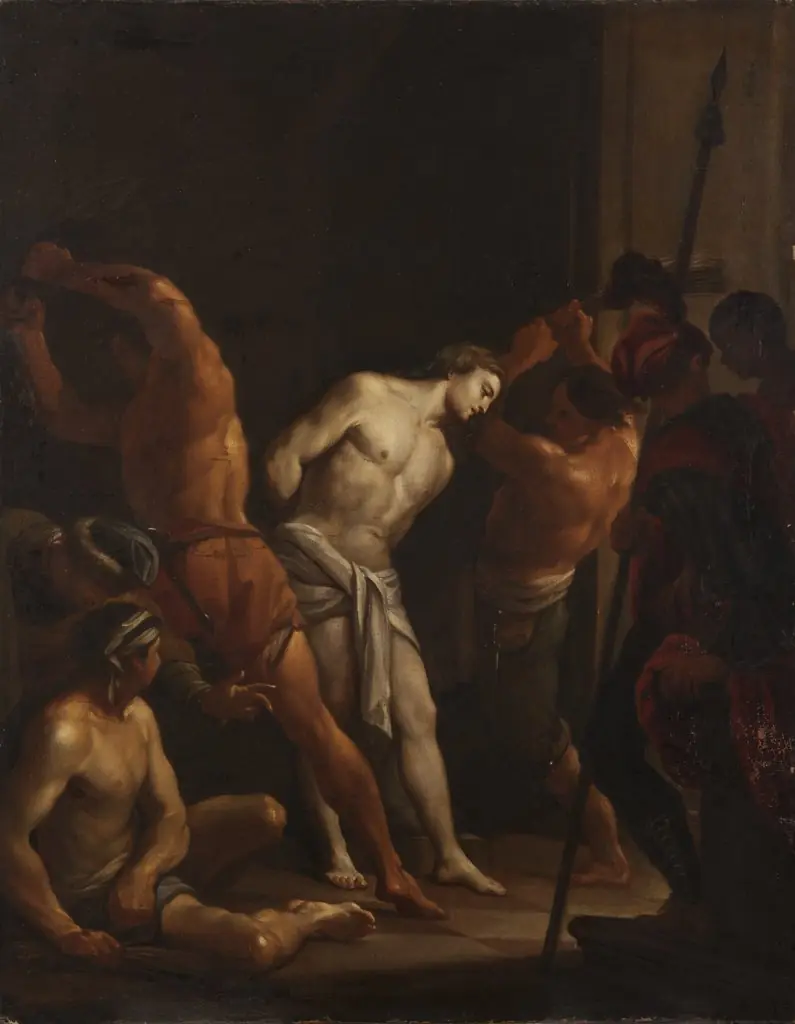 The Flagellation of Christ