Artwork
Saint Jerome
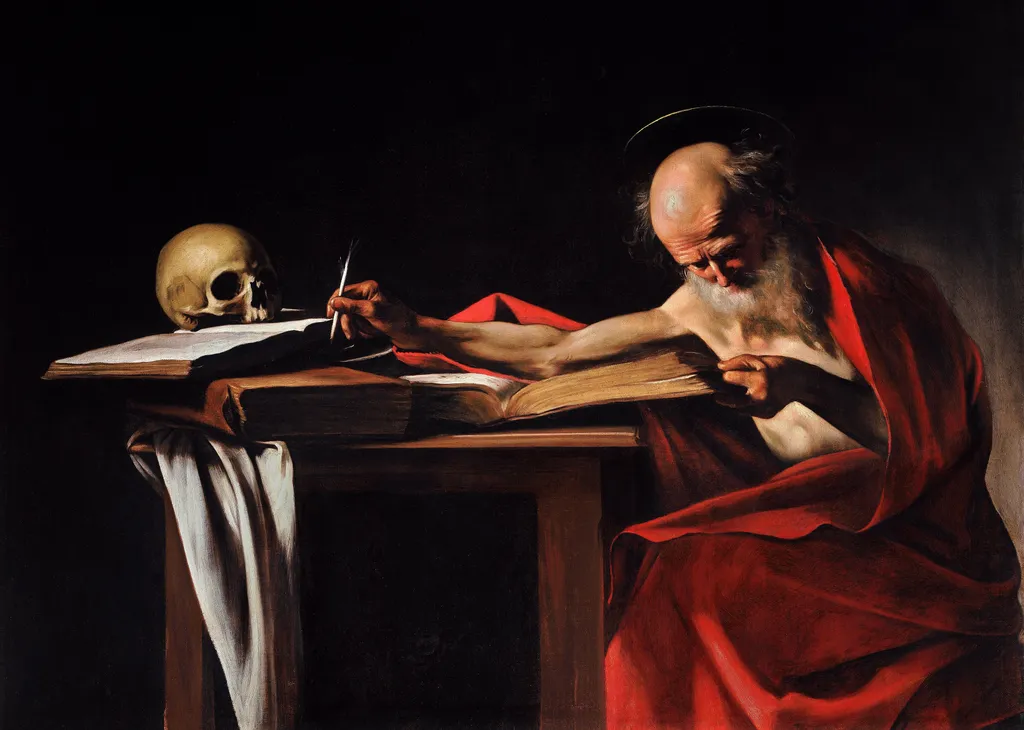
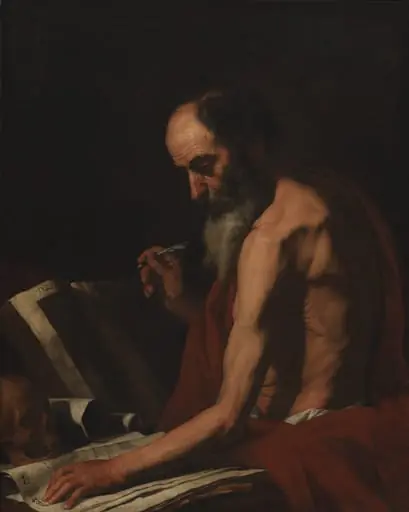
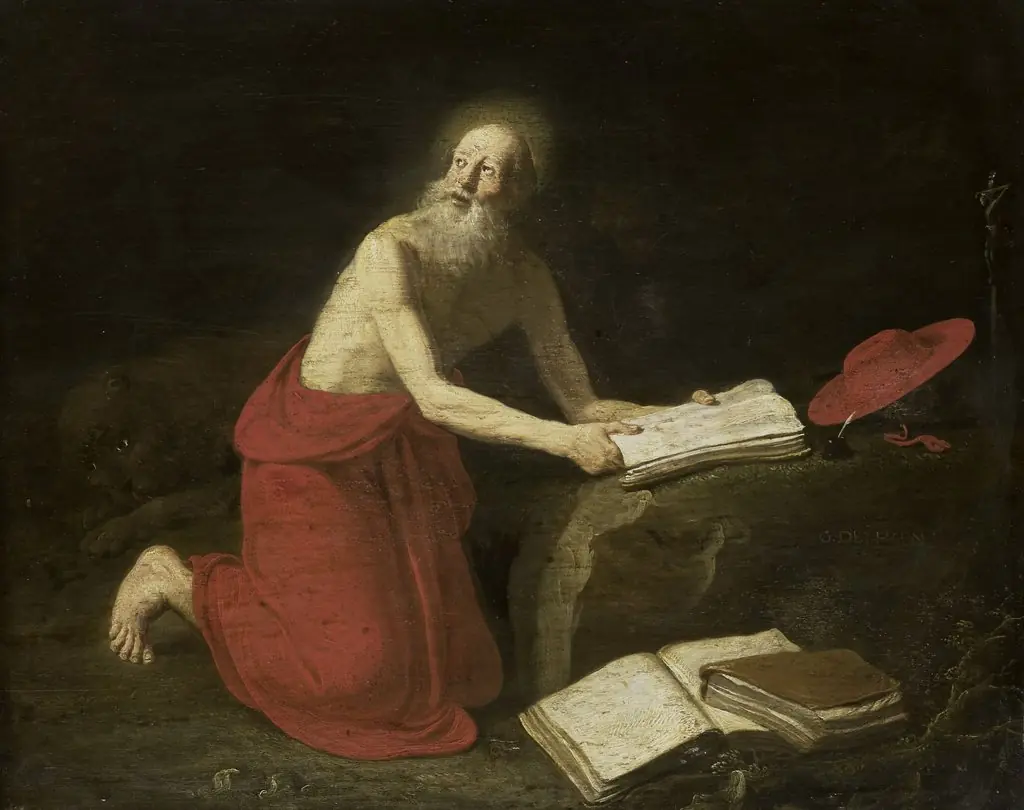
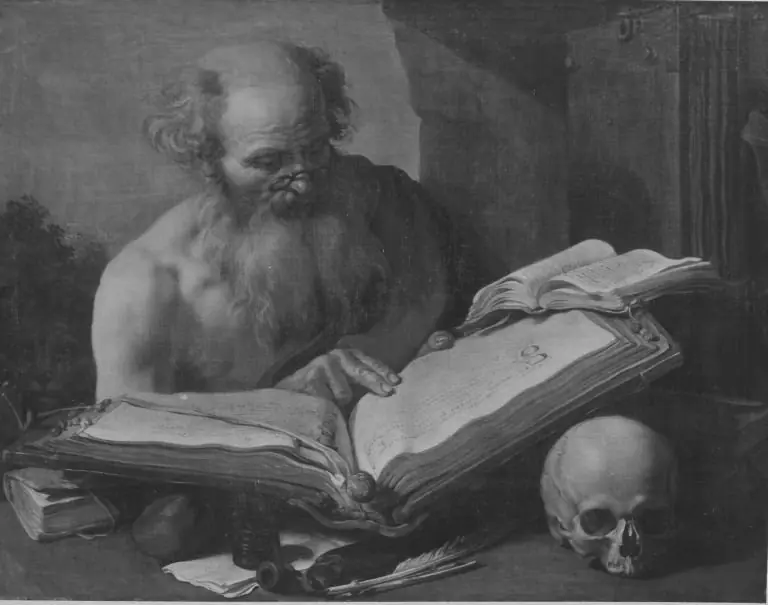
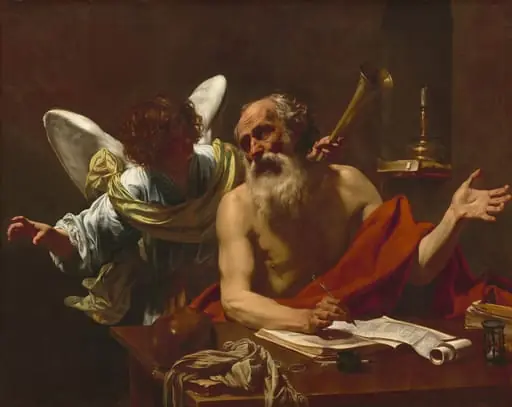
Saint Jerome is an oil painting by the Baroque artist Caravaggio. It dates from 1606 and is held in the collection of the Borghese Collection.
About this work
The painting is also known as Saint Jerome Writing, highlighting the scholarly activity of the figure.
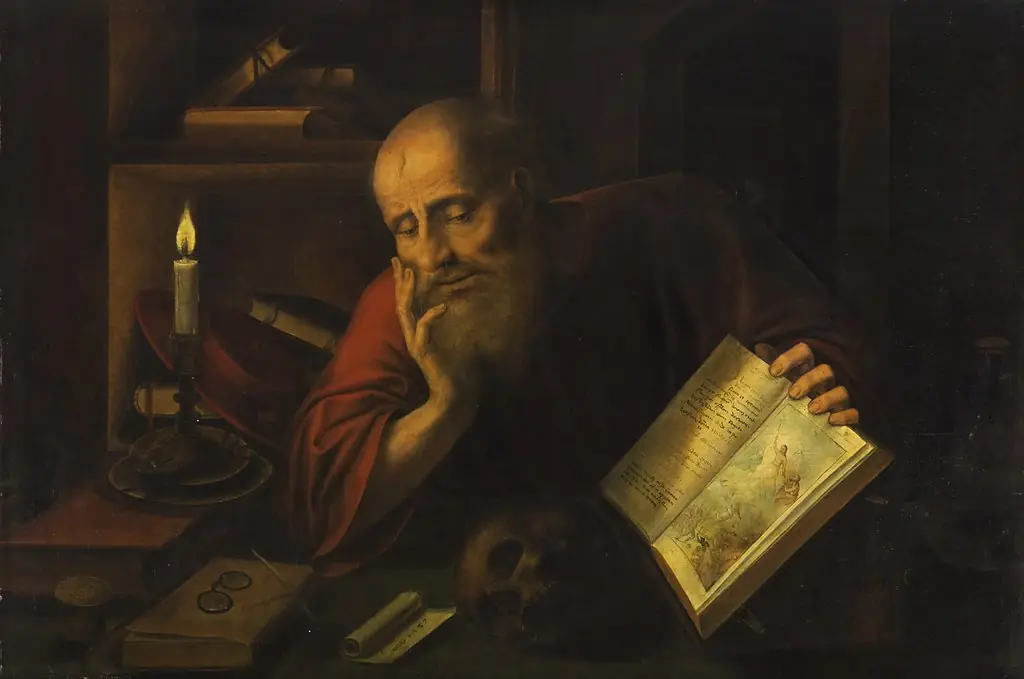
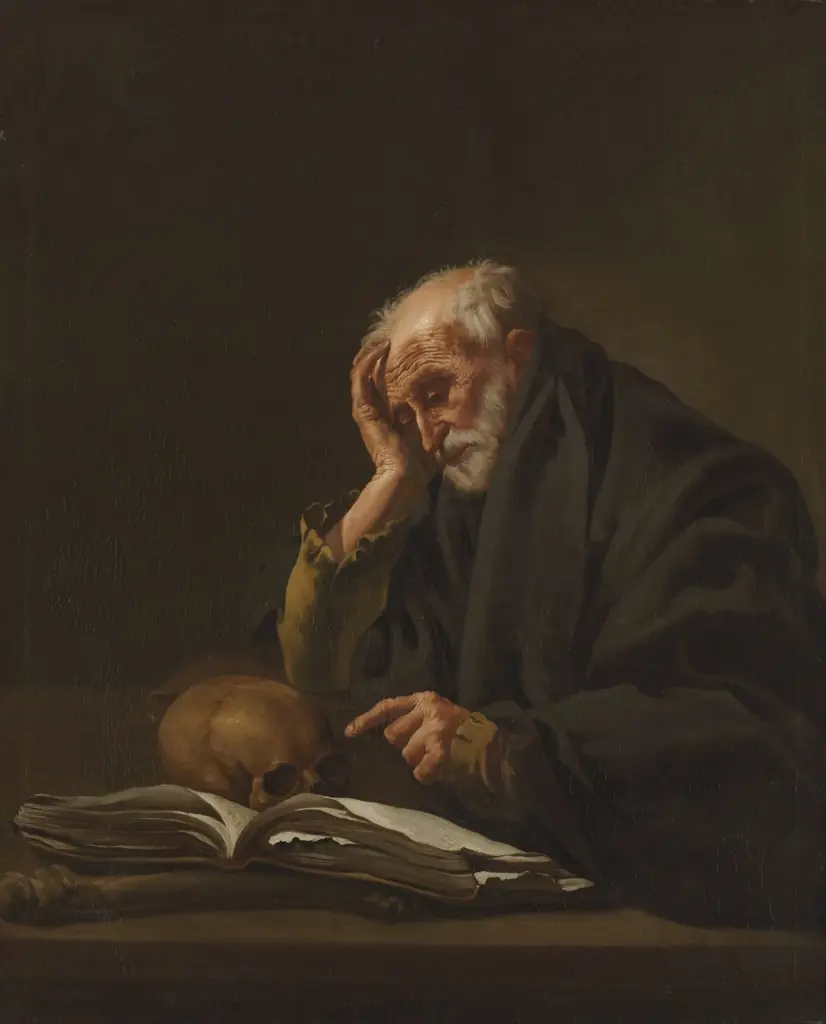
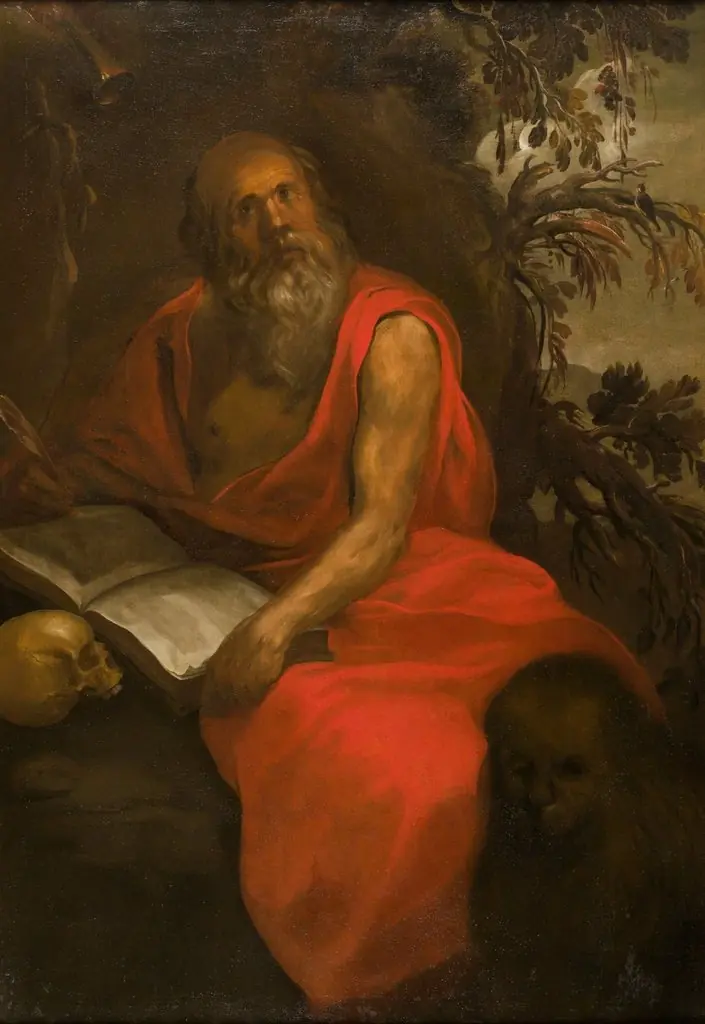
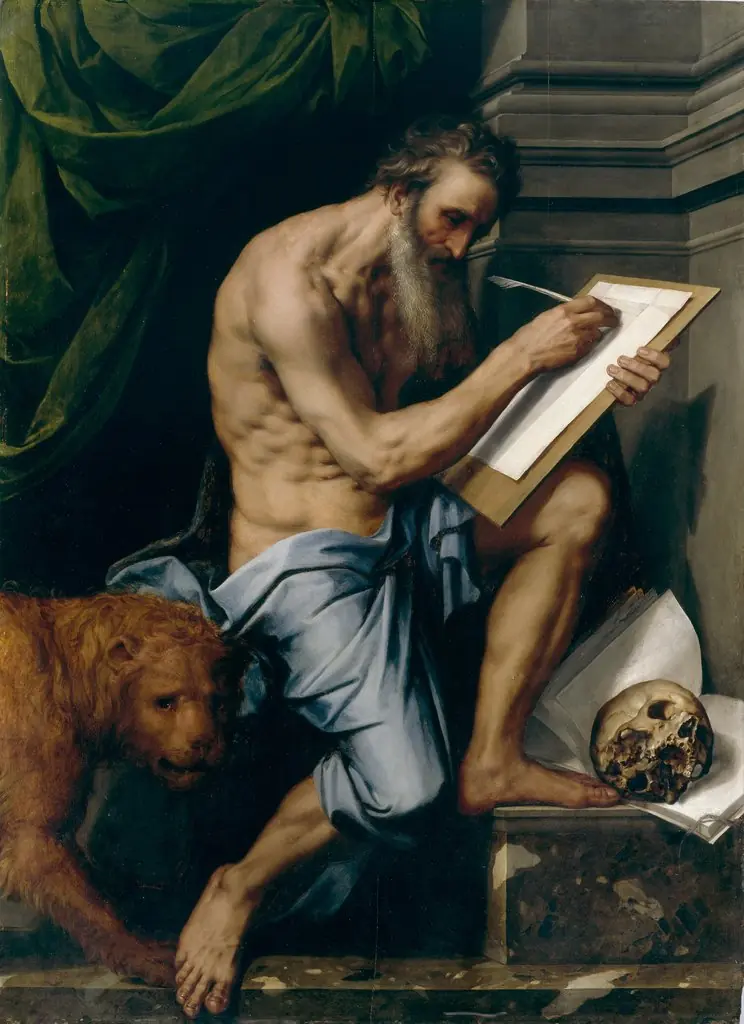
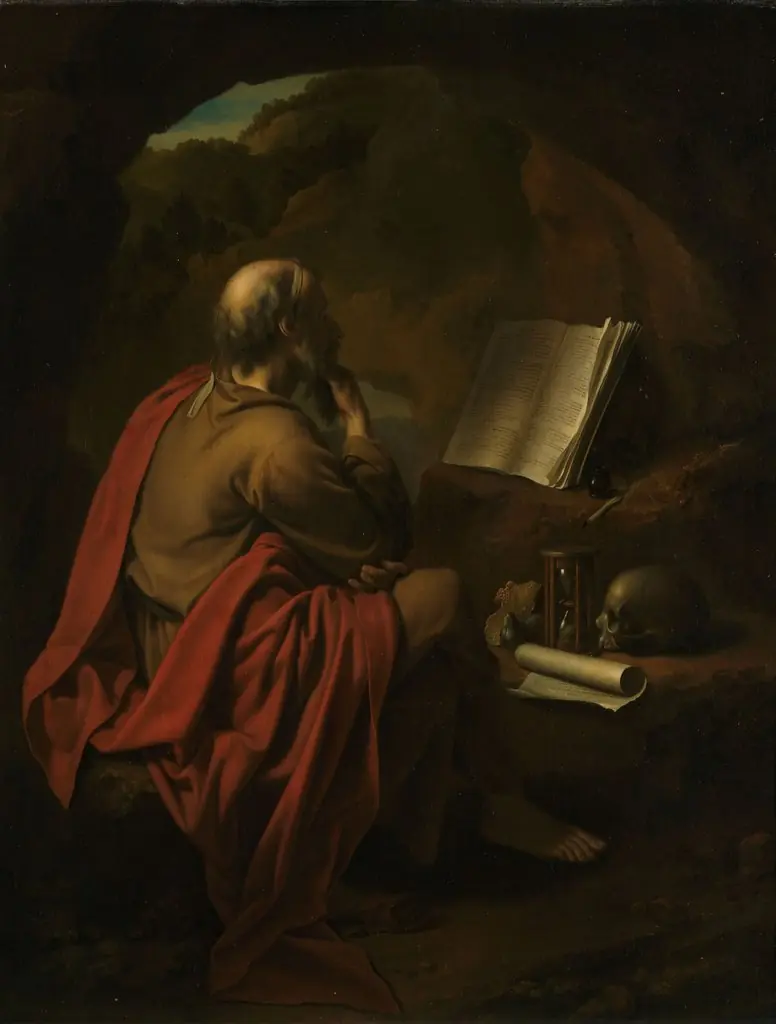
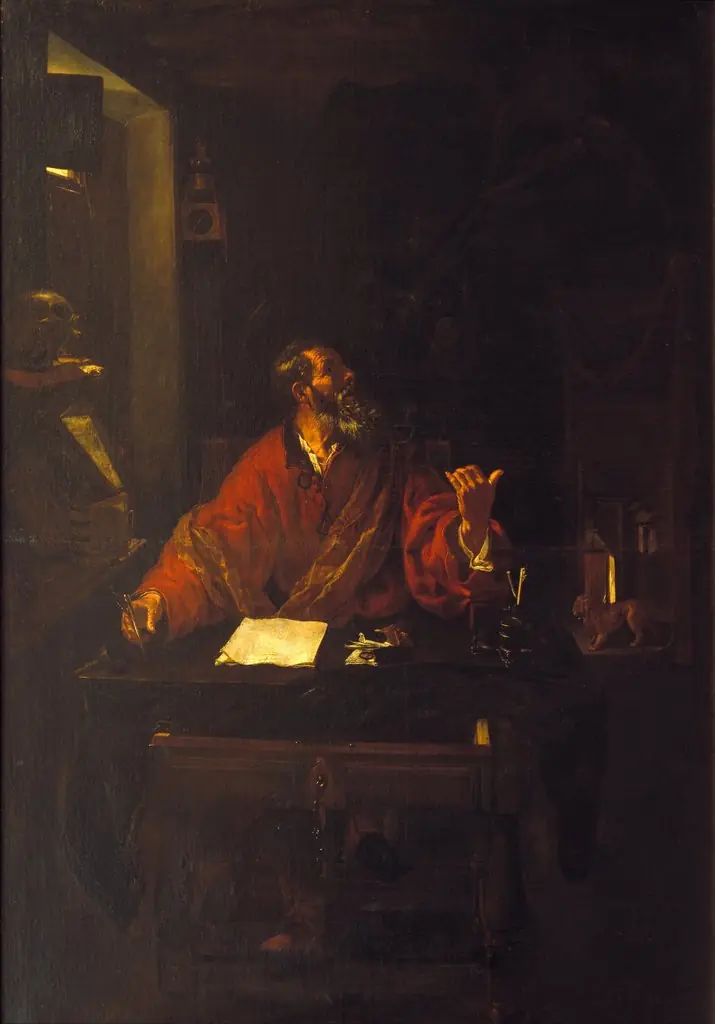
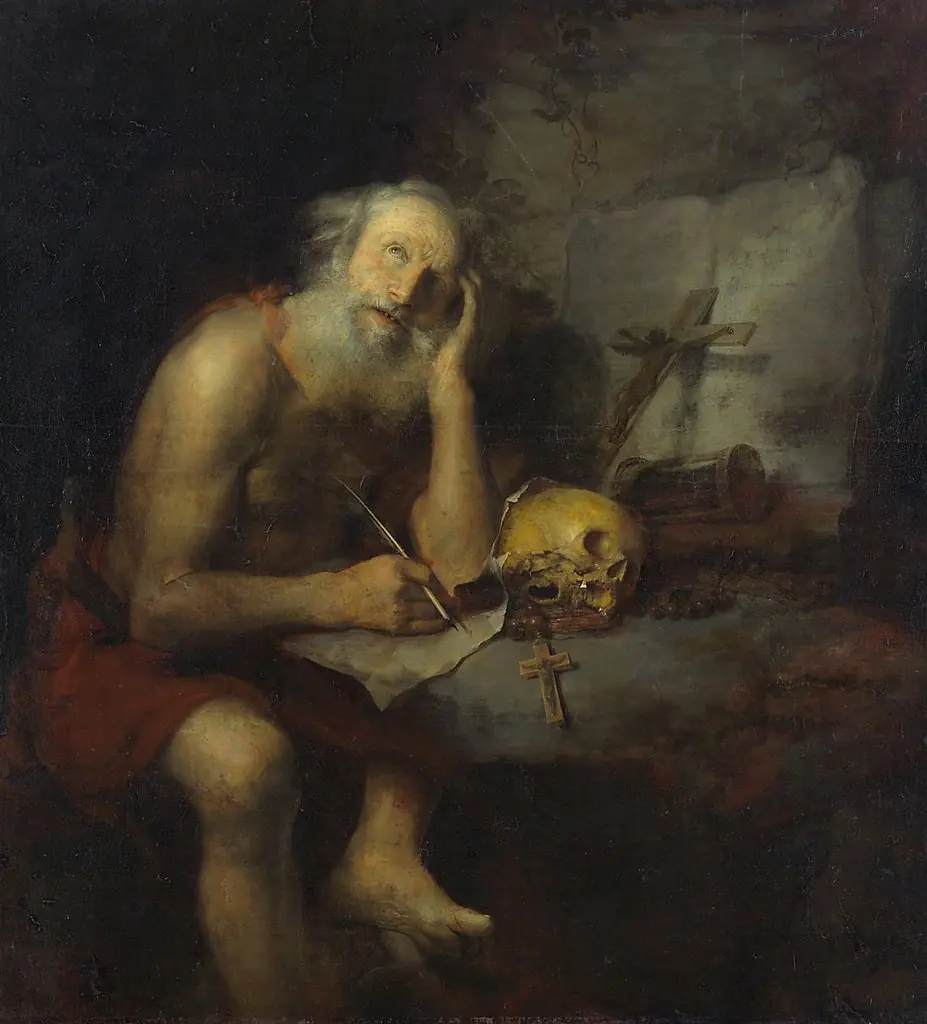
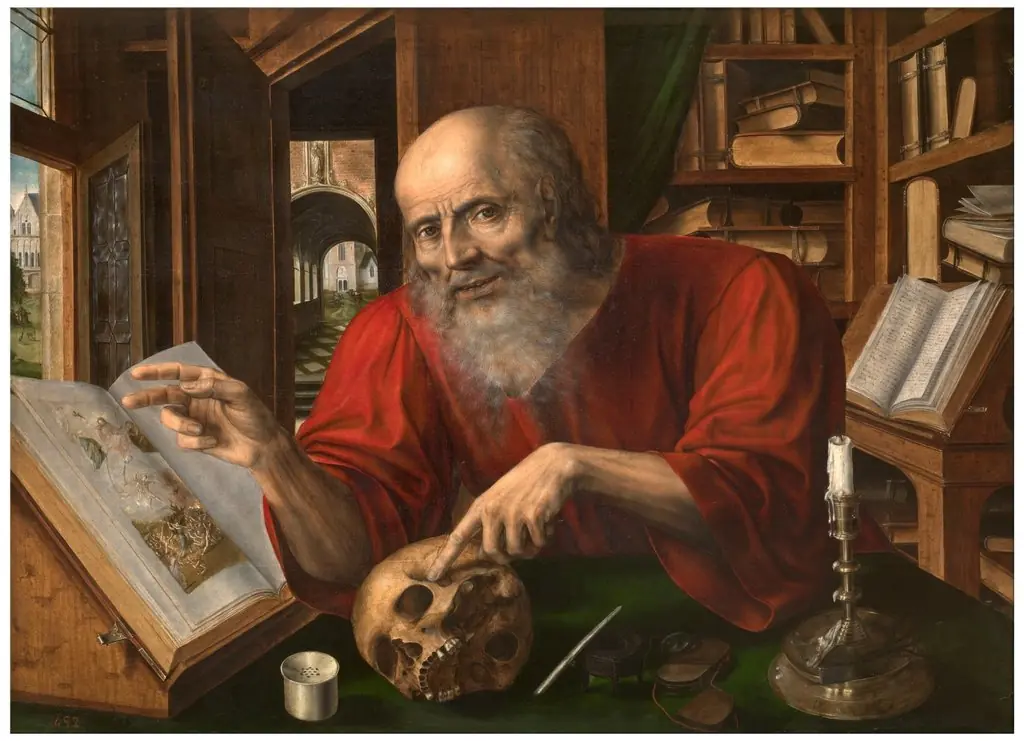
Saint Jerome is a oil painting by Caravaggio, dated around 1605‑06. It shows the saint in his study, a common theme for the period. The work is part of the collection at the Galleria Borghese in Rome.
The painting is also known as Saint Jerome Writing, highlighting the scholarly activity of the figure. Though no specific movement is attached, its Baroque roots are clear from the artist’s reputation.
museum: Galleria Borghese.
Overview
Painted around 1605–1606, this oil work by Caravaggio depicts Saint Jerome engaged in scholarly labor. It belongs to a series of depictions of the saint in his study, a popular subject in early 17th-century religious art. The painting is held in the Galleria Borghese in Rome, where it has remained since its creation. Its intimate scale and focused composition reflect Caravaggio’s shift toward quieter, more contemplative scenes during this phase of his career.
Subject & Meaning
The painting portrays Saint Jerome, the fourth-century theologian and translator of the Bible into Latin, seated at a desk surrounded by books and writing tools. He is shown in a moment of quiet concentration, emphasizing his role as a scholar and ascetic. The absence of dramatic action or celestial intervention underscores his human dedication to intellectual and spiritual labor, aligning with Counter-Reformation ideals of piety through study.
Technique & Style
Caravaggio employs his signature chiaroscuro to model the figure and objects with stark contrasts of light and shadow. The textures of parchment, leather, and stone are rendered with precise, tactile realism. The composition is tightly framed, drawing attention to the saint’s hands and the act of writing. The palette is muted, dominated by browns and ochres, reinforcing the study’s somber, introspective atmosphere.
History & Provenance
Commissioned by Cardinal Scipione Borghese, the painting entered the family collection shortly after its completion. It has remained in the Borghese holdings ever since, displayed in their Roman villa, now the Galleria Borghese. No records indicate prior ownership or relocation, suggesting it was installed in the cardinal’s private quarters soon after delivery, where its intimate scale suited personal devotion.
Context
During the early 1600s, depictions of Saint Jerome in his study were favored by Catholic patrons seeking to promote scholarly piety in response to Protestant critiques. Caravaggio’s version diverges from earlier, more ornate renditions by focusing on solitude and material realism. The painting reflects the broader Counter-Reformation emphasis on personal devotion, intellectual rigor, and the sanctity of textual study.
Legacy
This work exemplifies Caravaggio’s mature style—restrained, psychologically acute, and grounded in physical presence. Though less celebrated than his more dramatic scenes, it influenced later artists drawn to quiet religious introspection. Its enduring presence in the Borghese collection underscores its value as a quiet yet powerful testament to the dignity of contemplative labor in Baroque art.
Own this work as a print
Artist & collection
Artist
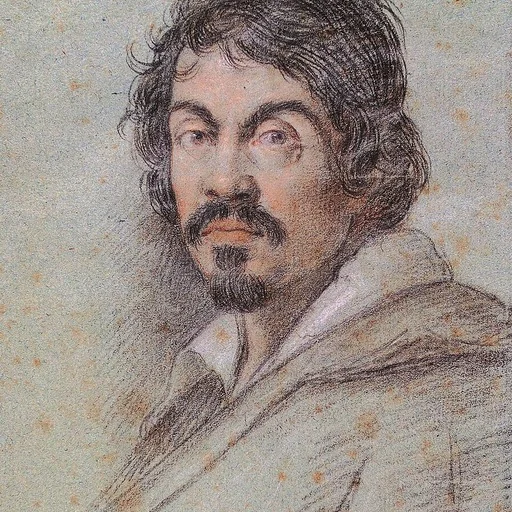
Michelangelo Merisi da Caravaggio (also Michele Angelo Merigi or Amerighi da Caravaggio; 29 September 1571 – 18 July 1610), known mononymously as Caravaggio, was an Italian painter active in Rome for most of his artistic life.