Artwork
A Roman Woman in Fancy Dress
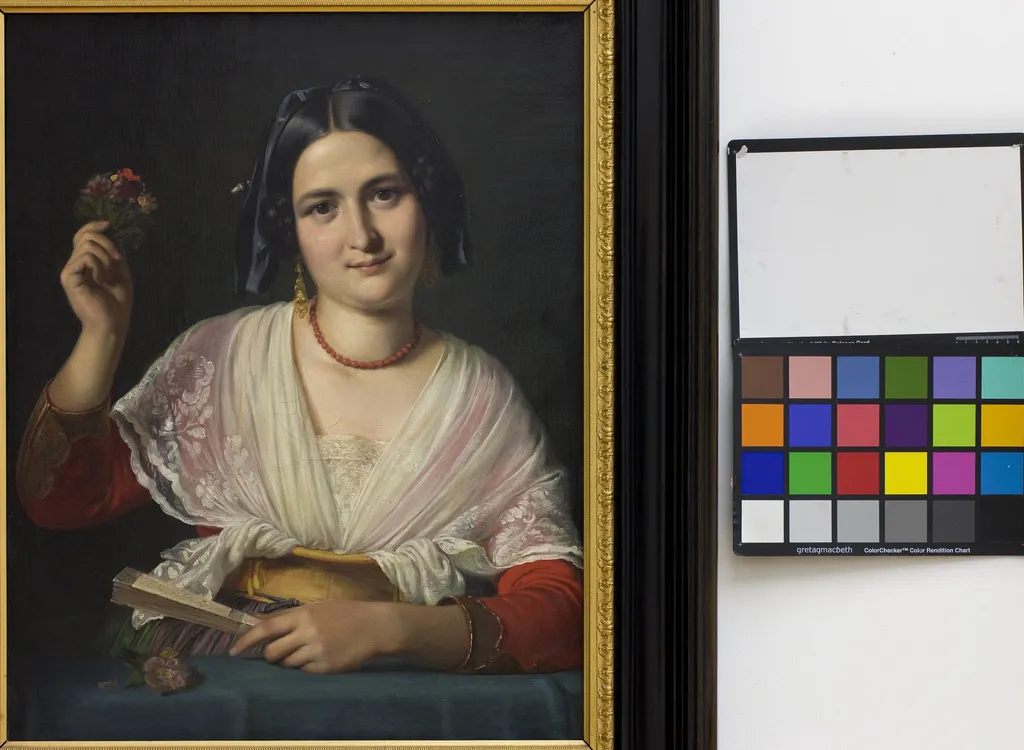
A Roman Woman in Fancy Dress is a photography by the Romanticist artist Unknown. It dates from 1847 and is held in the collection of the Statens Museum for Kunst. Painted in 1847, this work presents a fictionalized portrait of a Roman woman, rendered in the Romantic style.
About this work
Overview
Though labeled as a historical subject, the figure is not based on archaeological evidence but rather on 19th-century imaginings of antiquity.
Painted in 1847, this work presents a fictionalized portrait of a Roman woman, rendered in the Romantic style. Though labeled as a historical subject, the figure is not based on archaeological evidence but rather on 19th-century imaginings of antiquity. The painting resides in the Museum of Ethnography, where it reflects broader European interests in reconstructing ancient cultures through aesthetic interpretation rather than scholarly reconstruction.
Subject & Meaning
The woman is depicted in an idealized Roman costume—a red underdress covered by a white shawl, accented with red jewelry and a single flower. Her direct gaze and poised posture suggest self-possession, while the exoticized attire evokes a romanticized vision of antiquity. The composition avoids narrative context, focusing instead on atmosphere and emotional resonance, characteristic of Romantic-era portrayals of the past as a realm of beauty and mystery.
Technique & Style
The artist employs chiaroscuro to heighten contrast between the subject’s vivid garments and the dark, indistinct background. Brushwork is smooth and controlled, emphasizing texture in fabric and jewelry without overt detail. The color palette—dominated by reds and whites against deep shadows—draws from Romantic conventions that prioritized mood over historical accuracy, aligning the work with contemporary trends in historical fantasy painting.
History & Provenance
The painting was completed in 1847 by an artist associated with the Romantic movement, though the creator’s full identity remains unverified in public records. It entered the collection of the Museum of Ethnography in the late 19th century, likely acquired as an example of how Western artists interpreted ancient cultures. Its classification within an ethnographic institution underscores its role as a cultural artifact of 19th-century imagination rather than a document of Roman life.
Context
During the mid-19th century, European artists frequently turned to antiquity for inspiration, often blending archaeological fragments with literary sources and personal fantasy. This painting reflects that trend, aligning with contemporaneous works that portrayed Romans as embodiments of elegance and emotional depth. Such images served more to express contemporary ideals than to convey historical truth, revealing the period’s fascination with reconstructing the past through sentiment.
Legacy
Though not a record of actual Roman dress or customs, the painting endures as a representative example of how 19th-century audiences visualized antiquity. It illustrates the influence of Romanticism on historical representation and remains a point of reference in discussions about the intersection of art, identity, and myth-making in the study of ancient cultures.
Artist & collection

 Domestic Scene
 Giacomo and Cardinal Marco, investing Andrea, Abbot of San Zeno, with his Benefice
 The Nymph of Fontainebleau
 Portrait of a Woman
 Madonna and Child with Saints in the Enclosed Garden
 Venus and Minerva
 Family Group of Four on Sofa
 Wall painting from Room H of the Villa of P. Fannius Synistor at Boscoreale
 A Sleeping Saleswoman
 Interior
 Lukeva eukko
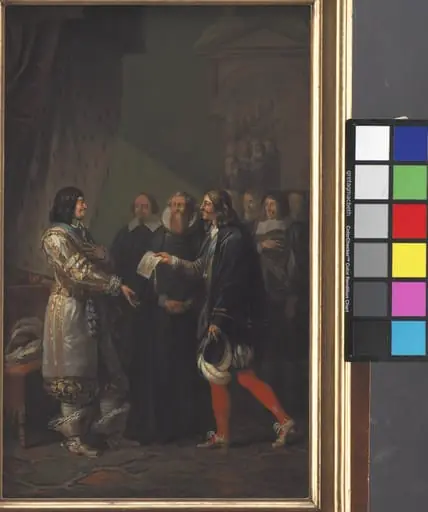 Absolute Monarchy Assigned to Frederik III in 1660
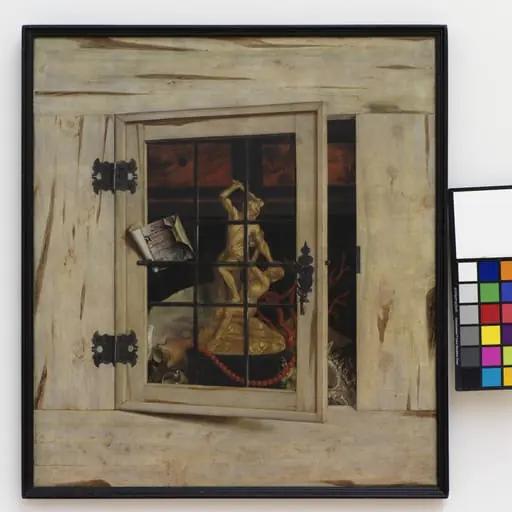 Trompe l'Oeil. An Open Cabinet of Curiosities with a Hercules Group
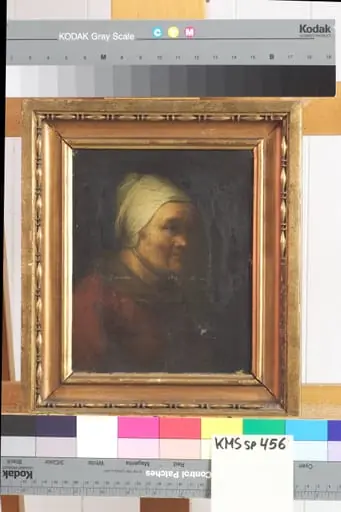 An Old Woman
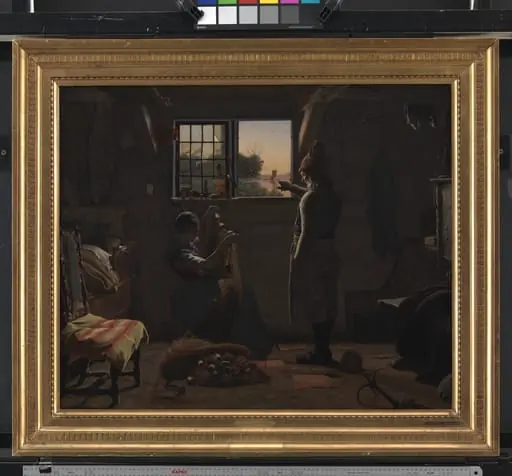 En fisker viser sin datter en bortsejlende båd
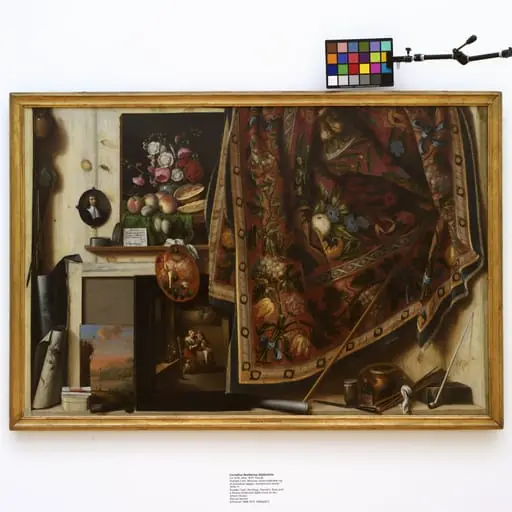 Trompe l'oeil. A Cabinet in the Artist's Studio
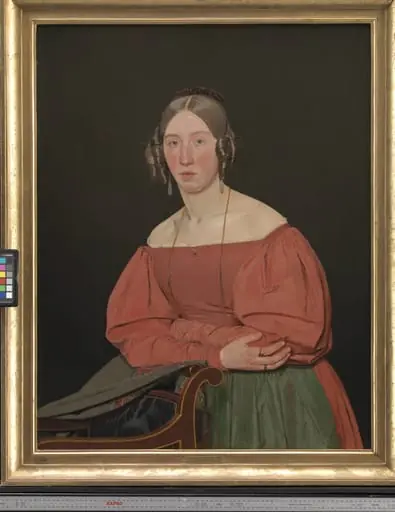 Portrait of the Artist´s Sister, Cecilie Margrethe Petersen, née Købke
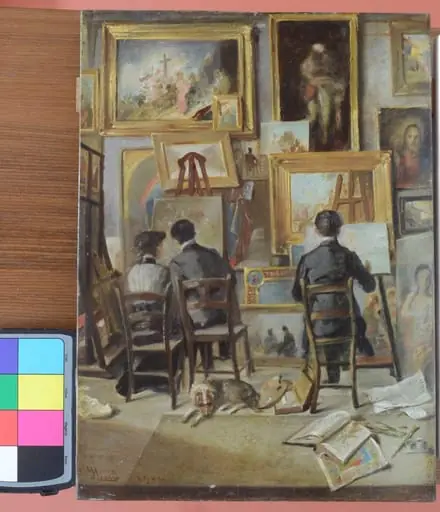 Interior de atelier
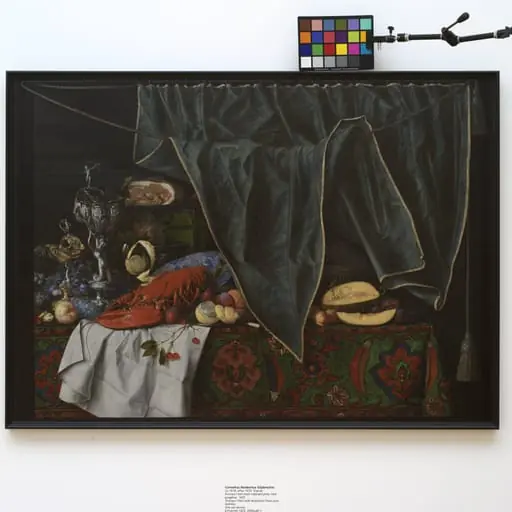 Trompe l'Oeil with Breakfast Piece and Goblets
 Portræt af Holger Aagaard Hammerich som 4-årig