Artwork
David with the Head of Goliath
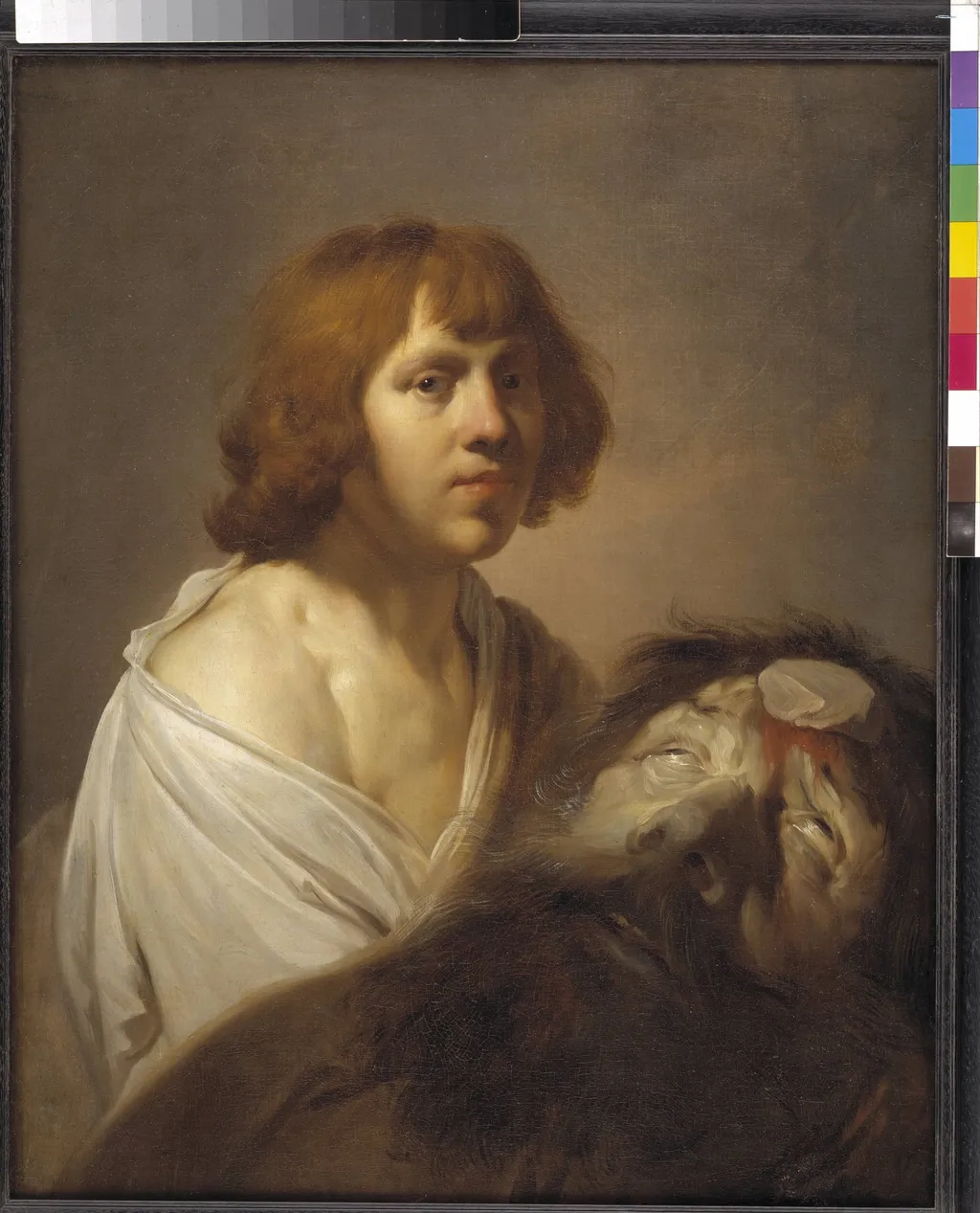
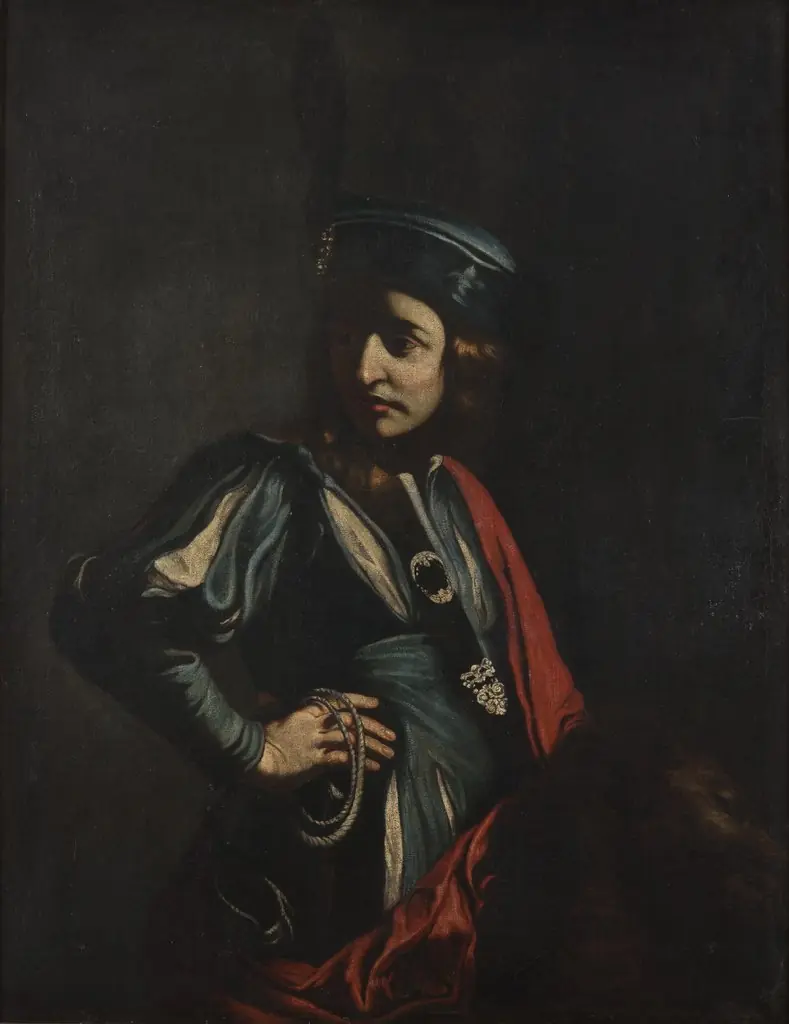
David with the Head of Goliath is a photography by Unknown. It dates from 1637 and is held in the collection of the Statens Museum for Kunst. Painted around 1637, this work depicts David holding the severed head of Goliath, wrapped in cloth.
About this work
Overview
Soft, directional lighting emphasizes the contours of the face and hair, drawing attention to the quiet gravity of the moment.
Painted around 1637, this work depicts David holding the severed head of Goliath, wrapped in cloth. The figure is rendered in a loose white garment, set against a dark, unadorned background. Soft, directional lighting emphasizes the contours of the face and hair, drawing attention to the quiet gravity of the moment. The painting’s simplicity and focus suggest a contemplative tone rather than a dramatic narrative.
Subject & Meaning
The scene references the biblical story of David’s victory over the giant Goliath, but the portrayal avoids triumphalism. David’s solemn expression and the restrained handling of the bloody cloth suggest introspection, perhaps reflecting on the cost of violence. The act of holding the head becomes less a symbol of conquest and more an intimate, somber encounter with mortality.
Technique & Style
The artist employs chiaroscuro to model form with subtle gradations of light and shadow, enhancing the three-dimensionality of David’s face and the bundled cloth. The palette is restrained, dominated by muted tones with a single red stain indicating blood. Brushwork is controlled, avoiding theatricality; the focus remains on texture, volume, and the quiet psychological presence of the figure.
History & Provenance
The painting has been held by the Museum of Ethnography since at least the early 20th century. Its origins prior to this are not well documented, and its attribution to a specific artist remains uncertain. The work’s unusual context within an ethnographic collection suggests it may have been acquired as part of a broader grouping of religious or narrative imagery from diverse cultural traditions.
Context
Created in the mid-17th century, this image aligns with a broader European trend of depicting biblical figures with psychological depth rather than idealized heroism. While contemporaries like Caravaggio explored similar themes with greater intensity, this version strips away spectacle, favoring stillness and ambiguity. Its placement in an ethnographic museum may reflect early modern efforts to classify religious imagery as cultural artifact.
Legacy
Though not widely reproduced or studied in mainstream art history, the painting offers a quiet counterpoint to more dramatic renditions of the David and Goliath story. Its restrained aesthetic and enigmatic mood invite contemplation over narrative clarity, making it a subtle example of how biblical themes were interpreted with personal and emotional nuance in early modern visual culture.
Artist & collection

 Domestic Scene
 Giacomo and Cardinal Marco, investing Andrea, Abbot of San Zeno, with his Benefice
 The Nymph of Fontainebleau
 Portrait of a Woman
 Madonna and Child with Saints in the Enclosed Garden
 Venus and Minerva
 Family Group of Four on Sofa
 Wall painting from Room H of the Villa of P. Fannius Synistor at Boscoreale
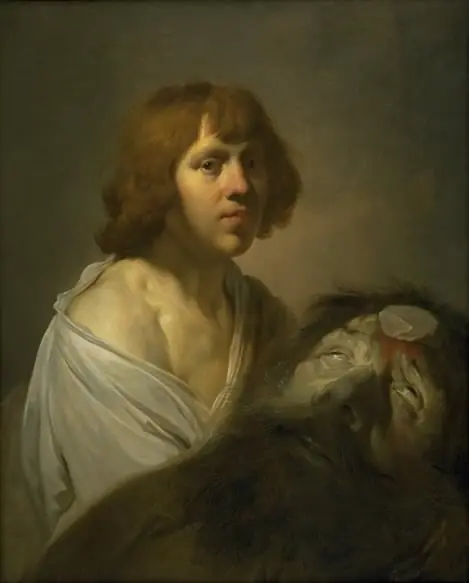 David with the Head of Goliath
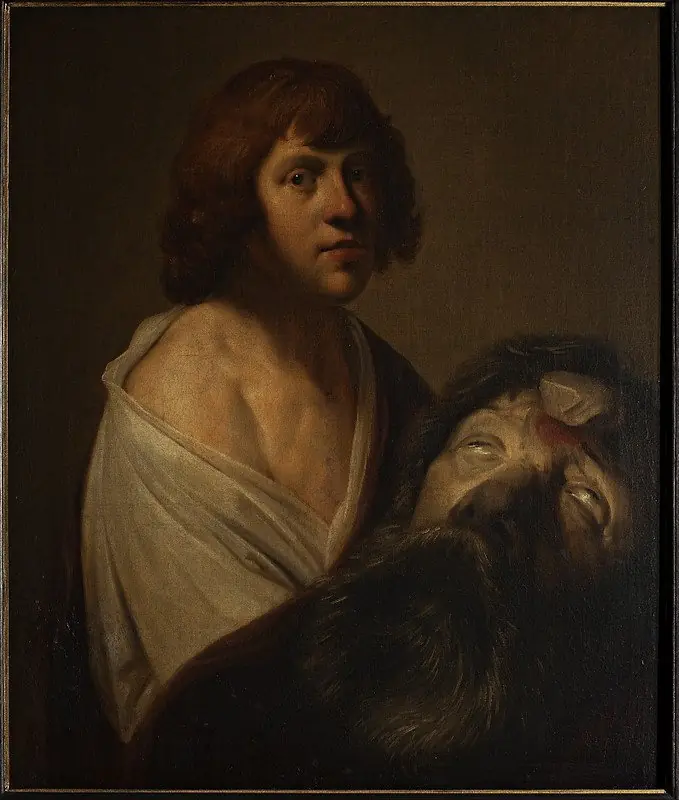 David with Goliath’s head
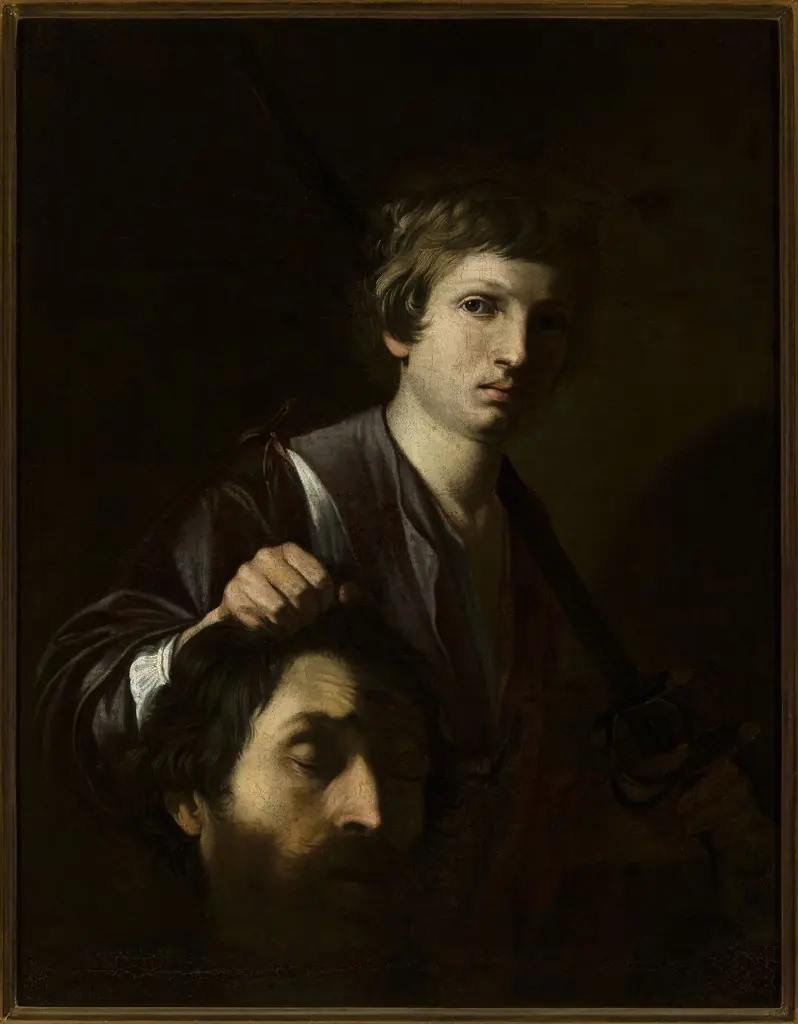 David with Goliath’s head
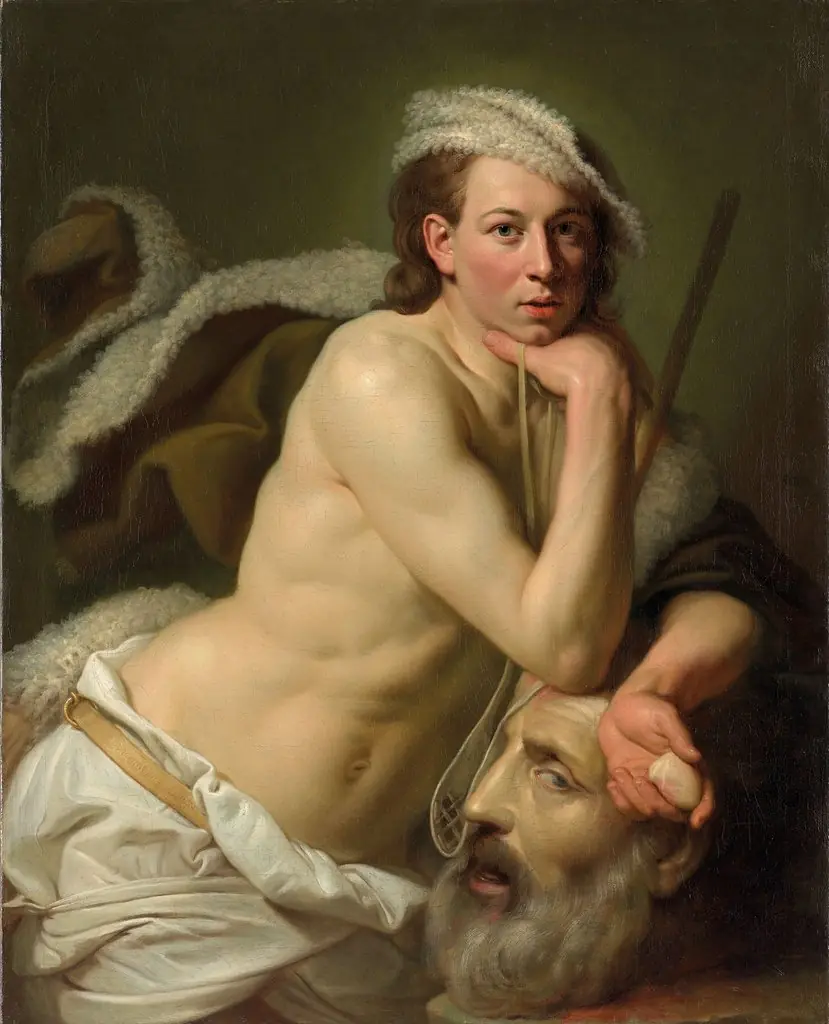 Self-portrait as David with the head of Goliath
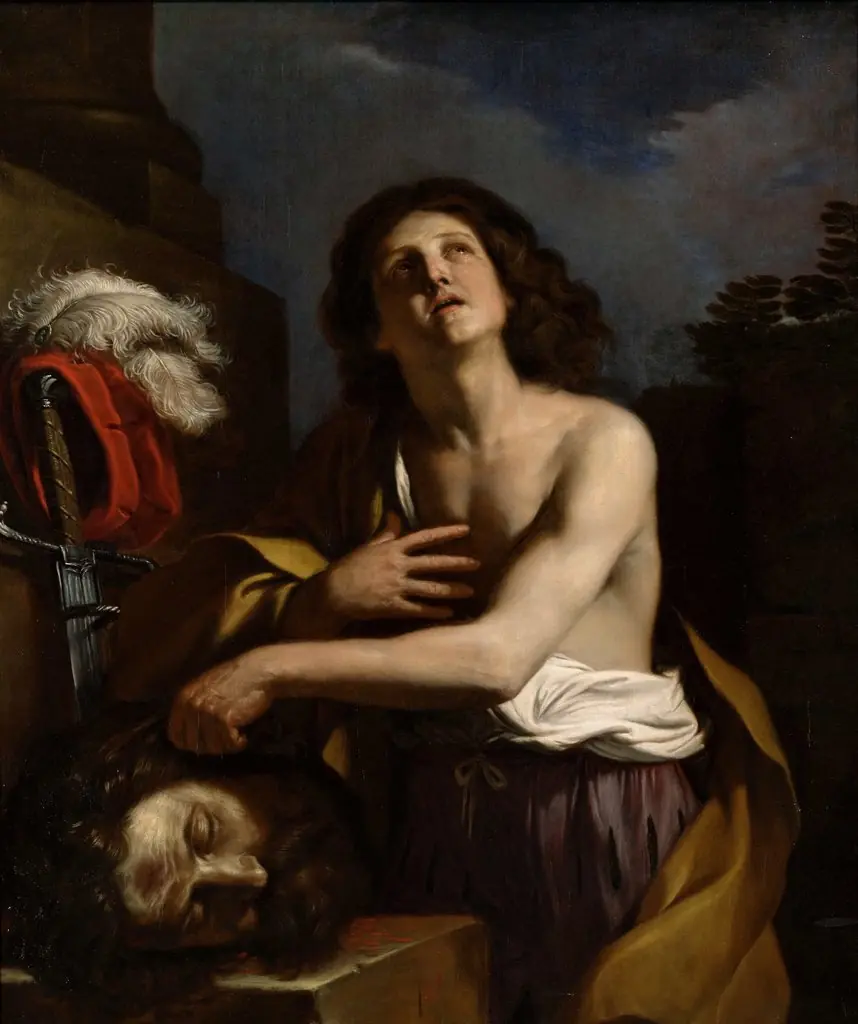 David with the Head of Goliath
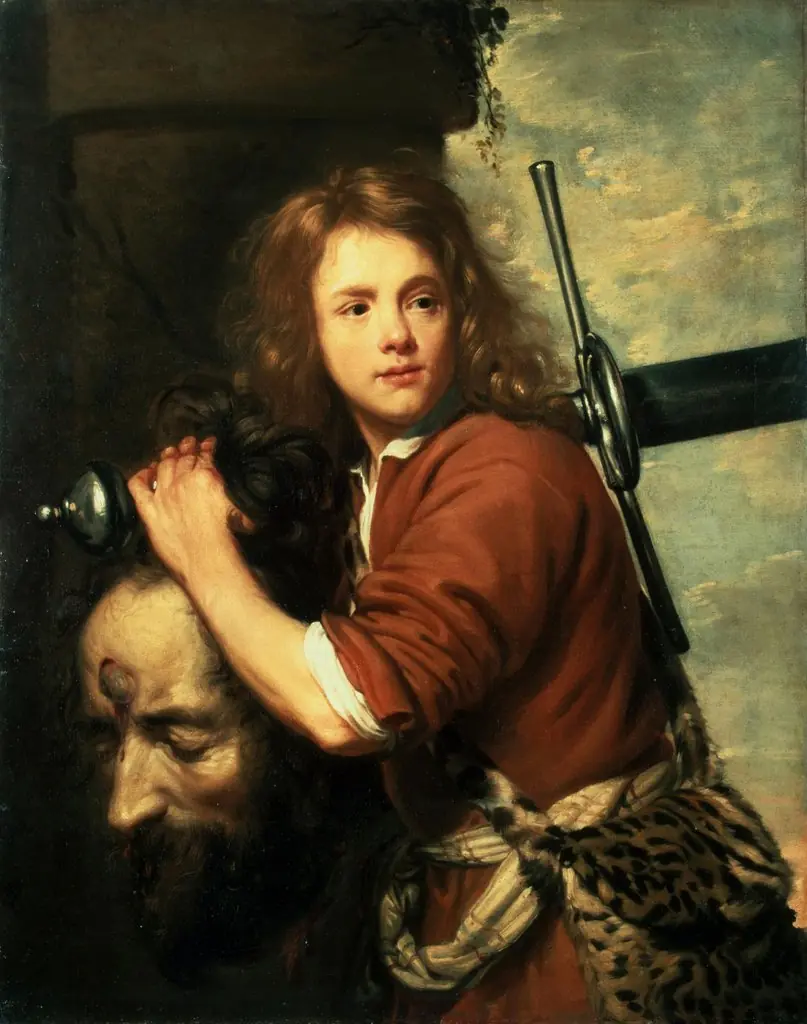 David Bearing the Head of Goliath
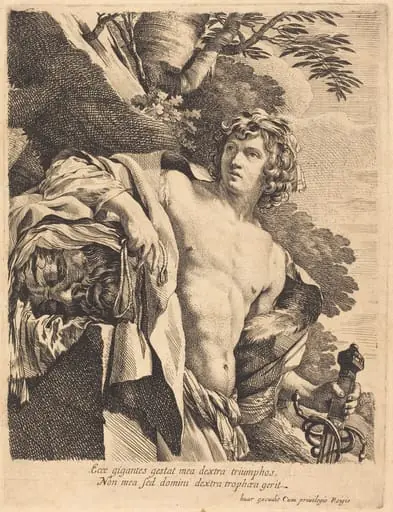 David with the Head of Goliath
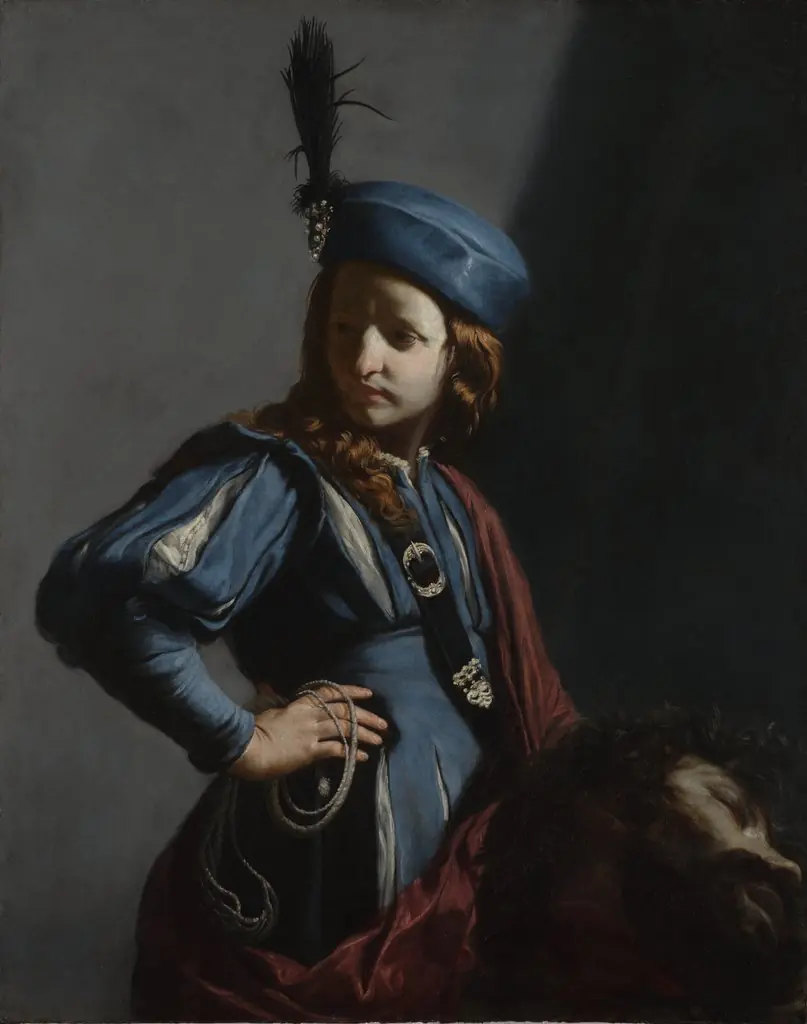 David with the Head of Goliath
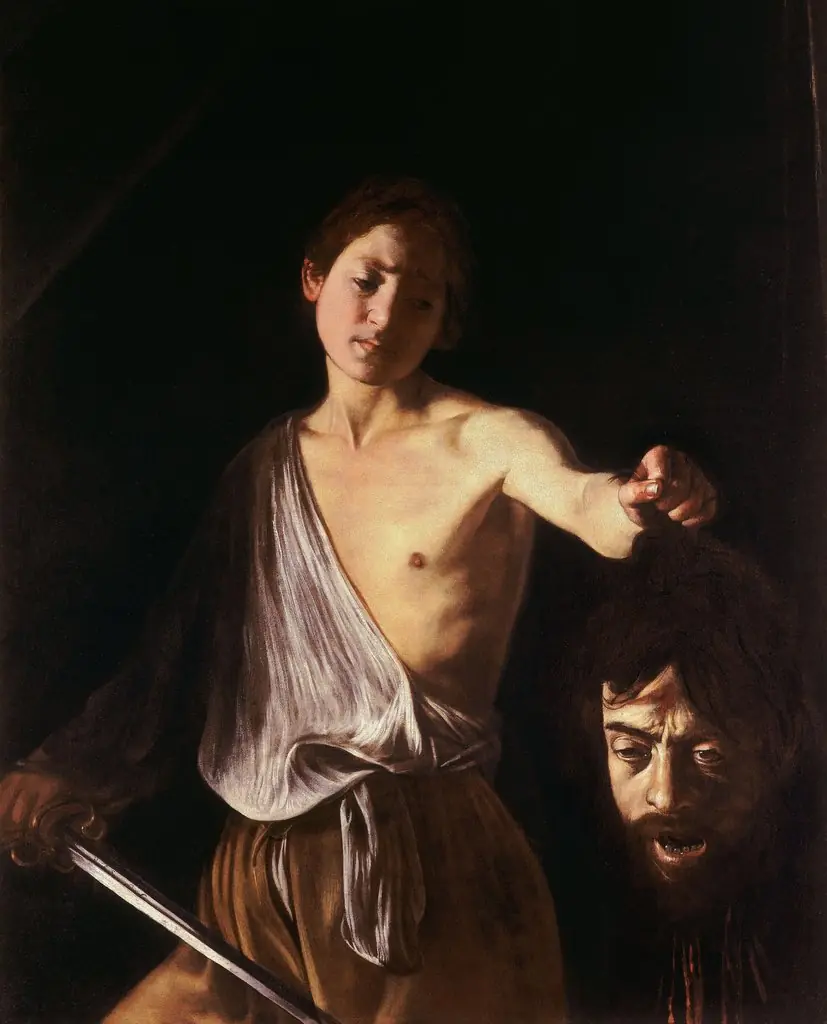 David with the Head of Goliath
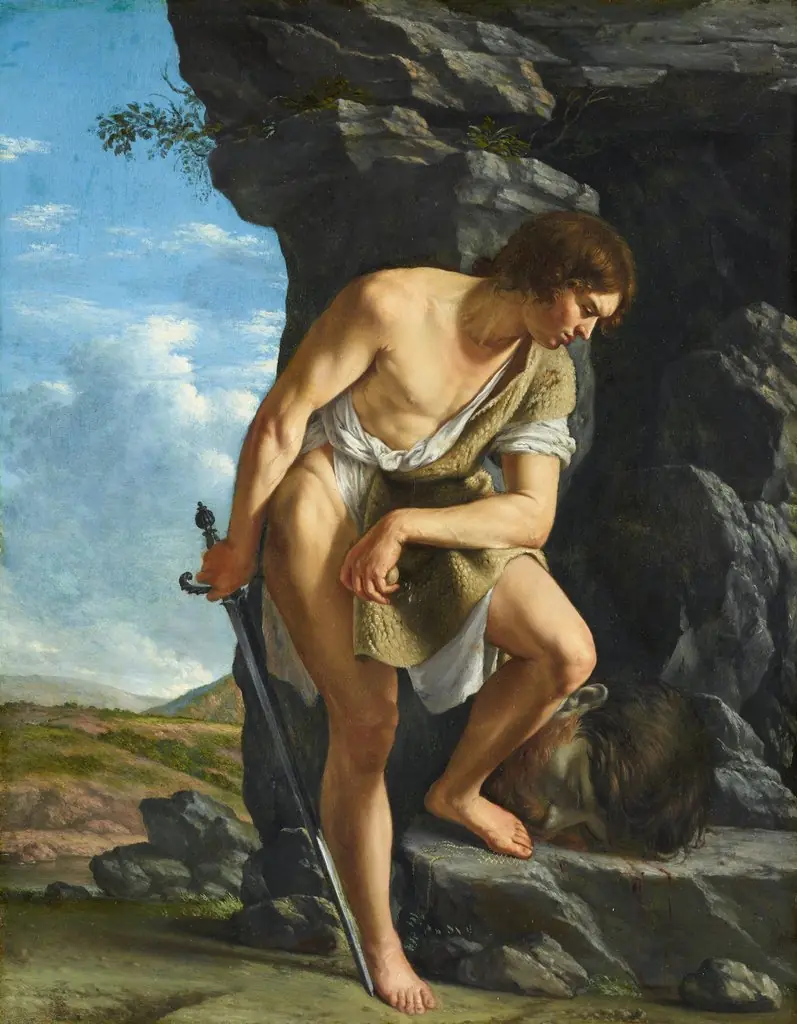 David Contemplating the Head of Goliath
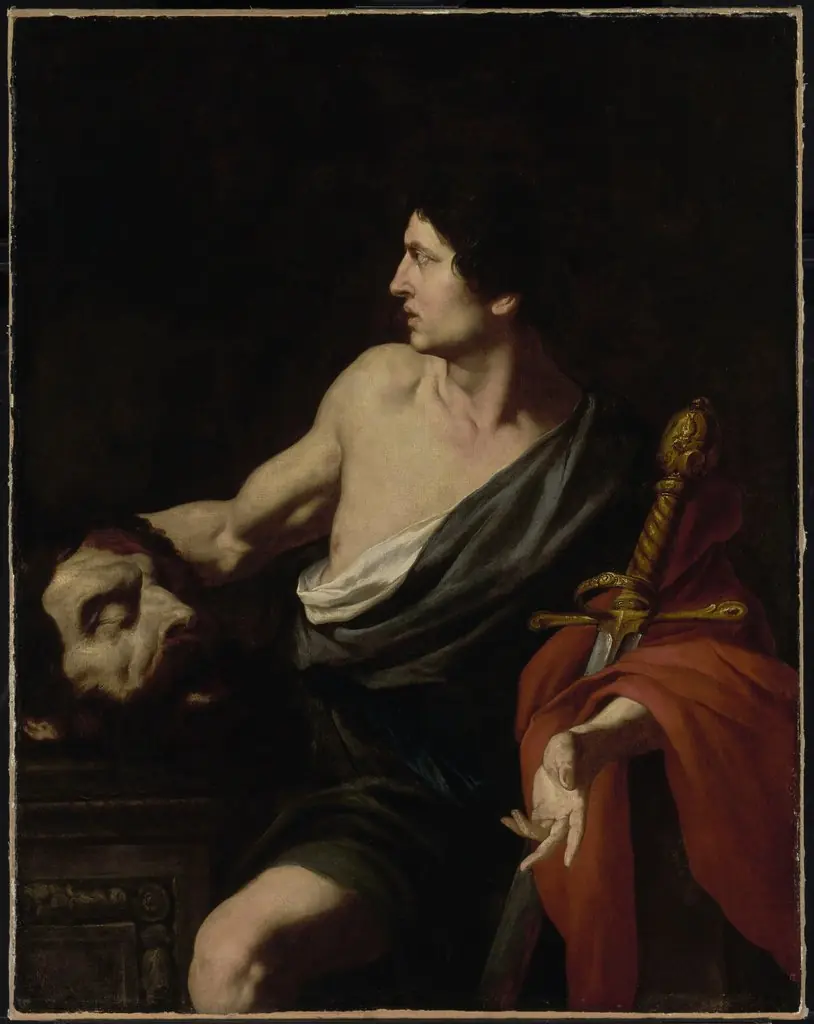 David with the Head of Goliath
 David with the Head of Goliath