Artwork
David with the Head of Goliath
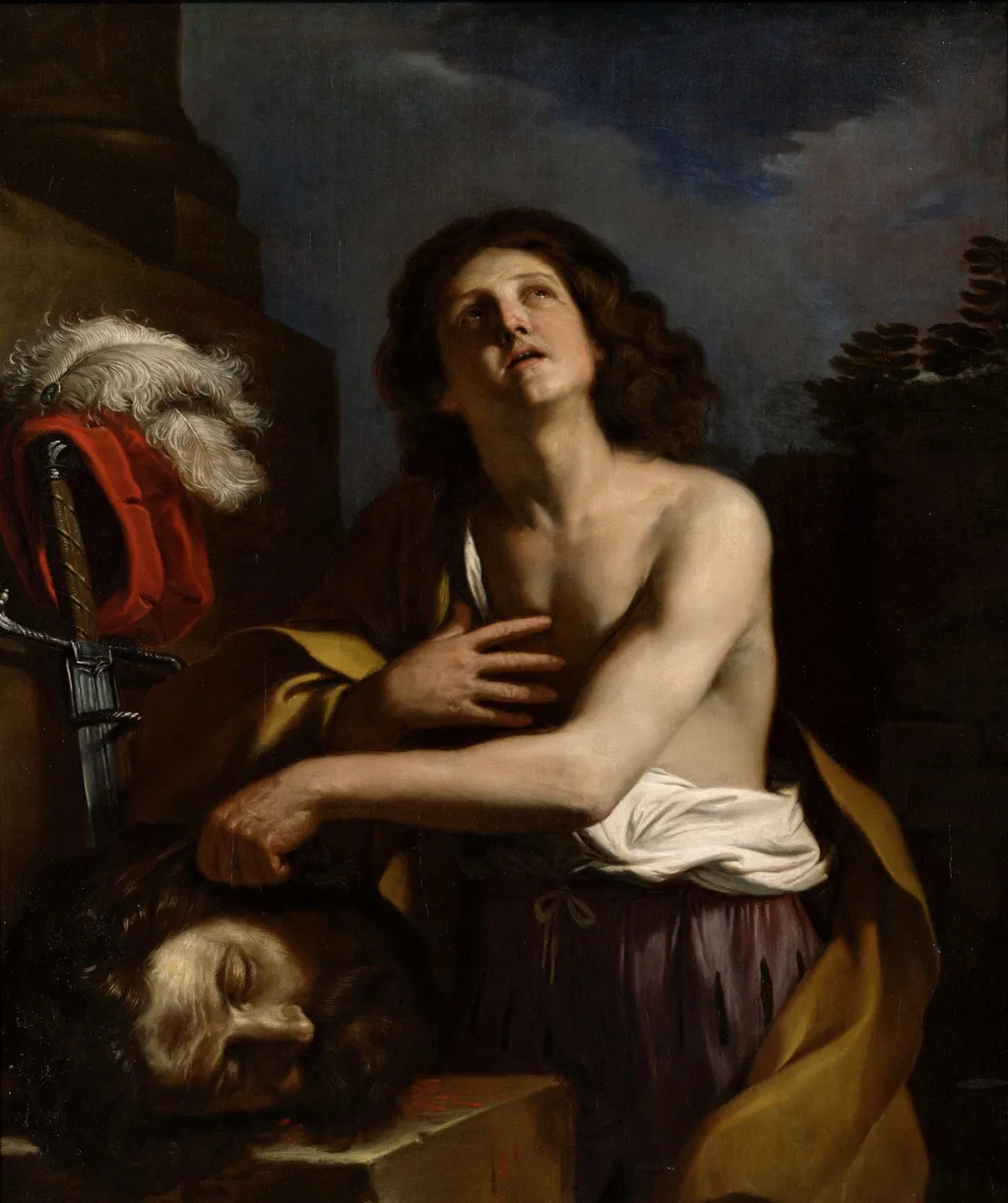
David with the Head of Goliath is an oil painting by the Early Baroque Italian artist Guercino. It dates from 1650 and is held in the collection of the National Museum of Western Art.
About this work
Overview
Guercino’s oil painting titled *David with the Head of Goliath* dates to circa 1650. Executed during the early Italian Baroque, the work shows the biblical hero David after his victory, holding the severed head of Goliath. The canvas is part of the National Museum of Western Art’s collection.
Subject & Meaning
The composition presents a youthful, shirtless David standing in a dim landscape. He holds the fallen giant’s head on a stone plinth, his right hand placed over his chest and his gaze lifted upward, suggesting contemplation of divine providence and the moral weight of triumph.
Technique & Style
Guercino employs strong chiaroscuro, contrasting a luminous foreground with a shadowy sky and distant trees. The figure’s musculature is rendered with confident draftsmanship, while the draped white cloth and brown mantle create a balanced, classical silhouette that reflects the artist’s shift from vigorous naturalism to measured compositional harmony.
History & Provenance
Created while Guercino was active between Rome and Bologna, the painting exemplifies his reputation for dynamic yet controlled scenes. After changing hands over the centuries, it entered the National Museum of Western Art, where it remains on display.
Own this work as a print
Artist & collection
Artist
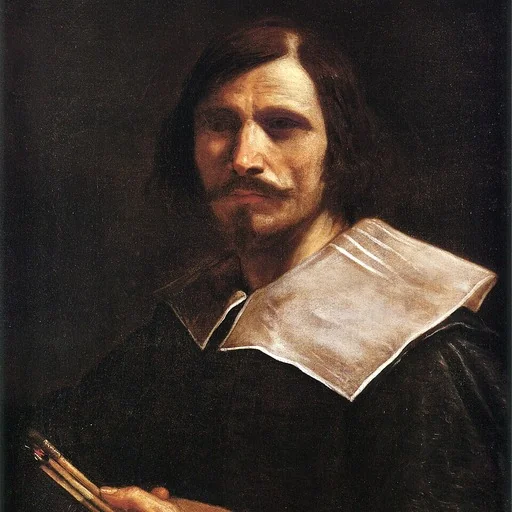
Giovanni Francesco Barbieri (8 February 1591 – 22 December 1666), better known as (il) Guercino (Italian pronunciation: ), was an Italian Baroque painter and draftsman from Cento in the Emilia region, who was active in Rome and Bologna.

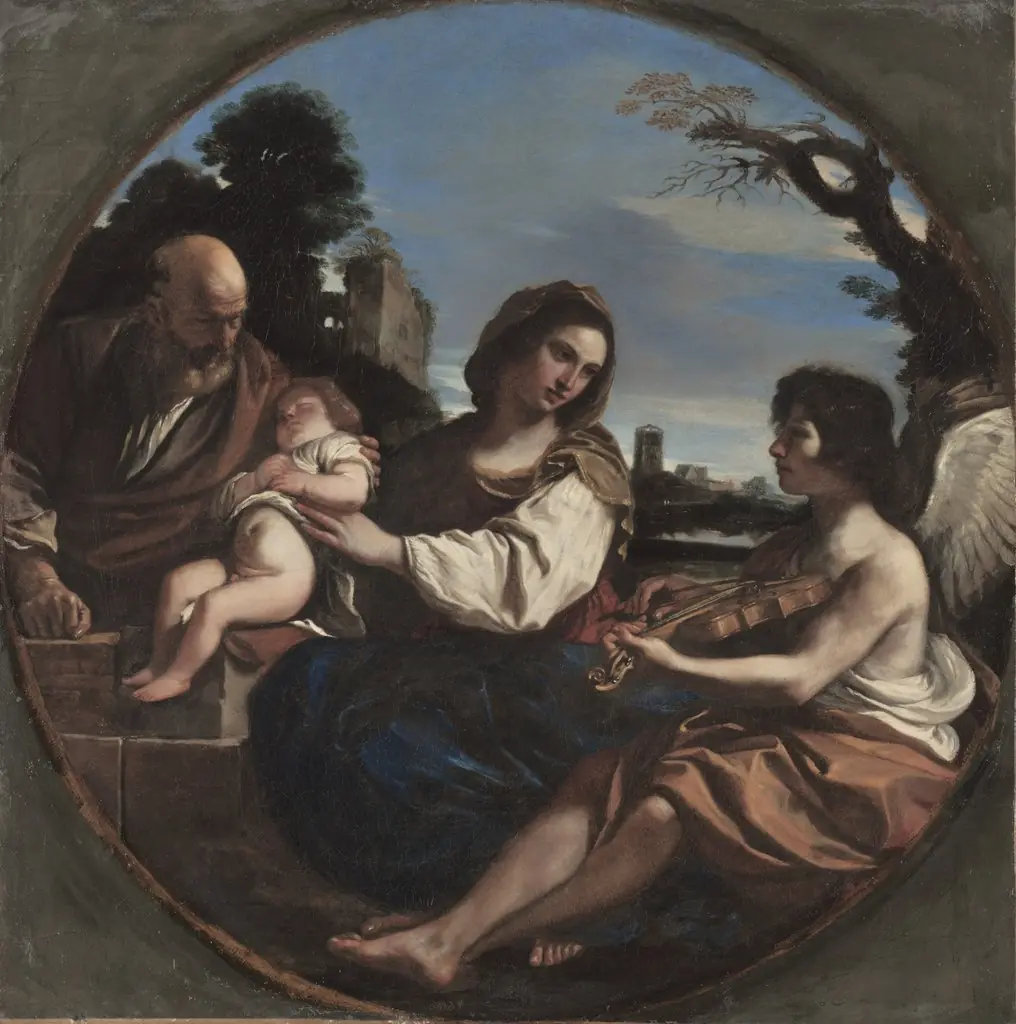
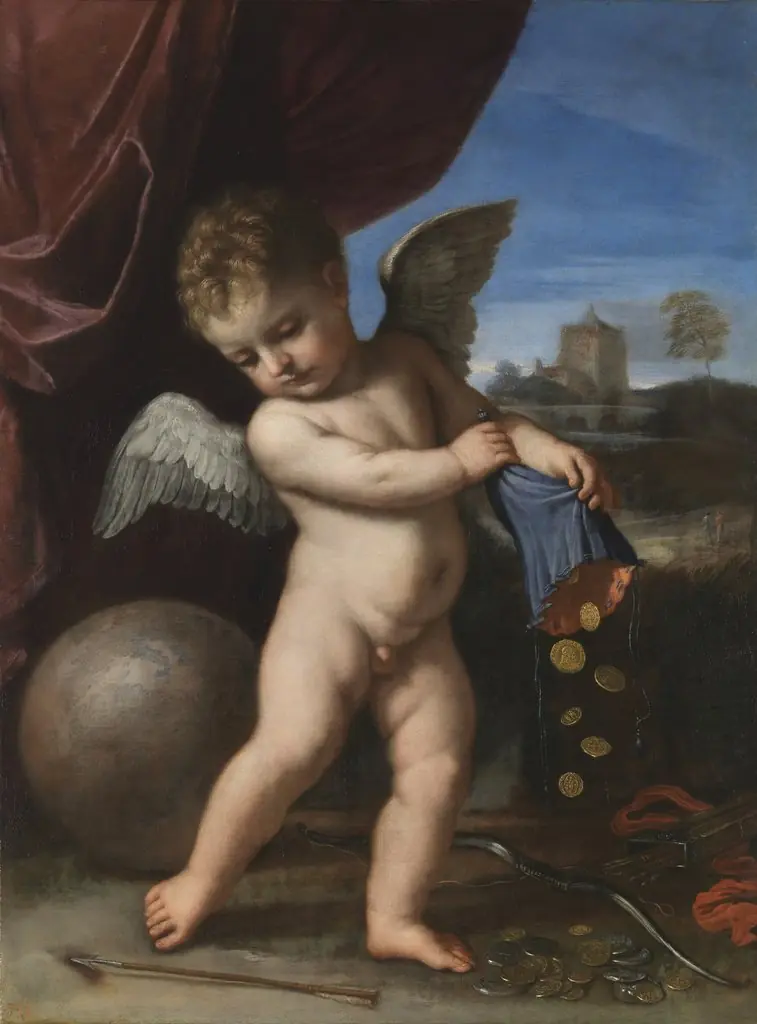
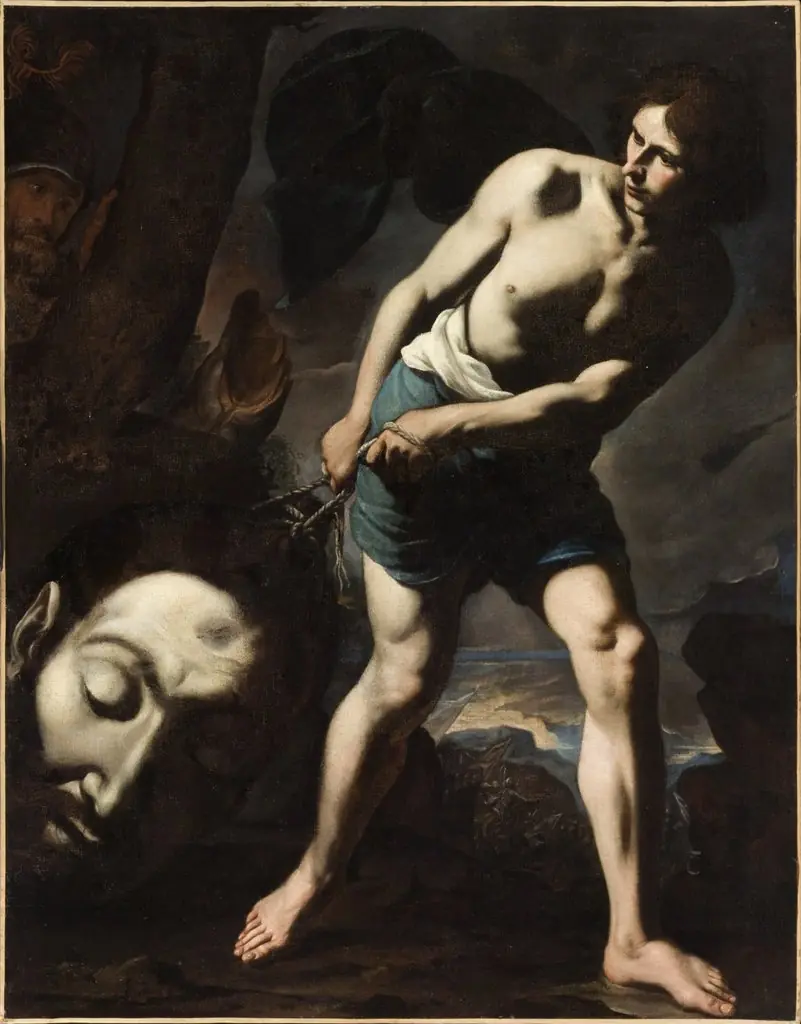 David with the Head of Goliath
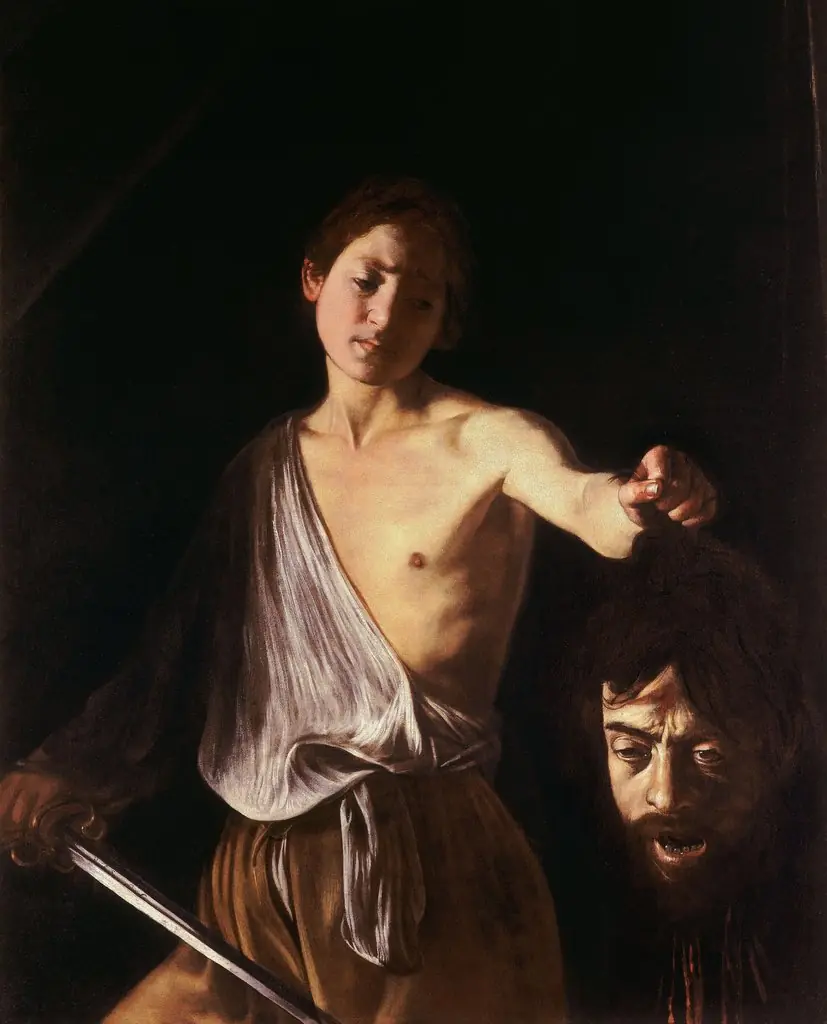 David with the Head of Goliath
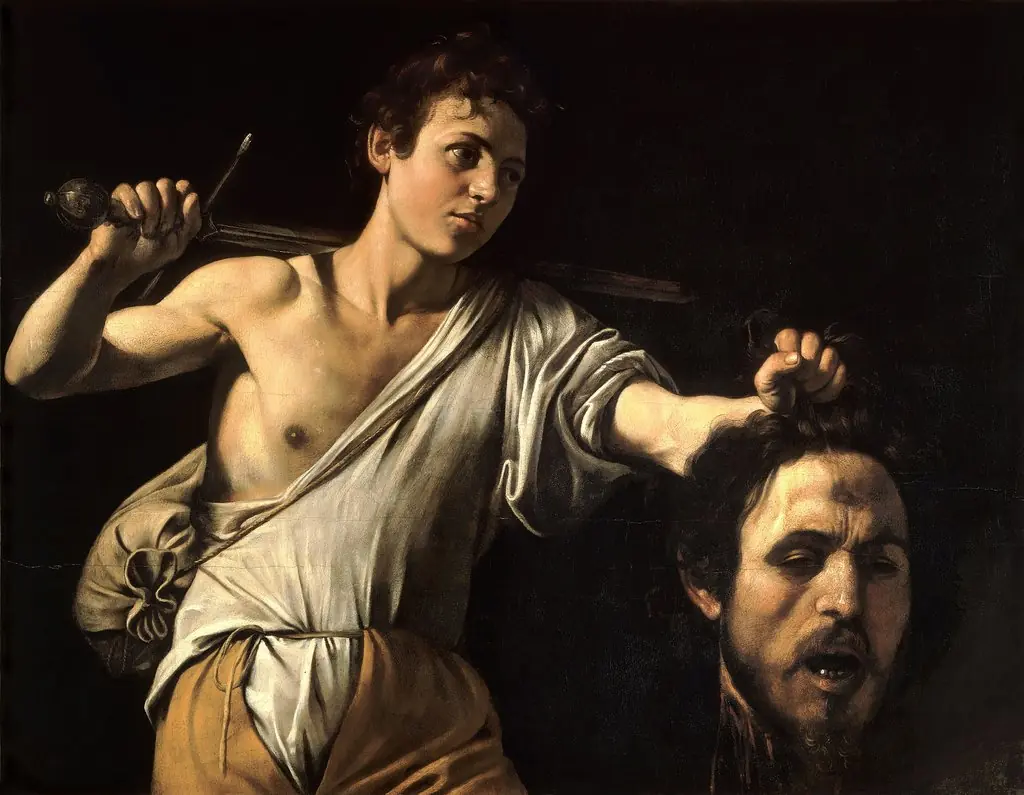 David with the Head of Goliath
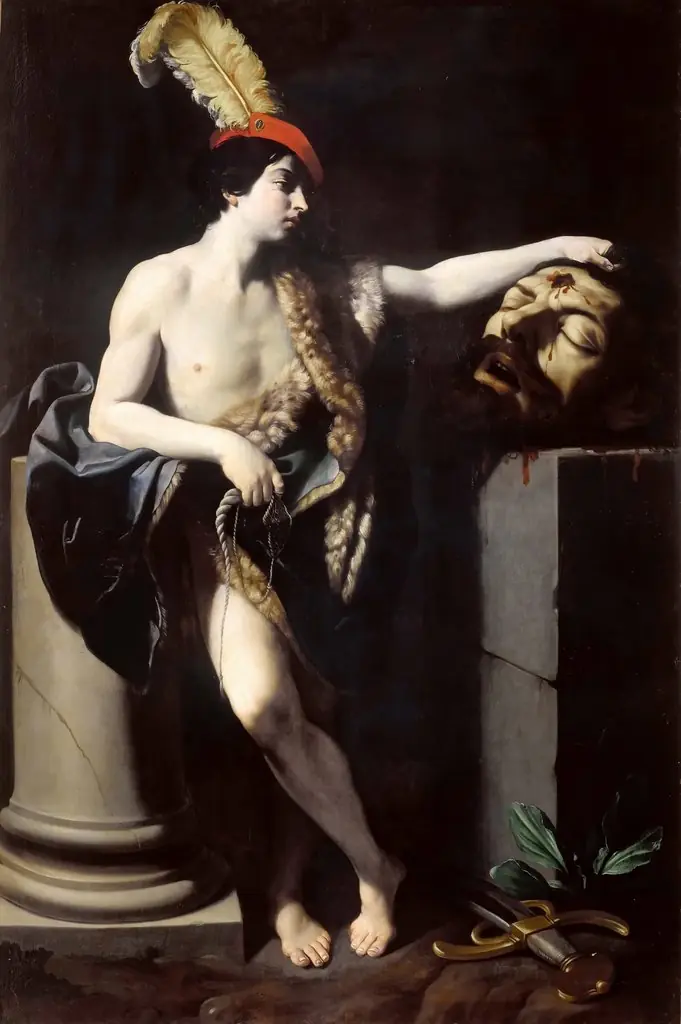 David with the Head of Goliath
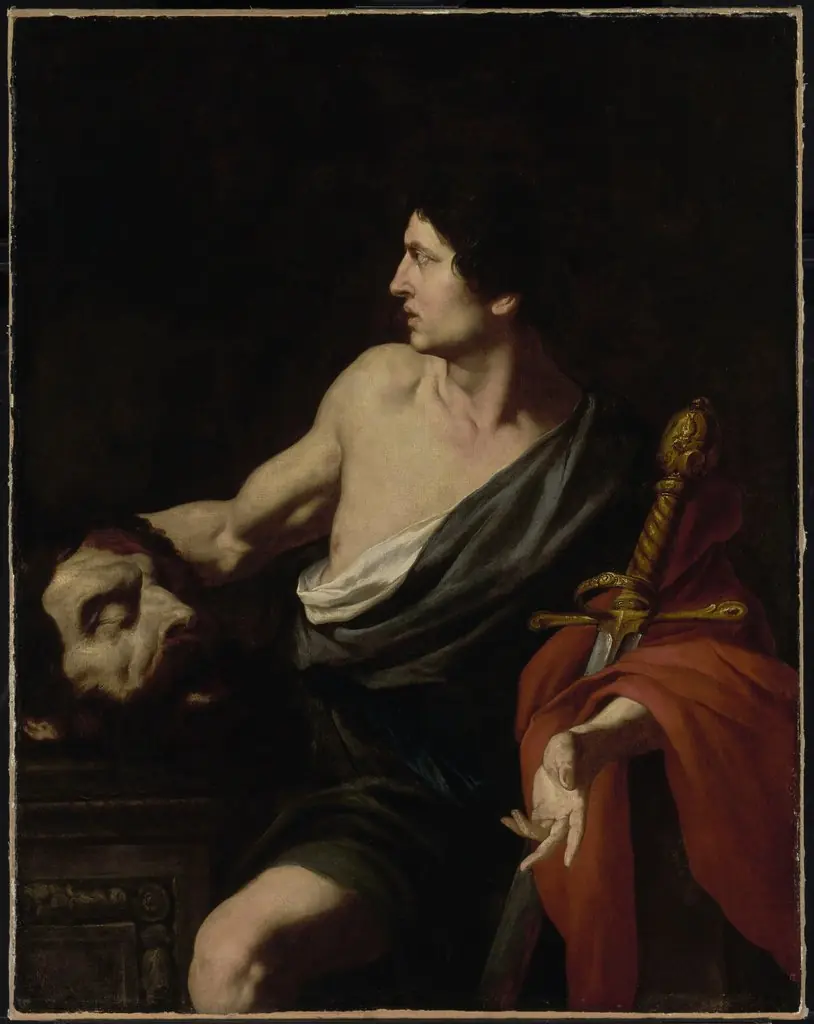 David with the Head of Goliath
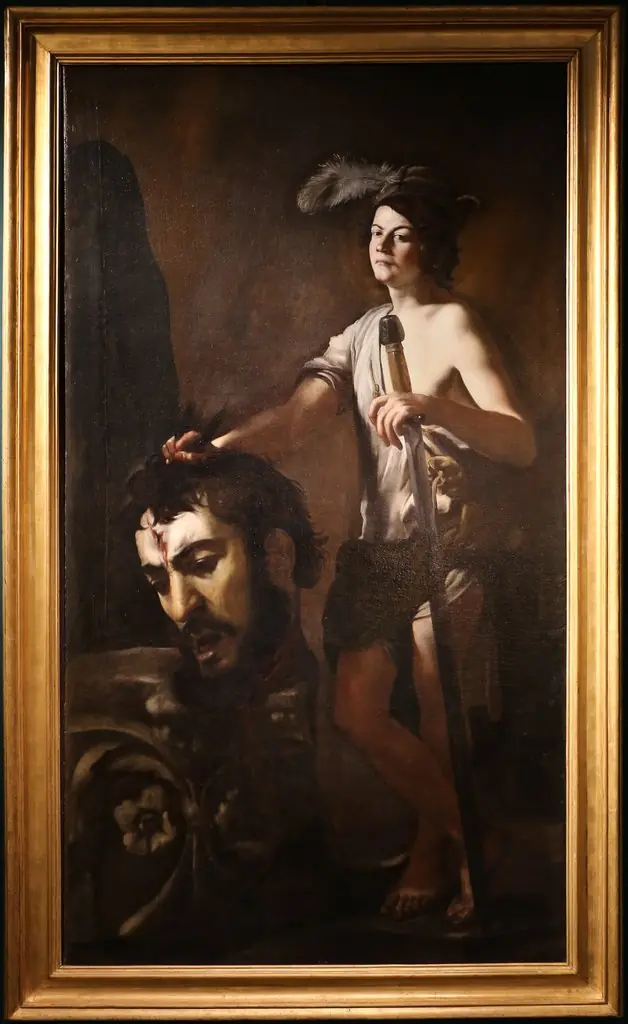 David with Goliath's head
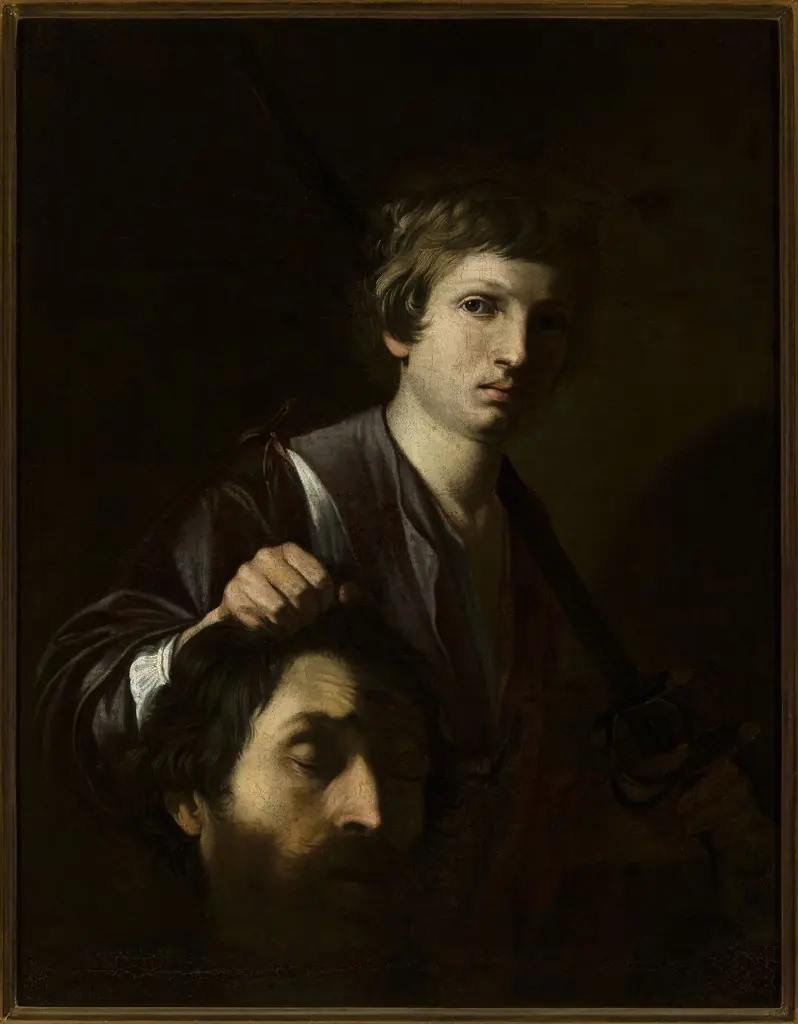 David with Goliath’s head
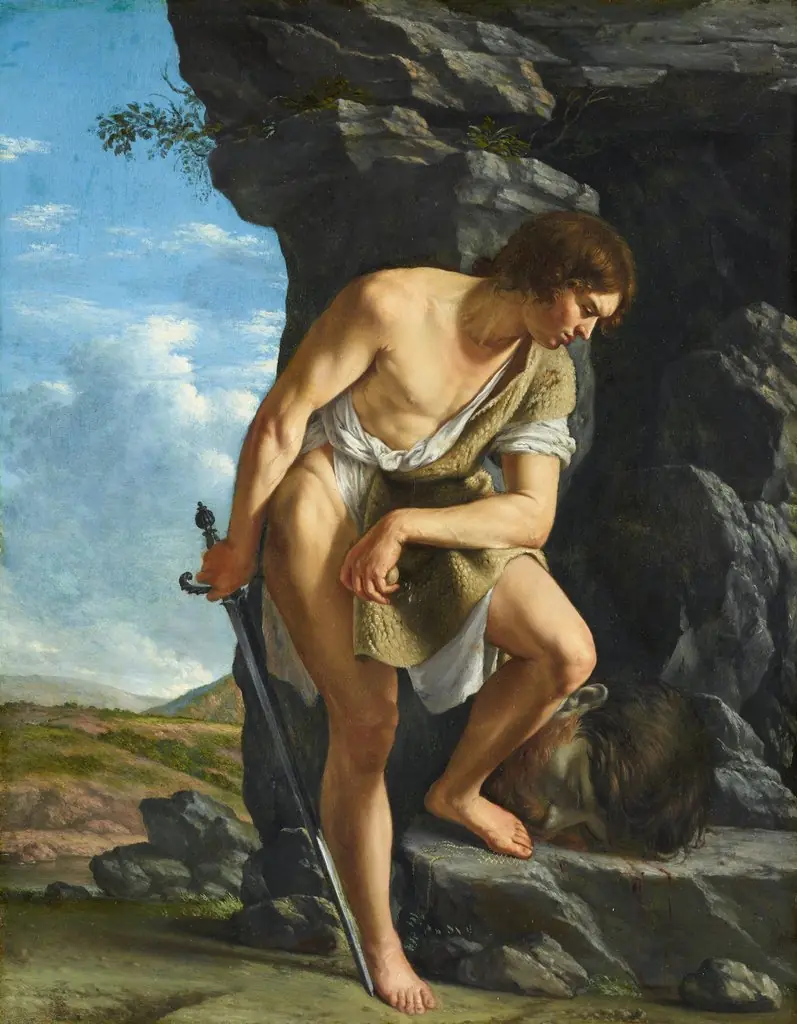 David Contemplating the Head of Goliath
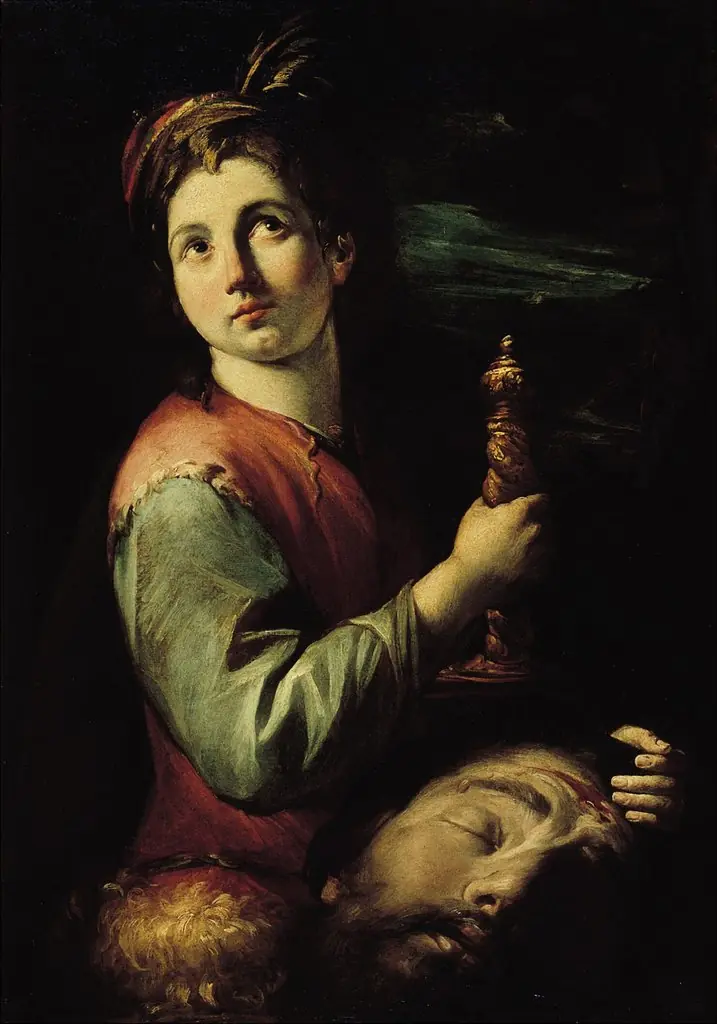 David with the Head of Goliath
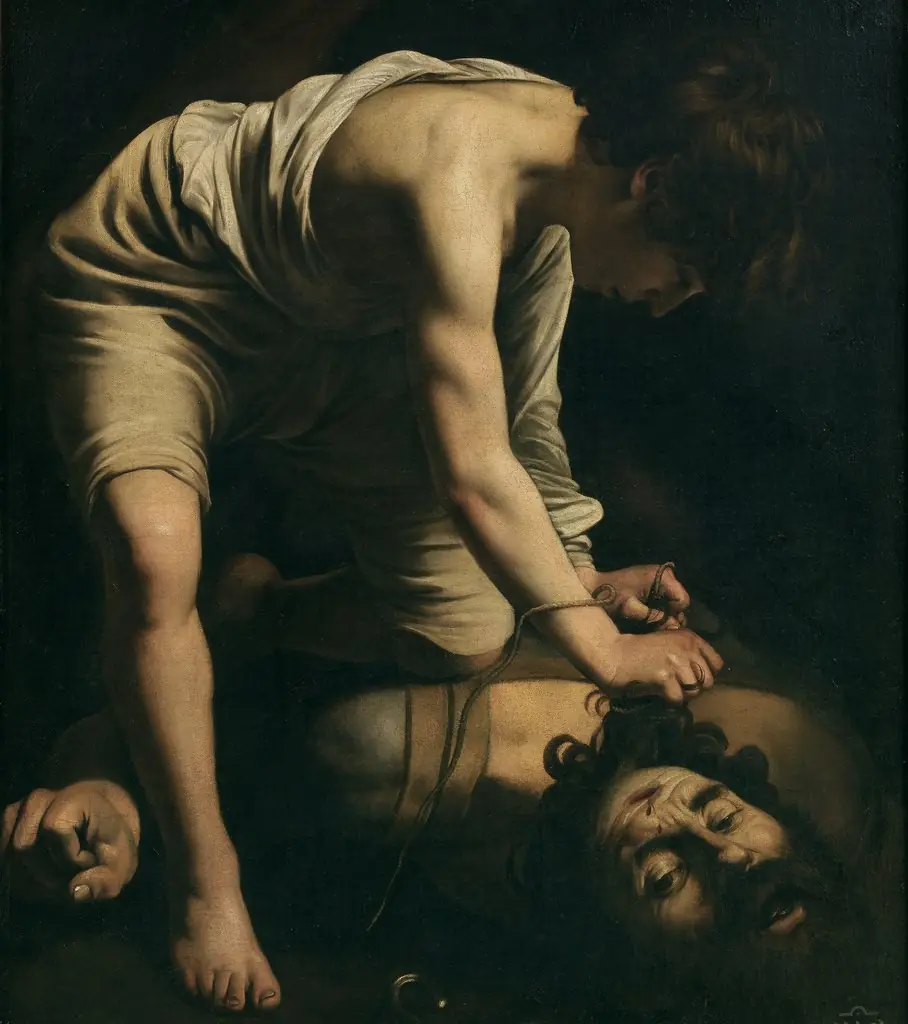 David and Goliath
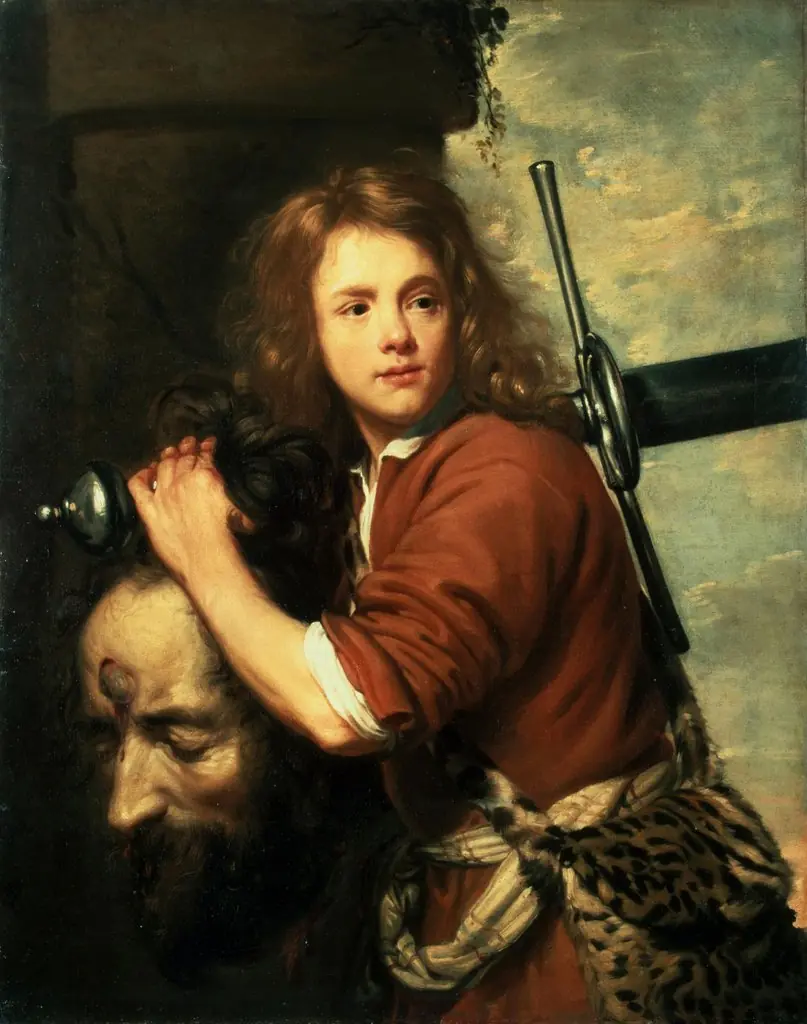 David Bearing the Head of Goliath
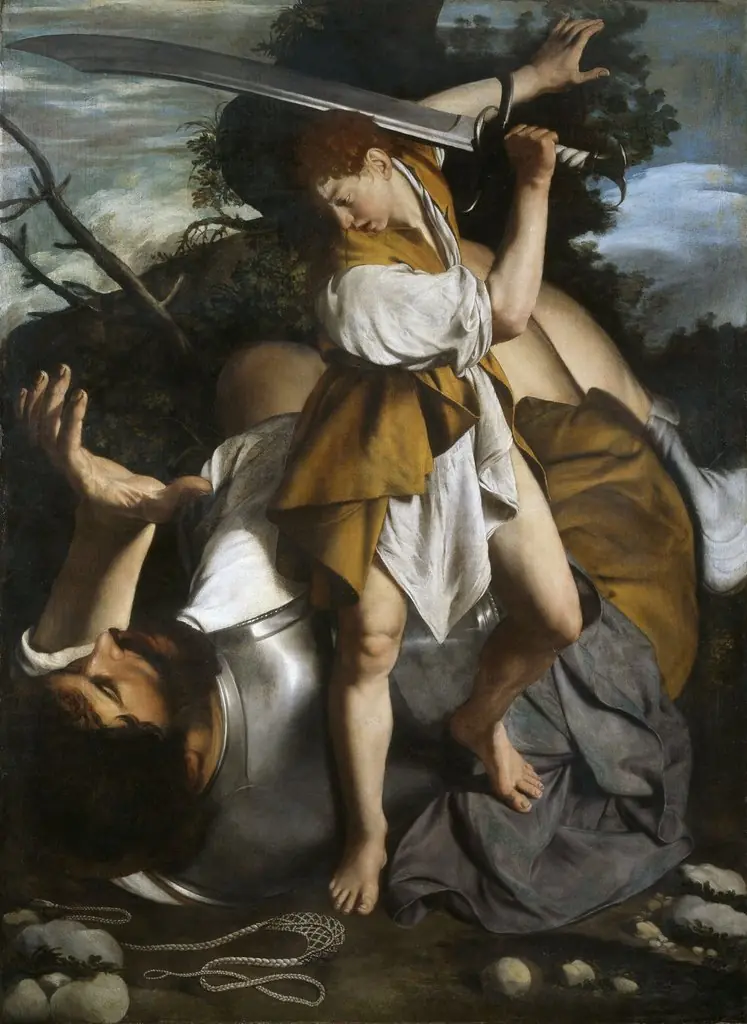 David and Goliath