Artwork
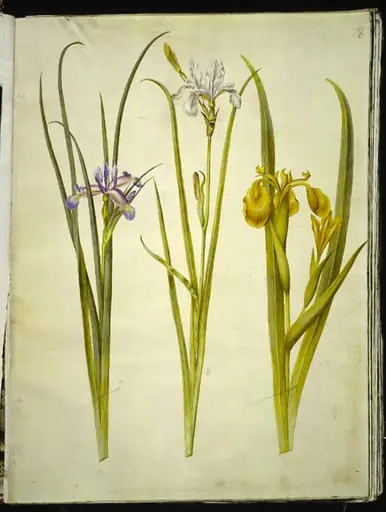
Hermodactylus tuberosus (hermesfinger); Iris pumila (lav iris) eller Iris lutescens (dværg-iris)
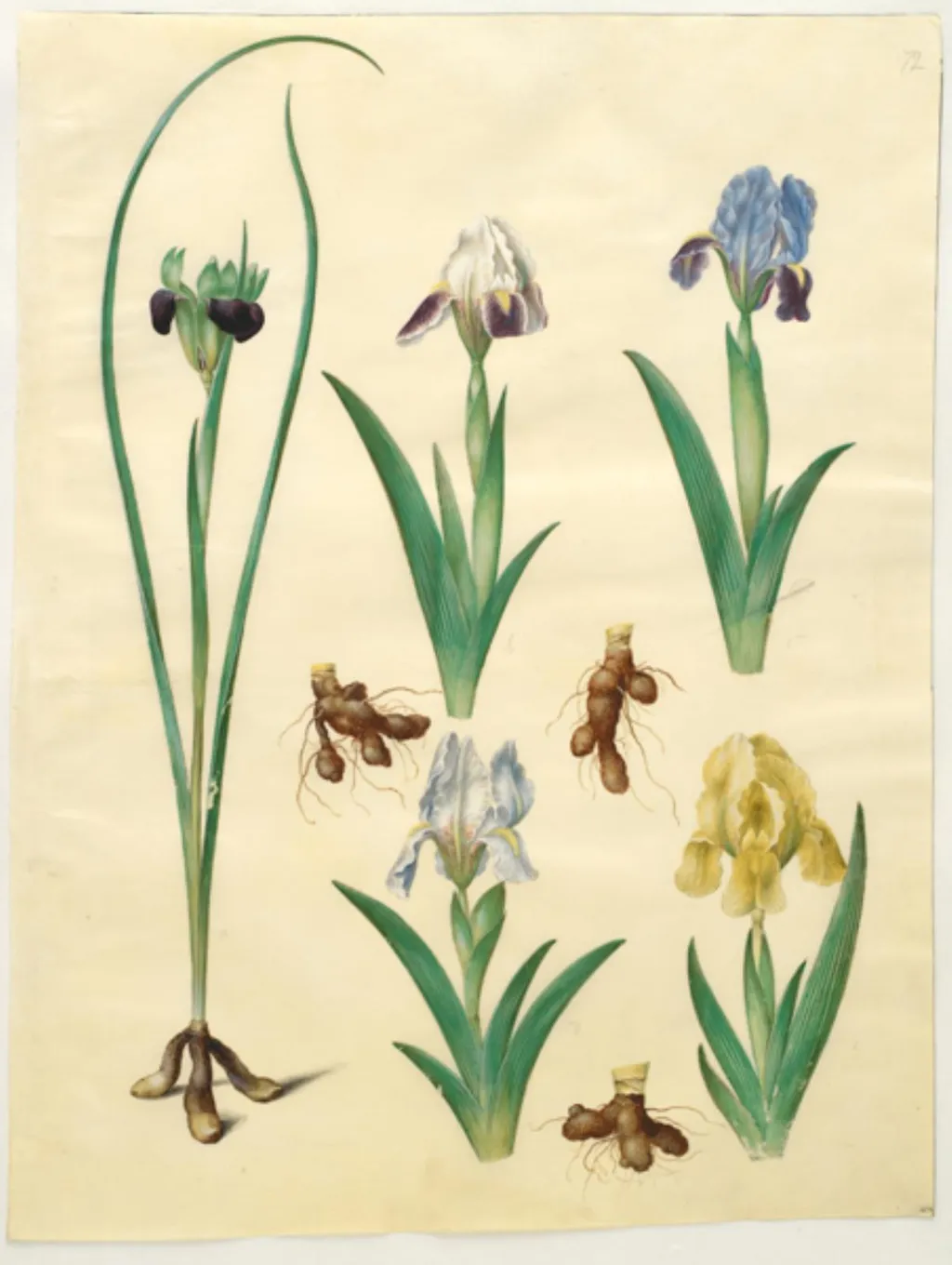
Hermodactylus tuberosus (hermesfinger); Iris pumila (lav iris) eller Iris lutescens (dværg-iris) is an unspecified work on paper by Unknown. It dates from 1654 and is held in the collection of the Statens Museum for Kunst. Created around 1654, this botanical illustration by the artist catalogued as 35199_person is part of the Museum of Ethnography’s collection.
About this work
Overview
Created around 1654, this botanical illustration by the artist catalogued as 35199_person is part of the Museum of Ethnography’s collection. Rendered as an image, it presents a meticulous study of five iris specimens, each depicted with its stem, foliage, flower and underground bulb.
Subject & Meaning
The work focuses on five distinct irises—Hermodactylus tuberosus, Iris pumila, and Iris lutescens—showcasing variations in colour and form. Dark‑purple blossoms sit beside white flowers with yellow throats and a vivid yellow bloom, highlighting the diversity within the genus and serving as a visual reference for identification.
Technique & Style
Executed in watercolor, the artist builds colour through transparent washes, allowing the pigments to glow against a light background. Fine brushwork renders the delicate hairs on the bulbs and the precise folding of each petal, while the linear rendering of stems and leaves conveys a scientific clarity.
History & Provenance
The illustration dates to the mid‑17th century, a period when botanical art supported emerging scientific inquiry. It entered the Museum of Ethnography’s holdings at an unspecified date, where it remains an example of early modern plant documentation.
Context
During the 1650s, European scholars increasingly relied on detailed visual records to accompany textual descriptions of flora. This image reflects that tradition, merging artistic skill with the observational rigor demanded by naturalists of the era.
Artist & collection

 Domestic Scene
 Giacomo and Cardinal Marco, investing Andrea, Abbot of San Zeno, with his Benefice
 The Nymph of Fontainebleau
 Portrait of a Woman
 Madonna and Child with Saints in the Enclosed Garden
 Venus and Minerva
 Family Group of Four on Sofa
 Wall painting from Room H of the Villa of P. Fannius Synistor at Boscoreale
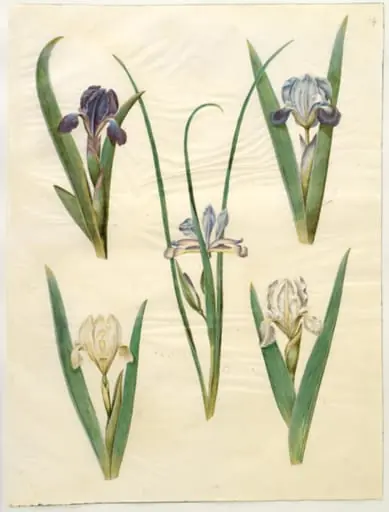 Iris pumila (lav iris) eller Iris lutescens (dværg-iris); Iris graminea (græsbladet iris)
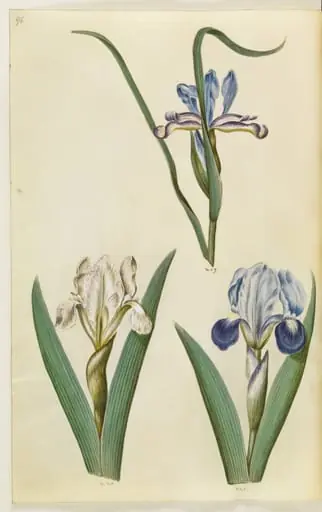 Iris graminea (græsbladet iris); Iris lutescens eller Iris pumila (?) (dværg-iris eller lav iris)
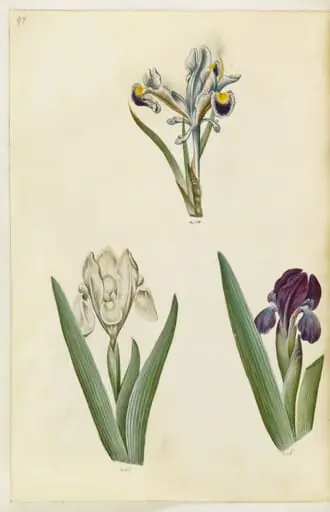 Iris persica (persisk iris); Iris lutescens eller Iris pumila (?) (dværg-iris eller lav iris)
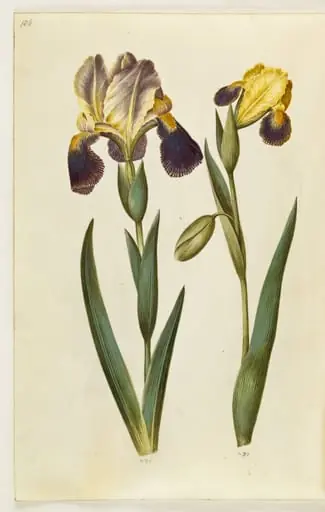 Iris ×germanica eller Iris ×sambucina (have-iris eller hylde-iris); Iris variegata (broget iris)
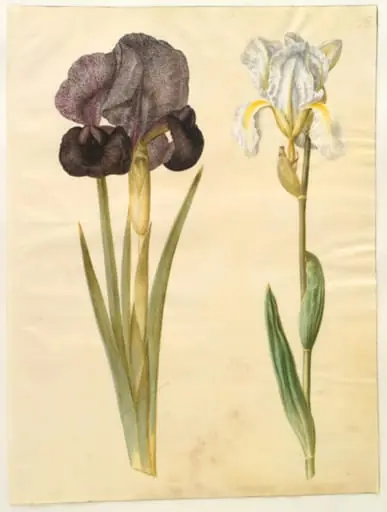 Iris susiana (sørge-iris); Iris ×florentina (violrod)
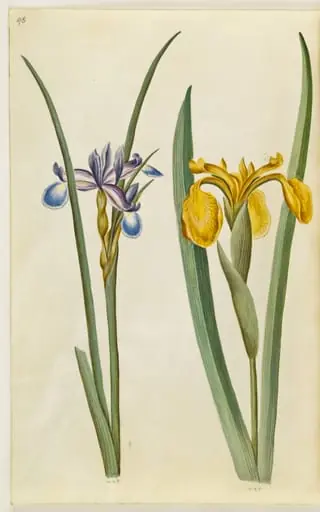 Iris graminea (græsbladet iris); Iris pseudacorus (gul iris)
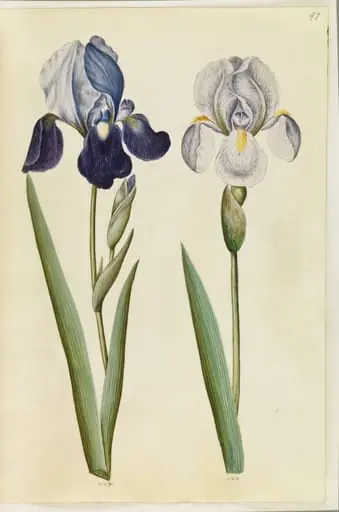 Iris ×germanica eller Iris ×sambucina (?) (have-iris eller hylde-iris); Iris ×germanica (have-iris)
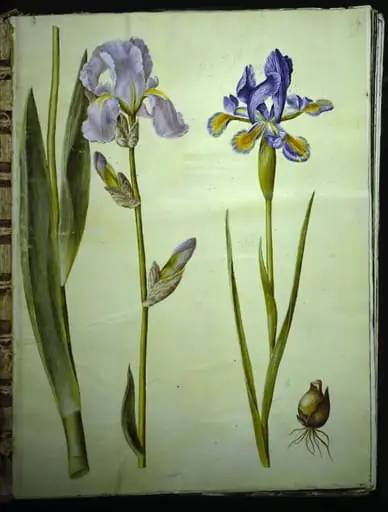 Iris ×germanica (have-iris); Iris xiphium (spansk iris)
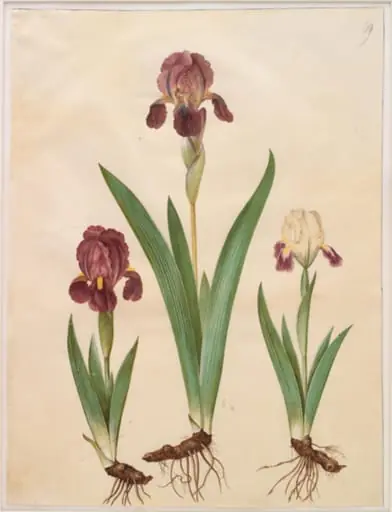 Iris ×lurida (iris-hybrid)
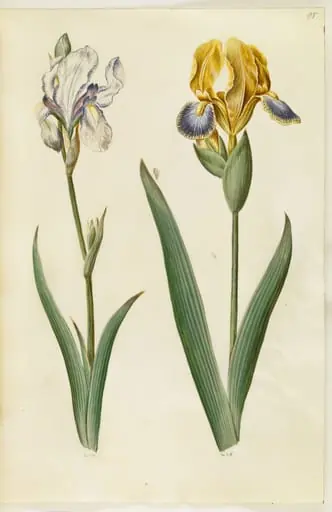 Iris pallida (bleg iris); Iris variegata (broget iris)
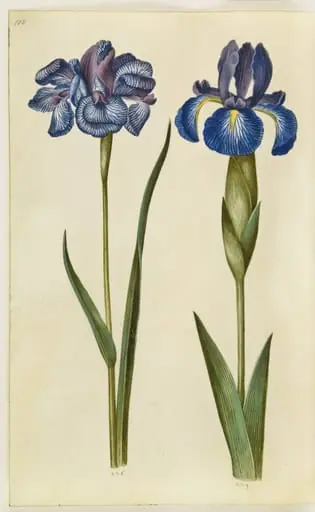 Iris sibirica (sibirisk iris); Iris latifolia (engelsk iris)
 Iris graminea (græsbladet iris); Iris sibirica (sibirisk iris); Iris pseudacorus (gul iris)