Artwork
Portrait of a Lady Dressed as Flora
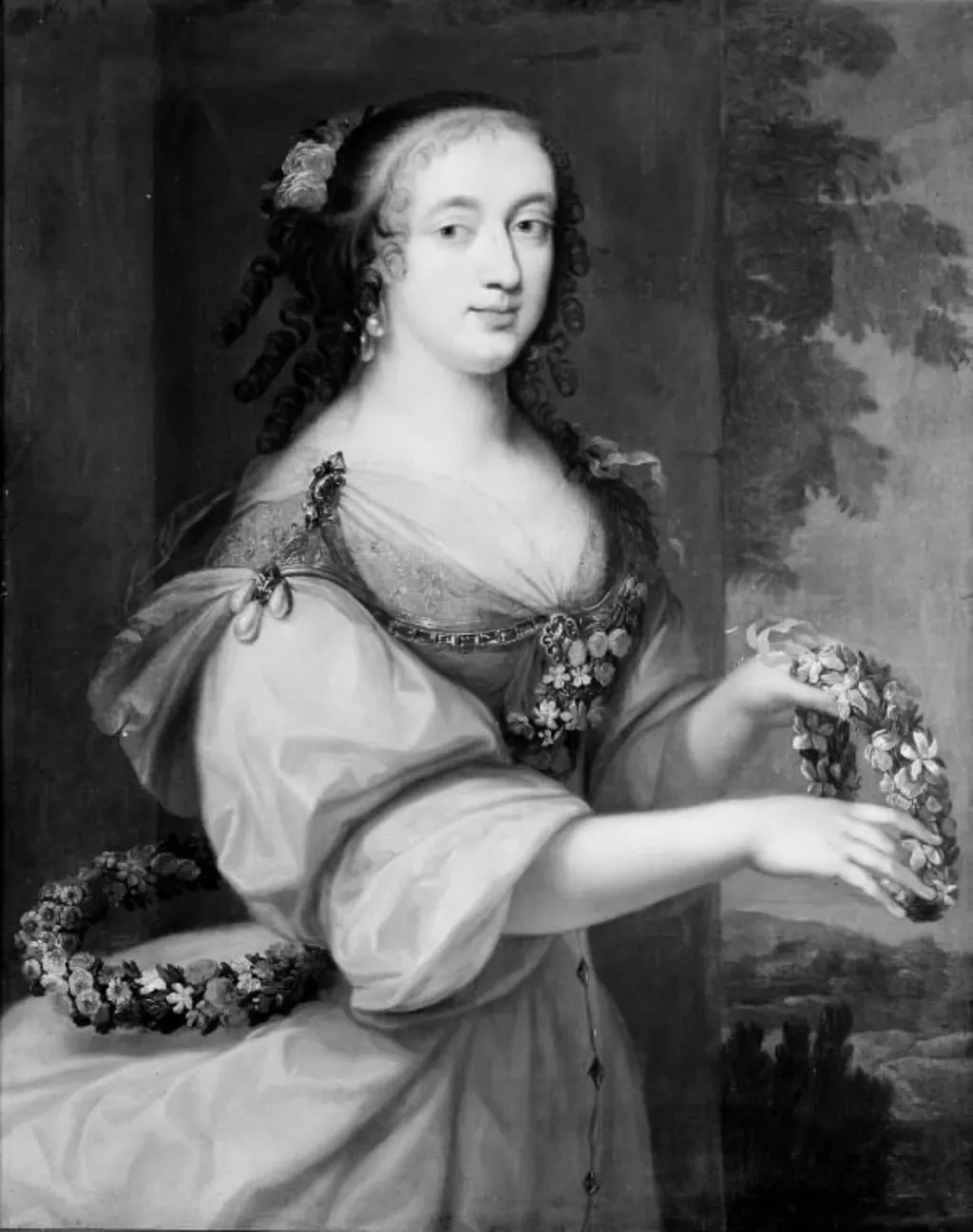
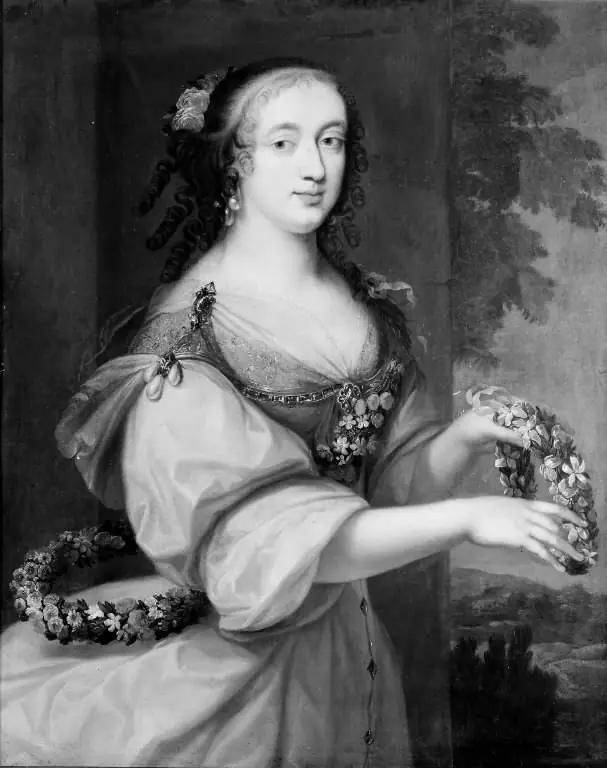
Portrait of a Lady Dressed as Flora is an unspecified painting by Unknown. It dates from 1650 and is held in the collection of the Statens Museum for Kunst. Created around 1650, this portrait depicts a seated woman garbed as the classical figure Flora.
About this work
Overview
Created around 1650, this portrait depicts a seated woman garbed as the classical figure Flora. Executed by the artist identified as 37260_person, the work now belongs to the collection of the Museum of Ethnography. The composition centers the figure against a muted backdrop, allowing the elaborate costume and accessories to dominate the visual field.
Subject & Meaning
The sitter is presented with a bouquet in one hand and a floral wreath in the other, attributes traditionally associated with the Roman goddess of flowers and spring. This iconography suggests an allegorical identification, positioning the woman as a personification of nature’s bounty rather than a straightforward portrait of an individual.
Technique & Style
The painting employs a restrained palette, with the dark background receding to emphasize the luminous fabrics and intricate details of lace sleeves, a low neckline, and a beaded belt. The artist renders the curls of the hair and the texture of the flowers with fine brushwork, creating a contrast between the tactile richness of the costume and the subdued setting.
History & Provenance
Attributed to 37260_person, the work has been part of the Museum of Ethnography’s holdings since an acquisition in the early twentieth century, though precise documentation of its earlier ownership remains limited. The date of creation, circa 1650, places it within the mid‑Seventeenth‑century European portrait tradition.
Context
During the mid‑1600s, it was common for portraitists to embed mythological references within depictions of patrons, allowing sitters to convey virtues such as fertility, beauty, or cultural refinement. The choice of Flora aligns with contemporary tastes for allegorical representation, reflecting both the fashion of elaborate courtly dress and the period’s fascination with classical symbolism.
Artist & collection

 Domestic Scene
 Giacomo and Cardinal Marco, investing Andrea, Abbot of San Zeno, with his Benefice
 The Nymph of Fontainebleau
 Portrait of a Woman
 Madonna and Child with Saints in the Enclosed Garden
 Venus and Minerva
 Family Group of Four on Sofa
 Wall painting from Room H of the Villa of P. Fannius Synistor at Boscoreale
 Kuningatar Ulrika Eleonora vanhempi
 Anna Cathrine Hauch, født von der Maase
 Kreivitär Ingeborg Posse
 Maria Anna Christina, Dauphine von Frankreich (1660-1690) (Umkreis)
 Anna Cathrine Hauch, født von der Maase
 Jennings-suvun jäsen
 Prinzessin Hedwig Elisabeth Amalie
 Dronning Charlotte Amalie (knæstykke)
 Dronning Charlotte Amalie (knæstykke)
 Portrait of a woman in Minerva’s costume
 Portrait of Luiza Adelaida of Orleans
 Portrait of a Lady Dressed as Flora