Artwork
Rev. Arthur Hildersam
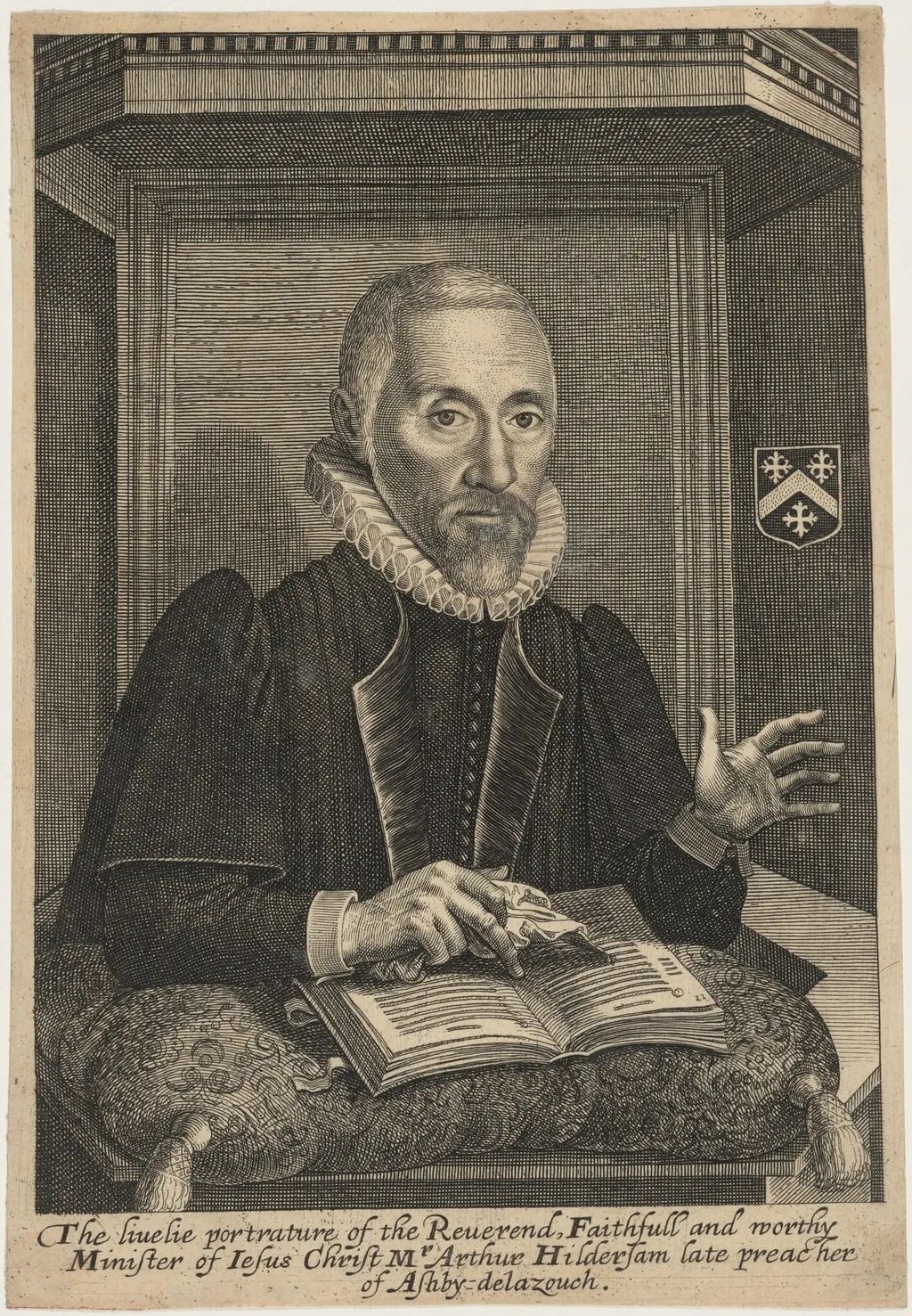
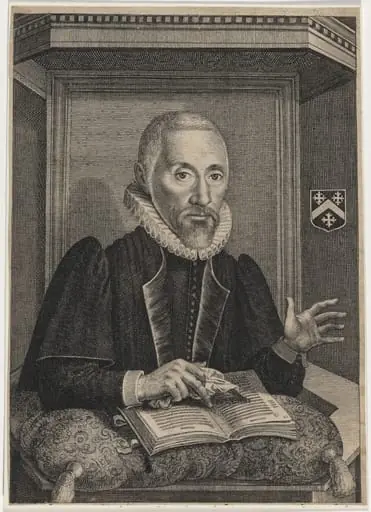
Rev. Arthur Hildersam is an ink print by the Baroque artist John Payne. It dates from 1627 and is held in the collection of the National Gallery of Art.
About this work
Overview
Executed with fine linear precision, the image captures him in clerical attire, holding an open book and gesturing as if delivering a sermon.
This 1627 black-and-white engraving by John Payne depicts Rev. Arthur Hildersam, an English clergyman, in a formal frontal portrait. Executed with fine linear precision, the image captures him in clerical attire, holding an open book and gesturing as if delivering a sermon. The composition includes a heraldic shield in the corner and a textured background, typical of early 17th-century English printmaking. Payne, among England’s first native engravers, produced works of technical refinement during the reign of Charles I.
Subject & Meaning
The portrait presents Hildersam as a learned religious figure, emphasizing his role as a minister through his vestments, the open book, and the inscription identifying him as a 'Reverend Minister of Jesus Christ.' His gesture suggests active teaching or preaching, reinforcing his authority within the Protestant tradition. The inclusion of a family crest implies social standing and lineage, common in portraits of clergy who held both spiritual and community leadership roles.
Technique & Style
Payne employed the engraving technique, incising lines into a copper plate to create detailed tonal gradations. The fine, controlled strokes model the folds of the ruff and beard with subtle shading, lending volume and realism. The background’s patterned texture and the shield’s delicate rendering demonstrate mastery of line and composition. Unlike woodcuts, engraving allowed for finer detail, making it suitable for portraiture among the educated elite.
History & Provenance
Created in 1627, the print was likely commissioned to commemorate Hildersam’s ecclesiastical service or to circulate his image among congregations. John Payne, active in London during the early Stuart period, was known for producing portraits of religious and civic figures. The work survives in institutional collections, reflecting its status as an early example of native English engraving before the medium became widespread.
Context
In early 17th-century England, engraved portraits of clergy were rare compared to those of nobility. Hildersam’s image reflects the growing importance of printed media in disseminating religious authority after the Reformation. As literacy rose and Puritan influences spread, visual representations of ministers became tools of identity and legitimacy, aligning clerical presence with moral and doctrinal clarity.
Legacy
Payne’s engraving stands as an early example of English printmaking’s emergence as a distinct tradition. It contributed to the visual culture of Protestant clergy, influencing later portraiture in religious contexts. Though not widely reproduced, the work remains a key artifact in understanding how spiritual authority was visually constructed in pre-Civil War England.
Artist & collection
Artist
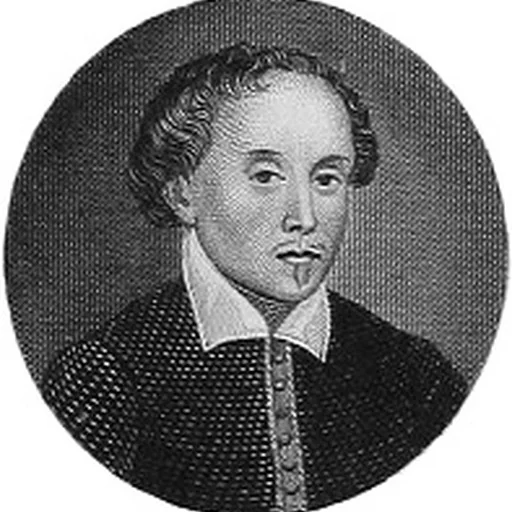
John Payne (1607–1647) was an English engraver, who was one of the earliest exponents of the art of engraving in England. His best work was the finest produced by a native-born engraver working during the reign of Charles I.

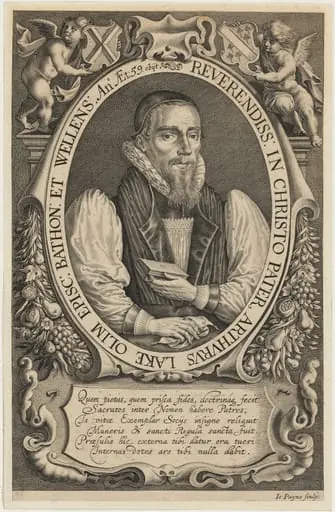
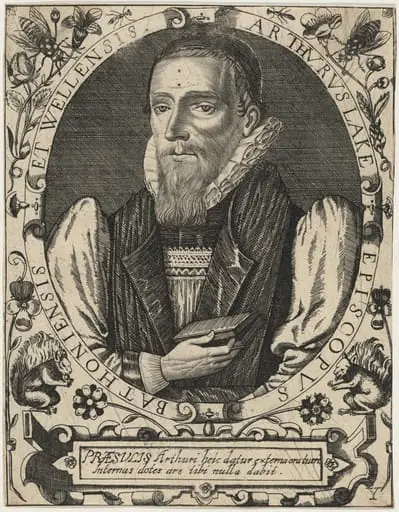 Arthur Lake, Bishop of Bath and Wells
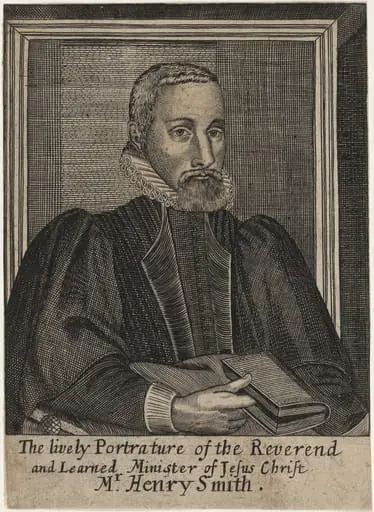 Mr. Henry Smith
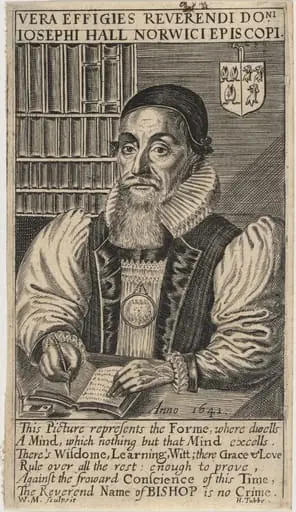 Joseph Hall, Bishop of Norwich
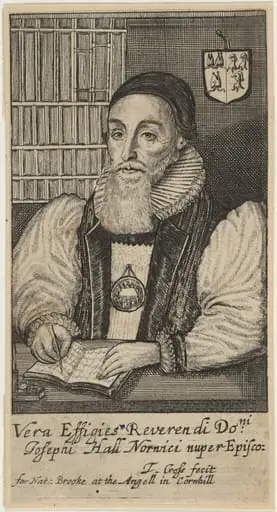 Reverendi Doni: Josephi Hall Norwici Nuper Episco. (Joseph Hall, Bishop of Norwich)
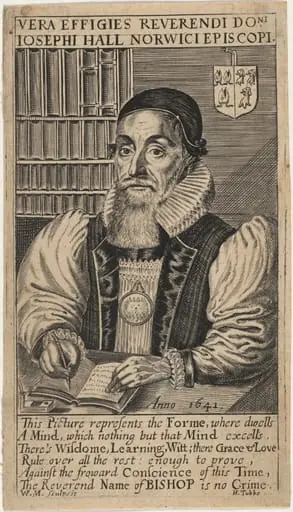 Joseph Hall, Bishop of Norwich
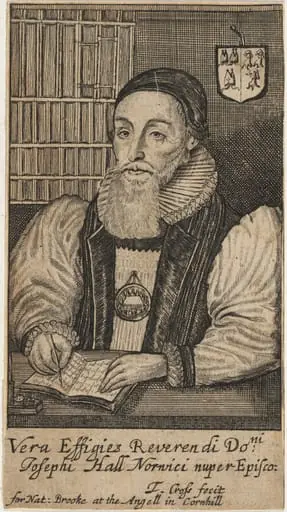 Reverendi Doni: Josephi Hall Norwici Nuper Episco. (Joseph Hall, Bishop of Norwich)
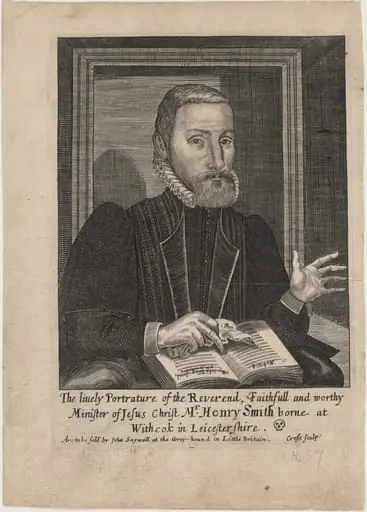 Mr. Henry Smith
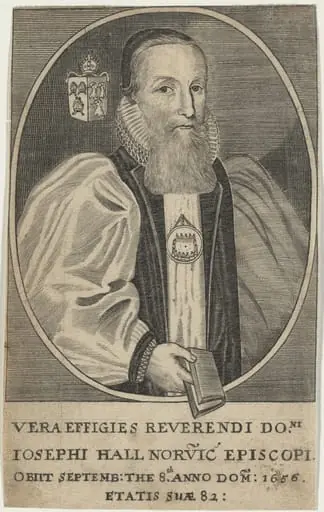 Joseph Hall, Bishop of Norwich
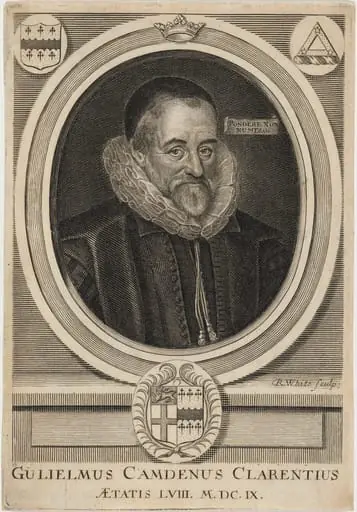 William Camden
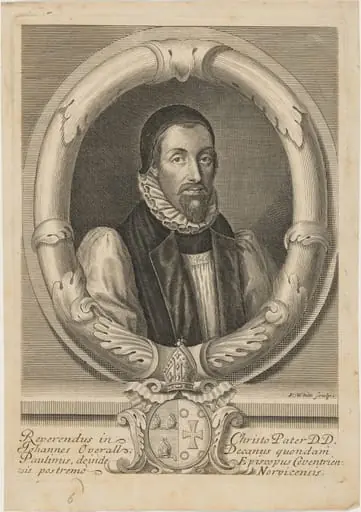 John Overall
 Arthur Hildersham, Minister
 Sir Henry Wotton, Diplomatist and Poet