Artwork
Henry Garnett
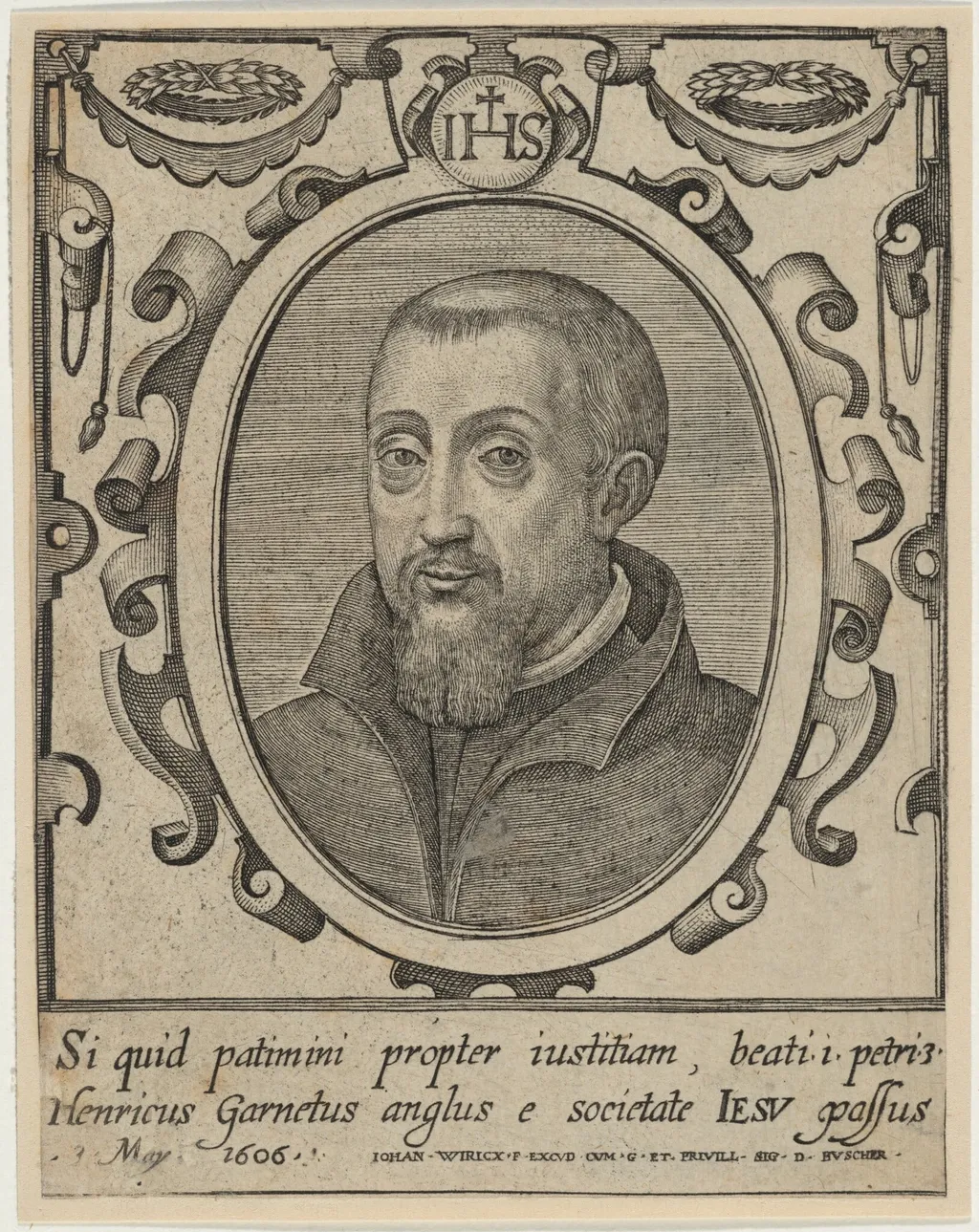
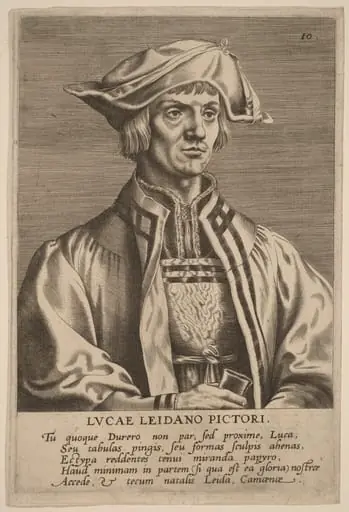
Henry Garnett is an ink print by the Renaissance artist Johan Wierix. It dates from 1582 and is held in the collection of the National Gallery of Art.
About this work
Overview
Johan Wierix’s 1582 engraving presents a portrait of Henry Garnett framed modestly. The figure is rendered in period attire, his features delineated through the artist’s precise line work. Despite its age, the image retains a high degree of clarity, allowing viewers to discern the subtle modeling of the subject’s face and clothing.
Subject & Meaning
The print depicts Henry Garnett, a man whose identity is conveyed through his dress and bearing, typical of late‑16th‑century portraiture. The straightforward composition, lacking elaborate background, focuses attention on the sitter’s demeanor, suggesting a purpose of personal commemoration rather than allegorical narrative.
Technique & Style
Wierix employed the engraving method, incising fine lines into a metal plate to produce a dense network of hatching and cross‑hatching. This technique creates nuanced shadows and textures, especially in the fabric and facial features, demonstrating the artist’s skill in manipulating line weight to suggest depth and materiality.
History & Provenance
Created in 1582, the engraving belongs to Wierix’s early output, a period when he was establishing his reputation for meticulous portrait work. The print has survived in several collections, indicating its circulation among contemporaneous patrons and its preservation as a representative example of Northern European engraving of the era.
Artist & collection


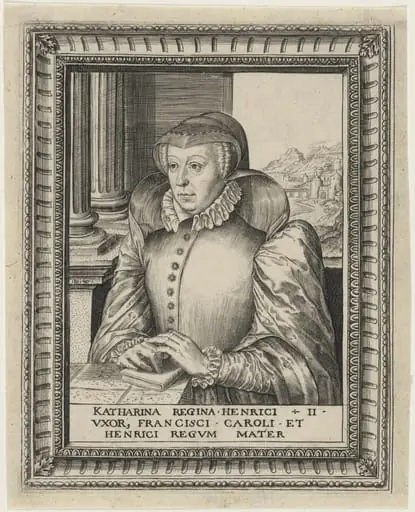
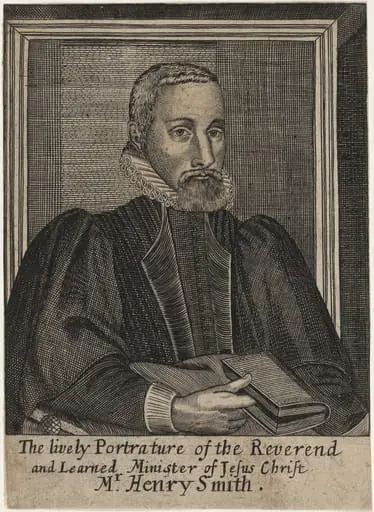 Mr. Henry Smith
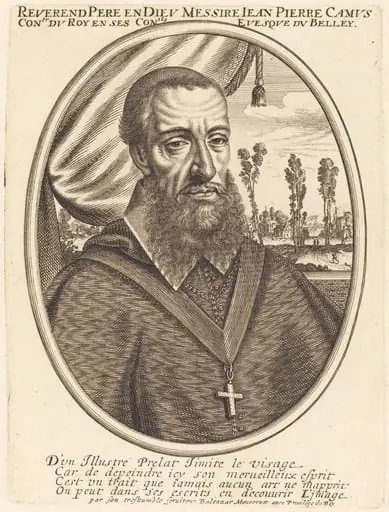 Jean Pierre Camus
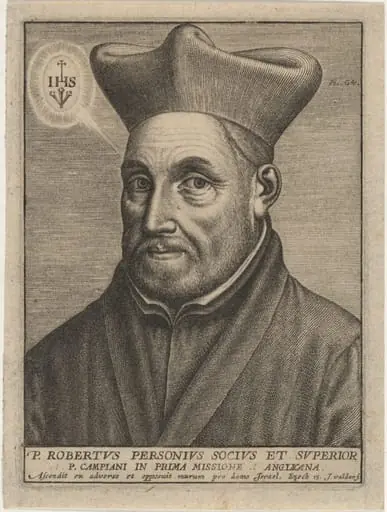 P. Robertus Personius, Priest
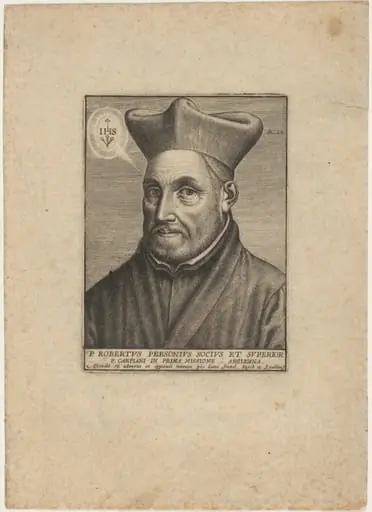 Robert Parsons, Jesuit Missionary
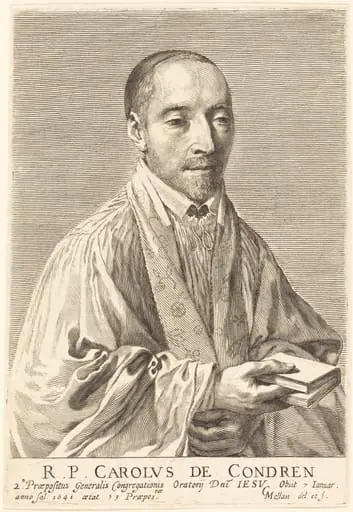 Charles de Condren
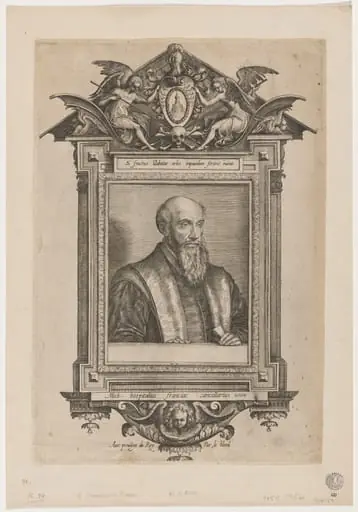 Portrait of a Man with a Long Beard
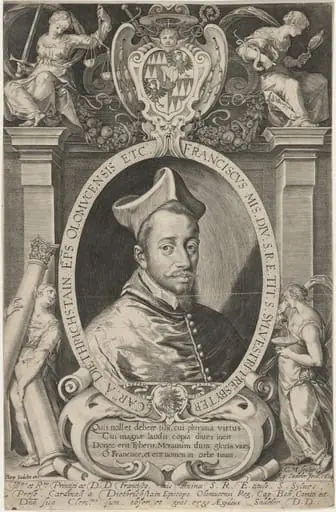 Francis Sylvestri, Cardinal
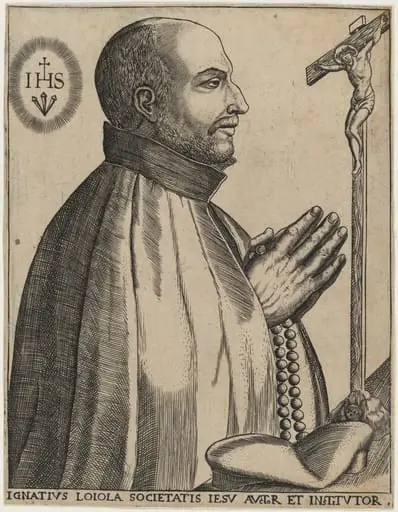 Saint Ignatius de Loyola, Founder of the Jesuits
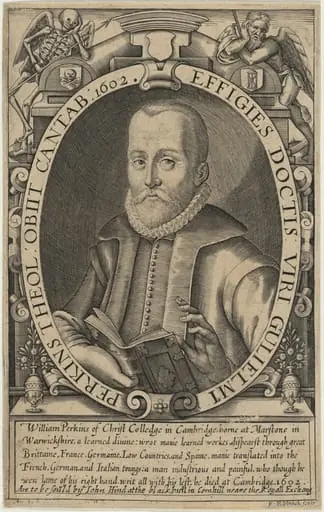 William Perkins, D.D.
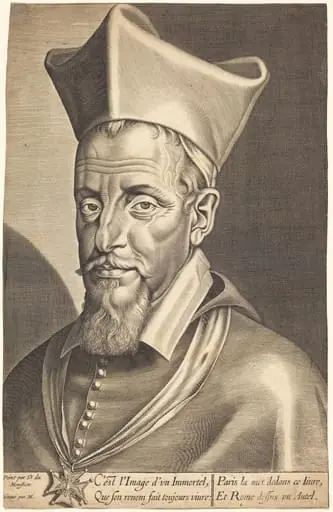 François La Rochefoucauld
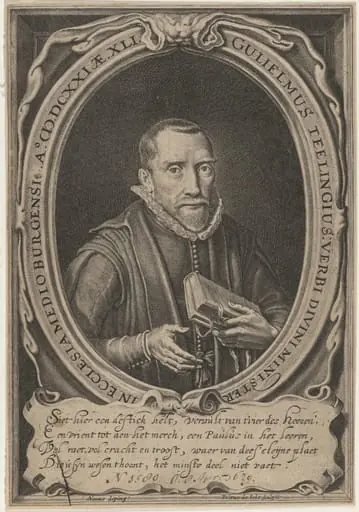 William Teelinck
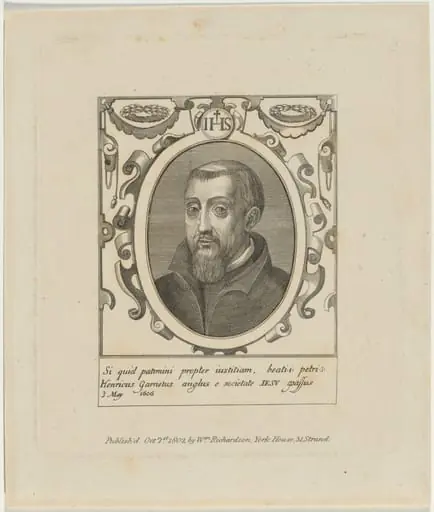 Henry Garnett, Jesuit Priest