Artwork
The Adoration of the Kings
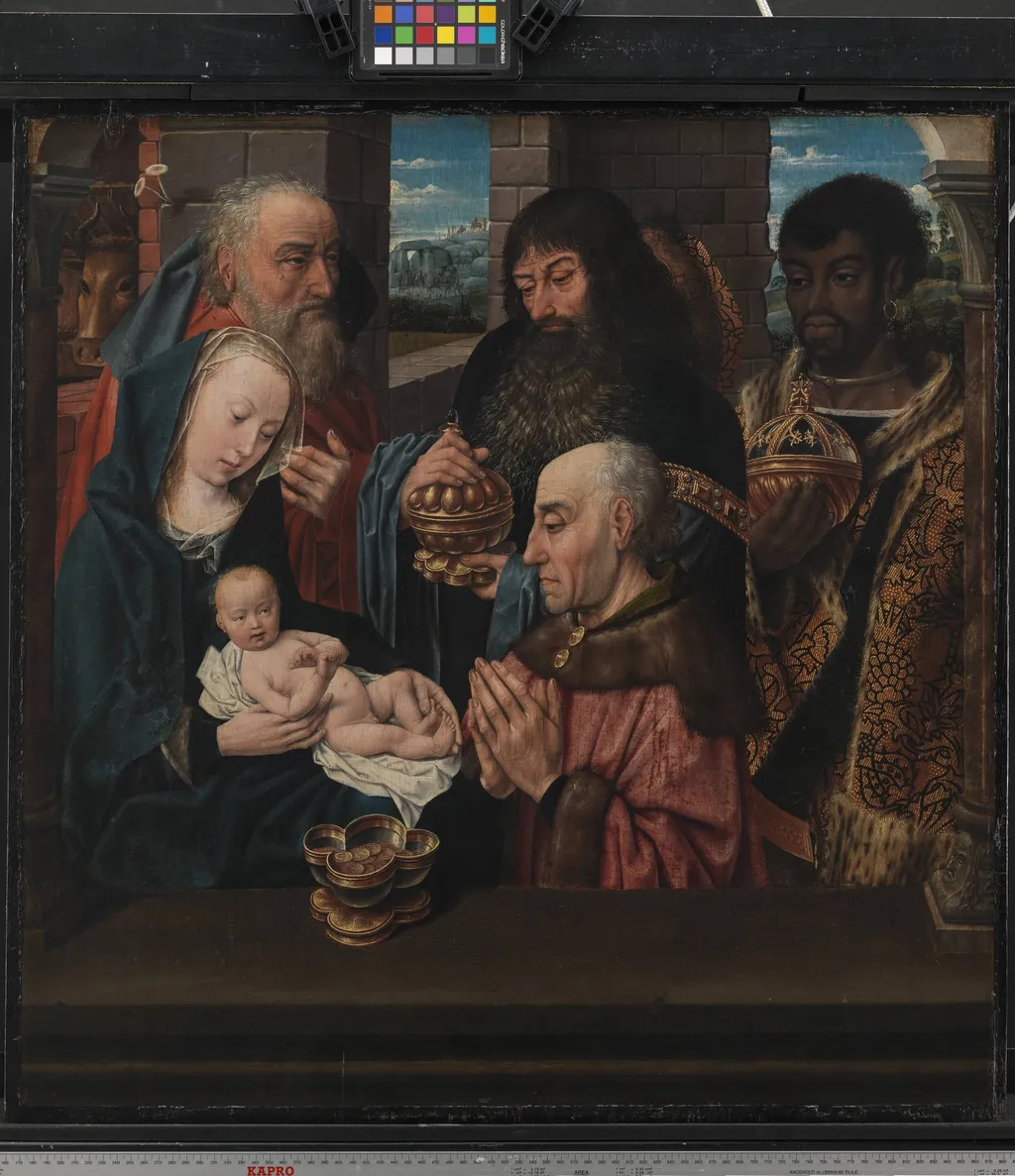
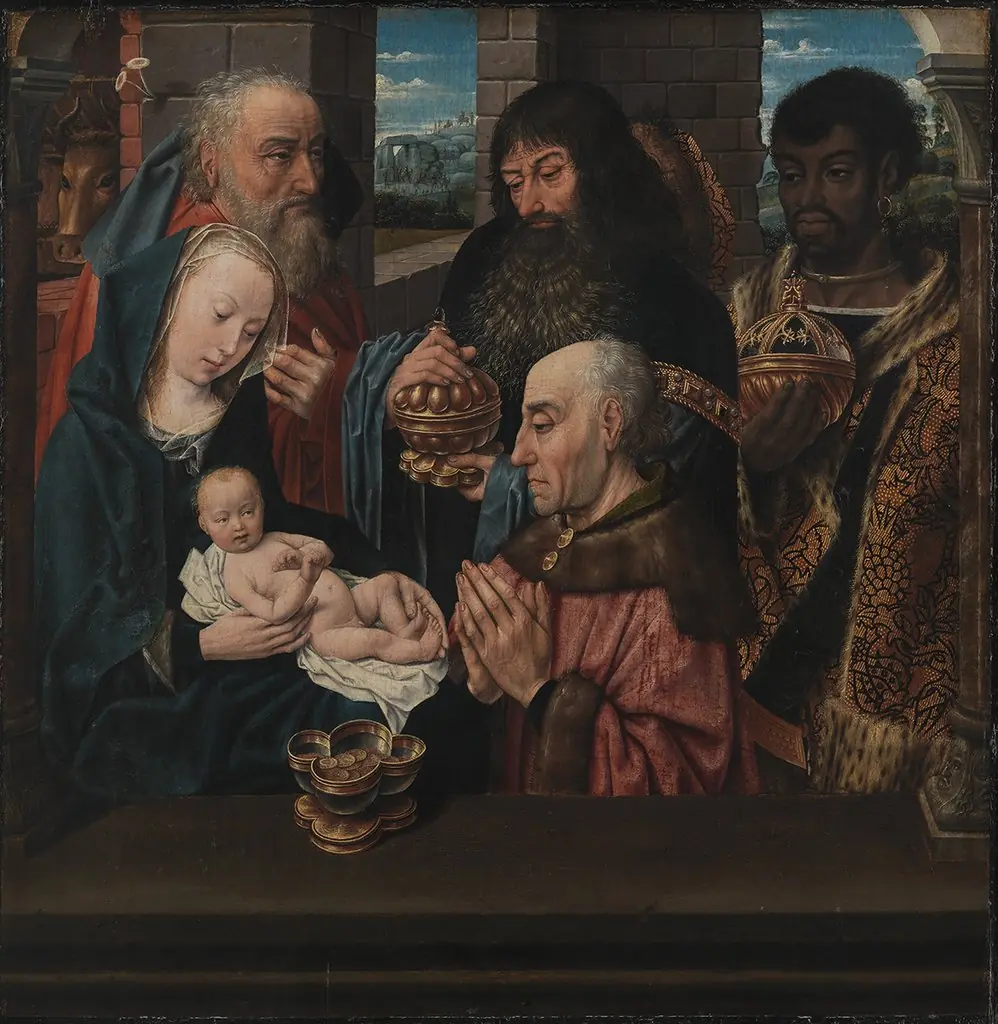
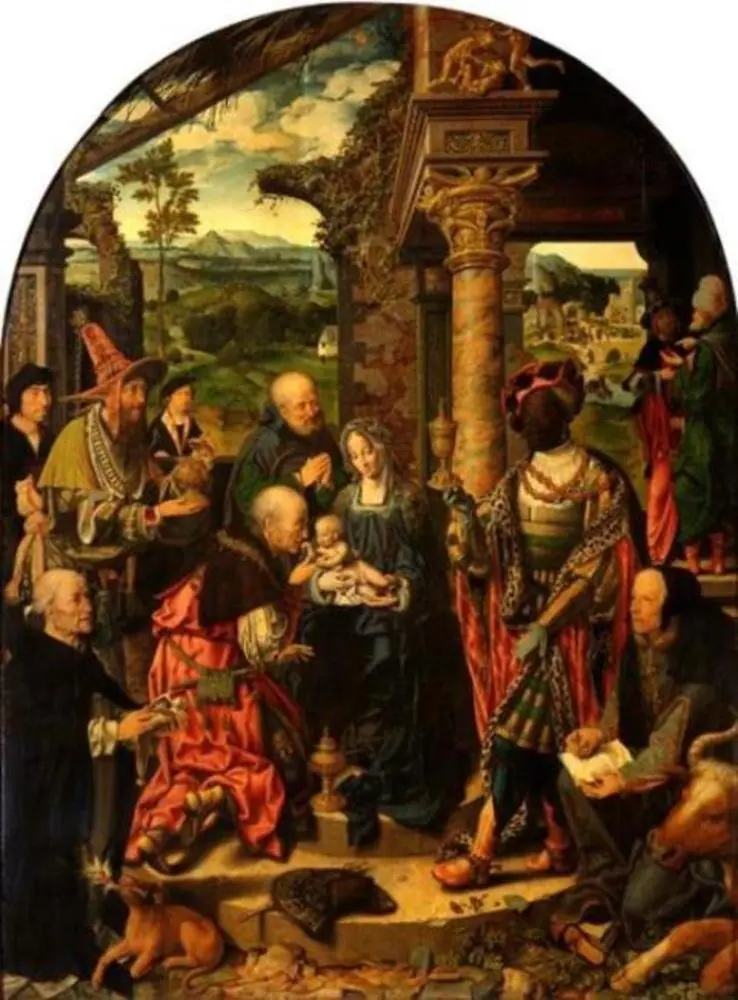
The Adoration of the Kings is a photography by Unknown. It dates from 1450 and is held in the collection of the Statens Museum for Kunst. Painted around 1450, this work depicts a quiet moment of reverence in a modest interior.
About this work
Overview
Though the subject is implied through gesture and attire, no overt religious symbols are present, leaving interpretation grounded in visual cues alone.
Painted around 1450, this work depicts a quiet moment of reverence in a modest interior. Five figures are arranged with deliberate stillness, their postures suggesting ritual rather than spectacle. The scene is rendered in subdued tones, with light falling unevenly across brick walls and rich textiles. Though the subject is implied through gesture and attire, no overt religious symbols are present, leaving interpretation grounded in visual cues alone.
Subject & Meaning
The figures are likely intended as the biblical Magi, though their identities are not explicitly marked. The central child, swaddled and held by a woman, is the focus of adoration. The kneeling man, hands clasped, and the standing figures in elaborate garments suggest tribute and recognition. The golden vessels between them imply offerings, reinforcing a theme of devotion. The absence of halos or celestial elements grounds the sacred in the earthly, emphasizing human reverence over divine spectacle.
Technique & Style
The painting employs a restrained palette dominated by deep reds, blues, and muted golds. Brushwork is precise but unembellished, with attention to fabric texture and the play of dim light on surfaces. The composition is tightly framed, drawing focus to the central group. Background details are minimal, enhancing the intimacy of the moment. The style reflects a Northern European tradition of quiet realism, prioritizing emotional resonance over dramatic flair.
History & Provenance
The work entered the Museum of Ethnography’s collection in the late 19th century, though its earlier history remains undocumented. Its attribution to a specific artist is uncertain, and no records of commission or original location survive. The painting’s modest scale and lack of inscriptions suggest it was not created for a major ecclesiastical setting, possibly serving a private devotional purpose before entering institutional care.
Context
Created during a period when devotional imagery was widespread in Northern Europe, this piece diverges from grand altarpieces by focusing on intimacy. It aligns with a trend of domesticated religious scenes, where sacred narratives unfold in ordinary spaces. The emphasis on gesture and material richness—rather than symbolic clarity—reflects a shift toward personal piety and the quiet contemplation of faith in private settings.
Legacy
Though not widely reproduced or studied, the painting offers insight into how religious themes were interpreted in non-elite contexts. Its understated approach contrasts with contemporaneous works of overt grandeur, revealing a quieter strain of devotional art. It remains a quiet testament to the ways ordinary viewers engaged with sacred stories, through gesture, presence, and material symbolism rather than narrative clarity.
Artist & collection

 Domestic Scene
 Giacomo and Cardinal Marco, investing Andrea, Abbot of San Zeno, with his Benefice
 The Nymph of Fontainebleau
 Portrait of a Woman
 Madonna and Child with Saints in the Enclosed Garden
 Venus and Minerva
 Family Group of Four on Sofa
 Wall painting from Room H of the Villa of P. Fannius Synistor at Boscoreale
 The Adoration of the Kings
 The Adoration of the Kings
 Adoration of the Kings
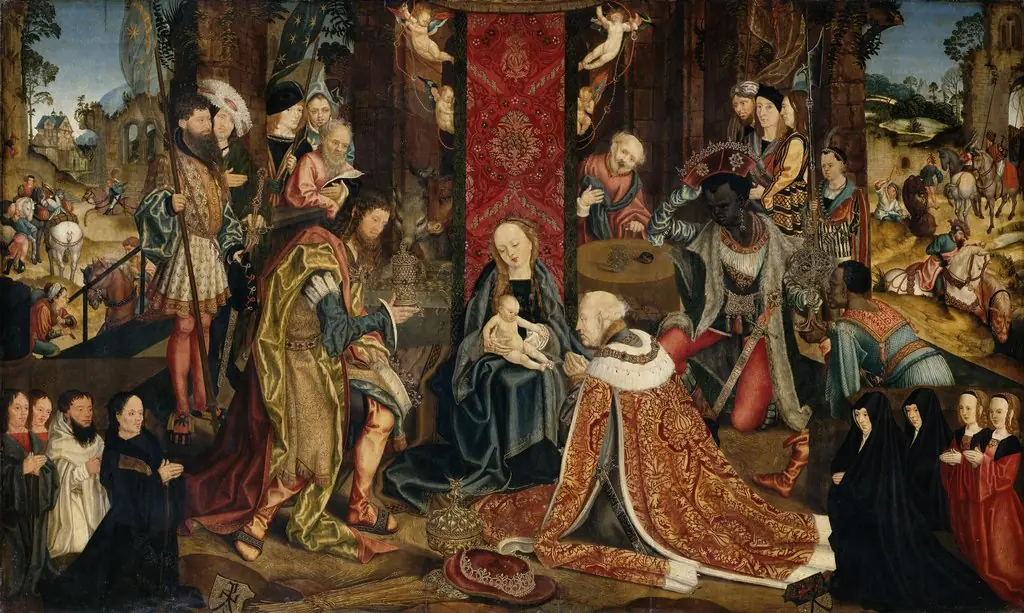 The Adoration of the Kings
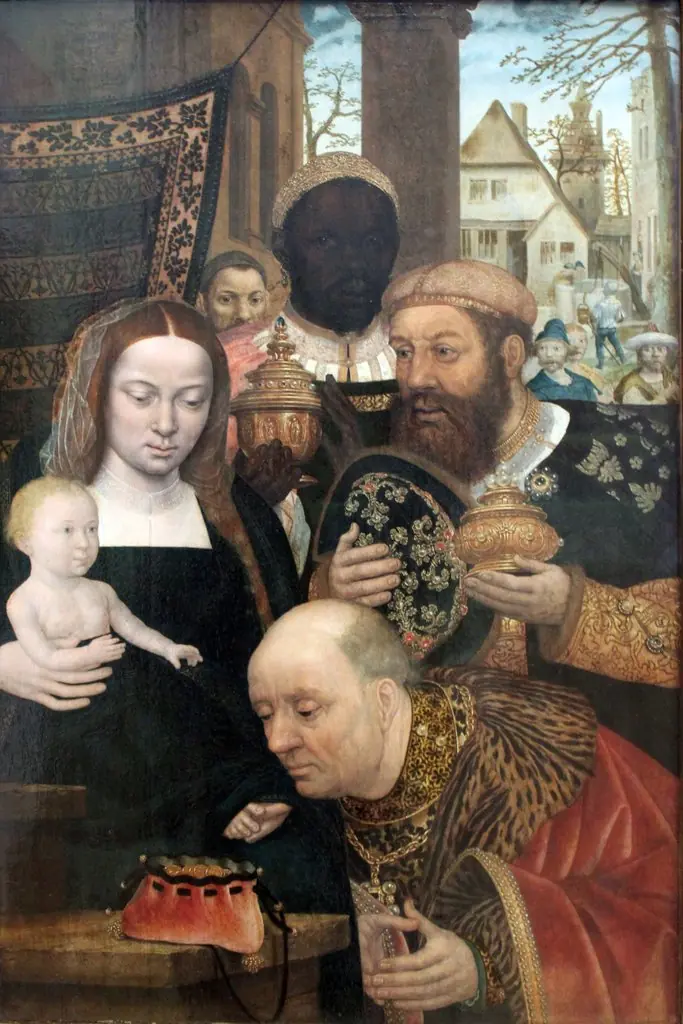 Adoration of the kings
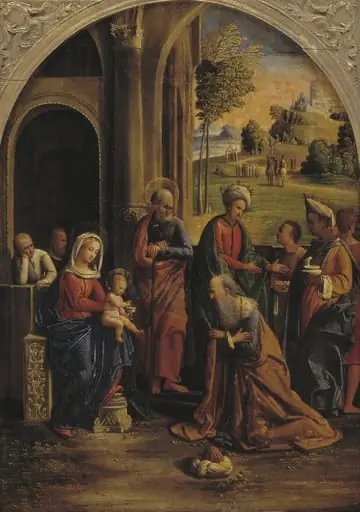 The Adoration of the Kings
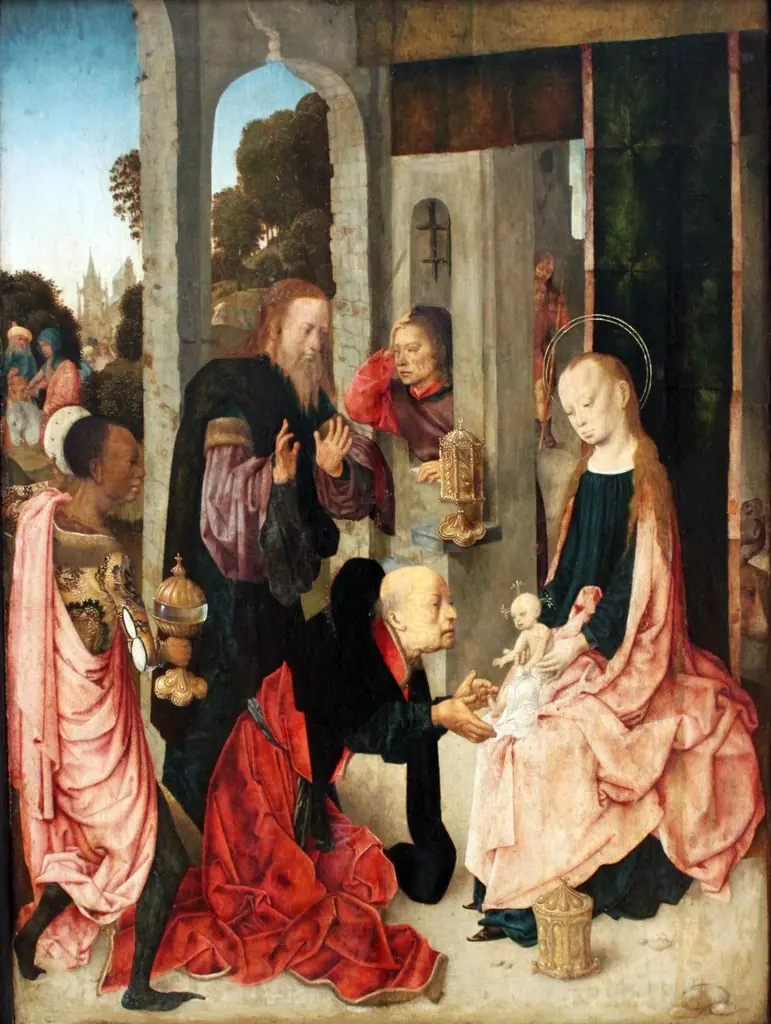 Adoration of the Kings
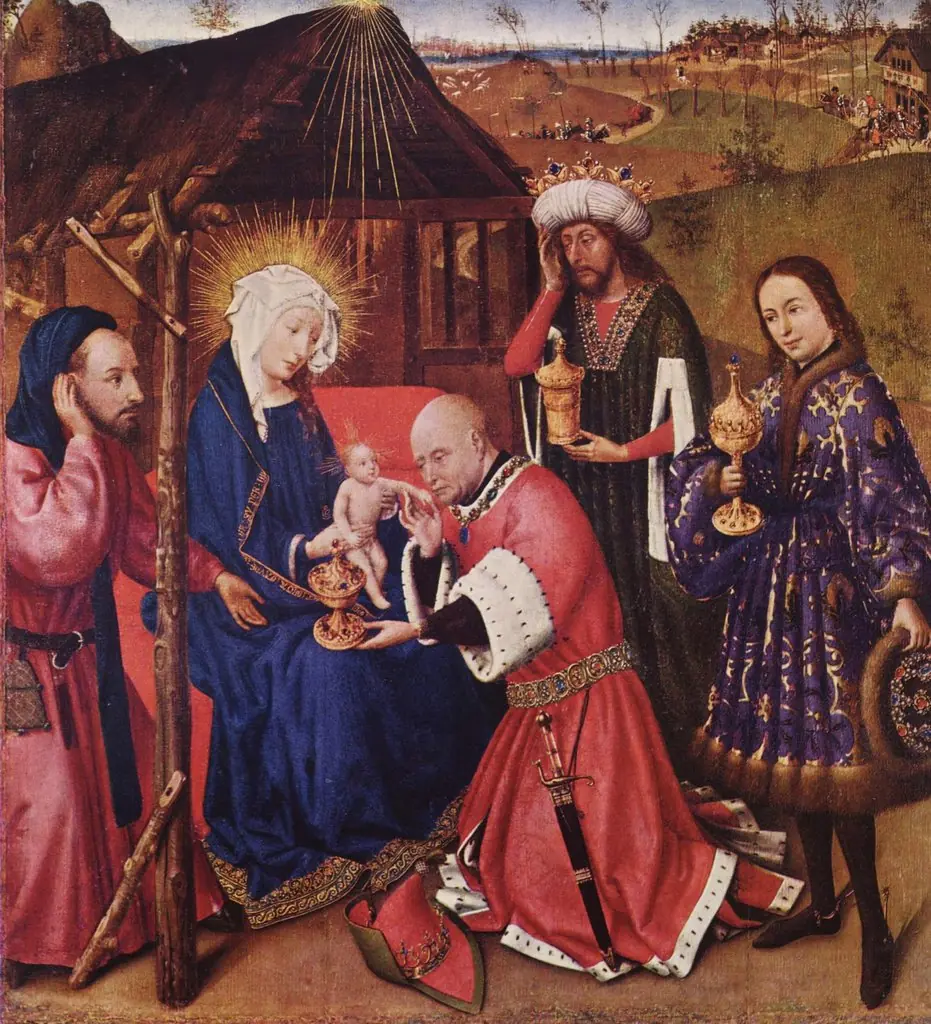 The Adoration of the Kings
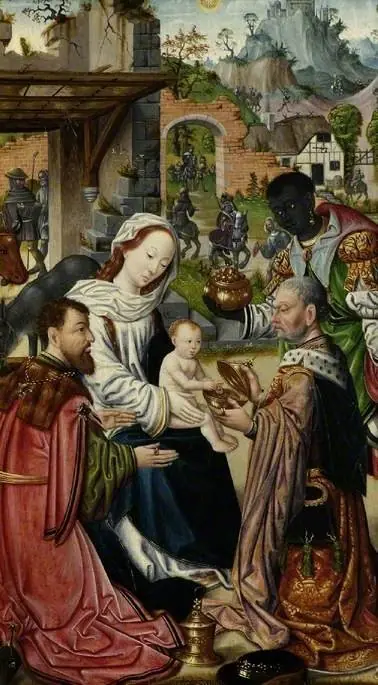 Adoration of the Kings (polyptych)
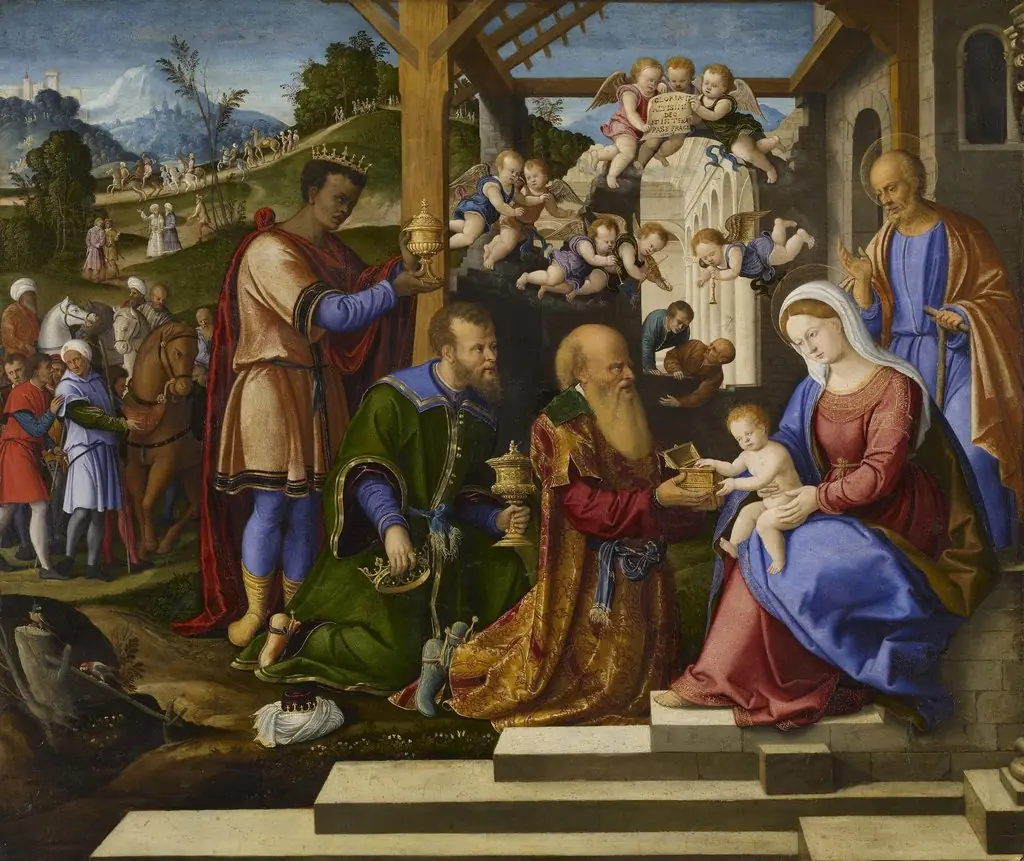 The Adoration of the Three Kings
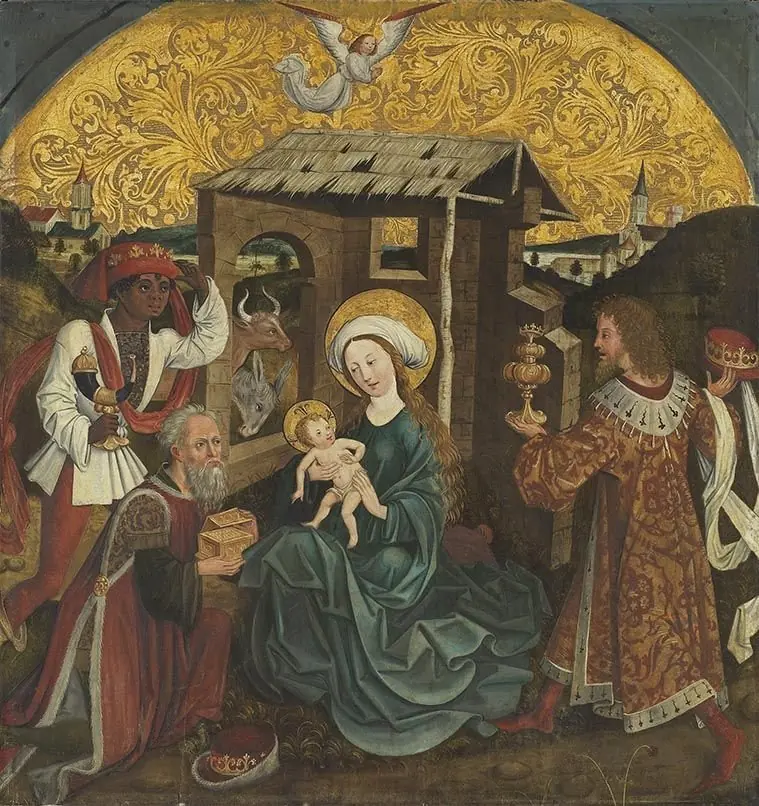 Adoration of the Kings
 The large Adoration of the Kings