Artwork
Adoration of the Kings (polyptych)
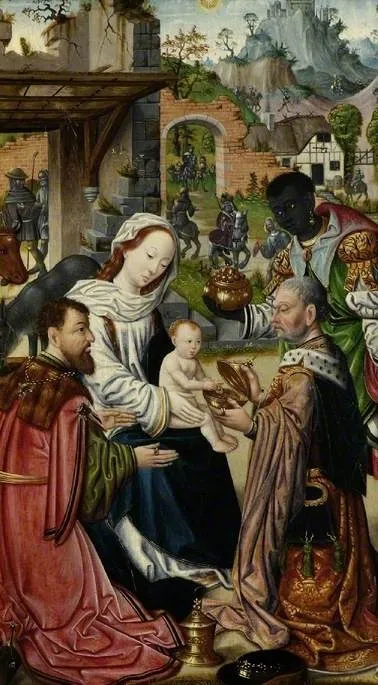
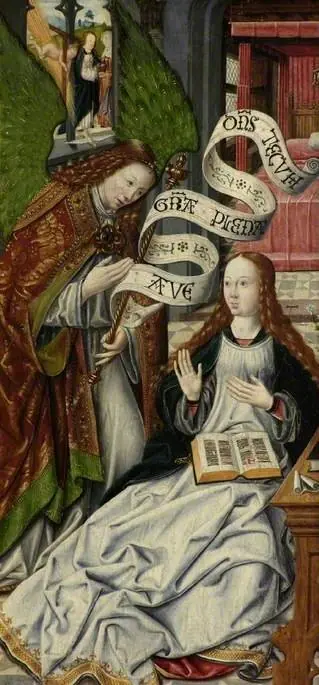
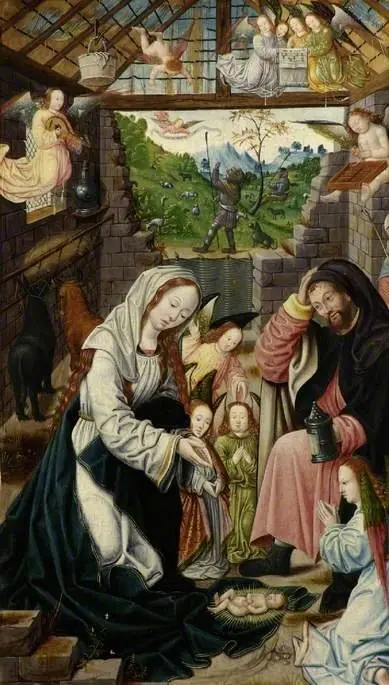
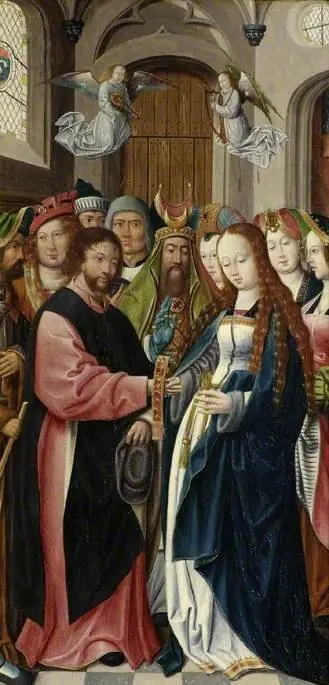
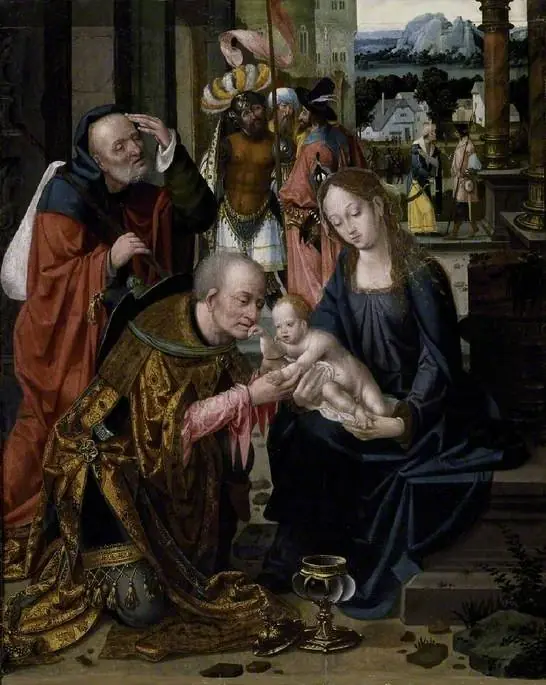
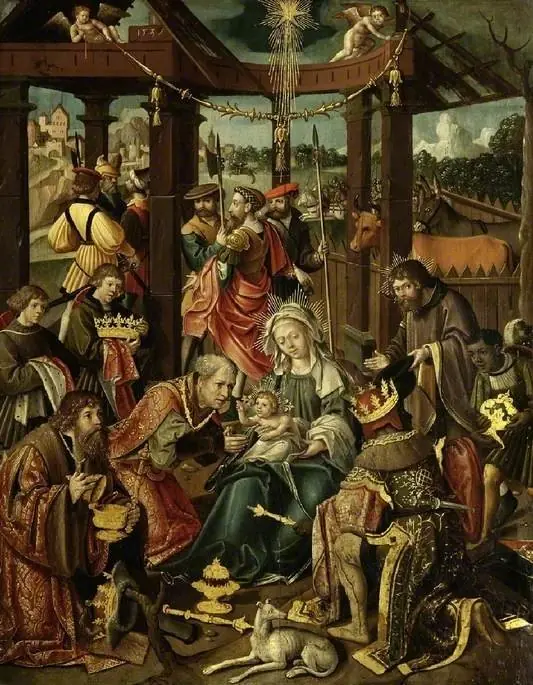
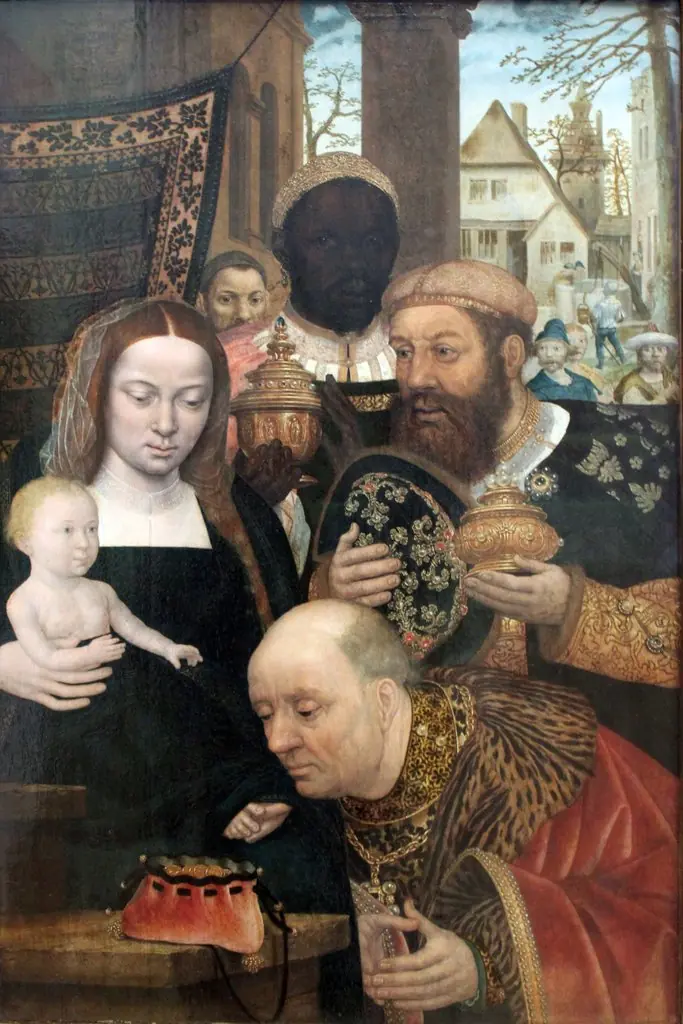
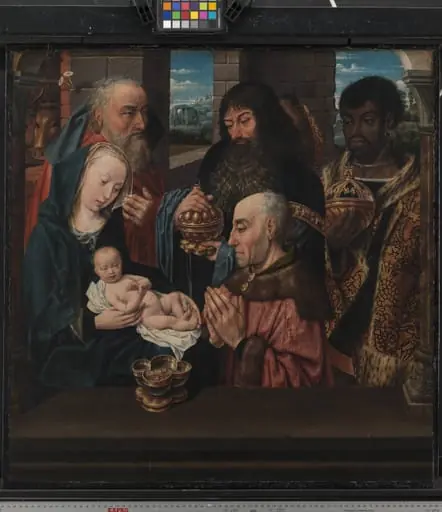
Adoration of the Kings (polyptych) is an oil painting by Jacob van Utrecht. It dates from 1514 and is held in the collection of the Fitzwilliam Museum.
About this work
Overview
It depicts the biblical moment when the Magi present gifts to the infant Jesus, framed within a detailed landscape.
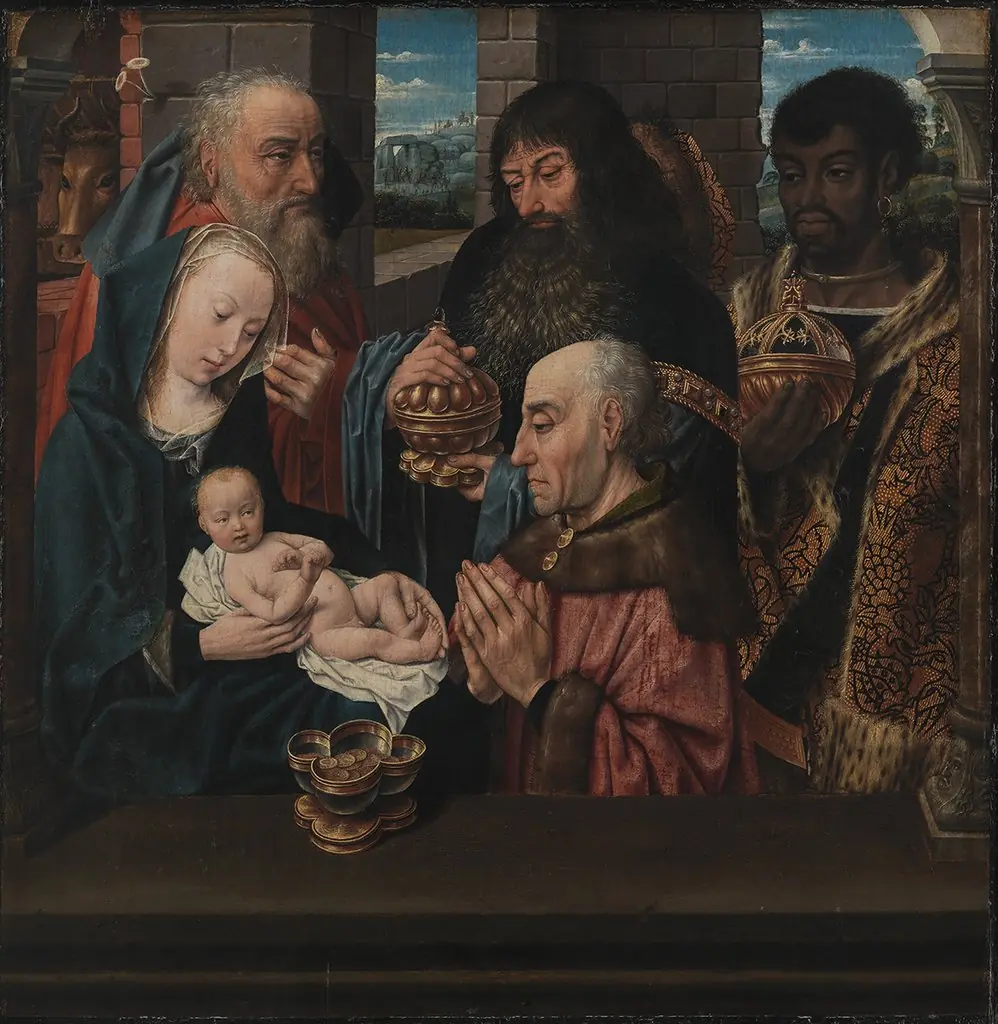
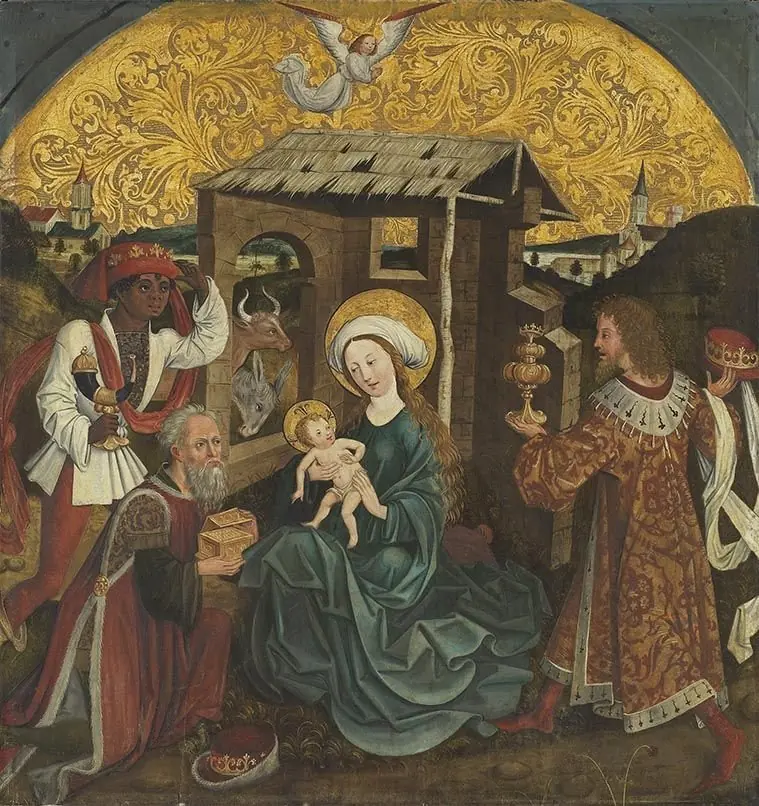
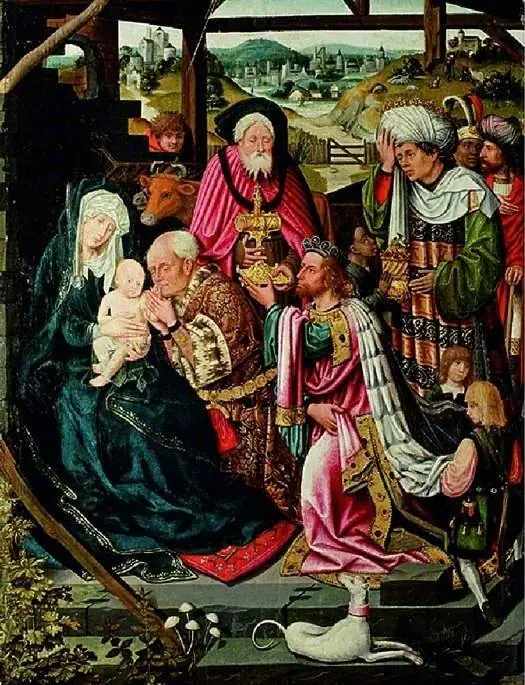
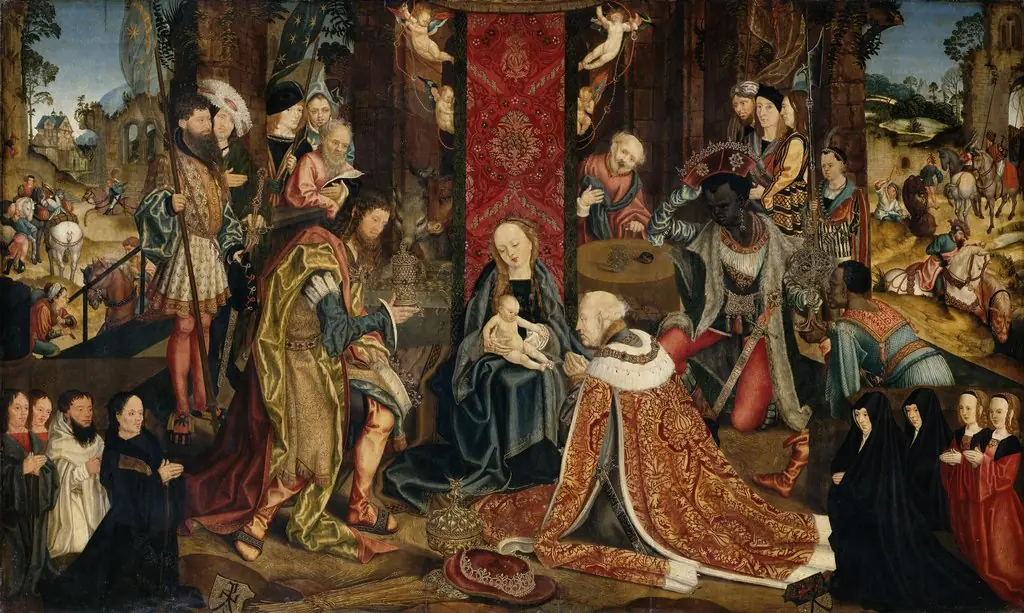
Created around 1514 by Jacob van Utrecht, the *Adoration of the Kings* is a polyptych painted in oil on panel. It depicts the biblical moment when the Magi present gifts to the infant Jesus, framed within a detailed landscape. The work is part of the Fitzwilliam Museum’s collection and reflects the Northern Renaissance tradition of combining religious narrative with richly observed naturalism and architectural detail.
Subject & Meaning
The scene portrays the three Magi paying homage to the Virgin Mary and the Christ Child, a common theme in Christian art symbolizing the recognition of Christ’s divine kingship by the Gentile world. Each king, distinguished by age and attire, offers a symbolic gift—gold, frankincense, and myrrh—while attendants and distant figures reinforce the event’s solemnity and global significance.
Technique & Style
Van Utrecht employed oil paint to achieve fine detail and luminous color, characteristic of Flemish workshop practices. The figures are rendered with precise drapery folds and textured fabrics, while the background landscape—featuring distant towers, trees, and riders—is rendered with atmospheric perspective. Subtle modeling through light and shadow enhances the three-dimensionality of the forms without overt dramatic contrast.
History & Provenance
The polyptych was likely commissioned for private devotion or a chapel in Antwerp, where van Utrecht was active before moving to Lübeck. Its journey to the Fitzwilliam Museum is not fully documented, but it entered the collection in the 19th century, possibly through a private donation or acquisition. The work has remained relatively intact, preserving its original panel structure and painted surfaces.
Context
Produced during the early 16th century, the painting reflects the fusion of Flemish realism and devotional imagery favored in northern Europe. Van Utrecht’s style shows influence from artists like Jan van Eyck and Albrecht Dürer, blending meticulous detail with spatial coherence. The work aligns with broader trends in Antwerp’s artistic community, where religious subjects were rendered with increasing naturalism for both public and private audiences.
Legacy
Though Jacob van Utrecht is less widely known than his contemporaries, this polyptych stands as a representative example of regional Northern Renaissance painting. Its preservation in a major public collection allows ongoing study of workshop practices, iconographic conventions, and the transmission of artistic styles between the Low Countries and the Baltic region during the Reformation era.
Artist & collection
Artist
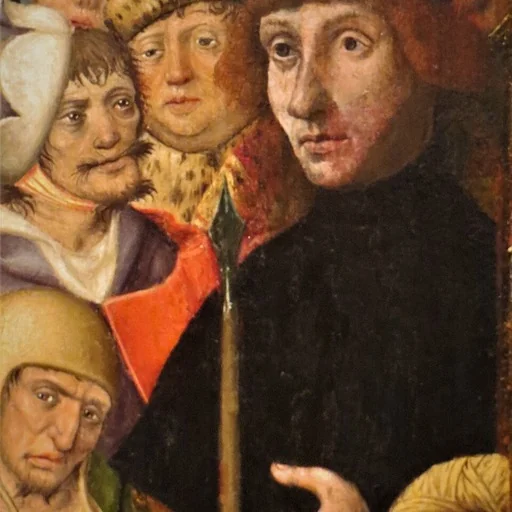
Jacob Claesz van Utrecht, also named by his signature Jacobus Traiectensis (c. 1479 – after 1525) was a Flemish early Renaissance painter who worked in Antwerp and Lübeck.