Artwork
Supper at Emmaus
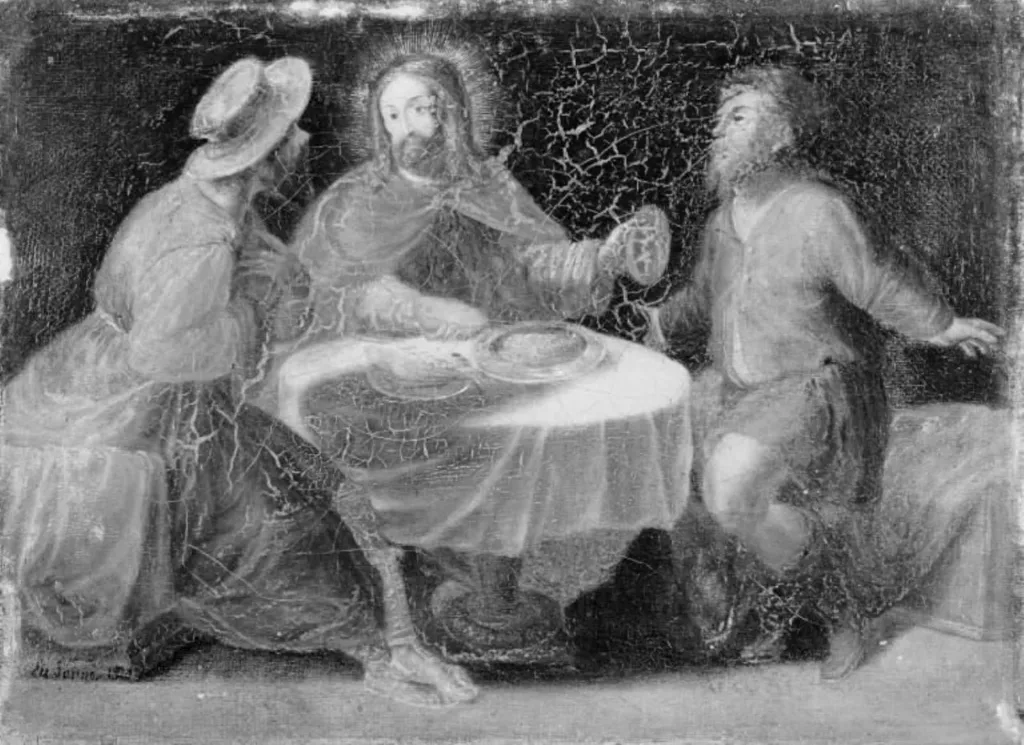
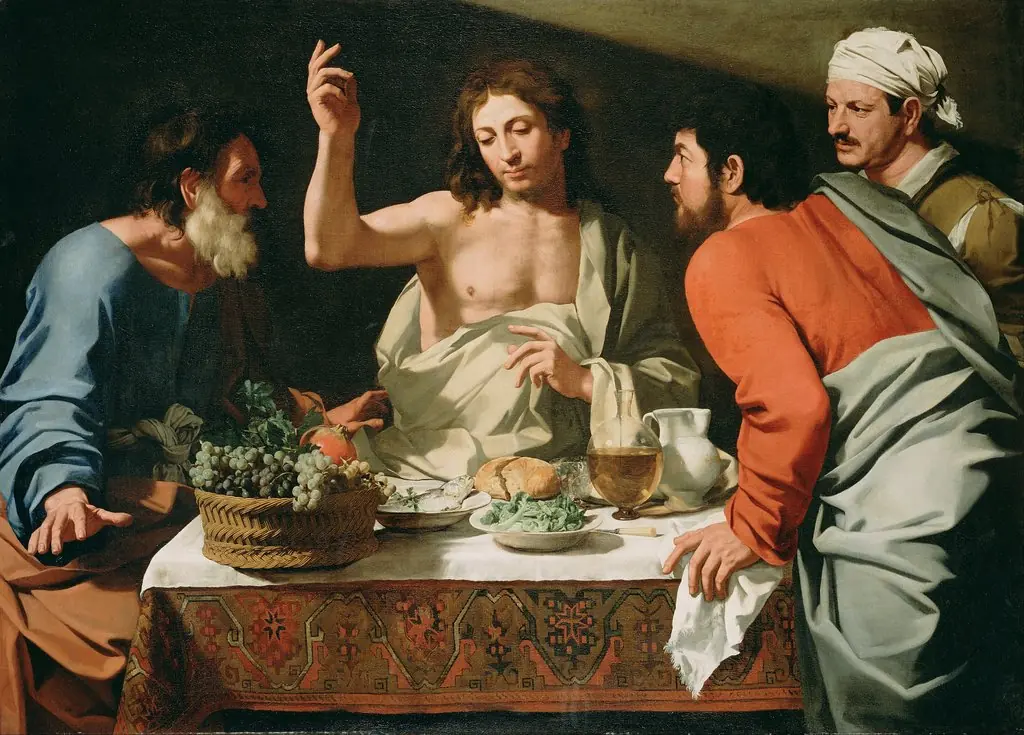
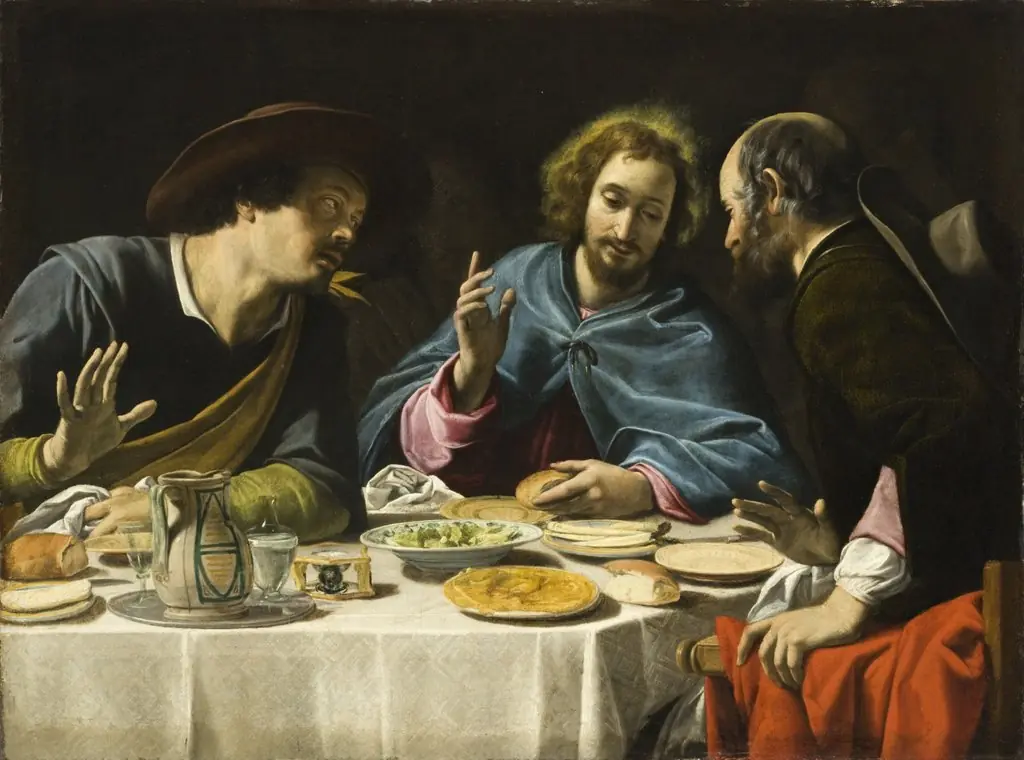
Supper at Emmaus is a photography by Unknown. It dates from 1750 and is held in the collection of the Statens Museum for Kunst.
About this work
Overview
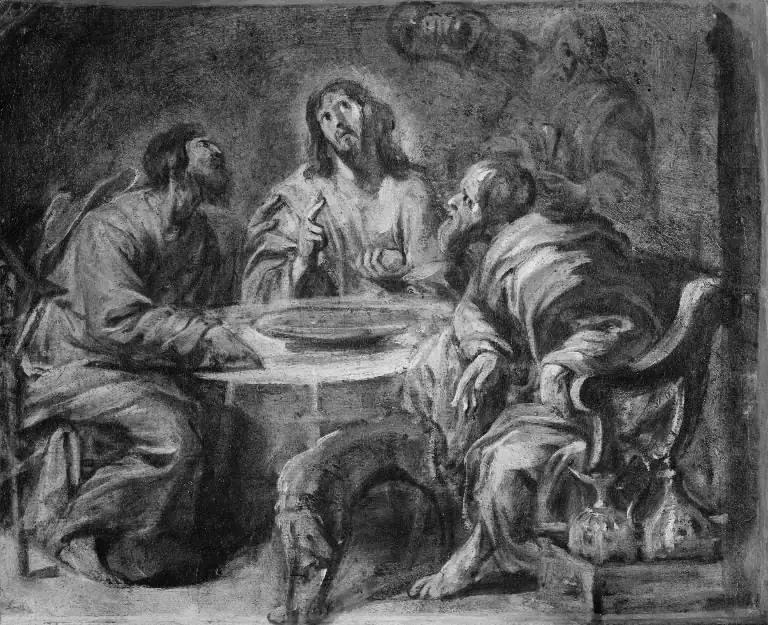
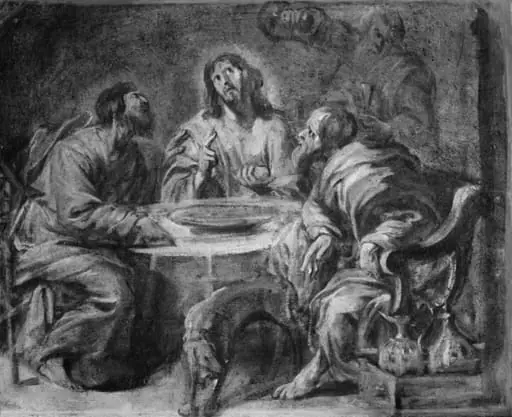
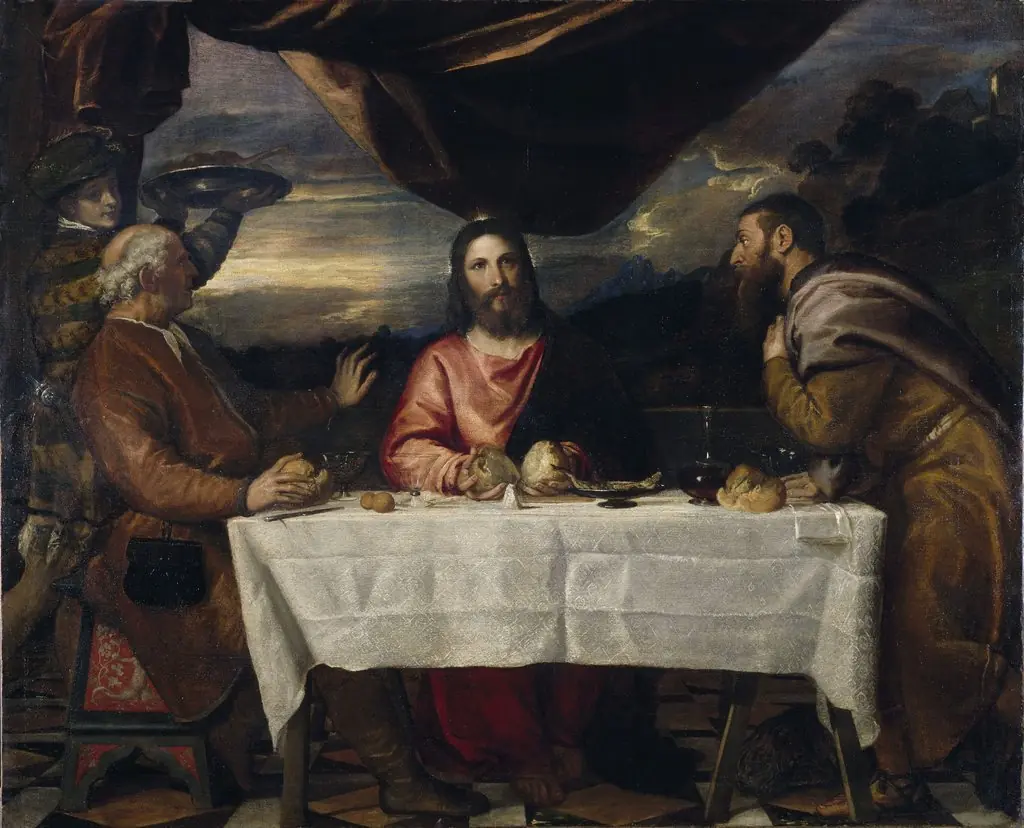
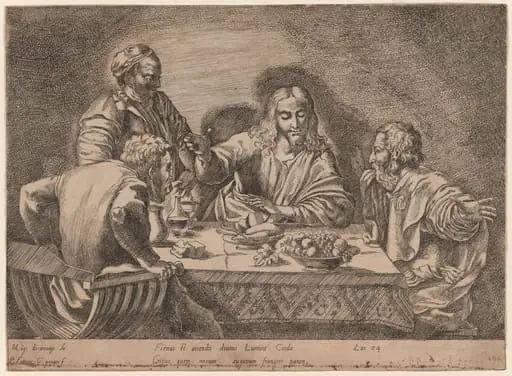
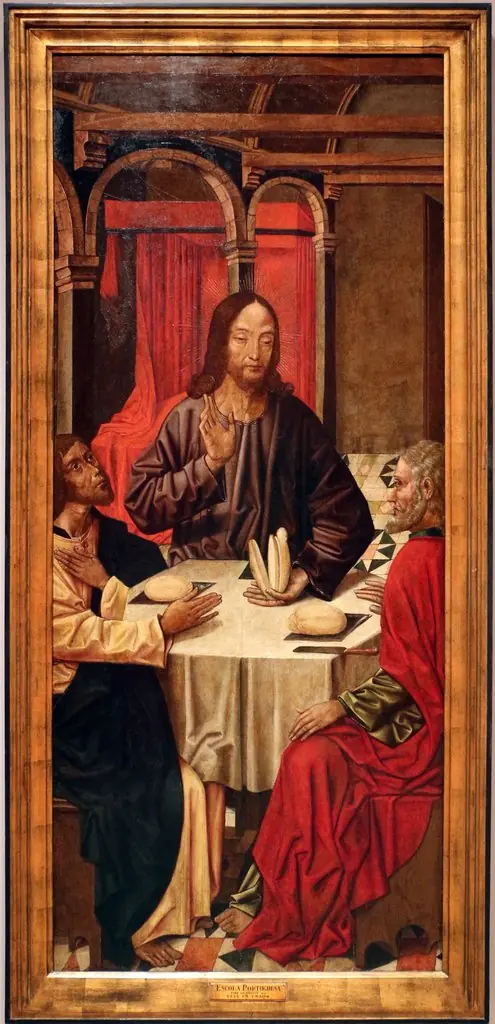
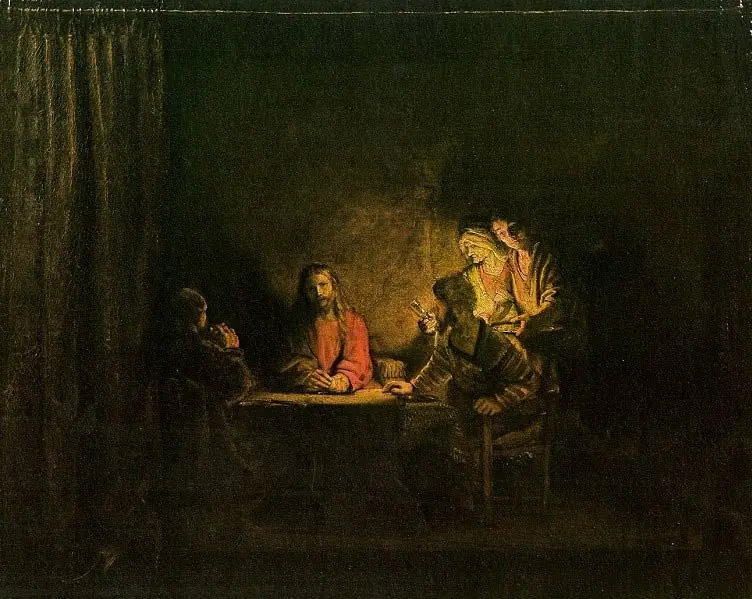
Created around 1750, this black-and-white photograph captures a scene from the biblical story of the Supper at Emmaus. The image is held in the collection of the Museum of Ethnography. Though the medium is photographic, the composition deliberately echoes classical religious painting, using contrast and gesture to convey emotional weight rather than color or detail.
Subject & Meaning
The quiet tension of the moment transforms a simple meal into a revelation, aligning the image with devotional narratives of divine manifestation.
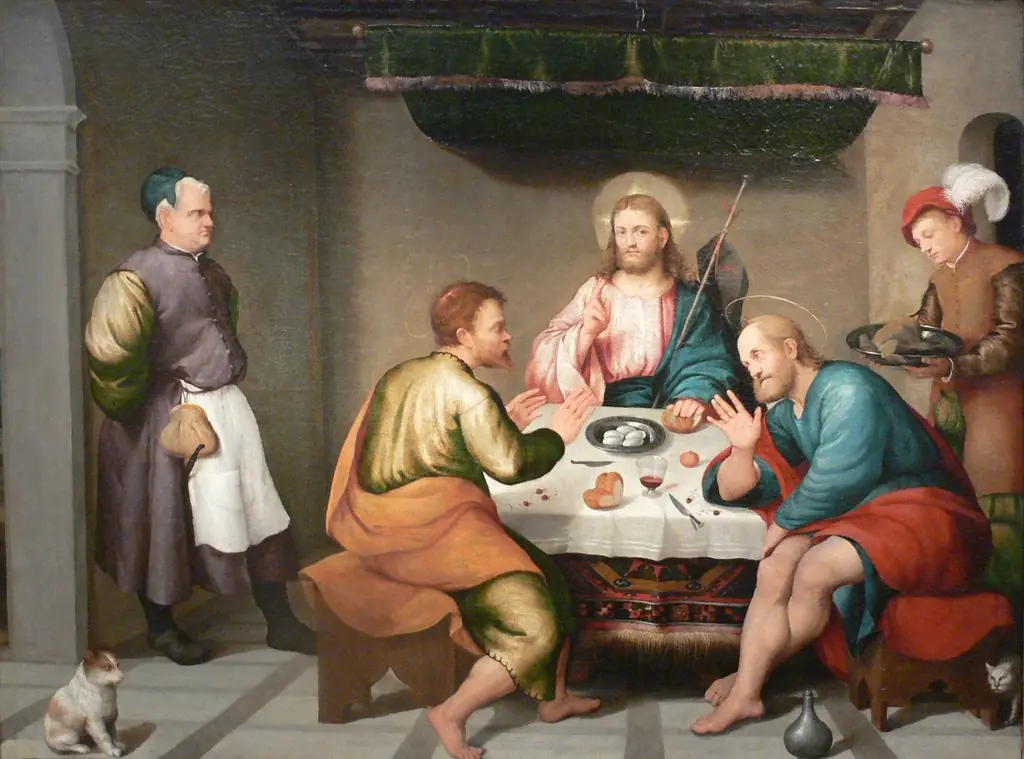
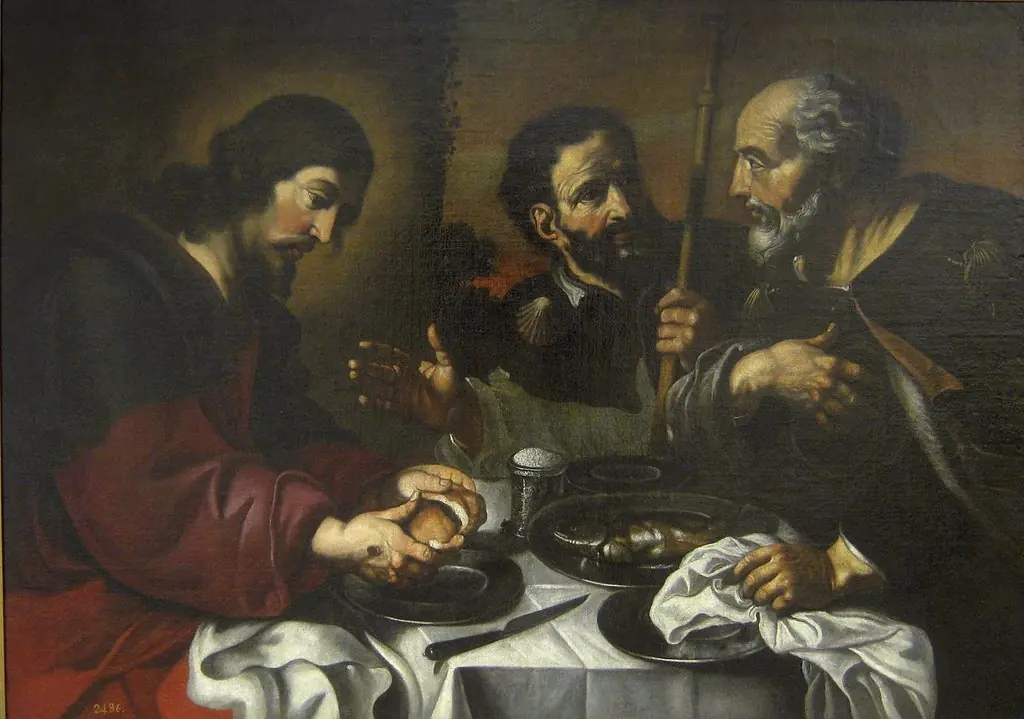
The scene depicts the moment when the resurrected Christ reveals himself to two disciples during a meal. One figure, centrally positioned, reacts with surprise, arm extended toward an unseen presence. The other two lean forward, their postures suggesting recognition and awe. The quiet tension of the moment transforms a simple meal into a revelation, aligning the image with devotional narratives of divine manifestation.
Technique & Style
The photograph employs strong chiaroscuro, using stark contrasts between light and shadow to model faces and hands. This technique, borrowed from Baroque painting, heightens emotional intensity and directs focus to gestures and expressions. The absence of color and the sharp delineation of forms give the image a sculptural quality, emphasizing texture and movement over environmental detail.
History & Provenance
The photograph entered the Museum of Ethnography’s collection in the late 19th or early 20th century, likely acquired as part of a broader effort to document religious imagery across cultures. Its origin as a photographic reproduction of a painted composition remains unverified, but its presence in an ethnographic context suggests an interest in how sacred narratives were visually transmitted beyond traditional art forms.
Context
In the mid-18th century, biblical scenes were frequently reproduced in prints and photographs for domestic and educational use. This image reflects a period when religious iconography was being reinterpreted through new visual technologies. The composition’s theatricality aligns with popular devotional imagery of the time, adapted for mass circulation rather than ecclesiastical display.
Legacy
The photograph endures as a quiet example of how traditional religious subjects were reimagined through emerging photographic practices. Its inclusion in an ethnographic museum underscores its role as a cultural artifact—evidence of how visual storytelling shaped spiritual understanding in non-elite contexts, long after the original painted versions faded from public view.
Artist & collection

 Domestic Scene
 Giacomo and Cardinal Marco, investing Andrea, Abbot of San Zeno, with his Benefice
 The Nymph of Fontainebleau
 Portrait of a Woman
 Madonna and Child with Saints in the Enclosed Garden
 Venus and Minerva
 Family Group of Four on Sofa
 Wall painting from Room H of the Villa of P. Fannius Synistor at Boscoreale