Artwork
The Supper at Emmaus
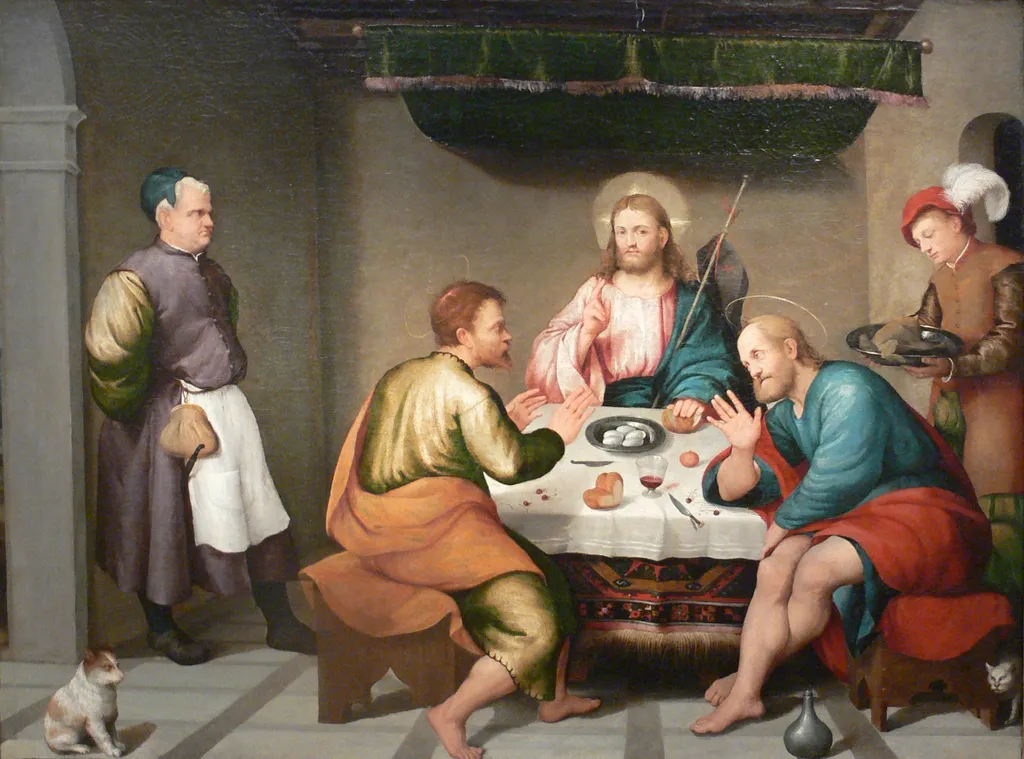
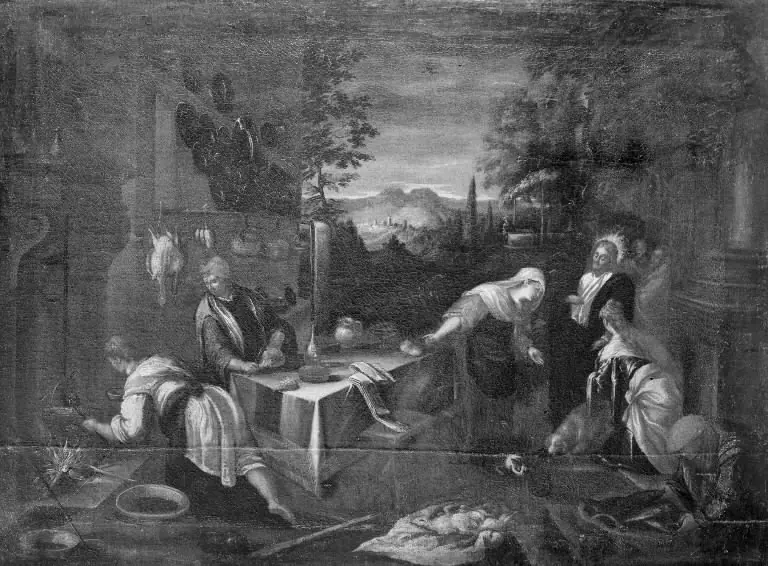
The Supper at Emmaus is an oil painting by the Mannerist artist Jacopo Bassano. It dates from 1538 and is held in the collection of the Kimbell Art Museum.
About this work
Overview
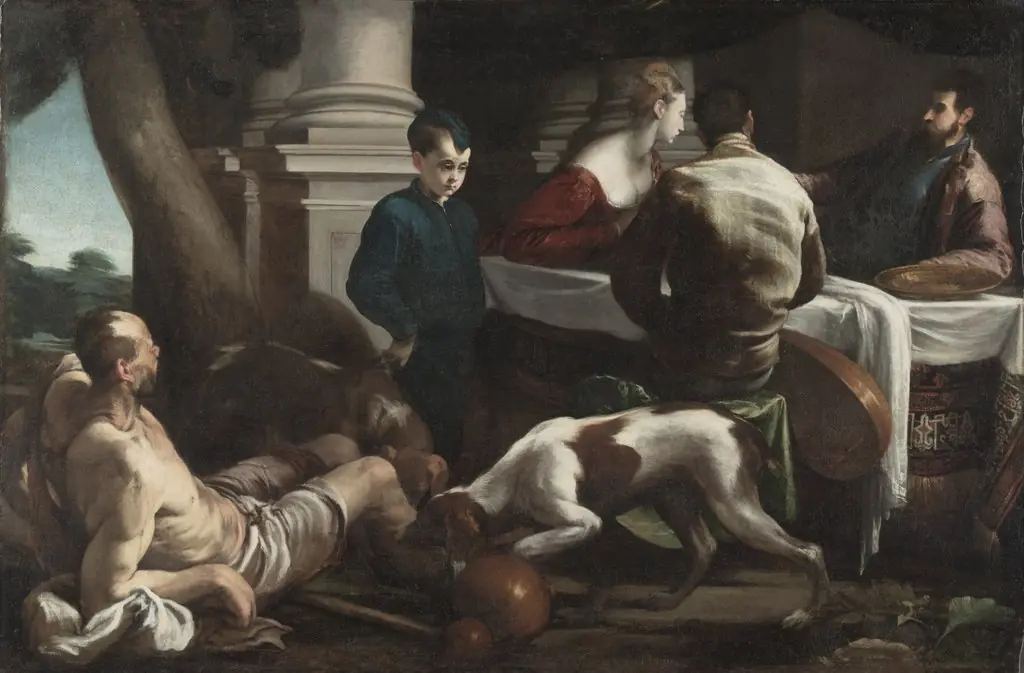
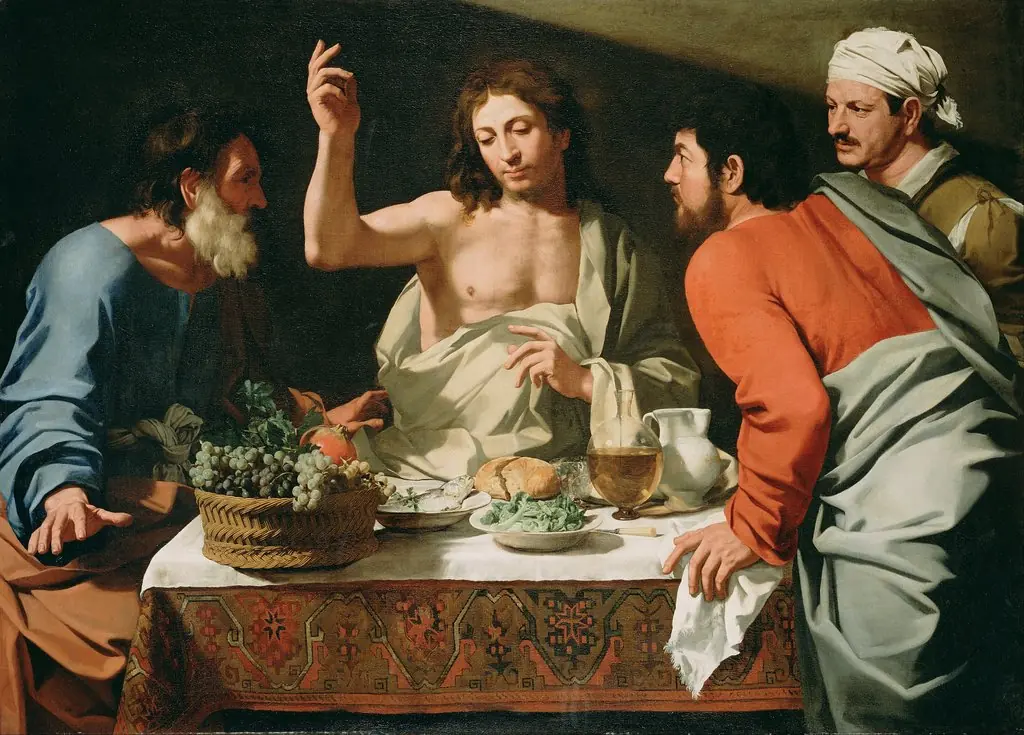
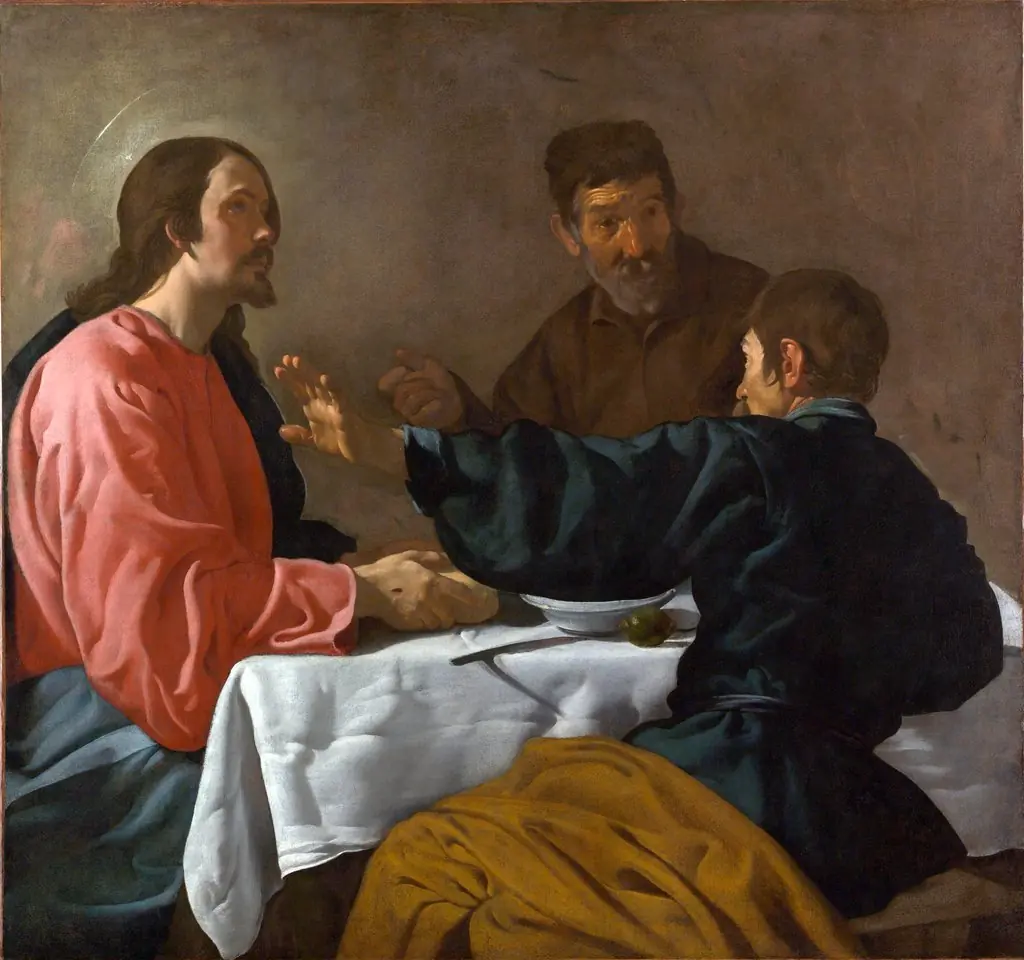
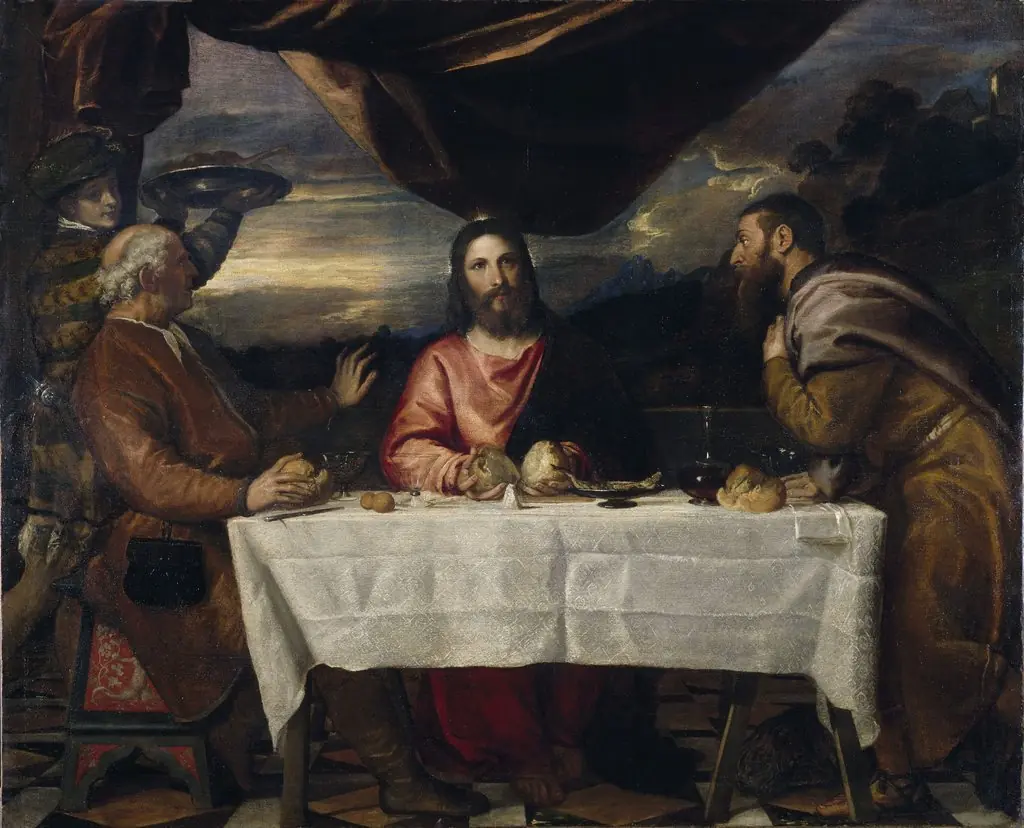
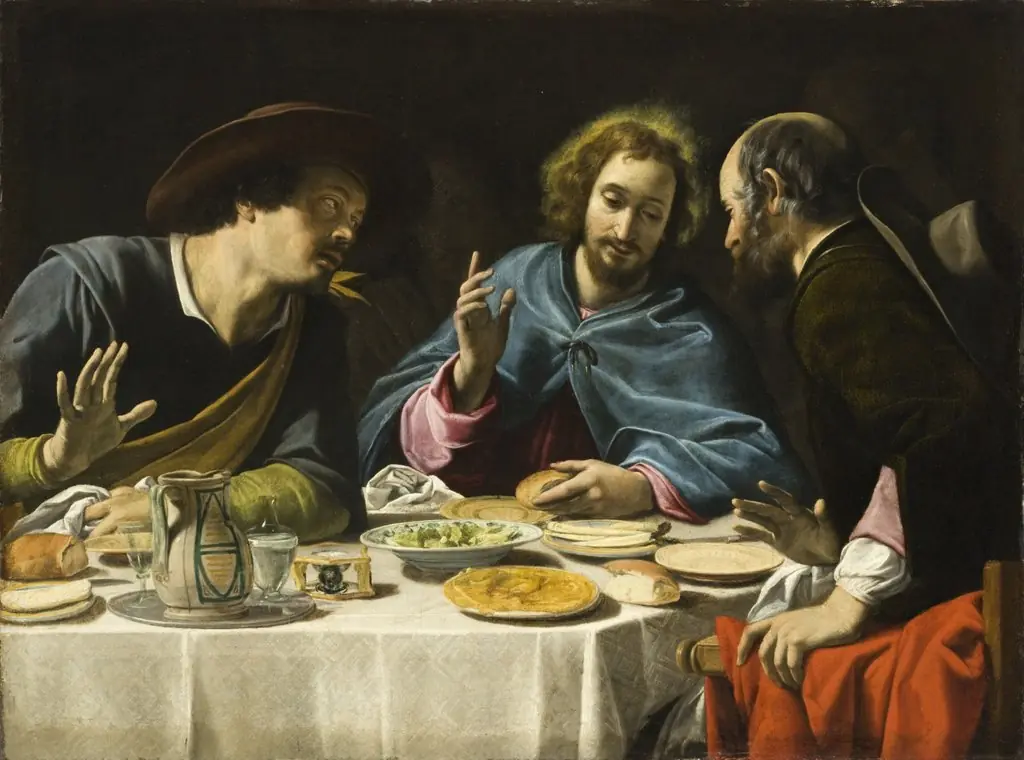
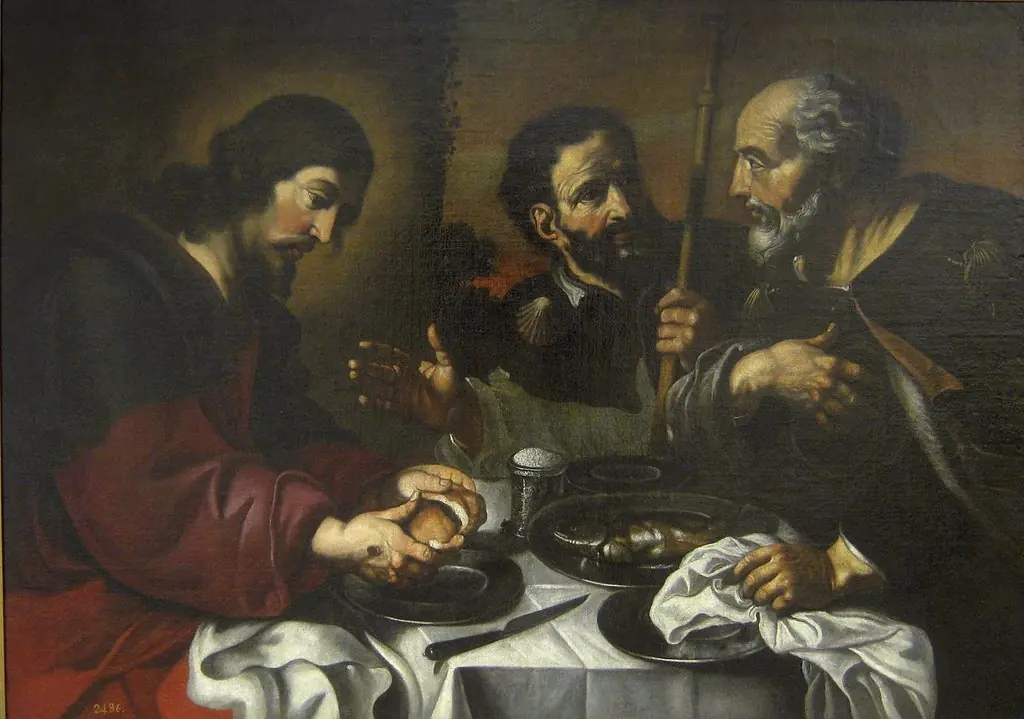
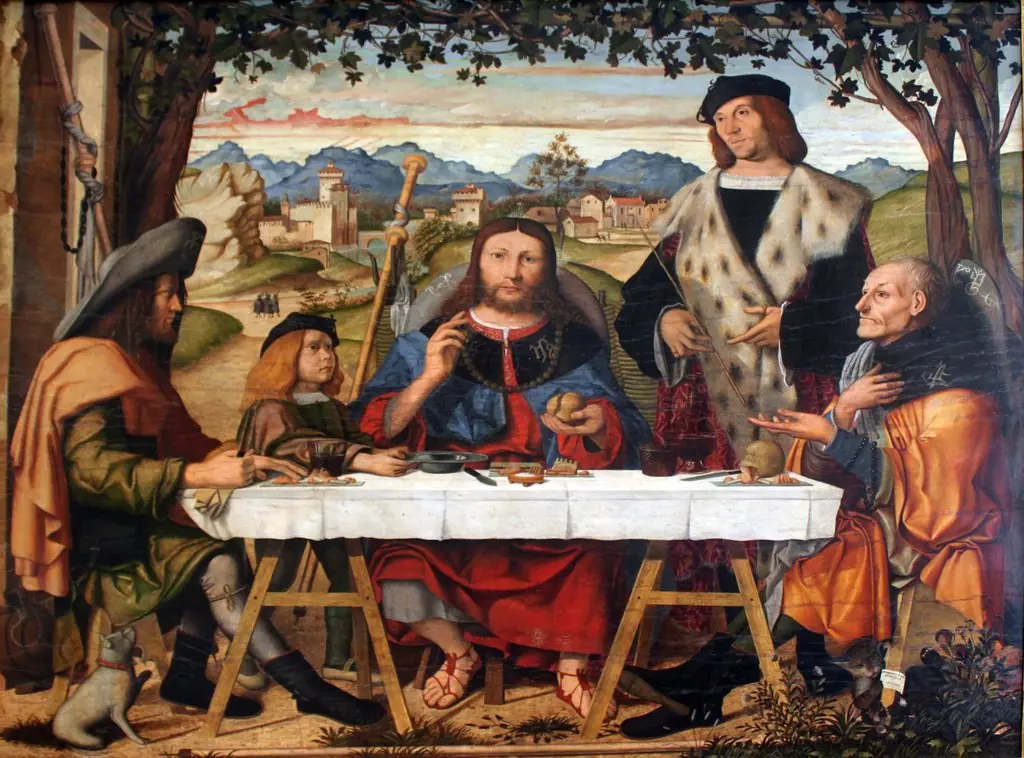
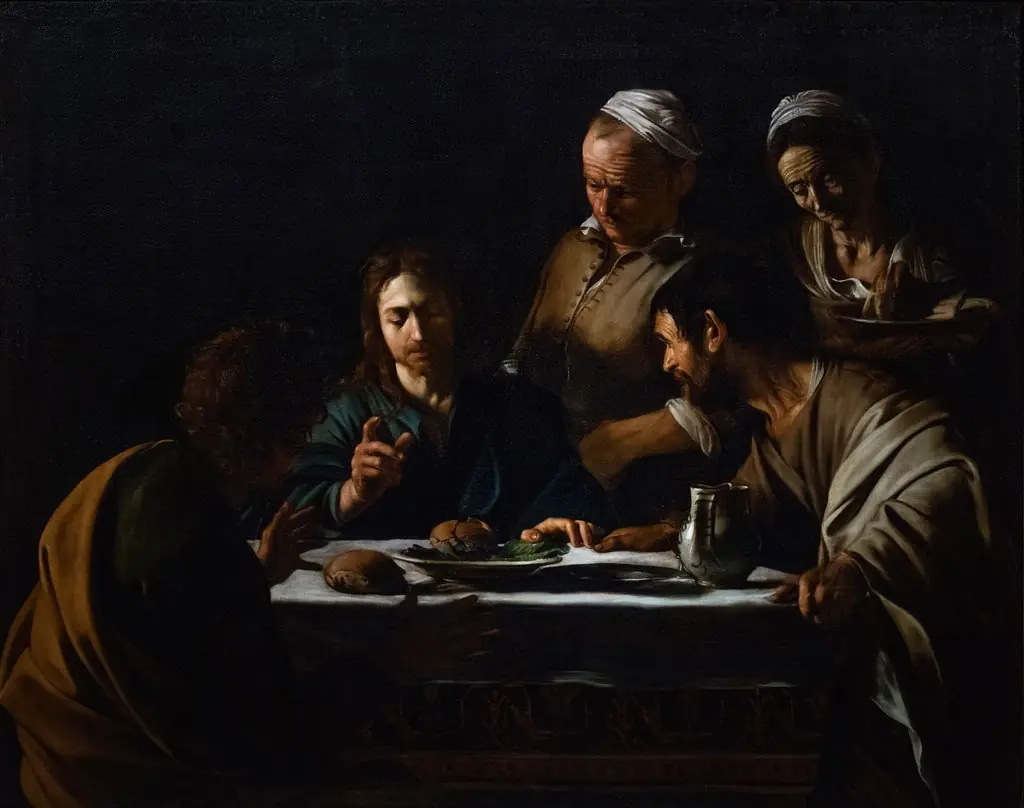
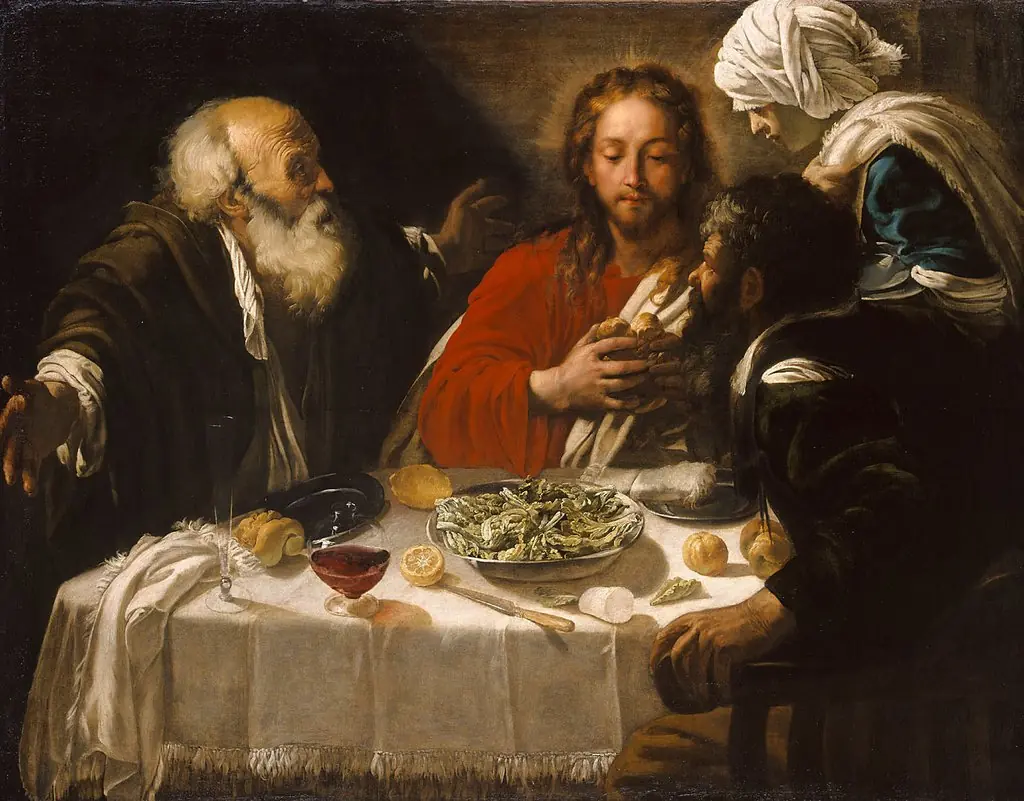
Jacopo Bassano’s oil on canvas, dated 1538, portrays a biblical banquet known as the Supper at Emmaus. The work resides in the collection of the Kimbell Art Museum. It presents a modest interior where several figures gather around a table, illuminated by a subtle play of light that defines the composition’s spatial depth.
Subject & Meaning
The scene depicts the moment after Christ’s resurrection when he reveals his identity to two disciples at Emmaus. One figure, distinguished by a halo and a staff, represents the risen Christ, while the other men, clothed in contemporary robes, embody the bewildered travelers. The inclusion of domestic animals, a dog and a cat, adds a quotidian realism to the sacred narrative.
Technique & Style
Bassano employs a restrained palette of blues, reds, and yellows, allowing the colors to harmonize without overwhelming the viewer.
Bassano employs a restrained palette of blues, reds, and yellows, allowing the colors to harmonize without overwhelming the viewer. The artist’s handling of chiaroscuro creates a gentle contrast between illuminated surfaces—such as the bread, plate, and knife—and the shadowed corners of the room, giving the composition a three‑dimensional presence. Textural brushwork suggests the tactile qualities of the fabrics and furnishings.
History & Provenance
Executed in the mid‑sixteenth century, the painting reflects Bassano’s mature period in the Venetian tradition. After remaining in private hands for several centuries, it entered the Kimbell Art Museum’s collection, where it has been displayed as part of the museum’s European paintings holdings, contributing to the institution’s representation of Renaissance religious art.
Own this work as a print
Artist & collection
Artist
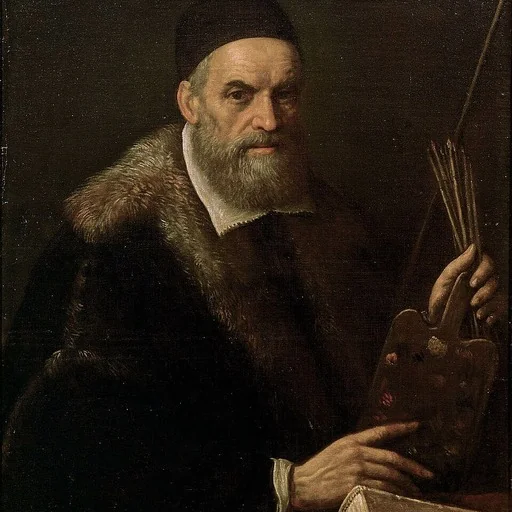
Jacopo Bassano was an Italian Renaissance painter of the Venetian school. He was born and died in Bassano del Grappa, and took the village as his surname. Having trained in the workshop of his father, Francesco the…