Artwork
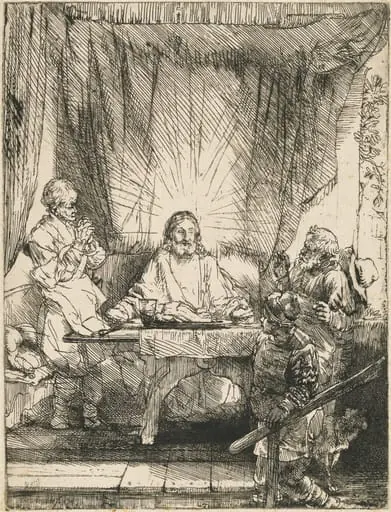
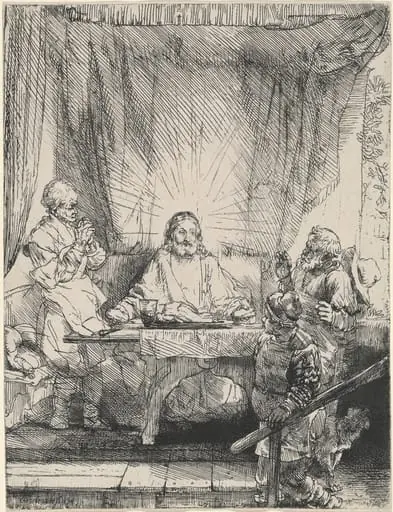
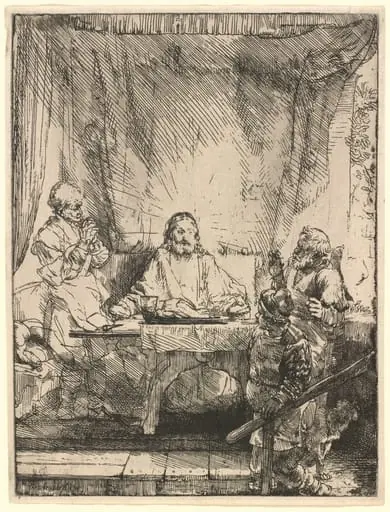
The Supper at Emmaus
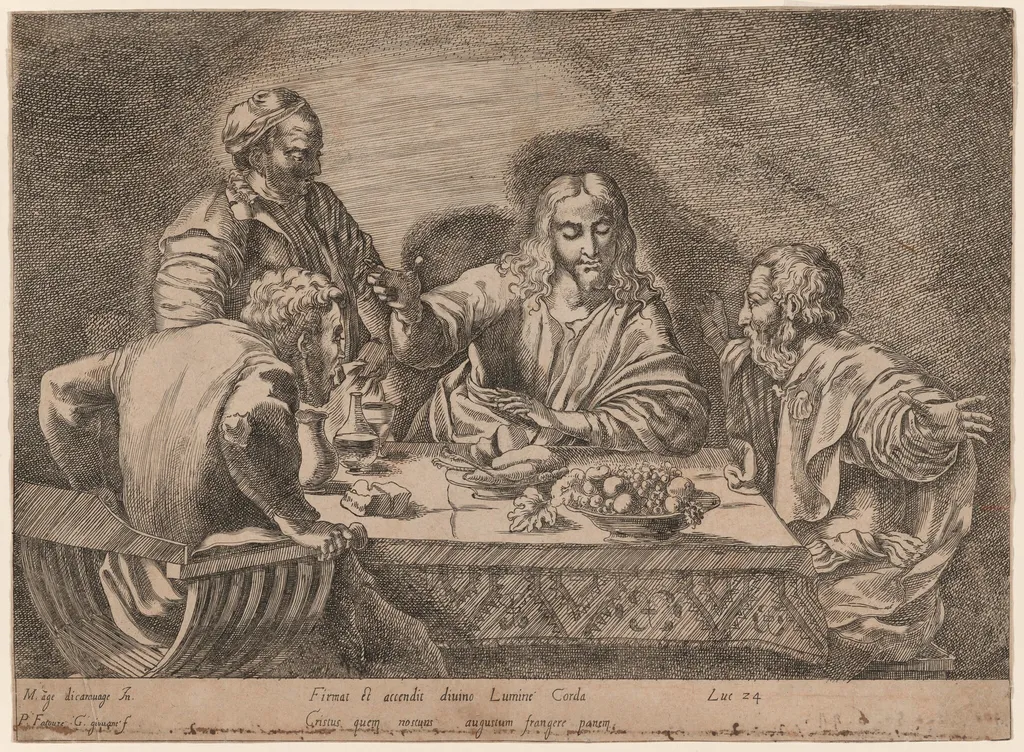
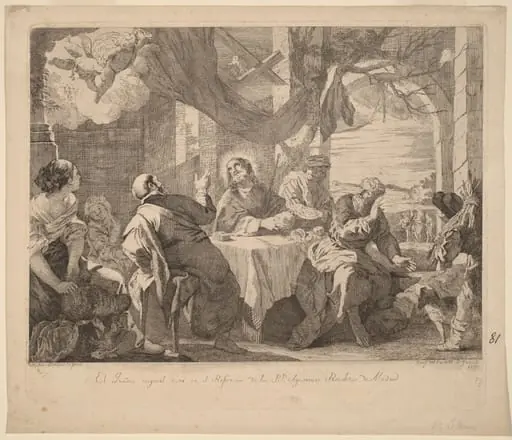
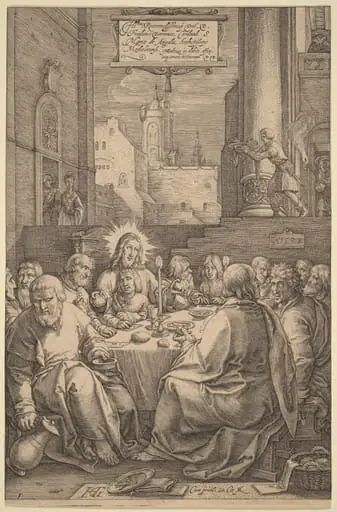
The Supper at Emmaus is an ink print by the Baroque artist Pierre Fatoure. It dates from 1610 and is held in the collection of the National Gallery of Art.
About this work
Overview
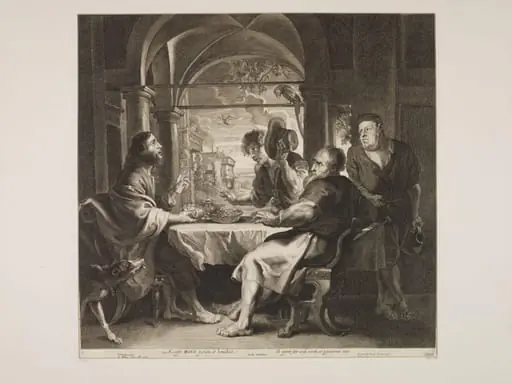
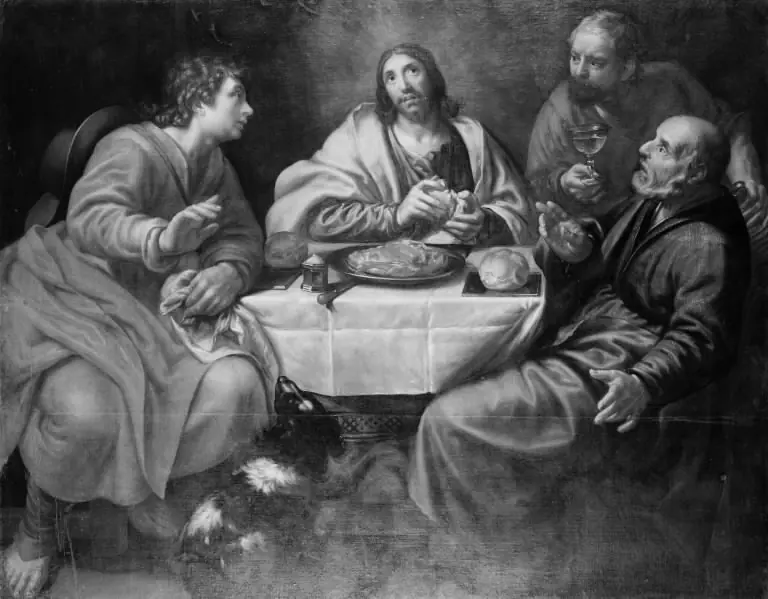
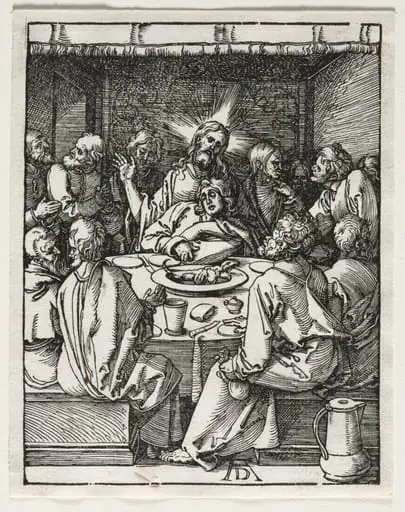
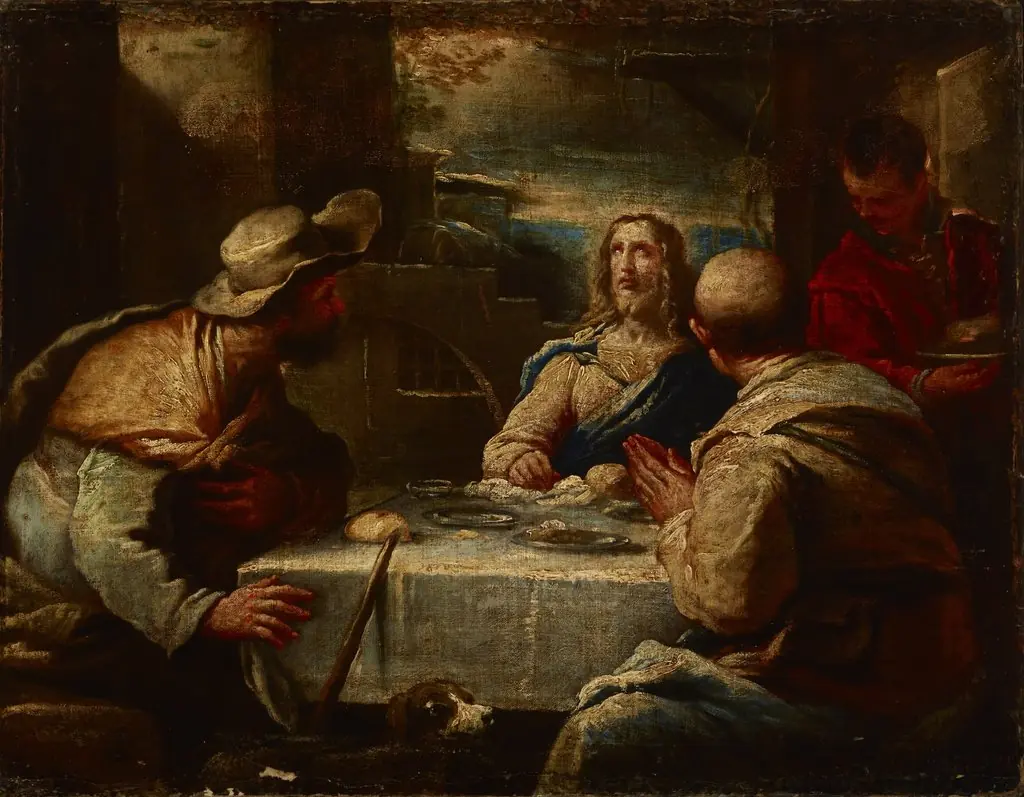
Created around 1610 by Pierre Fatoure, this print depicts the biblical moment of Christ’s revelation to two disciples in Emmaus.
Created around 1610 by Pierre Fatoure, this print depicts the biblical moment of Christ’s revelation to two disciples in Emmaus. Executed in etching and engraving on laid paper, the work captures a quiet interior scene with precise linear detail. It is part of the collection at the National Gallery of Art in Washington, D.C., where it represents early 17th-century Northern European printmaking traditions.
Subject & Meaning
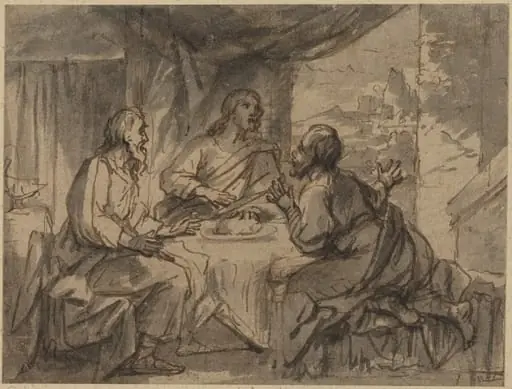
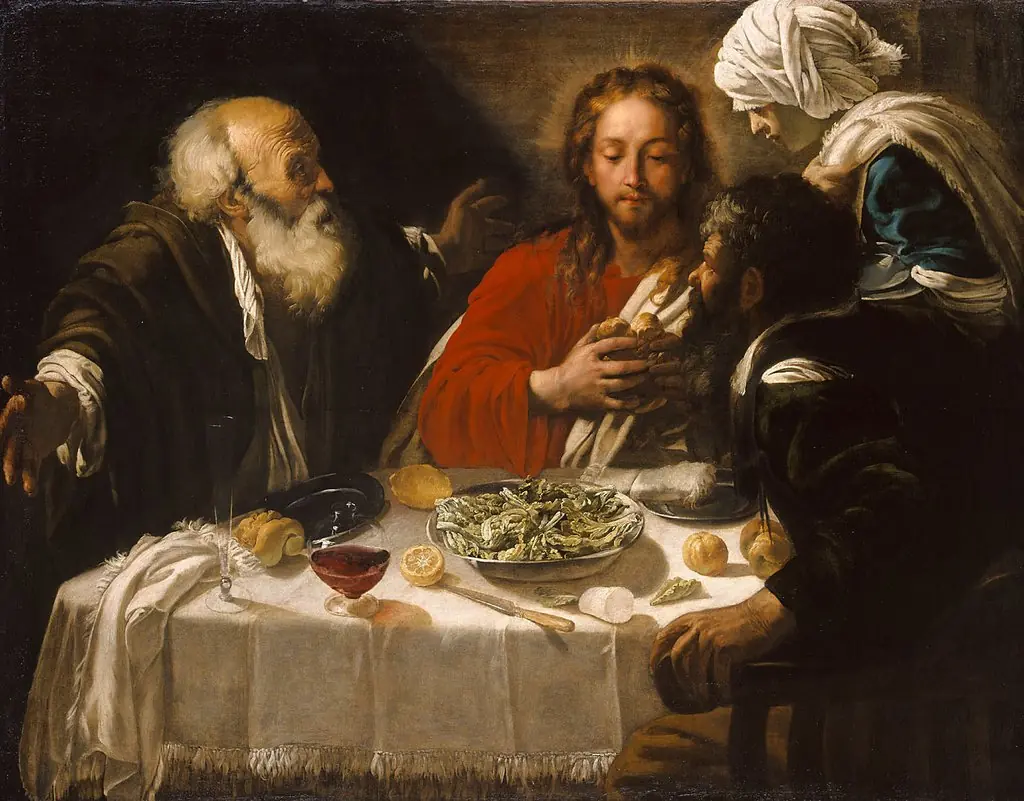
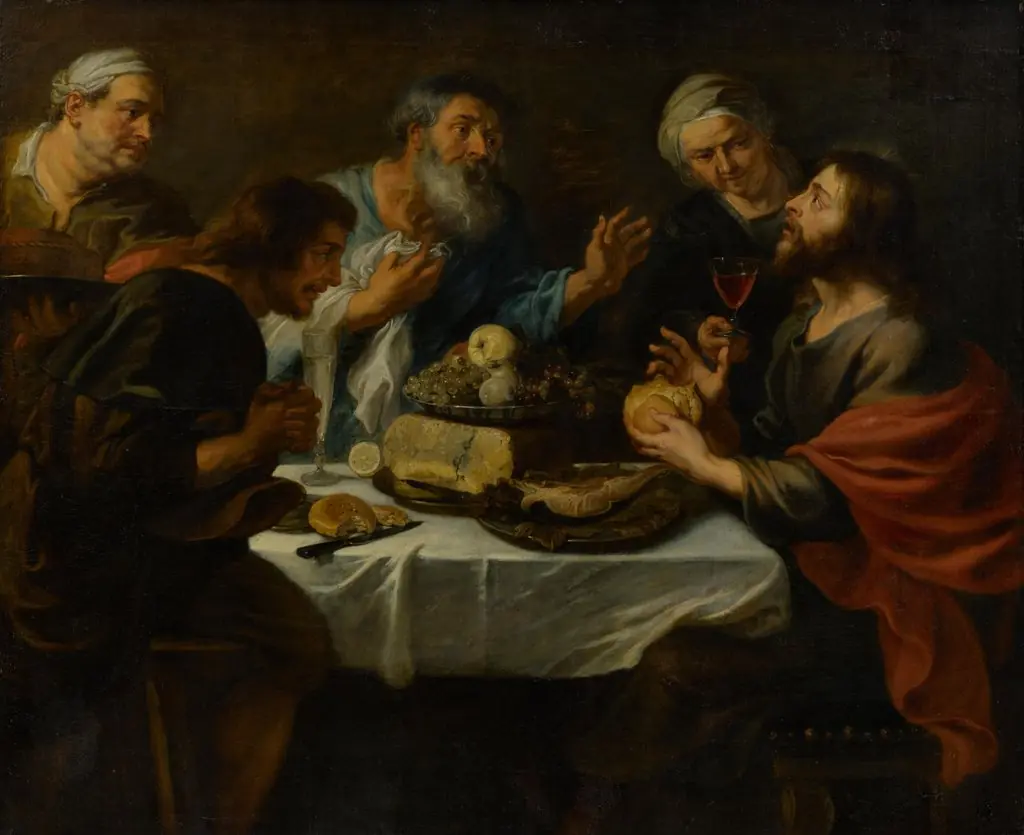
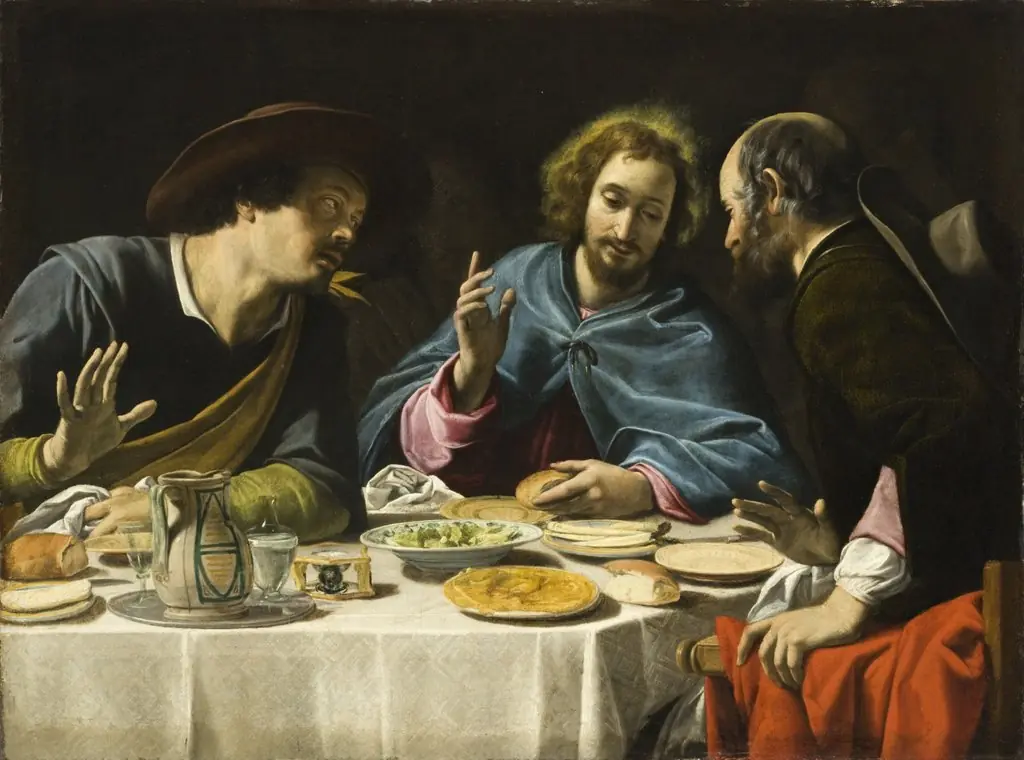
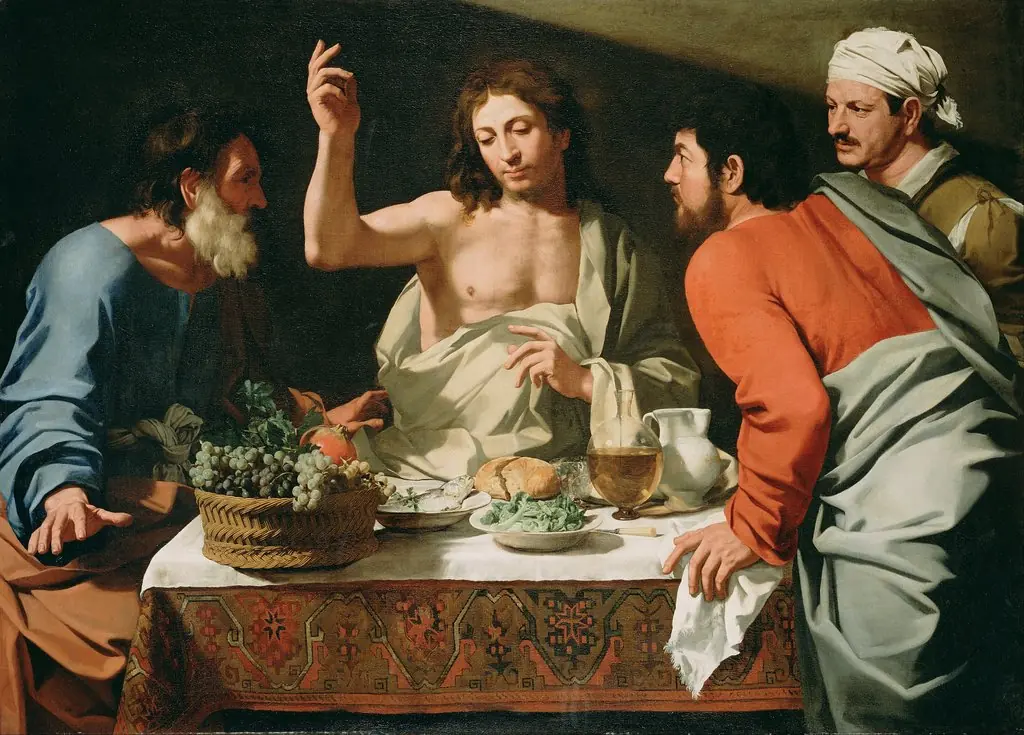
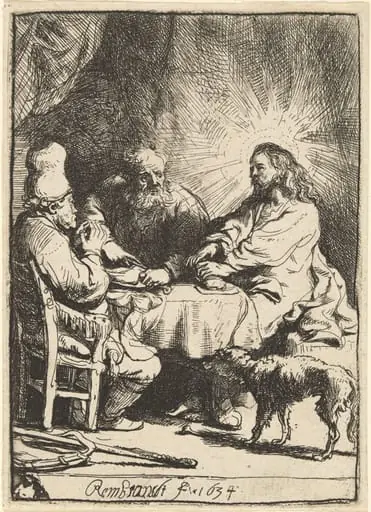
The scene illustrates the moment from Luke 24 when the resurrected Christ is recognized by his followers during a meal. One figure points toward bread on the table, another rests calmly beside fruit, while a third, cloaked figure stands behind—likely Christ himself. The tension between ordinary domesticity and spiritual revelation is conveyed through posture and gesture, not overt drama.
Technique & Style
Fatoure employed fine, controlled lines typical of engraving, with cross-hatching to model form and shadow. The etching technique allowed for fluid contours, particularly in the folds of the cloak and the texture of the tableware. The composition is tightly framed, focusing attention on the figures and the central objects—bread, cup, and fruit—enhancing the narrative intimacy.
History & Provenance
The print was made in the early 1600s, likely in France or the Low Countries, where religious subjects were commonly rendered in prints for private devotion. It entered the National Gallery of Art’s collection in the 20th century, having passed through private hands in Europe. Its survival in good condition reflects its careful preservation over centuries.
Context
During this period, biblical narratives were frequently reproduced as prints to reach wider audiences beyond painted altarpieces. Artists like Fatoure adapted compositions from paintings into engraved formats, making sacred stories accessible in homes and scholarly circles. The emphasis on emotional restraint aligns with Counter-Reformation ideals favoring quiet contemplation over theatricality.
Legacy
Fatoure’s work contributes to a broader tradition of religious printmaking that bridged devotional practice and artistic innovation. Though not widely known today, his precise technique and narrative clarity influenced later engravers who sought to convey spiritual moments through subtle gesture and composition rather than grandeur.
Artist & collection