Artwork
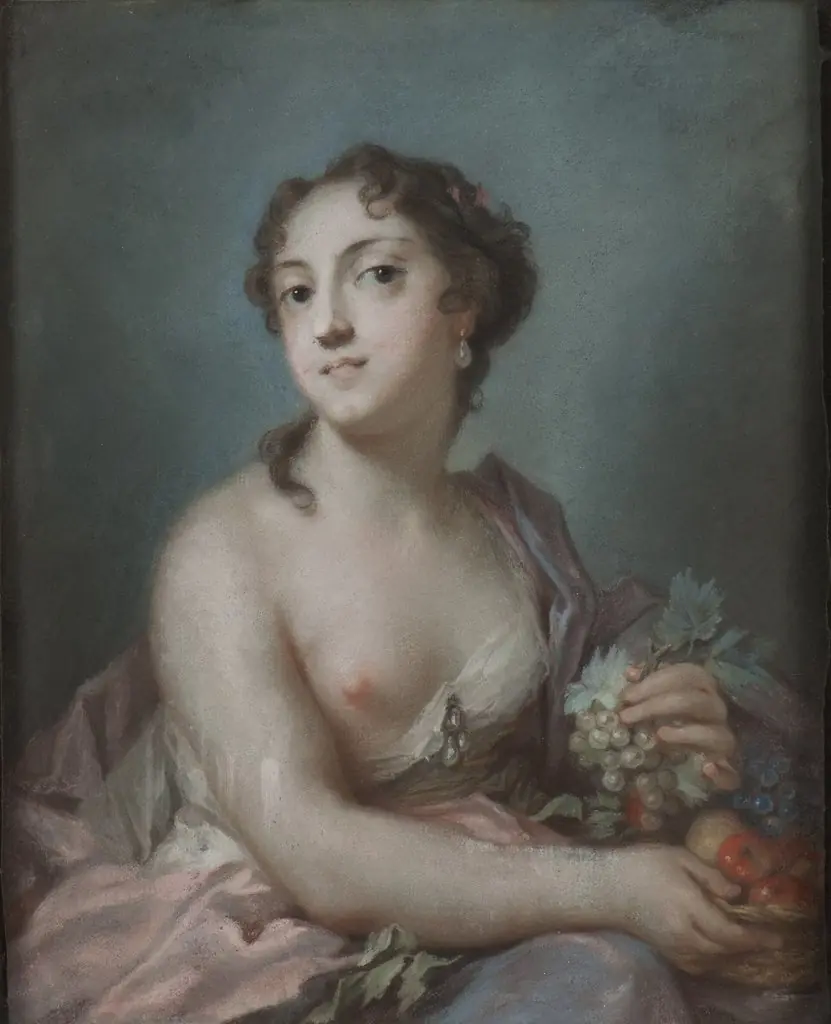
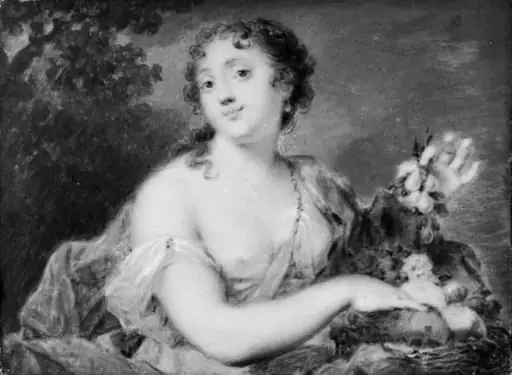
Kvindelig figur forestillende "Efter høsten"
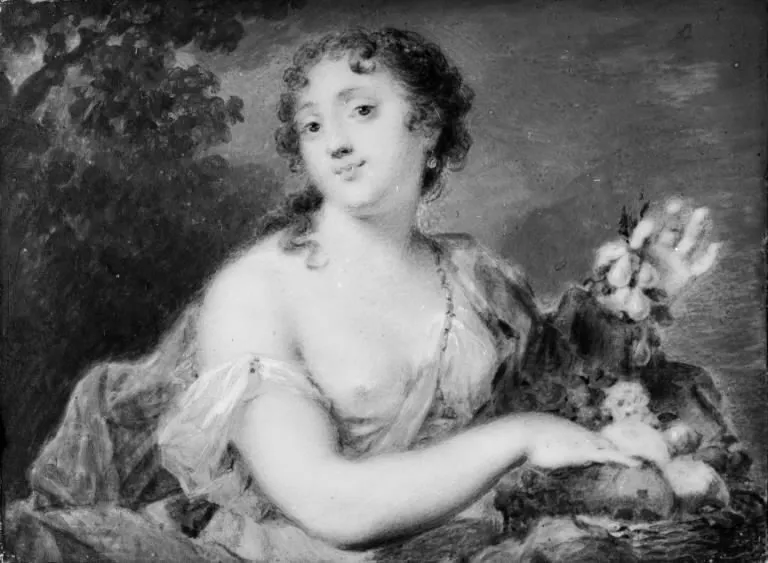
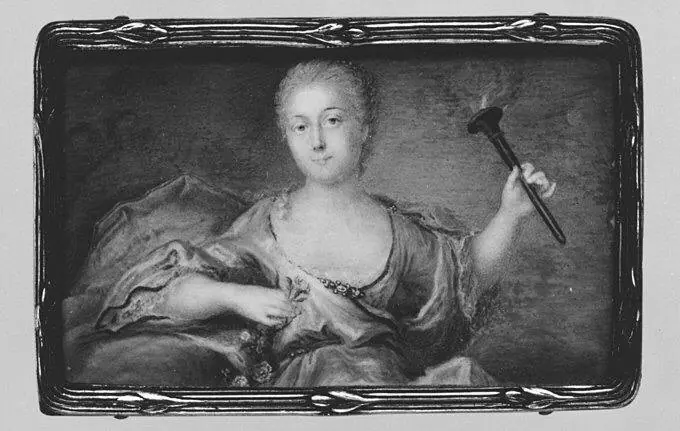
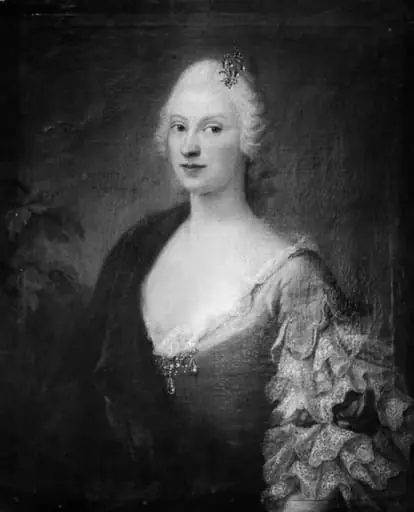
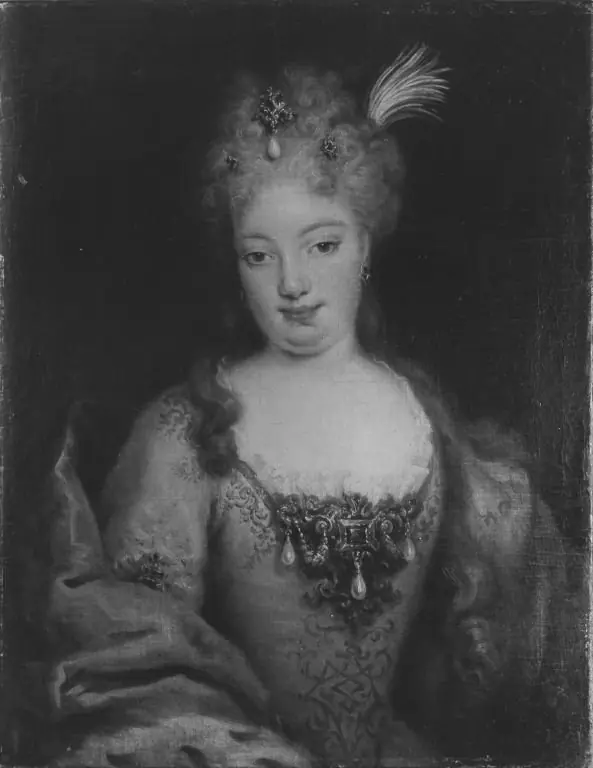
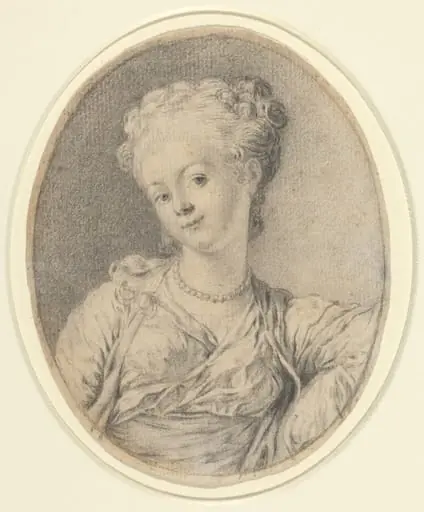
Kvindelig figur forestillende "Efter høsten" is an unspecified painting by the Rococo painting artist Cornelius Hoeyer. It dates from 1766 and is held in the collection of the Statens Museum for Kunst. Painted in 1766 by Danish artist Cornelius Høyer, this work is a rare full-scale painting by an artist best known for miniature portraiture.
About this work
Overview
Painted in 1766 by Danish artist Cornelius Høyer, this work is a rare full-scale painting by an artist best known for miniature portraiture.
Painted in 1766 by Danish artist Cornelius Høyer, this work is a rare full-scale painting by an artist best known for miniature portraiture. Titled 'After the Harvest,' it presents a solitary female figure in a quiet natural setting. Unlike his delicate miniatures, this piece explores allegorical themes through a larger format, reflecting Høyer’s versatility and engagement with contemporary European artistic trends beyond his primary medium.
Subject & Meaning
The figure represents an allegory of the season following harvest, symbolizing rest or reflection after labor. Dressed lightly and seated amid sparse foliage, she holds a bundle of cotton, suggesting agricultural abundance. Her calm demeanor and averted gaze evoke introspection rather than action. The composition draws on classical traditions of personifying seasons, aligning with Enlightenment-era interests in nature and moralized rural life.
Technique & Style
Høyer employs subtle chiaroscuro to model the figure’s form against a dark, undefined background, enhancing the sense of intimacy and focus. The soft rendering of skin and fabric contrasts with the loose, indistinct foliage on the left, directing attention to the central figure. His miniature-painting precision informs the delicate handling of textures, particularly in the curls of hair and the drape of the dress, despite the larger scale.
History & Provenance
Created during Høyer’s early career, the painting entered the collection of Statens Museum for Kunst in Denmark, where it remains today. Its survival as a standalone work is notable, as Høyer’s reputation rested largely on miniatures commissioned by European nobility. The painting’s preservation suggests it was valued within Danish artistic circles, possibly as a demonstration of technical range beyond portraiture.
Context
In mid-18th-century Denmark, allegorical subjects inspired by French and Italian Rococo were gaining traction among artists seeking to elevate genre painting. Høyer, though trained in miniature portraiture, engaged with these broader trends, aligning with a European movement that idealized rural life and nature. This work reflects a transitional moment in Danish art, bridging courtly refinement and emerging national themes.
Legacy
While Høyer’s miniatures dominated his public legacy, this painting stands as a quiet testament to his ability to adapt his refined technique to allegorical themes. It remains one of the few large-scale works by him, offering insight into his artistic ambitions beyond commissioned portraits. Scholars view it as a significant, if understated, example of Danish Rococo’s engagement with symbolic representation.
Artist & collection
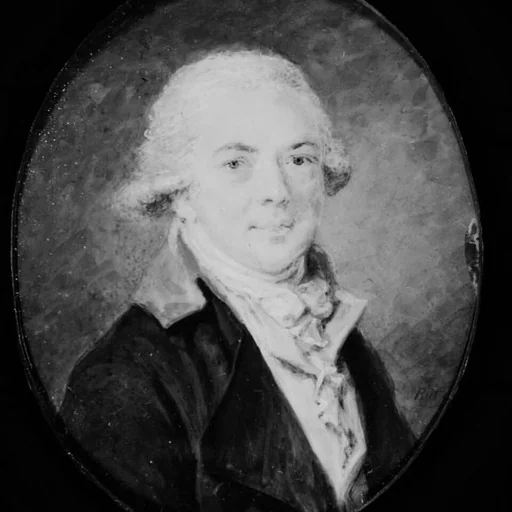
Artist
Cornelius Høyer (26 February 1741 – 2 June 1804) was a Danish painter, mainly known for his work in miniatures. Within his special trade, he was among the virtuosos of his day and won an international reputation.