Artwork
Maria Klementyna Sobieska
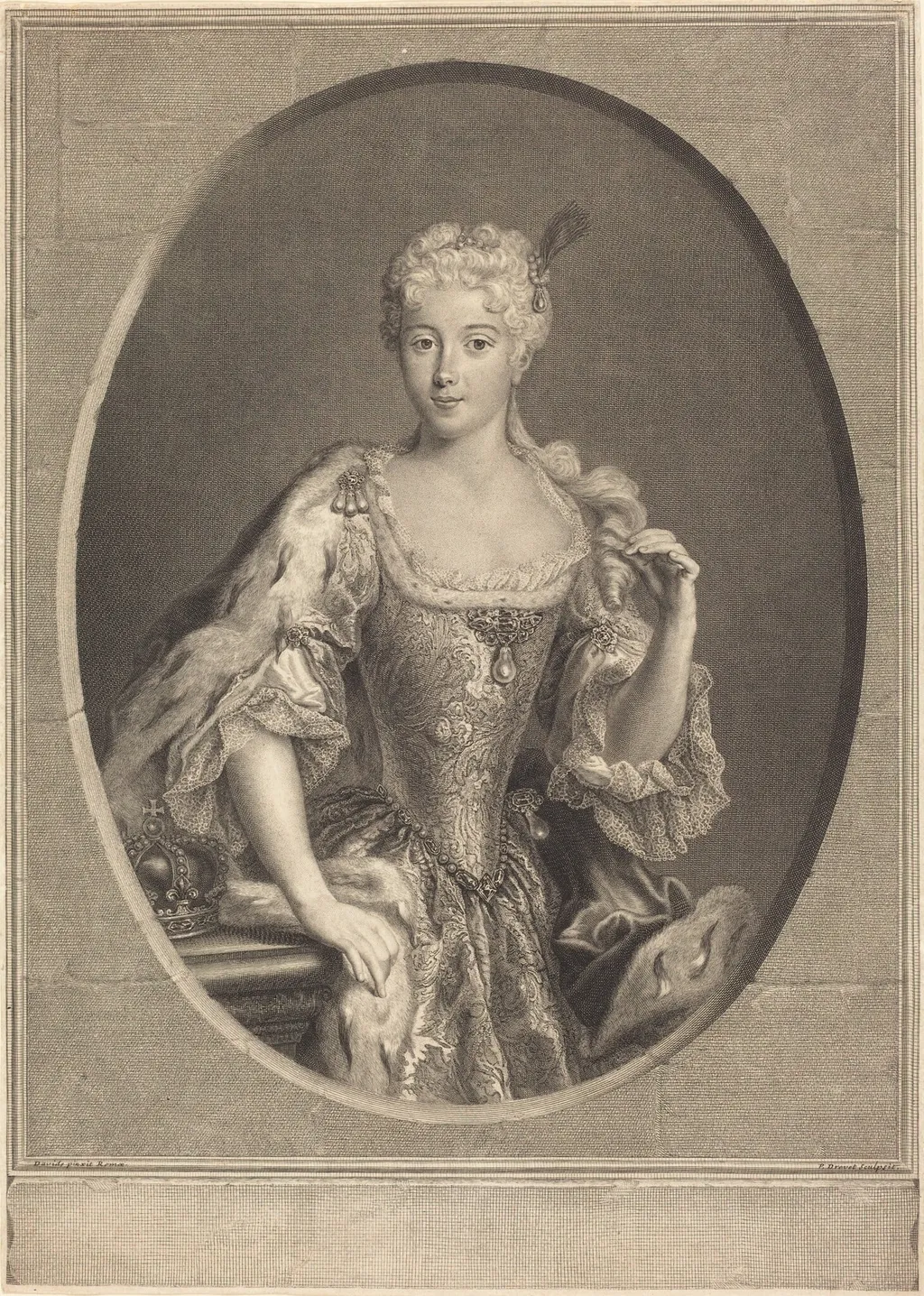
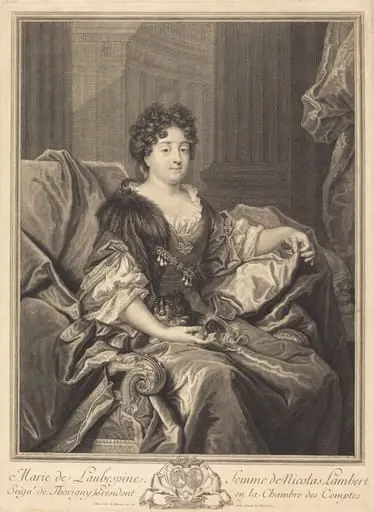
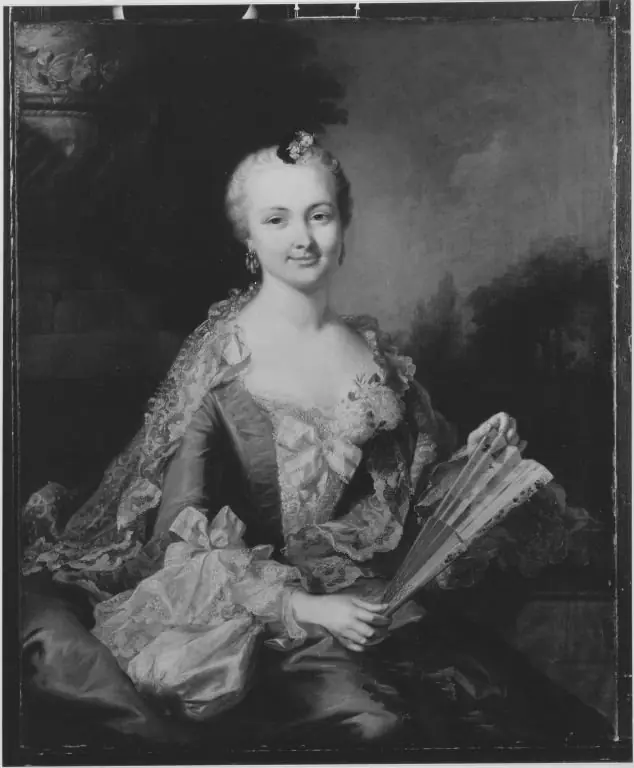
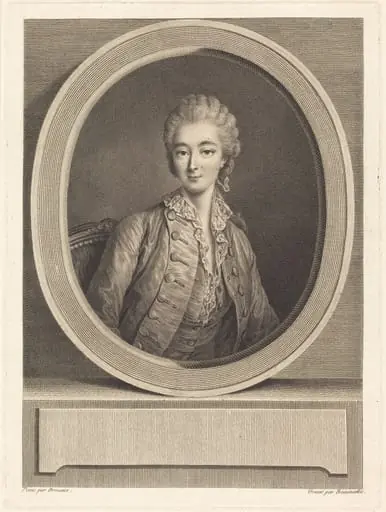
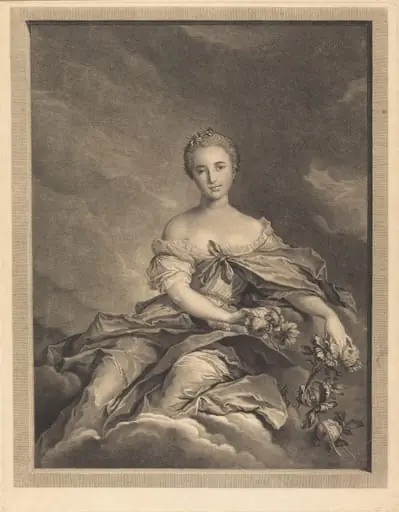
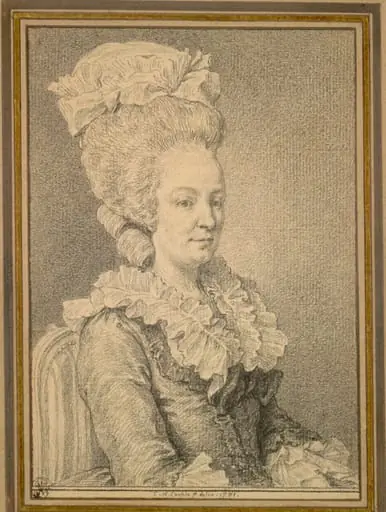
Maria Klementyna Sobieska is an ink print by the Baroque artist Pierre-Imbert Drevet. It dates from 1720 and is held in the collection of the National Gallery of Art. Created around 1720, this black‑and‑white print combines engraving and etching on laid paper.
About this work
Overview
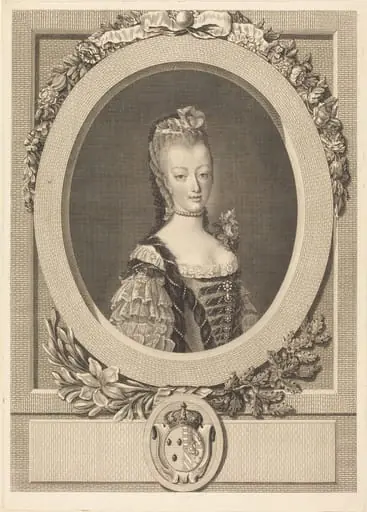
Created around 1720, this black‑and‑white print combines engraving and etching on laid paper. It presents a portrait of Maria Klementyna Sobieska, rendered with the precise linear quality typical of early eighteenth‑century French portrait prints. The image captures the sitter’s gentle expression and elaborate dress, offering a clear example of the period’s approach to printed likenesses.
Subject & Meaning
Maria Klementyna Sobieska, a member of the Polish‑Lithuanian royal family, is shown with curly hair, a low‑cut gown trimmed in lace, and a fur shawl draped across her shoulders. She rests her right hand on a small table while holding a fan in her left, a pose that conveys both refinement and the genteel leisure associated with aristocratic women of her era.
Technique & Style
The print employs a delicate network of fine lines to model the texture of hair, fabric, and fur, creating a subtle sense of depth. By integrating engraving’s crisp, controlled strokes with the freer, more spontaneous marks of etching, Pierre‑Imbert Drevet achieves a nuanced surface that balances clarity with a hint of atmospheric softness.
History & Provenance
The Drevet lineage, established by Pierre Drevet in the late seventeenth century, continued to supply the court and aristocracy with high‑quality prints.
Pierre‑Imbert Drevet inherited a long‑standing family workshop renowned for portrait engraving in France. The Drevet lineage, established by Pierre Drevet in the late seventeenth century, continued to supply the court and aristocracy with high‑quality prints. This particular portrait, produced by the son, reflects the family’s sustained reputation for technical mastery and fashionable subject matter.
Context
In the early eighteenth century, printed portraits served both decorative and documentary functions, circulating images of notable figures beyond the reach of painted commissions. The Drevet workshop catered to this demand, providing a visual record of European nobility that could be reproduced and disseminated among elite circles.
Artist & collection

Artist
The Drevet Family were leading portrait engravers of France for over a hundred years. Their fame began with Pierre, and was sustained by his son, Pierre-Imbert, and by his nephew, Claude.