Artwork
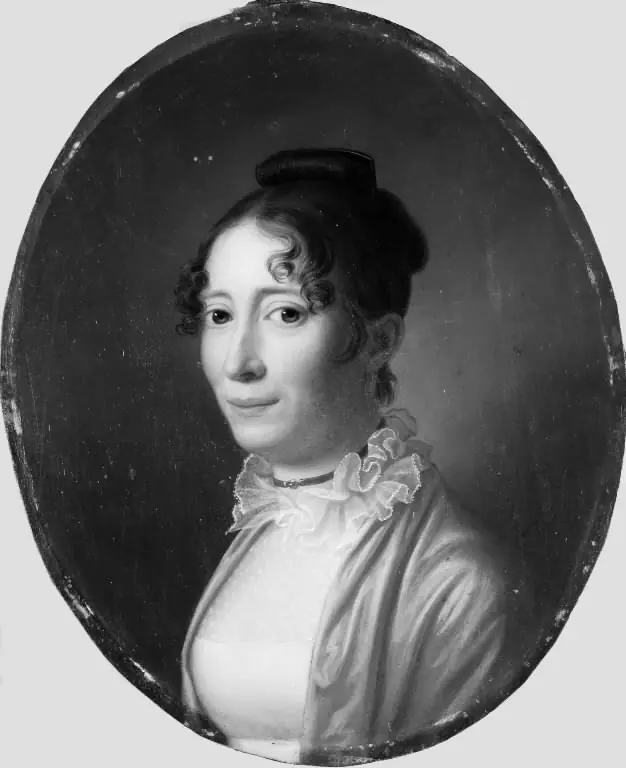
Konferensrådinde Marie Sophie Frølich, f. de Coninck
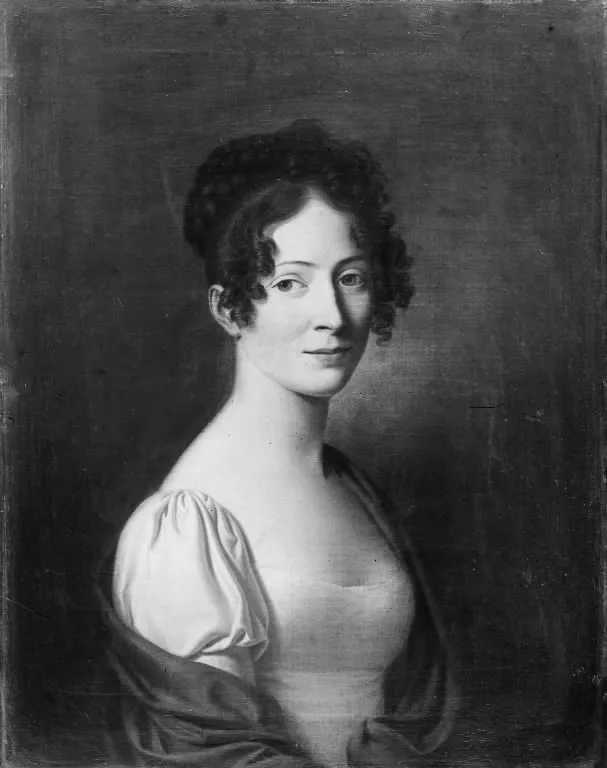
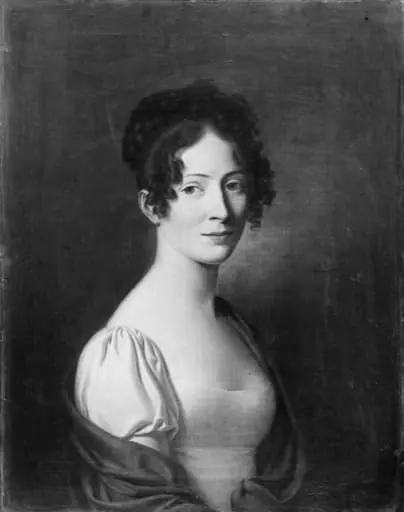
Konferensrådinde Marie Sophie Frølich, f. de Coninck is an oil painting by the Biedermeier artist Christian Gottlieb Kratzenstein-Stub. It dates from 1814 and is held in the collection of the Statens Museum for Kunst.
About this work
Overview
Executed during the height of the Danish Golden Age, the work exemplifies the quiet dignity favored in Biedermeier portraiture.
Painted in 1814 by Danish artist Christian Gottlieb Kratzenstein-Stub, this oil portrait captures Marie Sophie Frølich, née de Coninck, a woman of noble standing in early 19th-century Denmark. Executed during the height of the Danish Golden Age, the work exemplifies the quiet dignity favored in Biedermeier portraiture. Though Stub was primarily known for mythological subjects, this piece reveals his skill in capturing personal presence through restrained composition and subtle lighting.
Subject & Meaning
Marie Sophie Frølich, wife of a royal councilor, is portrayed not as a symbol of power but as an individual within her domestic sphere. Her neutral expression and averted gaze suggest introspection rather than performative formality. The modest elegance of her attire and the absence of overt status markers reflect Biedermeier values—privacy, refinement, and emotional restraint—offering a window into the private lives of Denmark’s upper class during a period of social transition.
Technique & Style
Stub employs chiaroscuro to model the figure with soft, directional light, enhancing the volume of her form against a dark, unobtrusive background. The white dress and draped shawl are rendered with delicate tonal shifts, avoiding excessive detail to preserve intimacy. Brushwork is controlled yet fluid, emphasizing texture without distraction. The composition’s simplicity—centered figure, minimal props—focuses attention on the sitter’s presence, characteristic of Biedermeier’s preference for quiet realism over theatricality.
History & Provenance
The portrait has remained in Danish public collections since its creation, now held by Statens Museum for Kunst in Copenhagen. Its continuous presence in institutional care suggests early recognition of its artistic merit within Denmark’s cultural heritage. No significant alterations or documented restorations are recorded, indicating careful preservation since the early 19th century.
Context
Created during a period of national self-definition after the Napoleonic Wars, Danish portraiture increasingly emphasized domestic virtue and personal dignity over aristocratic display. Stub’s portrait aligns with this shift, mirroring broader societal values that favored modesty and emotional sincerity. The Biedermeier aesthetic, rooted in middle-class ideals, found resonance even among the nobility, who adopted its restrained language to express identity beyond rank.
Legacy
While not among Stub’s most celebrated works, this portrait stands as a representative example of Danish Golden Age portraiture that prioritized psychological subtlety over grandeur. It contributes to the understanding of how elite women were visually framed in early 19th-century Denmark—not as symbols of power, but as individuals within a changing social landscape. The painting continues to inform scholarly discussions on gender, class, and visual culture in Nordic art.
Artist & collection
Artist
Christian Gottlieb Kratzenstein-Stub
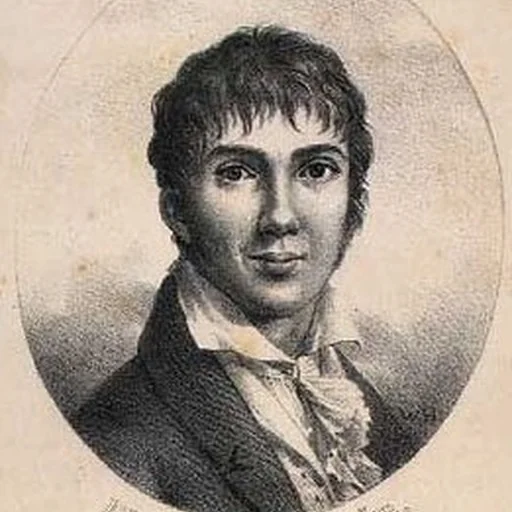
Christian Gottlieb Kratzenstein Stub (15 August 1783 – 24 July 1816), also written Kratzenstein-Stub, was a Danish Golden Age painter.


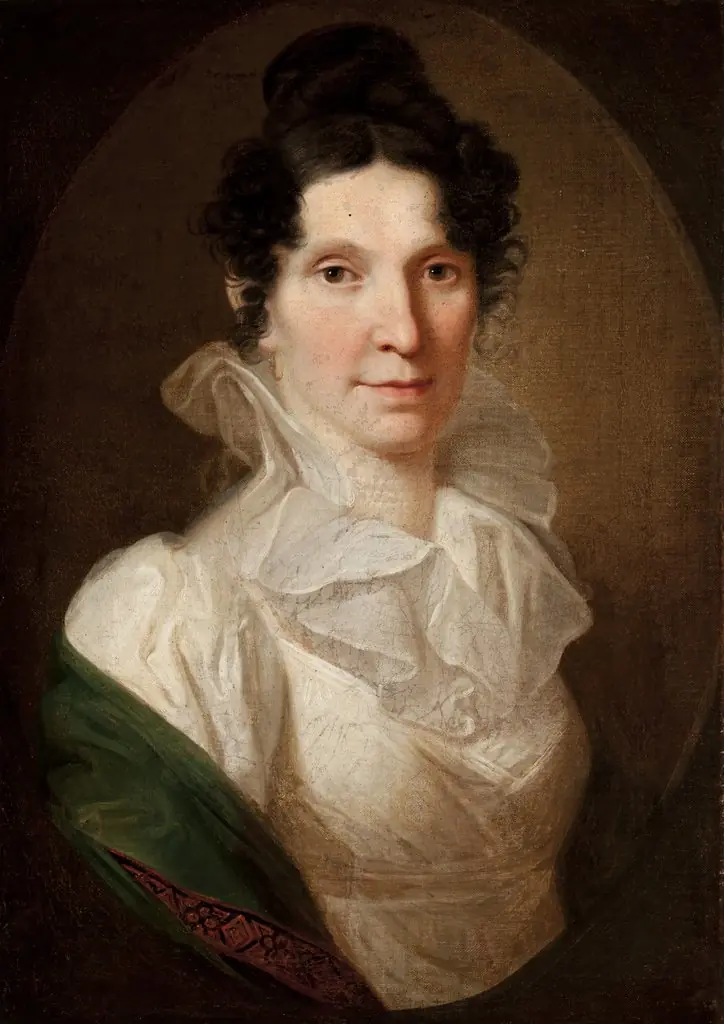 Portrait of Katarzyna Mężyńska née Działyńska
 Appolone Smith, f. Lottrup, amtsprovst Troels Smiths anden hustru
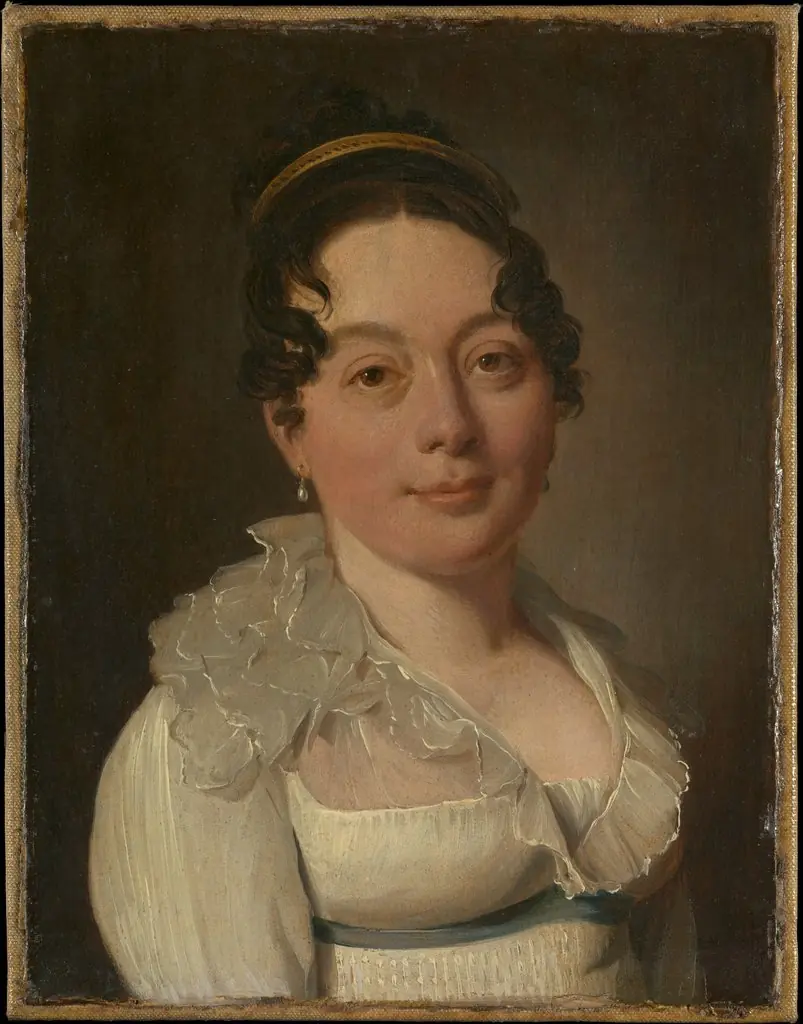 Portrait of a Woman
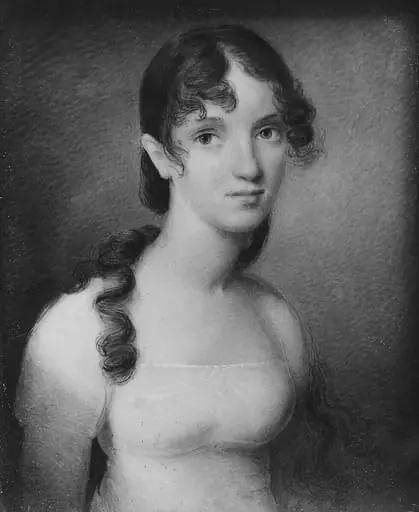 Mrs. Robert Watts (Matilda Ridley)
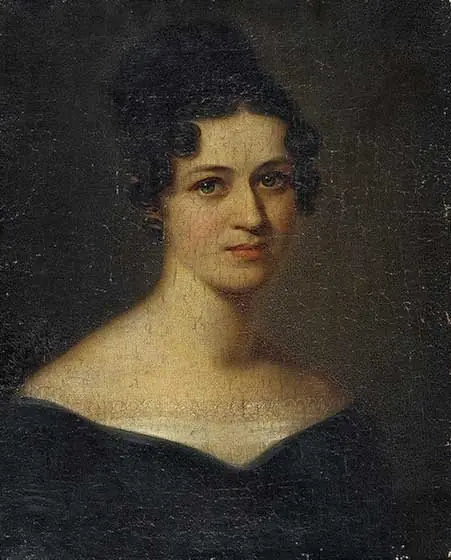 Portrait of Princess A.P. Golitsyna
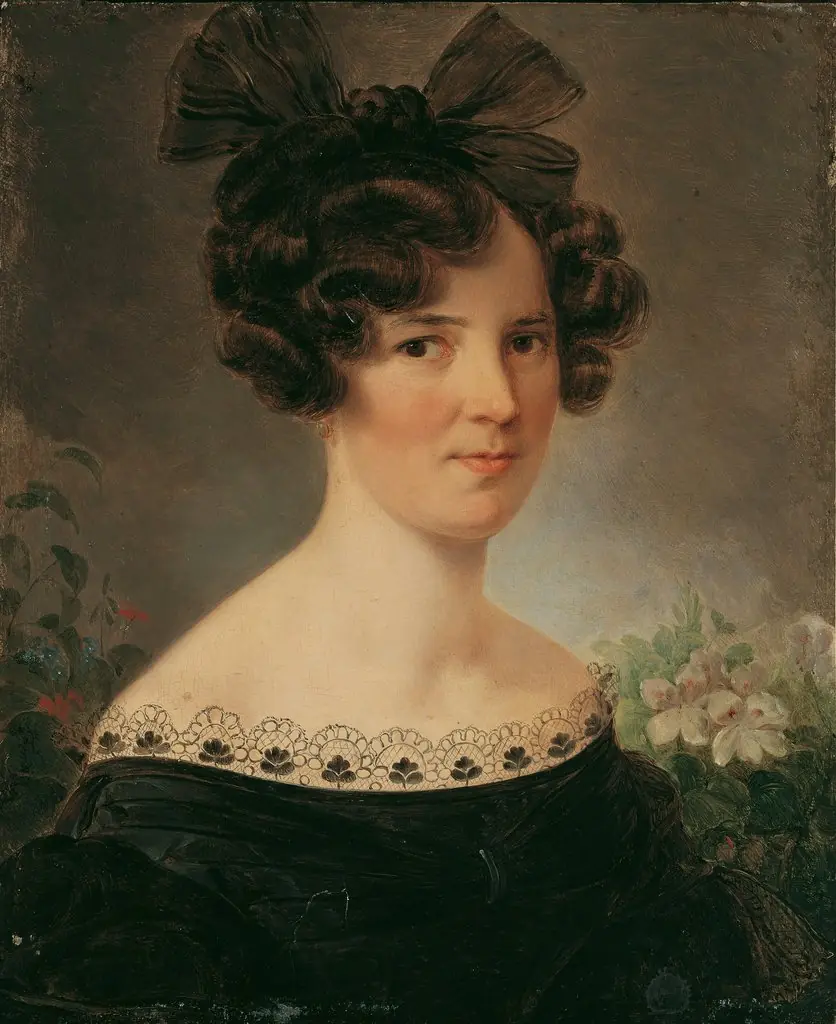 Therese Rockert
 Mama
Mama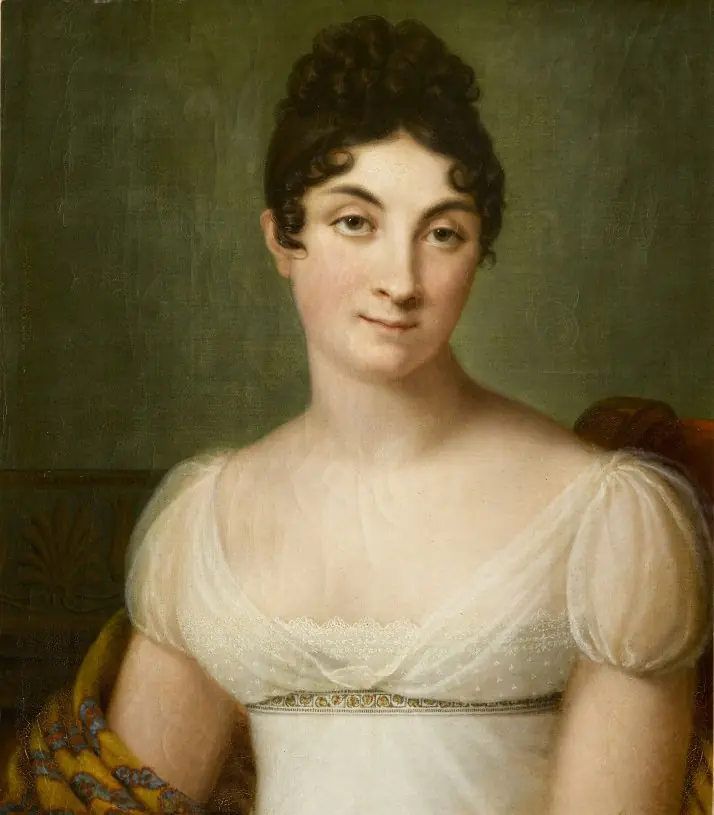 Portrait de Claire Élisabeth de Vergennes, Comtesse de Rémusat
 Portrait of a young Woman
 Portrait of a woman
 Konferensrådinde Marie Sophie Frølich, f. de Coninck