Artwork
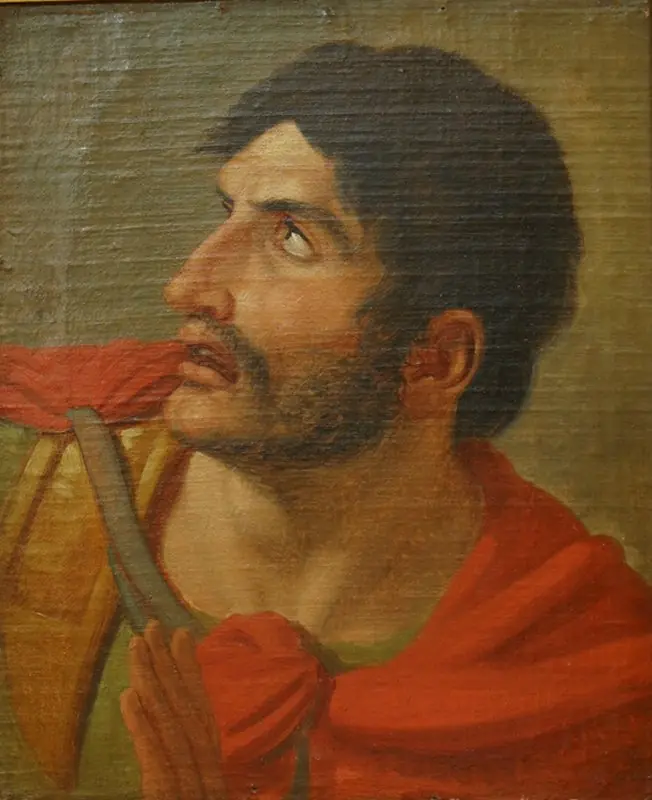
Antik kriger. Studiehoved
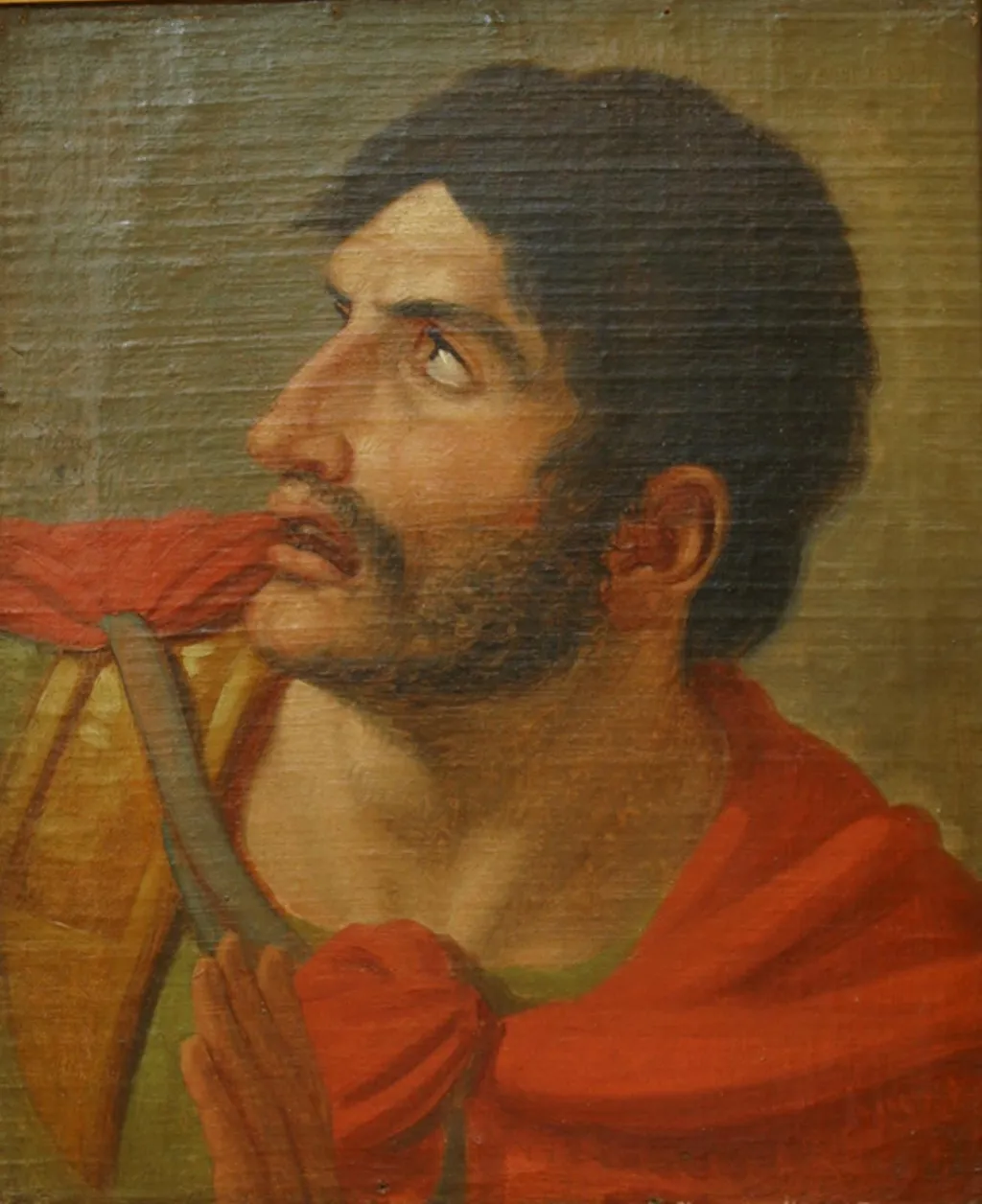
Antik kriger. Studiehoved is a photography by the Romanticist artist Unknown. It dates from 1801 and is held in the collection of the Statens Museum for Kunst. Created in 1801, this portrait study depicts a bearded male figure in a contemplative pose, rendered with deliberate physicality.
About this work
Overview
Its focus on facial expression and gesture suggests an exploration of character rather than identity, typical of early 19th-century academic practice.
Created in 1801, this portrait study depicts a bearded male figure in a contemplative pose, rendered with deliberate physicality. The work is held in the collection of the Museum of Ethnography and is identified as a study rather than a finished portrait. Its focus on facial expression and gesture suggests an exploration of character rather than identity, typical of early 19th-century academic practice.
Subject & Meaning
The figure, with his chin resting on his hand and gaze turned aside, conveys introspection or weary resolve. The absence of identifying attributes—no armor, insignia, or context—leaves his role ambiguous. He may represent an idealized ancient warrior, a literary archetype, or simply a model studied for expressive potential. The mood is solemn, evoking inner tension without narrative.
Technique & Style
The painting employs thick, textured brushwork, particularly on the skin and fabric, emphasizing tactile presence. A strong chiaroscuro effect defines the face, with light falling from one side to cast deep shadows across the cheek and jaw. The red sleeve contrasts sharply against the muted green background, drawing attention to the figure’s posture while isolating him from any spatial context.
History & Provenance
The work entered the Museum of Ethnography’s collection as part of a broader acquisition of academic studies from the early 1800s. Its origin as a preparatory sketch for a larger composition remains unconfirmed. No documentation links it to a specific commission or exhibition at the time of creation, suggesting it was likely a personal exercise in form and expression.
Context
Produced during a period when European artists increasingly turned to classical themes and psychological depth, this study reflects the influence of Neoclassicism and Romanticism’s emerging interest in individual emotion. While not part of a known series, its focus on the human face aligns with contemporaneous academic practices that prioritized expressive anatomy over idealized perfection.
Legacy
Though not widely reproduced or publicly exhibited, the work remains a quiet example of early 19th-century figure study. Its raw handling and emotional restraint offer insight into how artists trained in academic traditions approached the human form—not as monument, but as vessel of quiet, unspoken presence. It continues to be referenced in pedagogical contexts for its use of light and gesture.
Artist & collection

 Domestic Scene
 Giacomo and Cardinal Marco, investing Andrea, Abbot of San Zeno, with his Benefice
 The Nymph of Fontainebleau
 Portrait of a Woman
 Madonna and Child with Saints in the Enclosed Garden
 Venus and Minerva
 Family Group of Four on Sofa
 Wall painting from Room H of the Villa of P. Fannius Synistor at Boscoreale
 Portrait of an unknown man
 Mars
Mars Death of Consul L. J. Brutus in a duel with Aruns
 Solon Salaminius
 John the Baptist
 Detail of the vault of the Chapel of the Holy Sacrament in St Peter’s, Rome, cartoon
 Cap de expresie
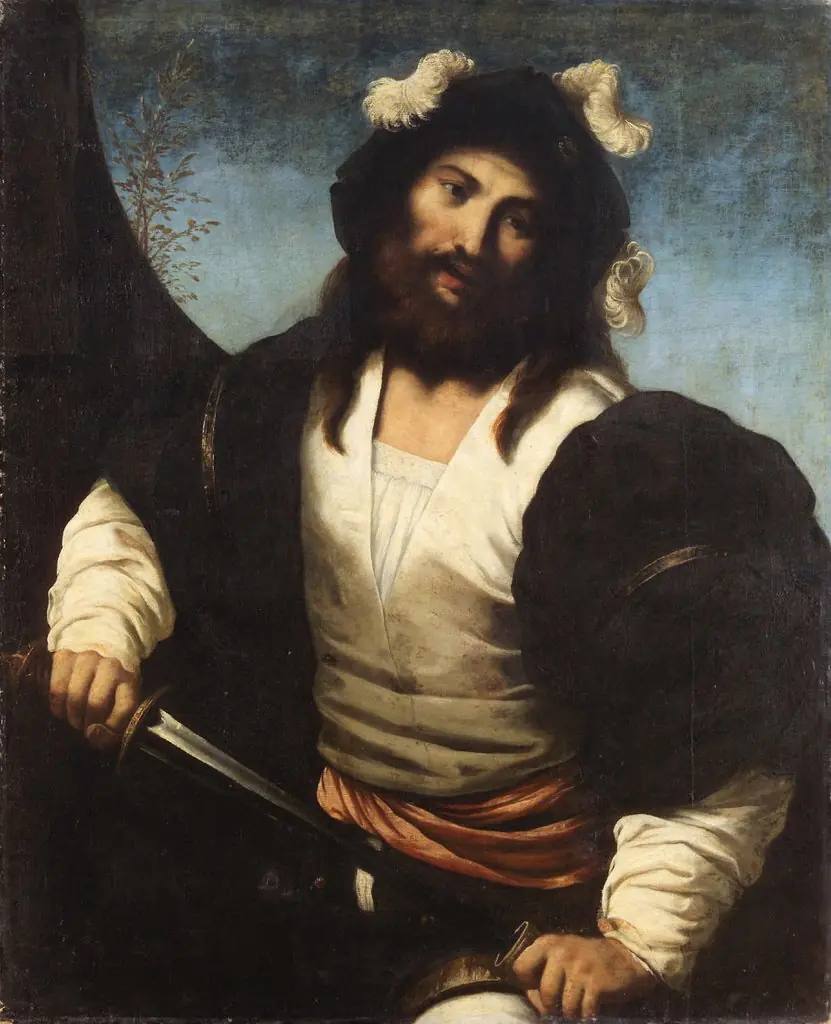 Warrior
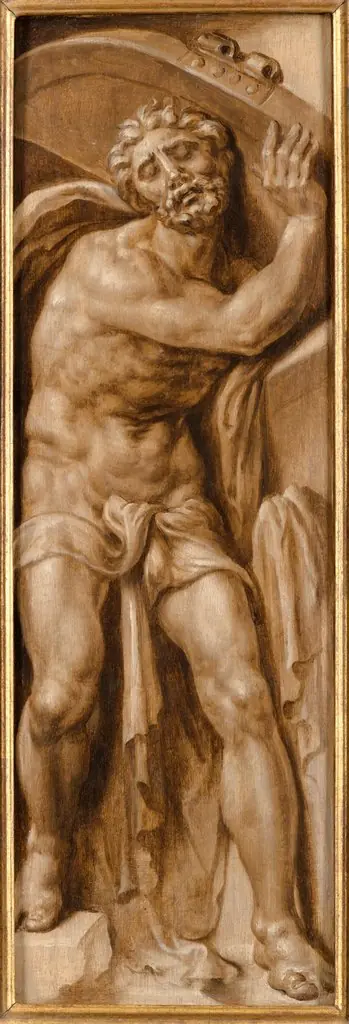 Samson Grasping the Gates of Gaza
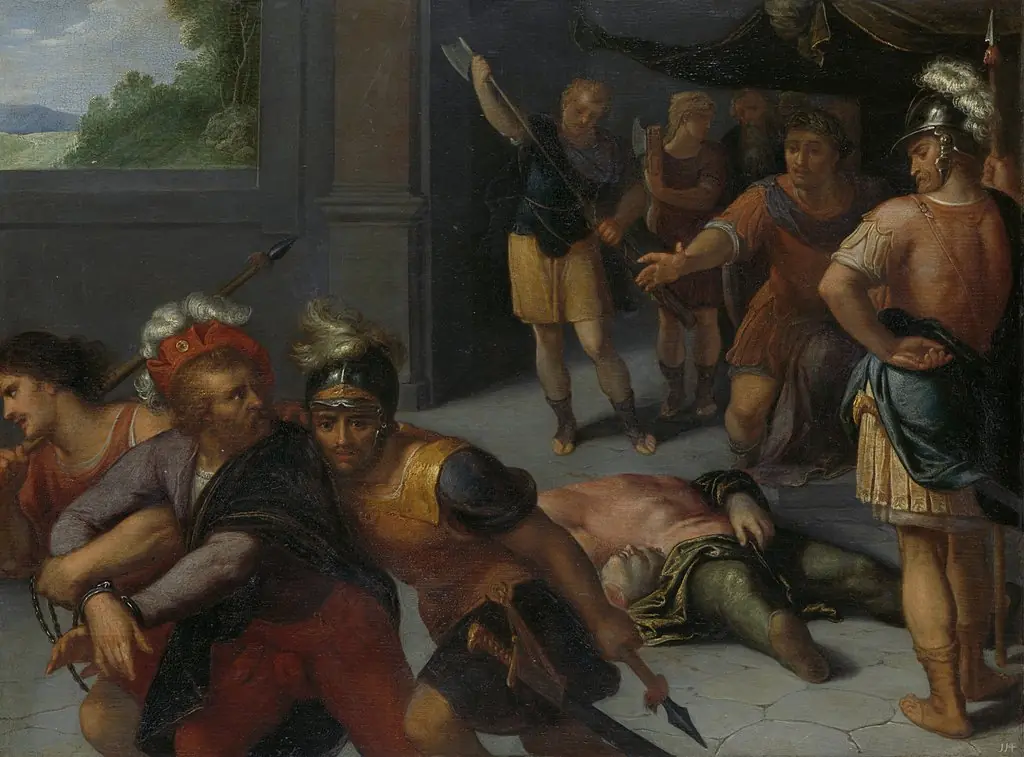 Beheading of Julius Paulus and Imprisonment of Claudius Civilis
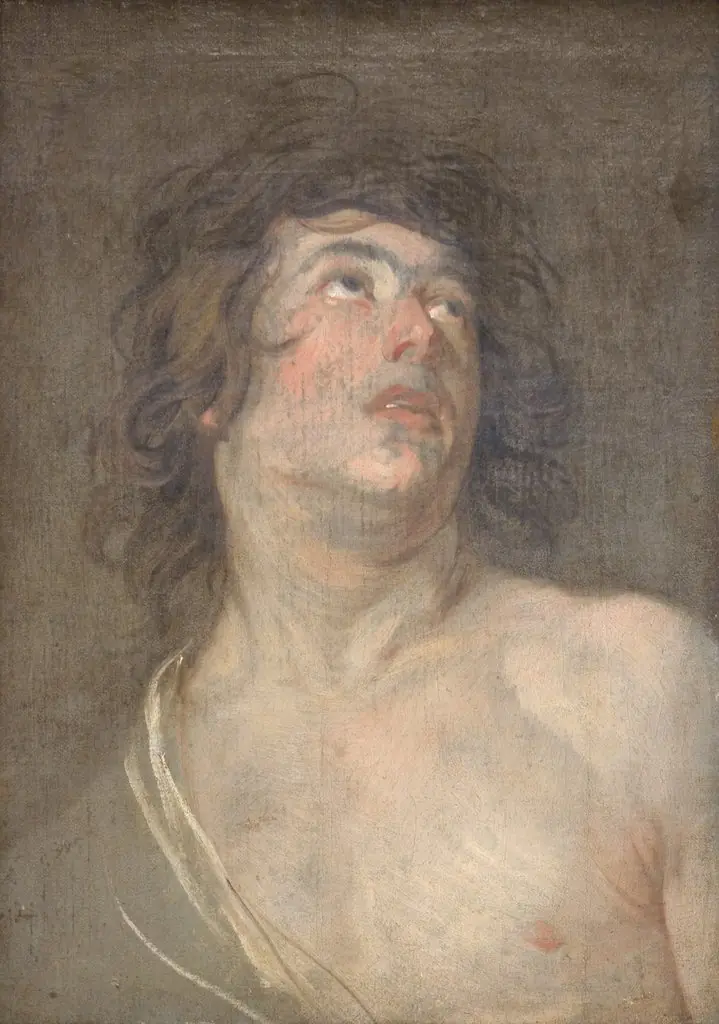 Study Head of a Young Man Looking Upwards. St Sebastian
 Antik kriger. Studiehoved