Artwork
Antik kriger. Studiehoved
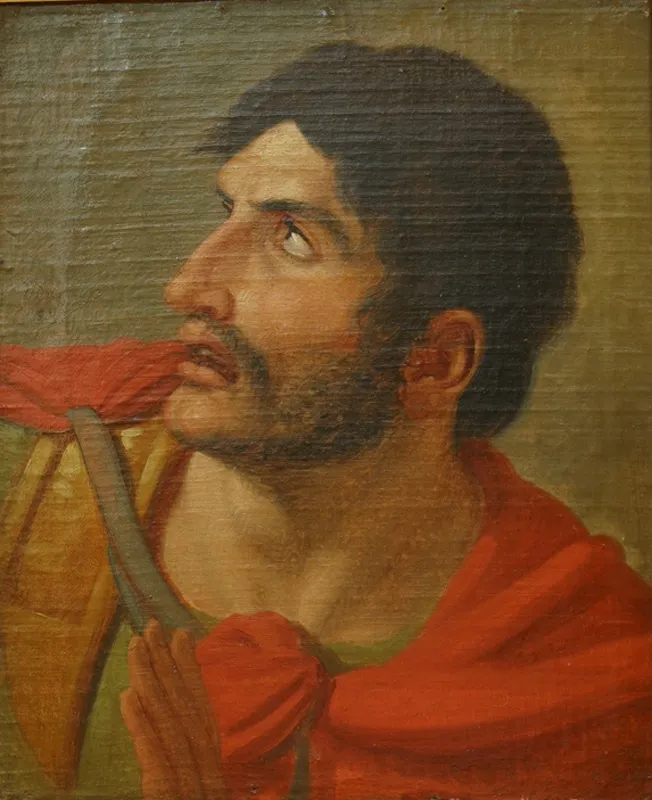
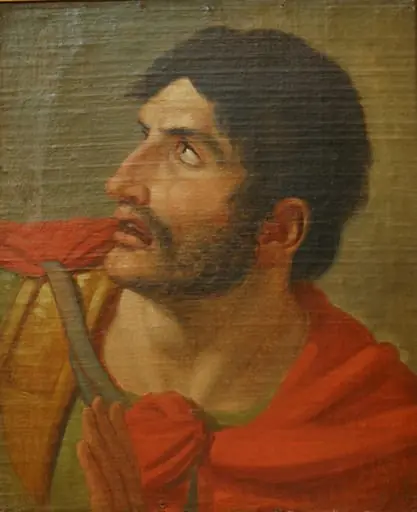
Antik kriger. Studiehoved is an oil painting by the Neoclassicist artist Johan Ludwig Lund. It dates from 1801 and is held in the collection of the Statens Museum for Kunst.
About this work
Overview
Rendered as a focused portrait study, it captures a solitary warrior’s head and upper torso, emphasizing form and expression over narrative context.
Johan Ludwig Lund, a Danish artist born in 1777, completed *Antik kriger. Studiehoved* in 1801 as an oil study. The work reflects his engagement with classical themes during his early career, before he became known for larger historical compositions. Rendered as a focused portrait study, it captures a solitary warrior’s head and upper torso, emphasizing form and expression over narrative context. The painting resides in the collection of Statens Museum for Kunst in Copenhagen.
Subject & Meaning
The figure represents an idealized ancient warrior, identified by his attire and weapon rather than a specific historical identity. His upward gaze and solemn expression suggest contemplation or divine invocation, common in neoclassical depictions of heroic virtue. The spear, held firmly and angled upward, implies readiness or reverence. The absence of a full body or setting shifts focus to the psychological weight of the face, aligning the work with studies of character rather than storytelling.
Technique & Style
Lund employed chiaroscuro to model the warrior’s face and shoulders, creating a strong sense of three-dimensionality against a muted brown background. The red robe and green undergarment contrast subtly, enhancing volume without distraction. Brushwork is controlled yet expressive, particularly in the rendering of the beard and hair, which catch light with soft precision. The composition is tightly framed, eliminating extraneous detail to isolate the figure’s presence and emotional gravity.
History & Provenance
Painted in 1801, the work dates from Lund’s formative years, shortly after his studies in Copenhagen and before his extended time in Rome. It likely served as a preparatory study for larger historical scenes, a common practice among neoclassical artists. The painting entered the collection of Statens Museum for Kunst in the 19th century and has remained there since, reflecting its status as an early example of Danish academic art.
Context
In early 19th-century Denmark, artists looked to classical antiquity as a model for moral and aesthetic ideals. Lund, influenced by both Danish academic training and European neoclassicism, produced numerous studies of ancient figures during this period. This work aligns with broader trends in Northern European art, where individual studies of classical subjects were used to refine technique and explore timeless themes of heroism and dignity.
Legacy
Though not among Lund’s most widely exhibited works, *Antik kriger. Studiehoved* exemplifies his disciplined approach to figure study and his commitment to classical form. It remains a representative piece of Danish neoclassical practice, illustrating how local artists engaged with broader European traditions. The painting continues to be referenced in scholarly discussions of 19th-century Danish art education and the role of preparatory studies in historical painting.
Artist & collection
Artist
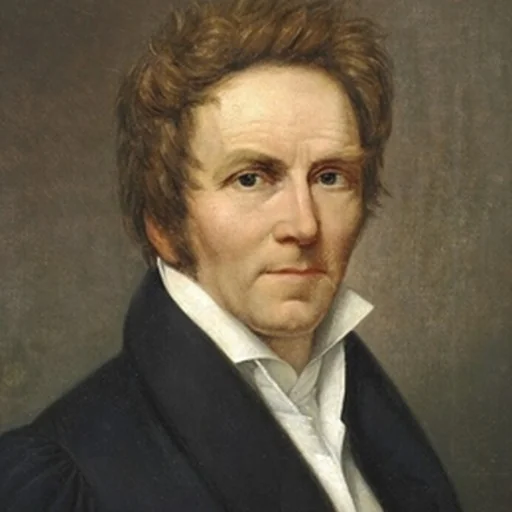
Johan Ludwig Gebhard Lund (primarily known as J. L. Lund) (16 October 1777 – 3 March 1867) was a Danish painter, born in Kiel, Duchy of Holstein, to master painter Hans Giewert Lund and his wife Maria Magdalena…

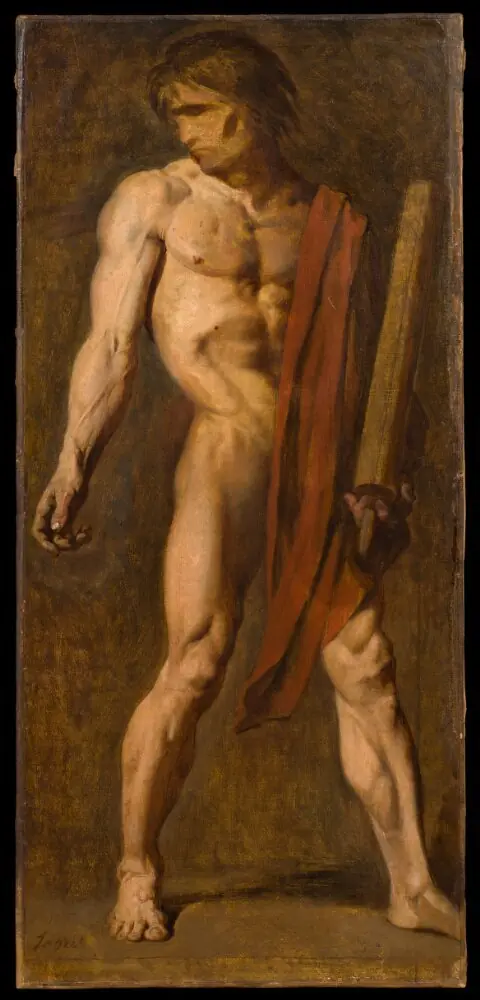 The Martyrdom of St Symphorian. Study
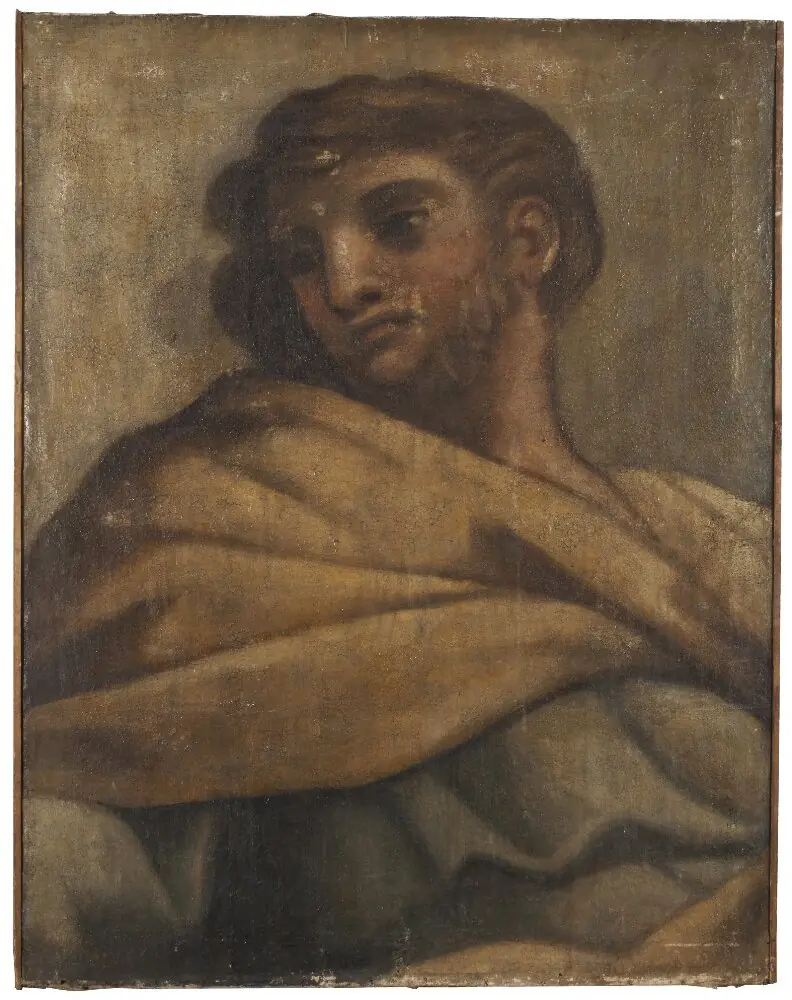 Detail of the vault of the Chapel of the Holy Sacrament in St Peter’s, Rome, cartoon
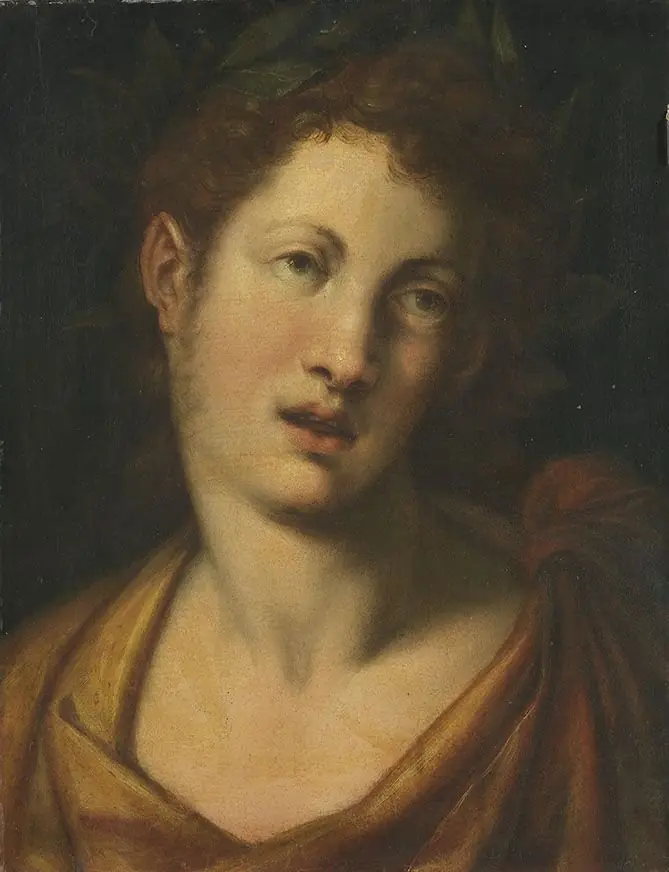 Portrait of an unknown man
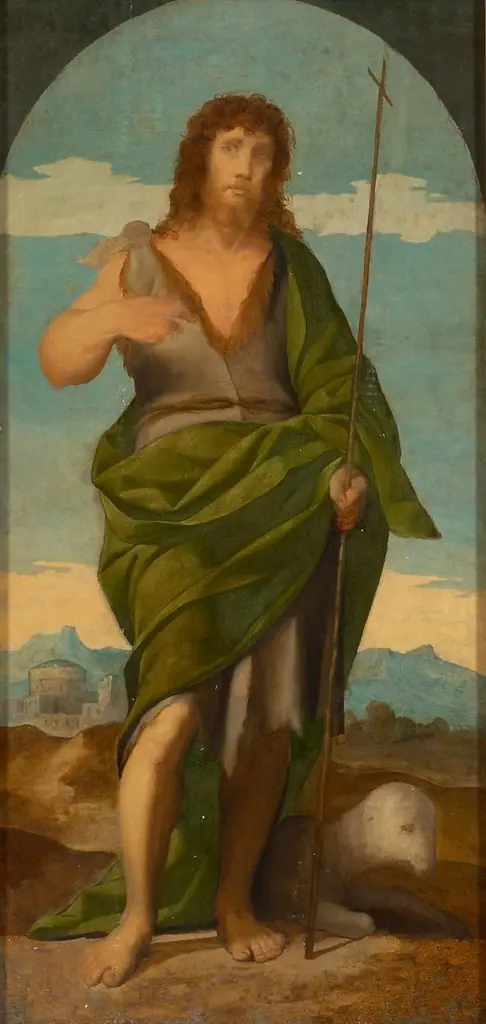 John the Baptist
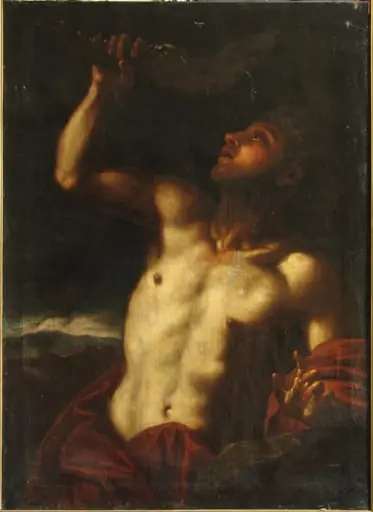 Samson bând din falca asinului
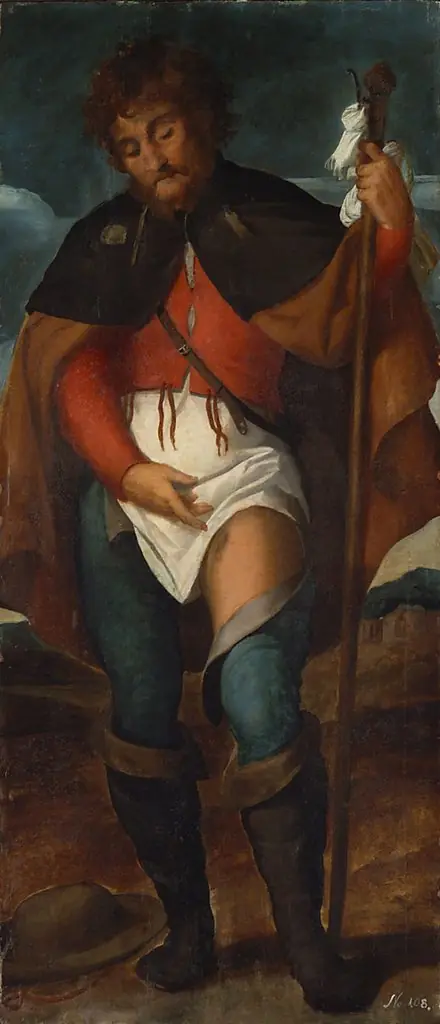 Saint Roch
 Mars
Mars Death of Consul L. J. Brutus in a duel with Aruns
 Solon Salaminius
 Cap de expresie
 Godfrey of Boulogne Summons His Chiefs to Council
 Antik kriger. Studiehoved