Artwork
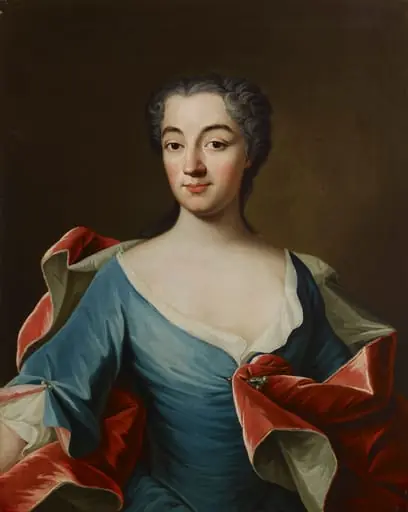
Dame i sort og rød dragt
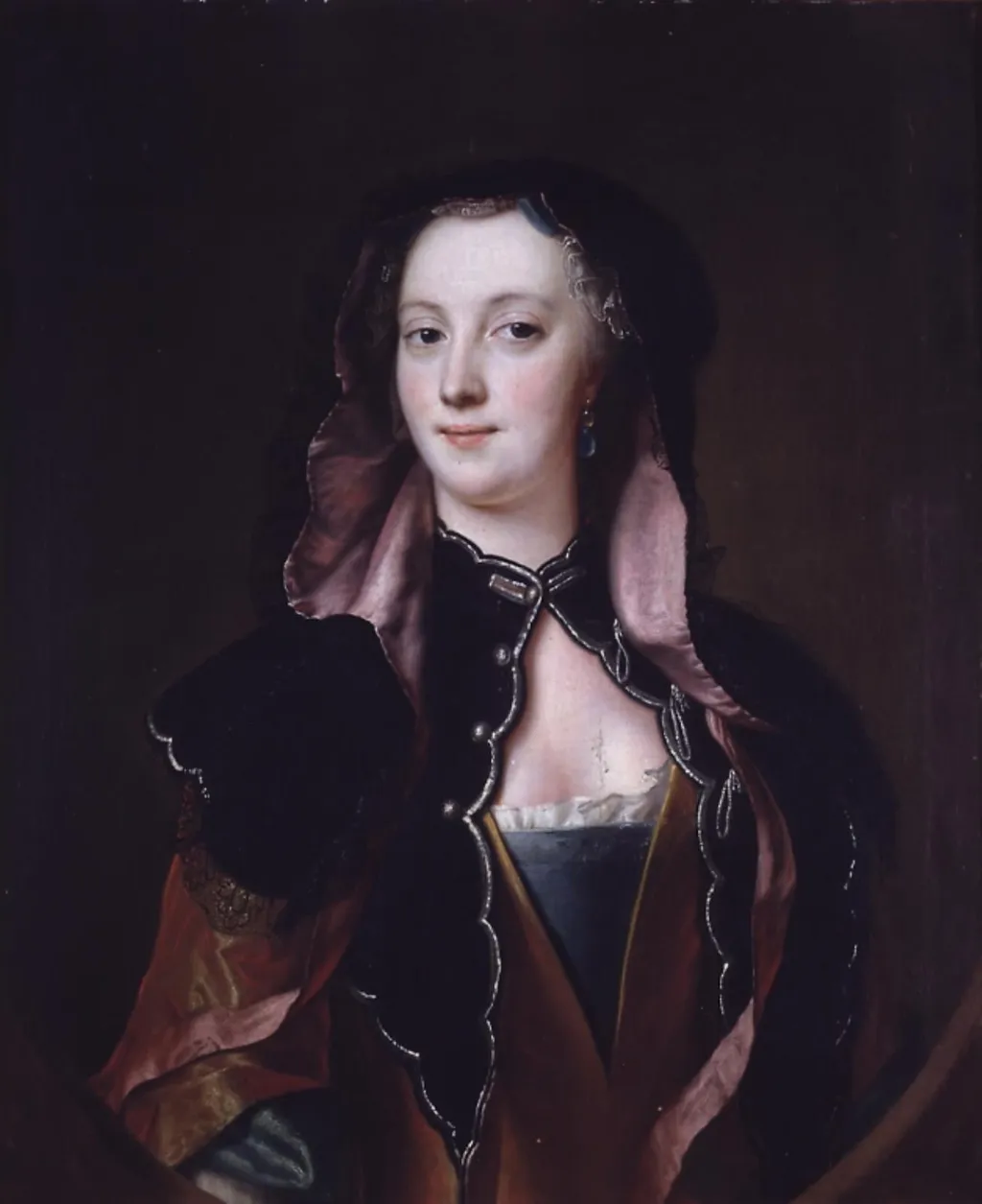
Dame i sort og rød dragt is a photography by Unknown. It dates from 1750 and is held in the collection of the Statens Museum for Kunst. This portrait, dated around 1750, depicts a woman in a dark dress accented with red details.
About this work
Overview
The composition emphasizes the subject’s presence through controlled illumination, isolating her against a deep, unmodeled background.
This portrait, dated around 1750, depicts a woman in a dark dress accented with red details. Executed with careful attention to light and form, it belongs to the collection of the Museum of Ethnography. The composition emphasizes the subject’s presence through controlled illumination, isolating her against a deep, unmodeled background. The work reflects a tradition of intimate portraiture common in mid-18th-century European visual culture.
Subject & Meaning
The figure is portrayed with stillness and directness, suggesting a quiet dignity. Her attire—fitted, high-collared, and trimmed in red—hints at modest formality, possibly indicating social standing or ceremonial wear. The absence of props or setting focuses attention on her expression and posture, conveying composure rather than narrative. The image invites contemplation of identity and personal presence rather than external status.
Technique & Style
The artist employs chiaroscuro to model the figure’s form, using sharp contrasts between light and shadow to define the contours of the face, collar, and bodice. Soft gradations on the skin and fabric contrast with the flat, dark background, enhancing three-dimensionality. The brushwork is restrained, favoring clarity over ornamentation, aligning with a naturalistic approach common in portraiture of the period.
History & Provenance
The work entered the Museum of Ethnography’s collection as part of a broader acquisition of 18th-century personal portraits. Its origin remains undocumented beyond its approximate date and stylistic alignment with regional portraiture practices. No record of the sitter’s identity or the artist’s full name survives, though the technique suggests training within a local studio tradition.
Context
Created during a time when private portraiture became more accessible beyond aristocracy, this image reflects a growing interest in individual representation. Similar works from the period often emphasized restraint and inner character over lavish display. The use of chiaroscuro here echoes broader artistic trends, adapting techniques from painting to smaller-scale, intimate formats.
Legacy
Though not widely exhibited, the portrait contributes to scholarly understanding of everyday portraiture in 18th-century Europe. Its preservation in an ethnographic context underscores shifting museum practices that began to value personal artifacts as cultural records. The work remains a quiet example of how light and composition could convey presence without narrative or symbolism.
Artist & collection

 Domestic Scene
 Giacomo and Cardinal Marco, investing Andrea, Abbot of San Zeno, with his Benefice
 The Nymph of Fontainebleau
 Portrait of a Woman
 Madonna and Child with Saints in the Enclosed Garden
 Venus and Minerva
 Family Group of Four on Sofa
 Wall painting from Room H of the Villa of P. Fannius Synistor at Boscoreale
 Kreivitär Ingeborg Posse
 Jennings-suvun jäsen
 Elisabeth-Charlotte d'Orléans, Duchess of Lorraine
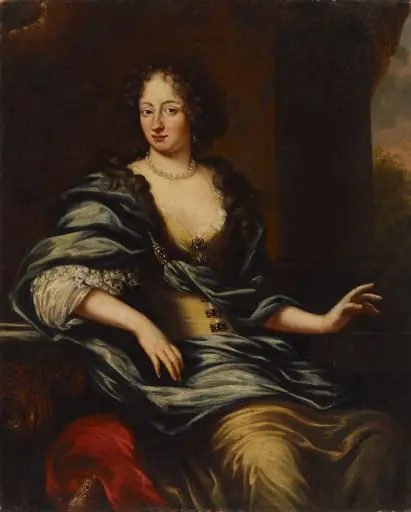 Kuningatar Ulrika Eleonora vanhempi
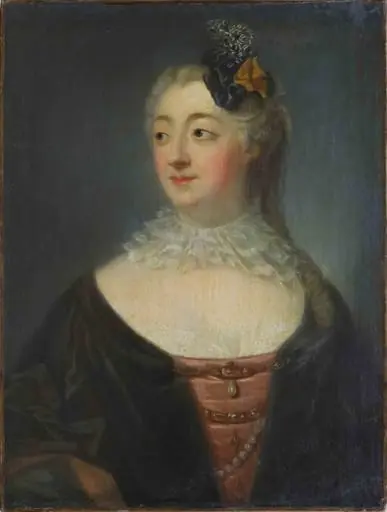 Portret de femeie
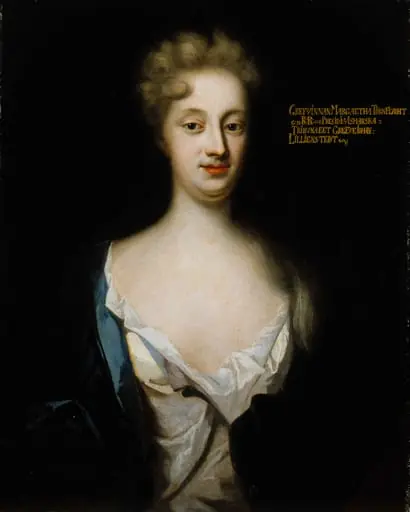 Kreivitär Margareta Lillienstedt
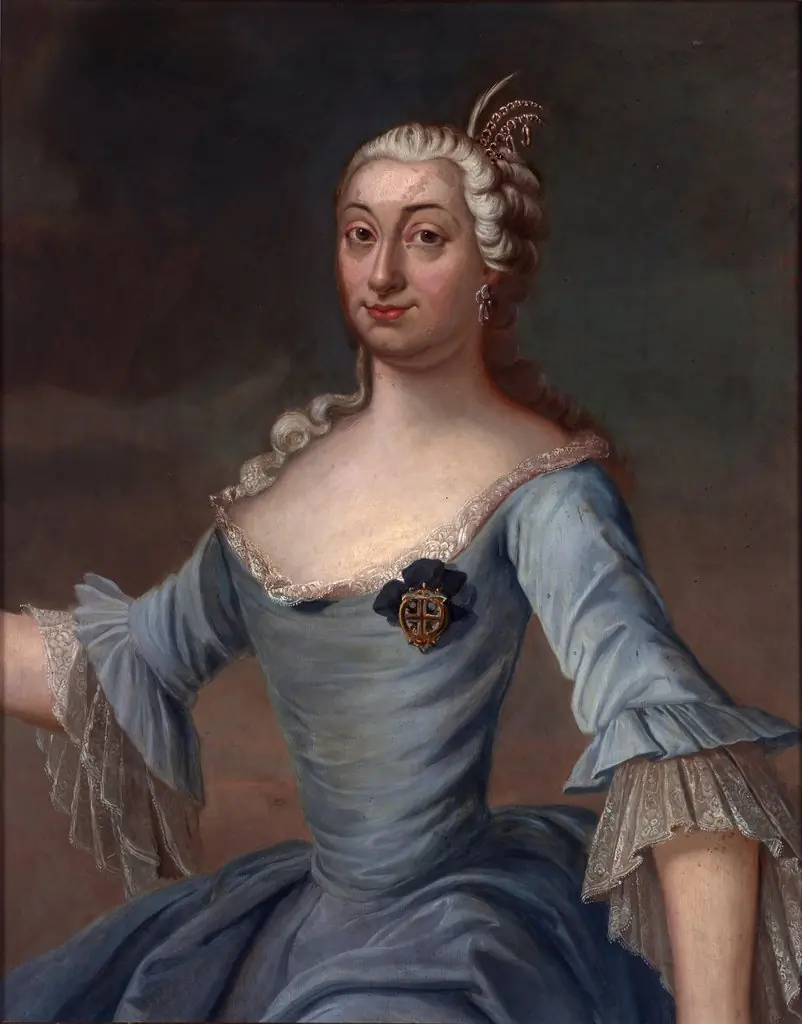 Portret Anny Ludwiki z Mycielskich Radziwiłłowej (1729-1771), żony Michała Kazimierza Radziwiłła "Rybeńki", hetmana wielkiego litewskiego i wojewody wileńskiego
 Maria Juliana Bedoire