Artwork
Kreivitär Margareta Lillienstedt
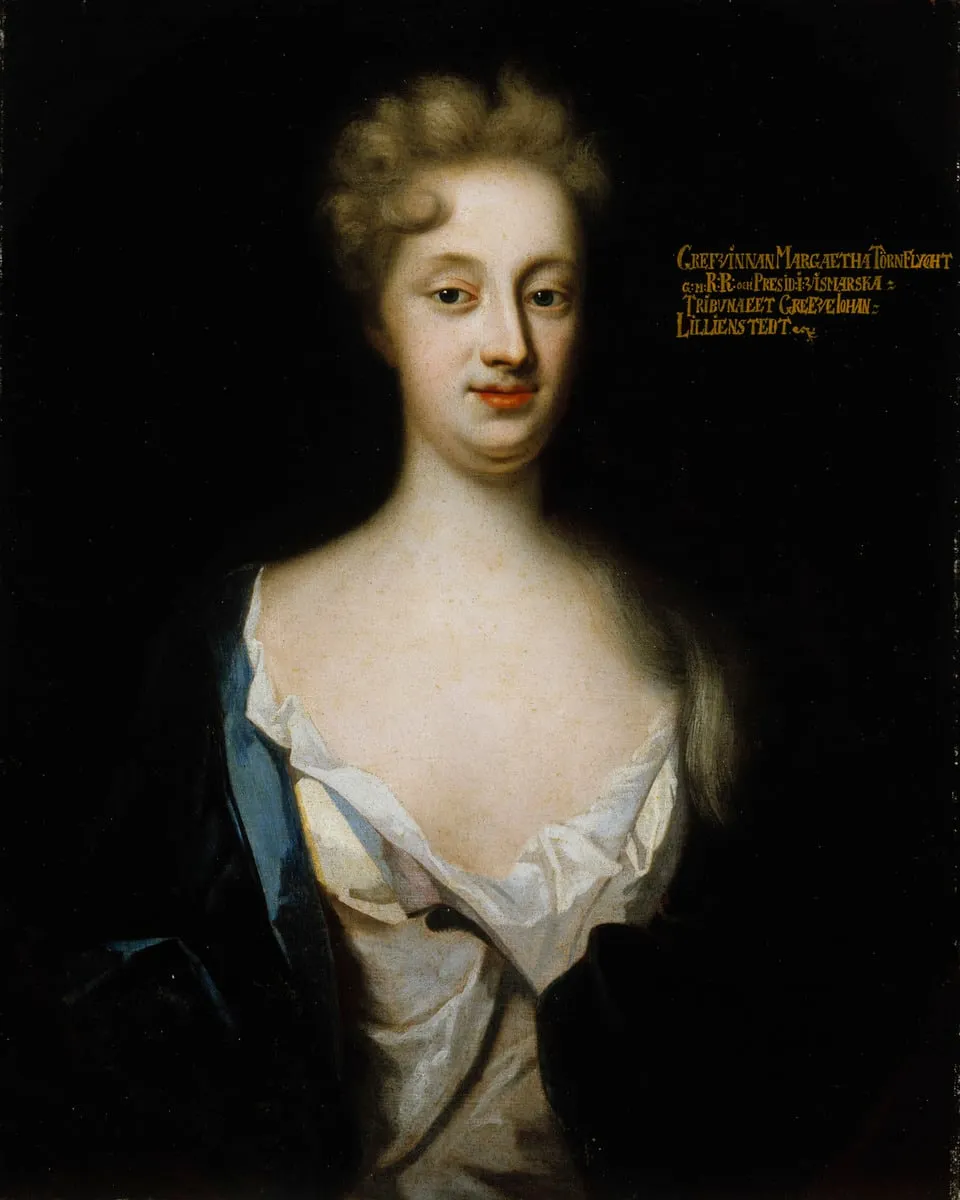
Kreivitär Margareta Lillienstedt is an unspecified painting by David von Krafft. It is held in the collection of the Finnish National Gallery. This portrait depicts Margareta Lillienstedt, a Swedish noblewoman identified by her title 'Kreivitär.
About this work
Overview
This portrait depicts Margareta Lillienstedt, a Swedish noblewoman identified by her title 'Kreivitär.' Rendered against a featureless black background, the figure emerges with quiet presence. The composition eliminates distractions, focusing entirely on her likeness. The painting’s simplicity and directness suggest an intent to convey dignity rather than elaborate status symbols.
Subject & Meaning
Margareta Lillienstedt is portrayed with restrained elegance, her calm expression and slightly parted lips suggesting quiet contemplation.
Margareta Lillienstedt is portrayed with restrained elegance, her calm expression and slightly parted lips suggesting quiet contemplation. The absence of props or architectural context shifts emphasis to her personal presence. Her attire—a low-cut, off-white gown with blue sleeves—hints at fashion of her social class, but the lack of jewelry or insignia implies a preference for understated nobility over ostentation.
Technique & Style
The artist employs smooth, even brushwork to model the face and fabric with subtle gradations of tone. Chiaroscuro is used sparingly but effectively, defining the contours of the face and shoulders without dramatic contrast. The black background enhances the figure’s three-dimensionality, isolating her in a space that feels both intimate and timeless.
History & Provenance
The painting bears the subject’s full title and name, indicating it was likely commissioned during her lifetime. While specific details of its origin are unrecorded, its style aligns with Swedish portraiture of the late 17th or early 18th century. Its survival suggests it remained within family or institutional collections, preserved for its personal rather than public significance.
Context
In early modern Sweden, noblewomen like Lillienstedt were often depicted in portraits that balanced personal identity with social role. This work reflects a trend toward more intimate, less ceremonial representations, moving away from formal regalia. The black background echoes contemporary practices in Northern European portraiture that prioritized the individual over symbolic settings.
Legacy
The portrait endures as a quiet example of Swedish aristocratic representation, notable for its emotional restraint and technical clarity. It contributes to the understanding of how noblewomen were visually defined outside of courtly spectacle. Its minimalism invites reflection on identity, status, and the private self in an era dominated by public display.
Artist & collection
Artist
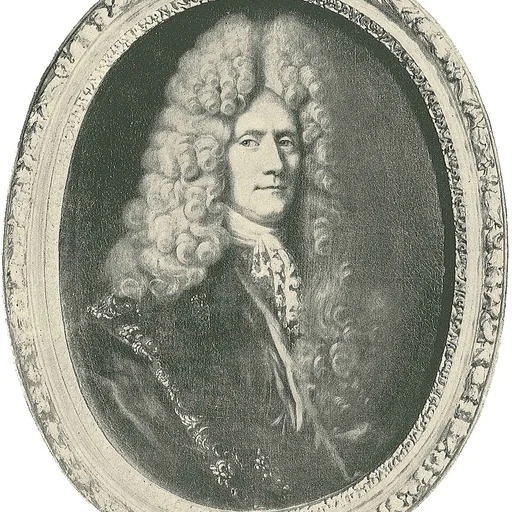
David Krafft, from 1719 David von Krafft (1655 – 20 September 1724), was a German-Swedish painter, the nephew and student of David Klöcker Ehrenstrahl and his successor (in 1698) as painter to the Swedish Royal Court.

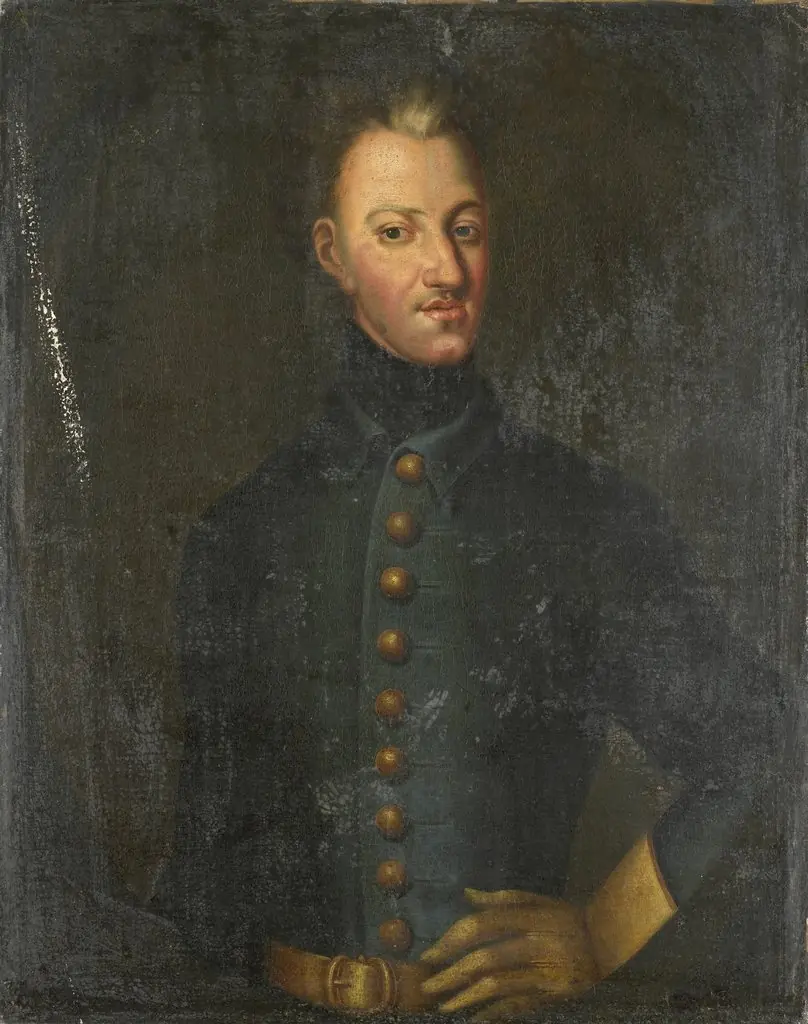 Portrait of Charles XII, King of Sweden
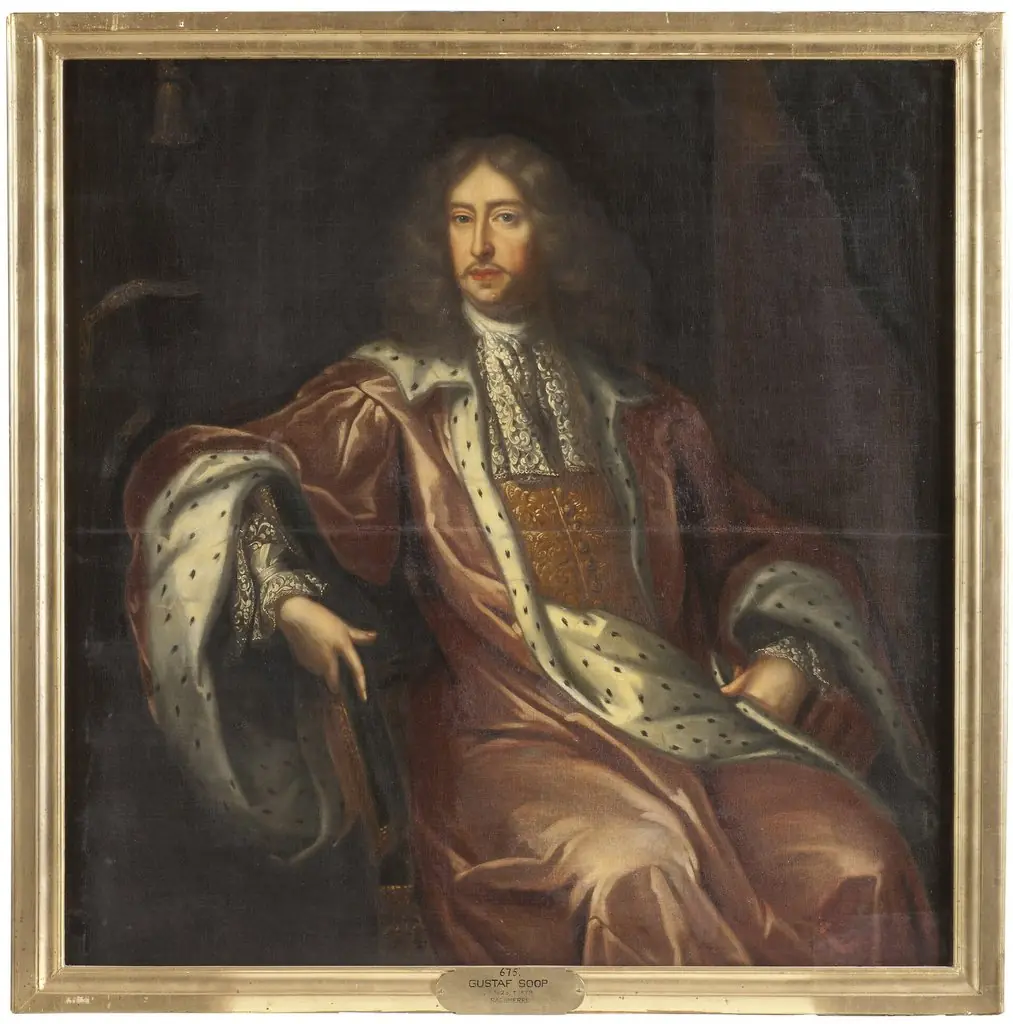 Gustav Soop af Limingo
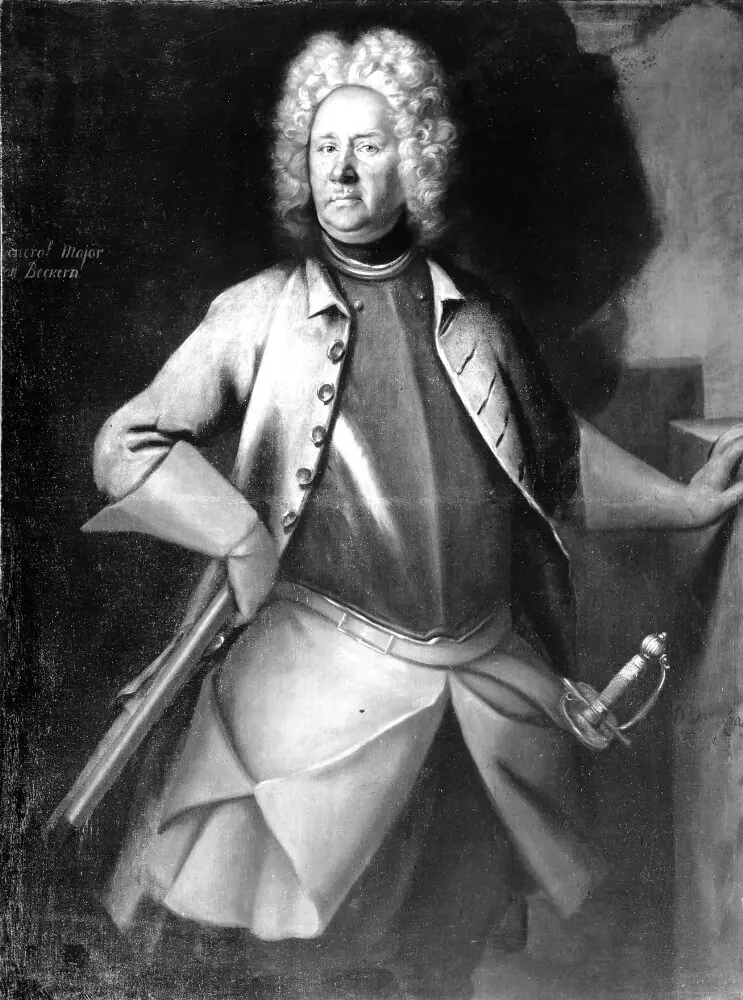 Johan Vilhelm von Beckern (1655-1733), friherre, generalmajor
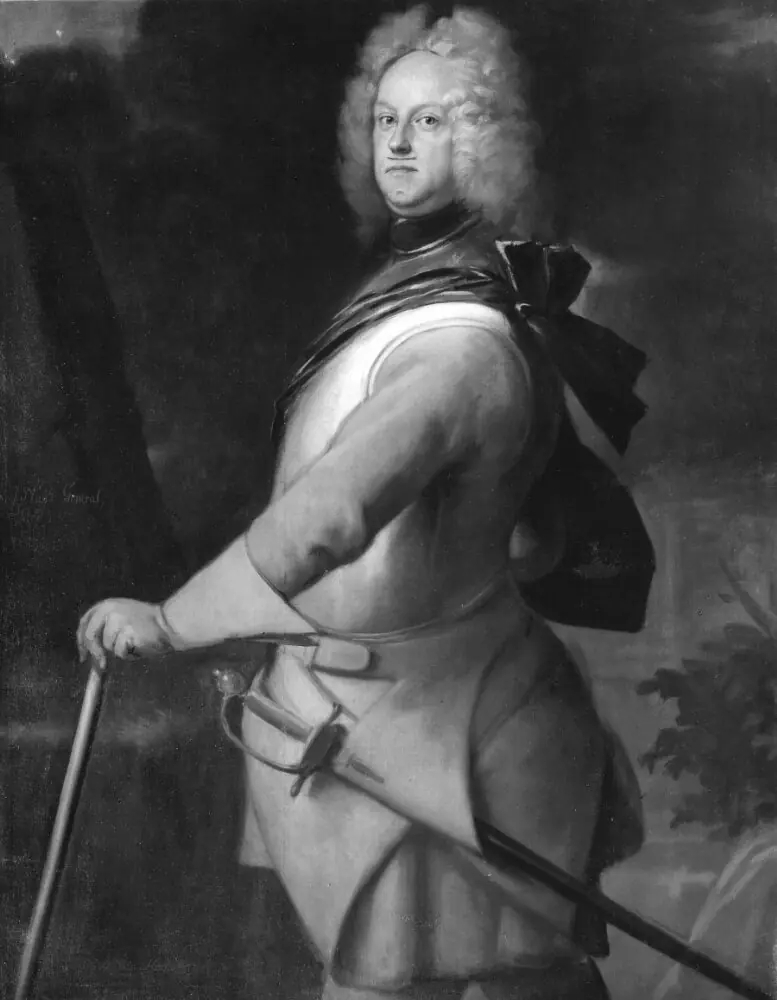 Carl Gustaf Hård (1674-1744), greve, riksråd, general
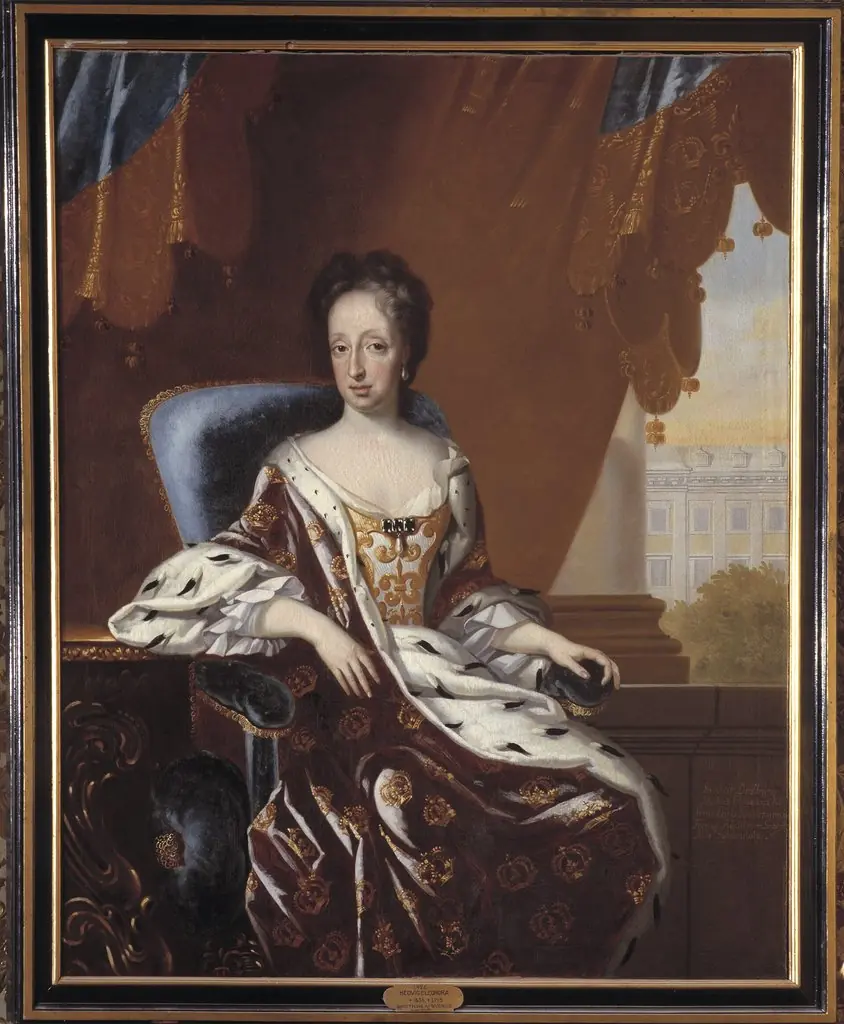 Hedvig Eleonora, 1636-1715, prinsessa av Holstein-Gottorp, drottning av Sverige
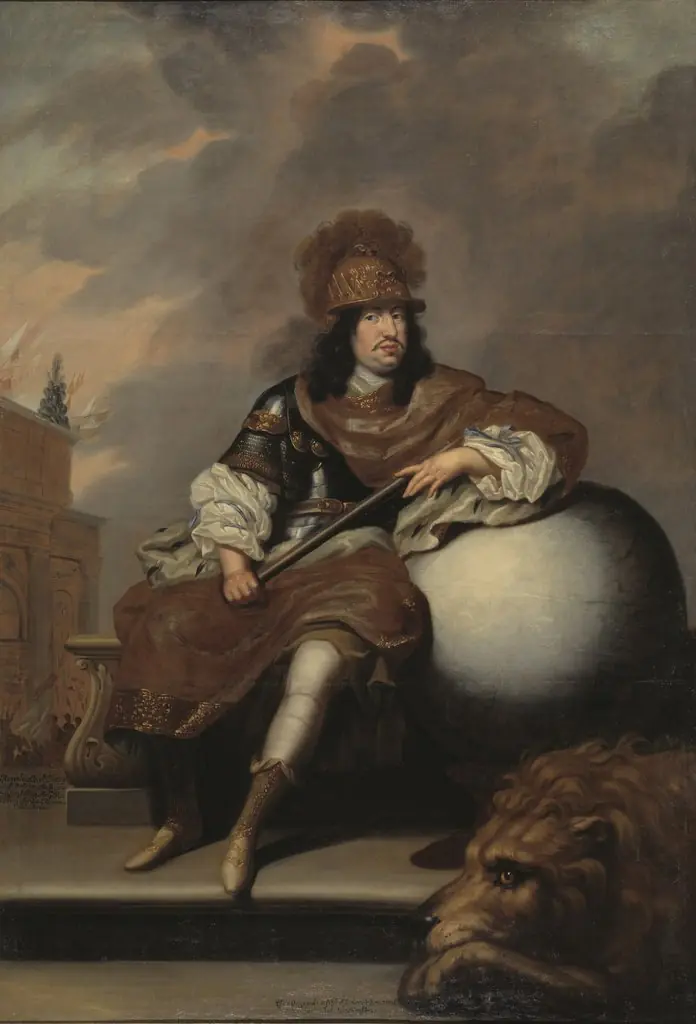 Karl X Gustav, 1622-1660, konung av Sverige pfalzgreve av Zweibrücken
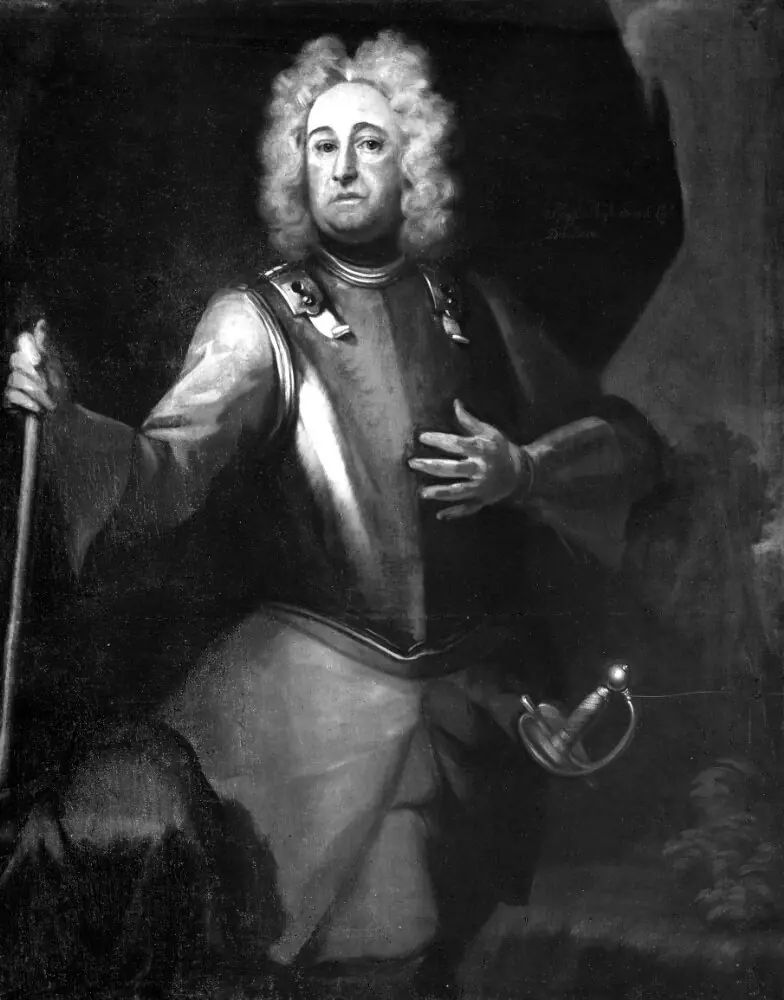 Reinhold Johan de la Barre (död 1724), generallöjtnant
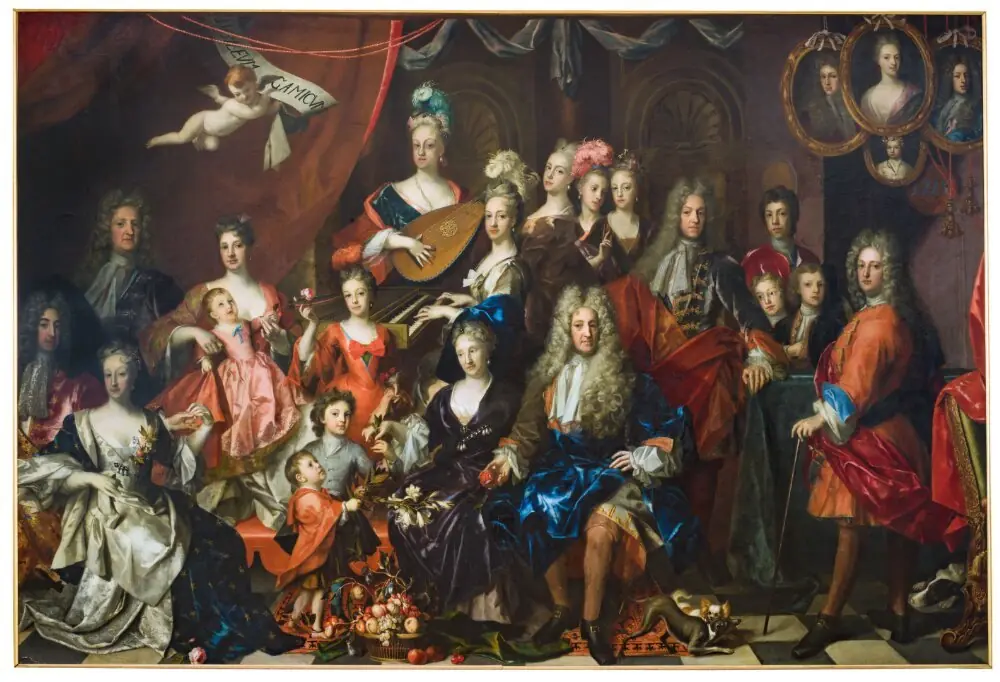 Hildebrandska guldbröllopstavlan
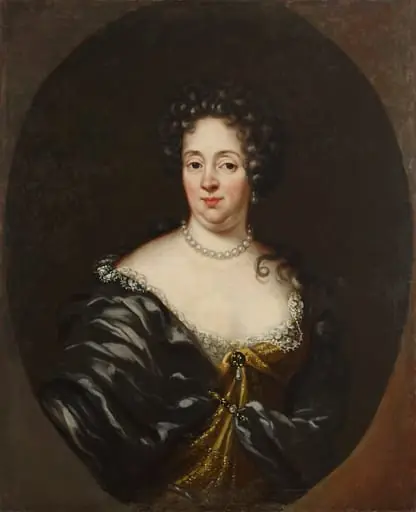 Jennings-suvun jäsen
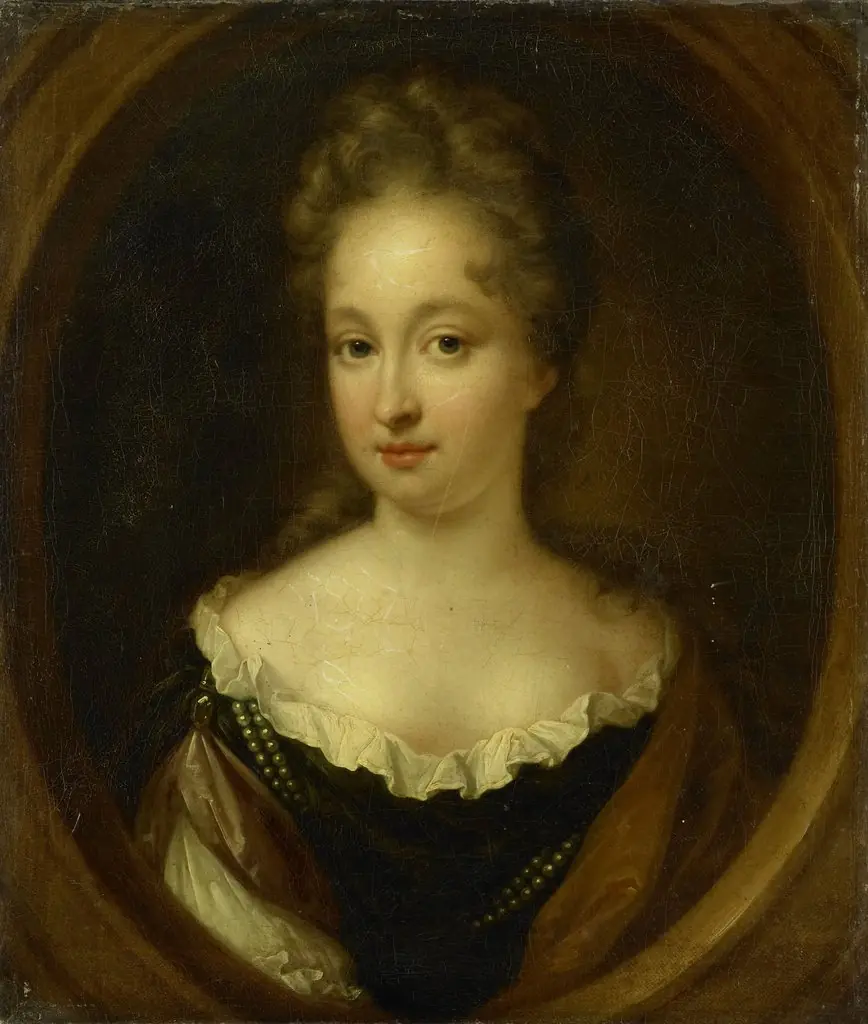 Portrait of Anna van Citters (1664-94), daughter of Aernout van Citters and Josina Parduyn
 Maria Anna Christina, Dauphine von Frankreich (1660-1690) (Umkreis)
 Portrait of Luiza Adelaida of Orleans
 Baronesse Katarzyna de Besenval, geb. Gräfin Bielinska
 Portrait of Anna Maria Roman (1680-1758)
 Françoise-Athénaïs de Rochechouart, marquise de Montespan
 Kuningatar Ulrika Eleonora vanhempi
 Portrait of Francoise Marguerite, Countess of Grignan
 Prinsesse Sofie Hedevig ?
 Portret de femeie
 Kreivitär Ingeborg Posse