Artwork
Portret Anny Ludwiki z Mycielskich Radziwiłłowej (1729-1771), żony Michała Kazimierza Radziwiłła "Rybeńki", hetmana wielkiego litewskiego i wojewody wileńskiego
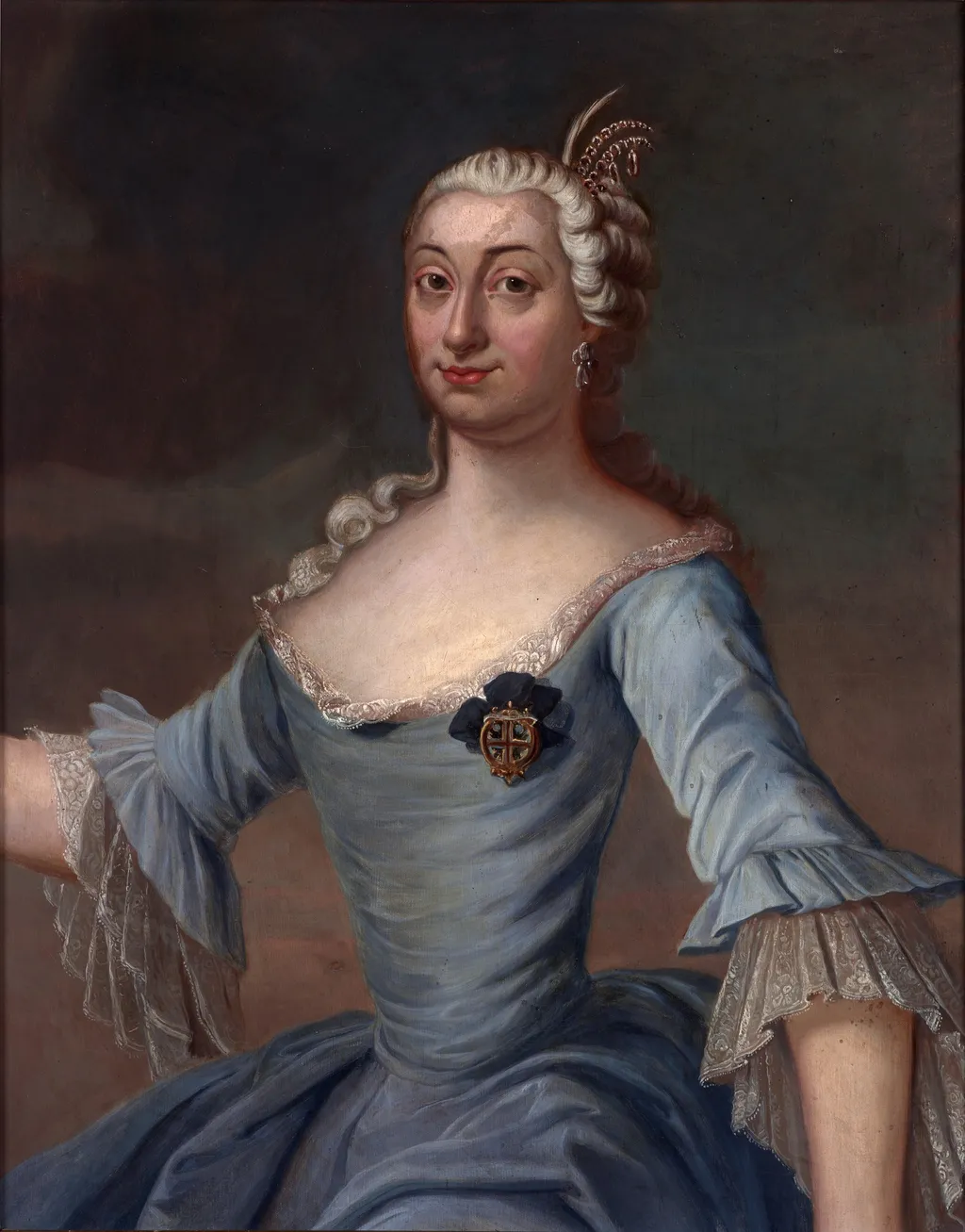
Portret Anny Ludwiki z Mycielskich Radziwiłłowej (1729-1771), żony Michała Kazimierza Radziwiłła "Rybeńki", hetmana wielkiego litewskiego i wojewody wileńskiego is an oil painting by the Impressionist artist Unknown. It dates from 1908 and is held in the collection of the National Museum in Kraków.
About this work
Overview
The oil on canvas portrait depicts Anna Ludwika Radziwiłłowa (1729–1771), wife of Michał Kazimierz Radziwiłł, a prominent Lithuanian noble and Grand Hetman. She is shown in a blue dress trimmed with lace, a decorative brooch at the chest, and a modest headpiece. The composition centers her face, rendered with careful detail, against a subdued dark background that emphasizes her presence.
Subject & Meaning
Anna Ludwika, a member of the influential Radziwiłł family, is presented with a calm, neutral expression, reflecting the conventions of aristocratic portraiture that emphasized dignity and status. The attire and accessories signal her noble rank and marital alliance, while the restrained pose conveys the ideals of modesty and refinement expected of women of her rank in the 18th‑century Polish‑Lithuanian Commonwealth.
Technique & Style
The dark, non‑specific backdrop serves to isolate the figure, a common device in Baroque portraiture to focus attention on the sitter’s features and attire.
Executed in oil paint, the portrait employs a limited palette dominated by deep blues and muted tones. Fine brushwork delineates the lace trim and the texture of the fabric, while the subtle modeling of the face captures light without excessive chiaroscuro. The dark, non‑specific backdrop serves to isolate the figure, a common device in Baroque portraiture to focus attention on the sitter’s features and attire.
History & Provenance
The work is part of the collection of the National Museum in Kraków, where it is displayed as an example of Polish noble portraiture from the mid‑18th century. Its provenance traces back to the Radziwiłł family estates before entering the museum’s holdings, reflecting the broader acquisition of aristocratic artworks by public institutions in Poland during the 20th century.
Artist & collection

 Domestic Scene
 Giacomo and Cardinal Marco, investing Andrea, Abbot of San Zeno, with his Benefice
 The Nymph of Fontainebleau
 Portrait of a Woman
 Madonna and Child with Saints in the Enclosed Garden
 Venus and Minerva
 Family Group of Four on Sofa
 Wall painting from Room H of the Villa of P. Fannius Synistor at Boscoreale
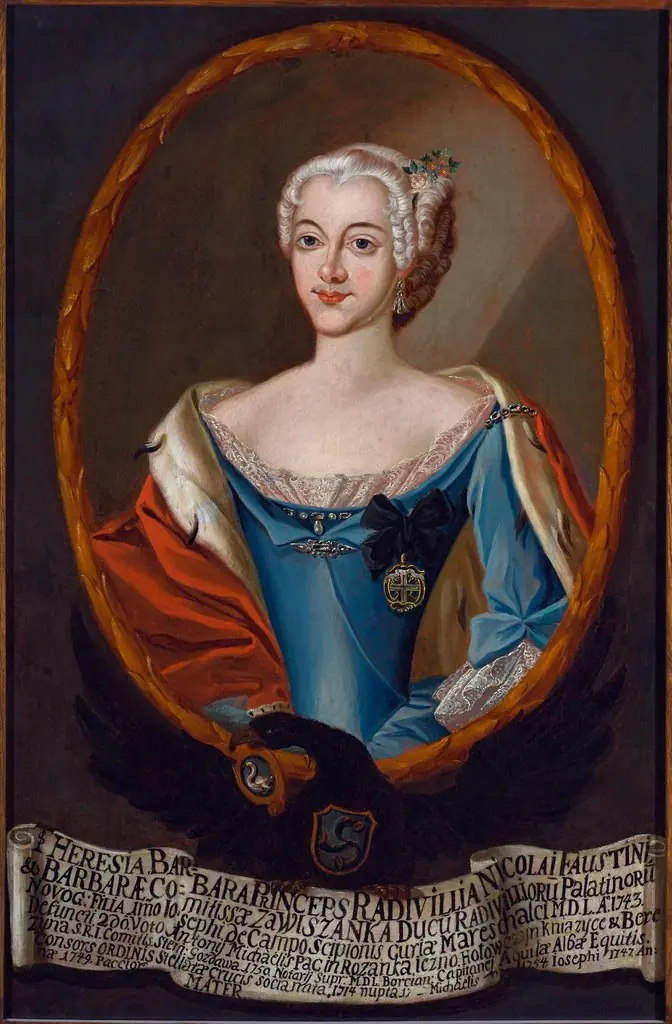 Portrait of Teresa Barbara Pac née Radziwiłł (1714–1780)
 Juliane Marie, Frederik V's anden dronning
 Maria Charlotta Silfverstjerna
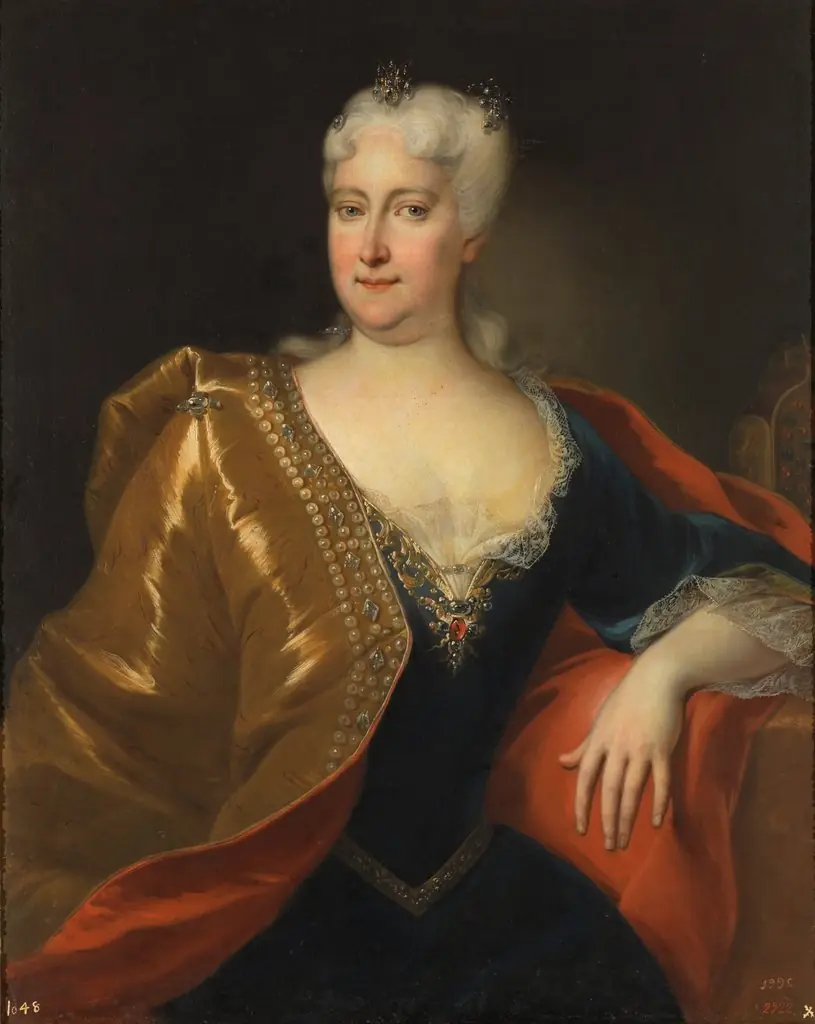 La emperatriz Isabel Cristina de Brunswick
![Portrait of a young woman [Sophie Markgräfin von Brandenburg-Bayreuth, née Duchess Sachsen-Weißenfels (1684–1752)?], by Unknown](https://artifactworldgallery.com/img/unknown--portrait-of-a-young-woman-sophie-markgrafin-von-brandenburg--2d73c9561763e528-w320.webp) Portrait of a young woman [Sophie Markgräfin von Brandenburg-Bayreuth, née Duchess Sachsen-Weißenfels (1684–1752)?]
Portrait of a young woman [Sophie Markgräfin von Brandenburg-Bayreuth, née Duchess Sachsen-Weißenfels (1684–1752)?]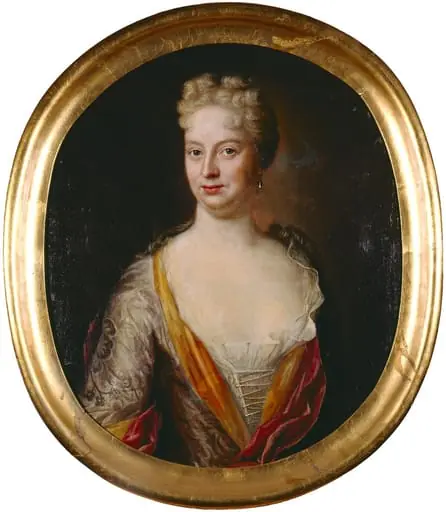 Piispatar Elisabet Wallin
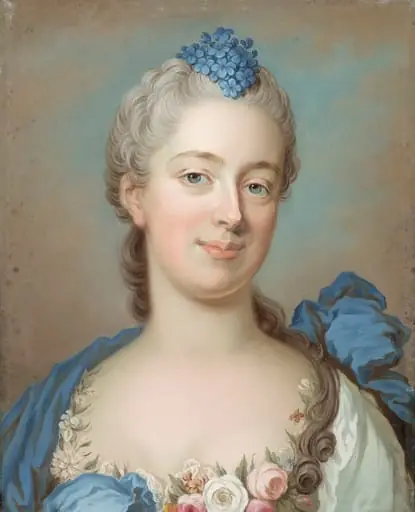 Kreivitär Poaton (?)
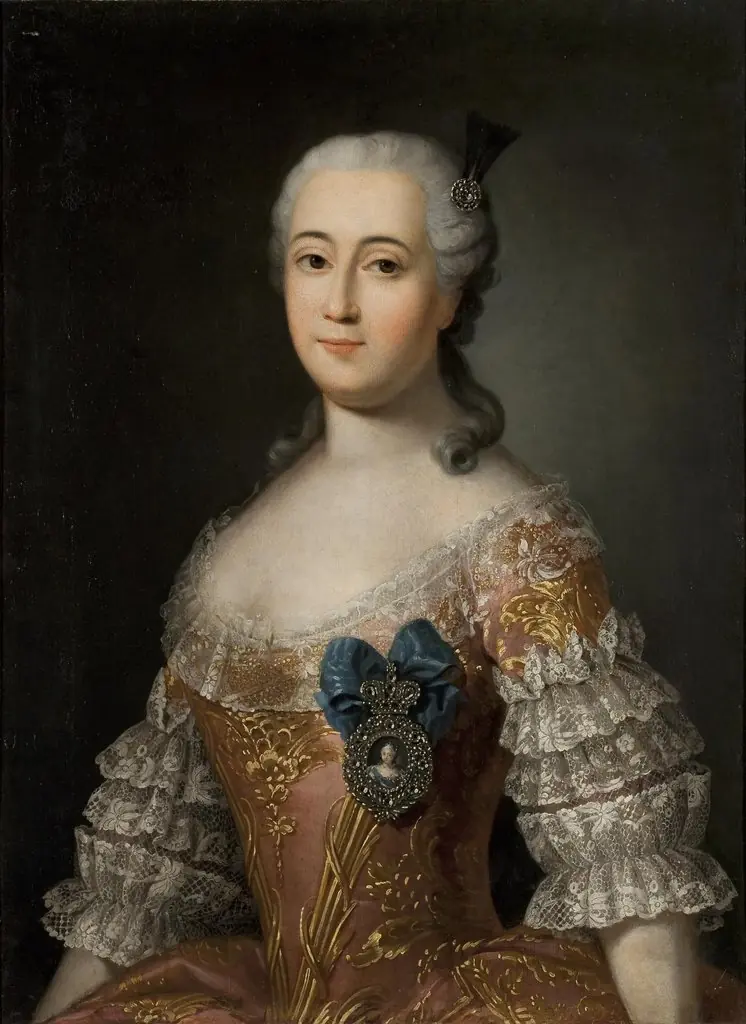 Portrait of a Woman
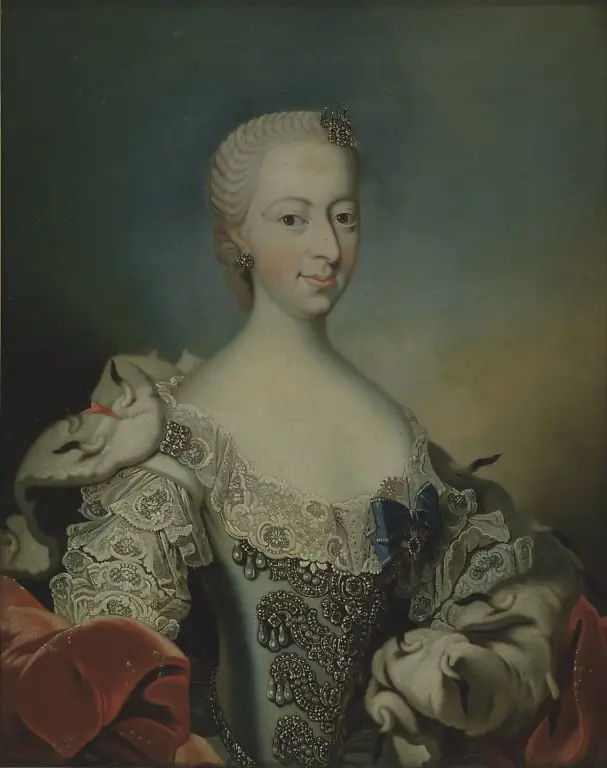 Juliane Marie, Frederik V's anden dronning
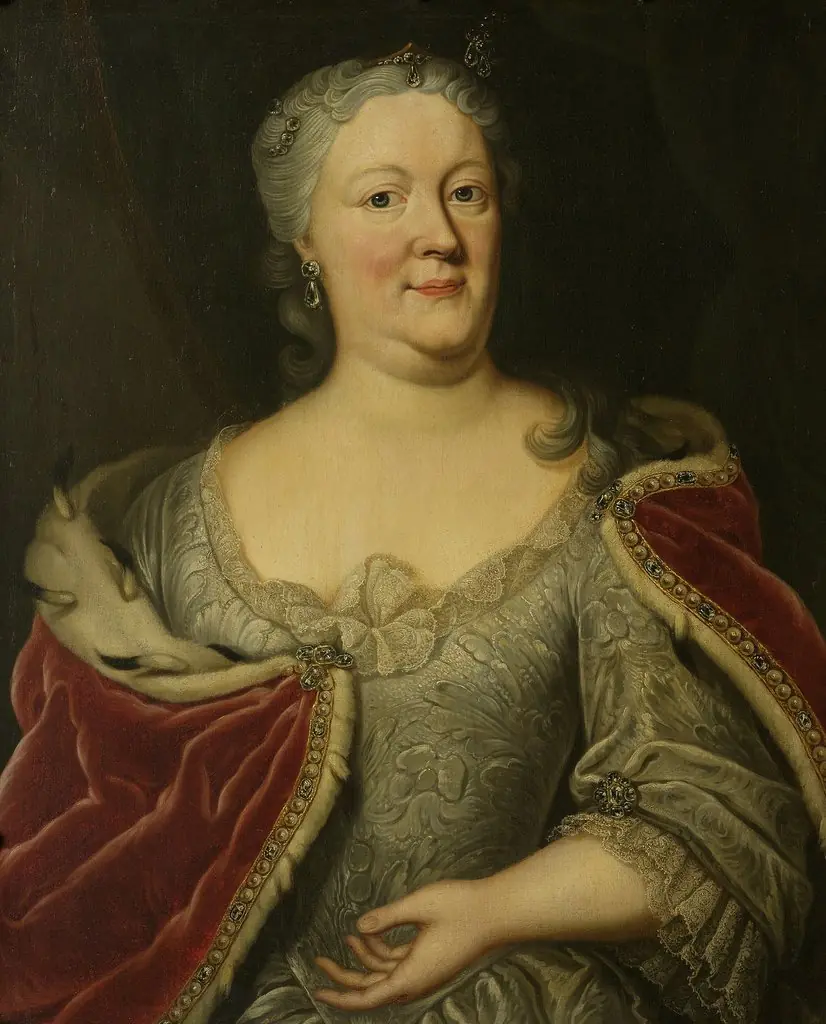 Portrait of Maria Louisa van Hessen-Kassel, called Maaike-Meu. Widow of the Stadtholder of Friesland John Willem Friso, Prince of Orange-Nassau
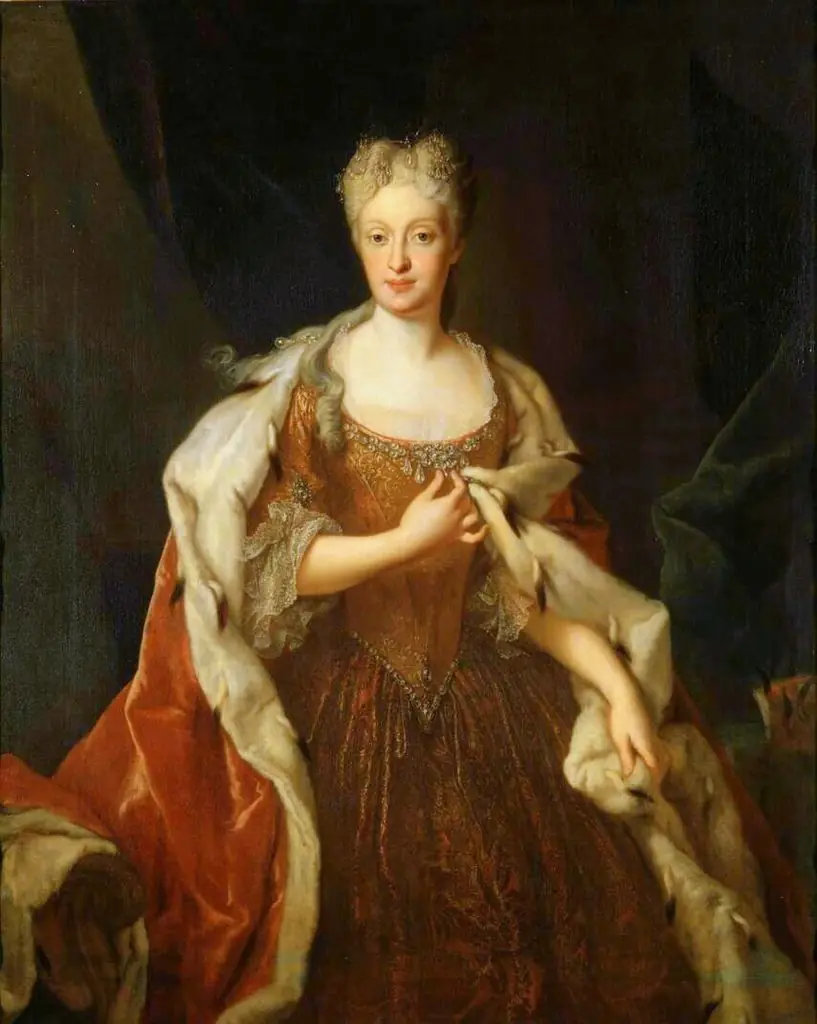 Porträt der Maria Josepha of Austria (1699-1757), Electress of Saxony and Queen of Poland
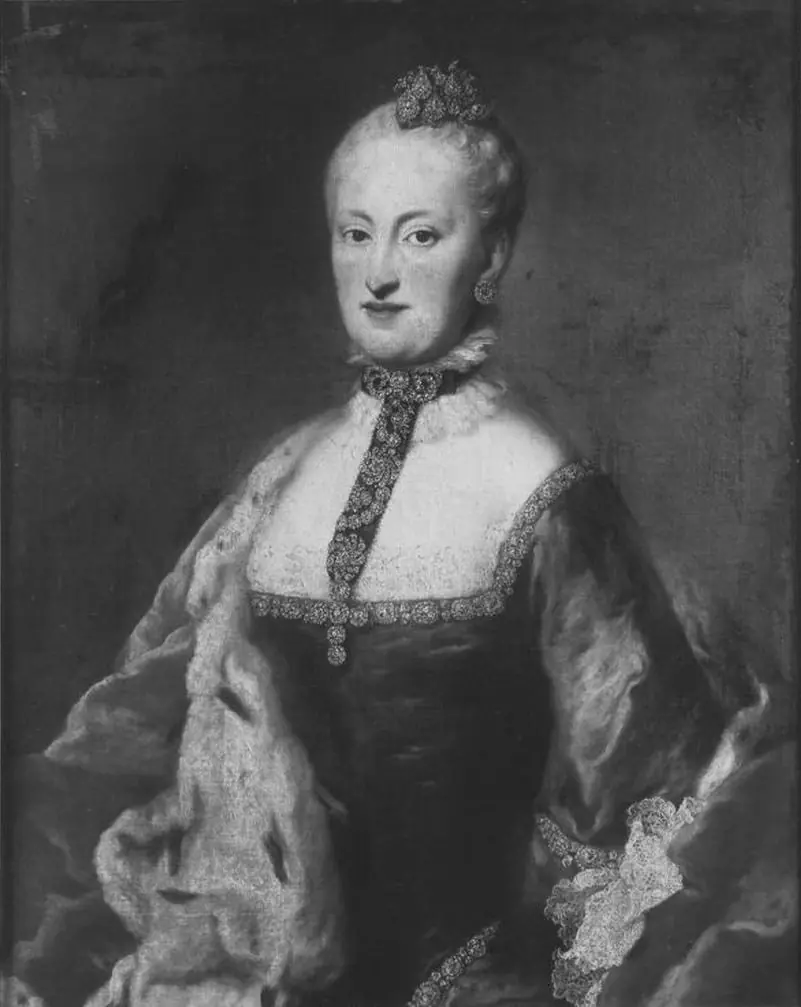 So-called portrait of Maria Anna Sophia of Saxony (1728–1797)