Artwork
Venus Urania
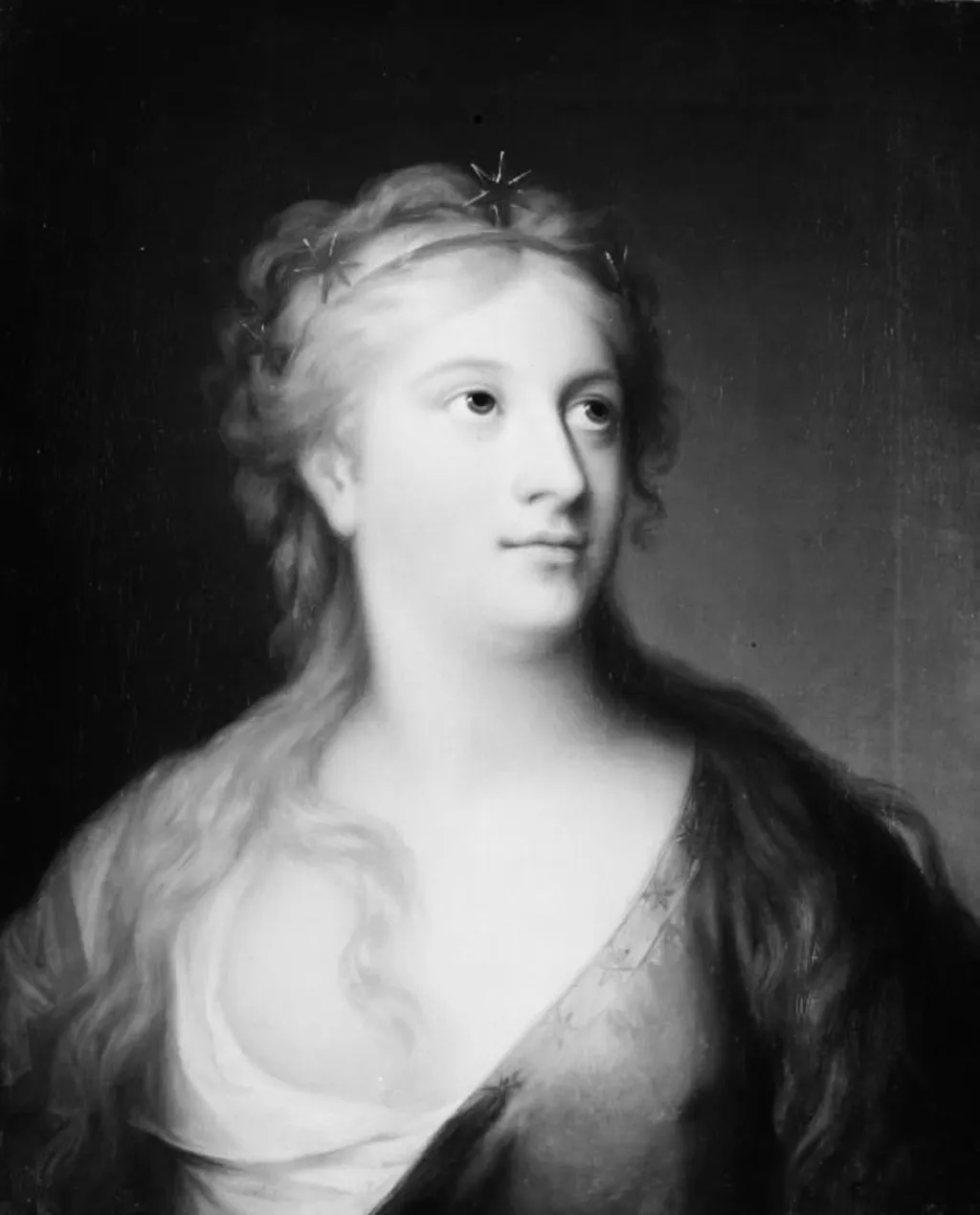
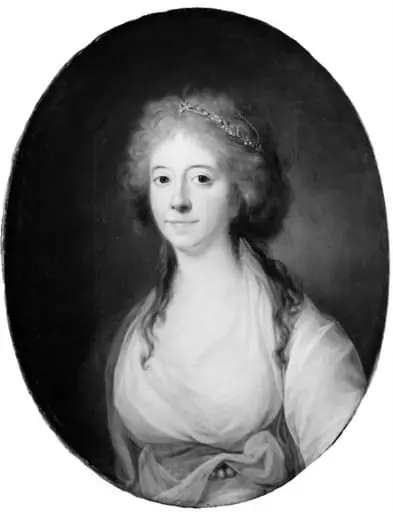
Venus Urania is a photography by the Romanticist artist Unknown. It dates from 1786 and is held in the collection of the Statens Museum for Kunst.
About this work
Overview
The image’s monochrome palette and soft focus reflect the limitations and aesthetic choices of its time, emphasizing form over color.
Venus Urania is a black-and-white photographic image created in 1786, depicting a female figure in classical attire. Though labeled as a painting, the work is in fact a photograph, likely produced using early photographic techniques. It is currently held in the collection of the Museum of Ethnography. The image’s monochrome palette and soft focus reflect the limitations and aesthetic choices of its time, emphasizing form over color.
Subject & Meaning
The figure is presented as Venus Urania, the celestial aspect of the goddess of love, associated with spiritual rather than physical desire. Her composed expression, draped garment, and exposed shoulder evoke classical ideals of beauty and serenity. The title and pose align with Enlightenment-era interests in mythological symbolism, suggesting an intellectual rather than sensual interpretation of the divine feminine.
Technique & Style
The image employs subtle chiaroscuro to model the figure against a dark, uniform background, enhancing volume without harsh contrast. The lighting is diffused, softening facial features and fabric folds, creating a unified tonal harmony. The hair is gently pulled back, and the draped garment suggests movement while remaining static, typical of early photographic attempts to emulate painted portraiture.
History & Provenance
Created in 1786, the work predates the widespread adoption of photography, raising questions about its medium and authorship. It is attributed to '720_person,' a placeholder indicating uncertain provenance. The image entered the Museum of Ethnography’s collection as part of a broader effort to document visual representations of mythological themes in non-traditional media.
Context
In the late 18th century, classical mythology remained a favored subject in European art, even as new technologies emerged. This image reflects a transitional moment where photographic processes began to engage with established artistic conventions. Its classification as a painting may stem from contemporary confusion over emerging media or deliberate framing to align with academic taste.
Legacy
Venus Urania stands as an early example of how photographic techniques were adapted to convey classical ideals. Though not widely known, it contributes to the study of how mythological imagery persisted in the face of technological change. Its presence in an ethnographic museum underscores its role as a cultural artifact rather than a fine art object.
Artist & collection

 Domestic Scene
 Giacomo and Cardinal Marco, investing Andrea, Abbot of San Zeno, with his Benefice
 The Nymph of Fontainebleau
 Portrait of a Woman
 Madonna and Child with Saints in the Enclosed Garden
 Venus and Minerva
 Family Group of Four on Sofa
 Wall painting from Room H of the Villa of P. Fannius Synistor at Boscoreale
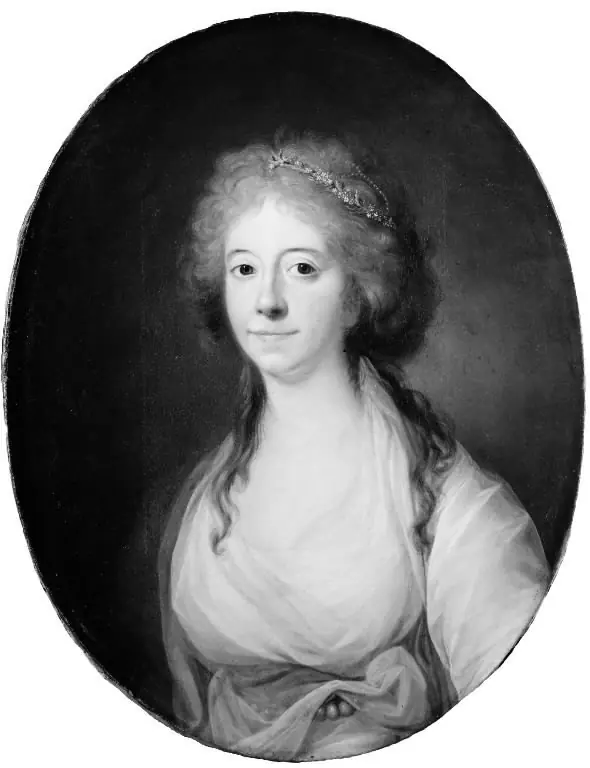 Elisabeth (Lisa) de la Calmette, f. baronesse Iselin, Antoine de la Calmettes hustru
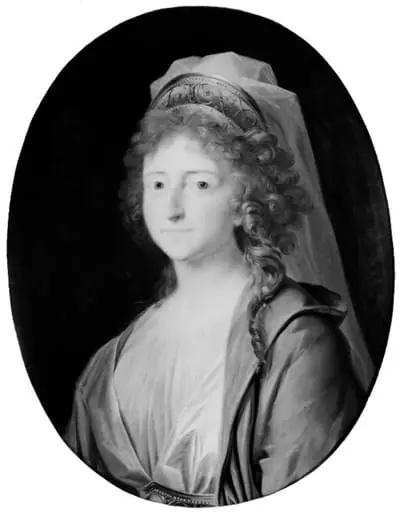 Portræt af Louise Augusta
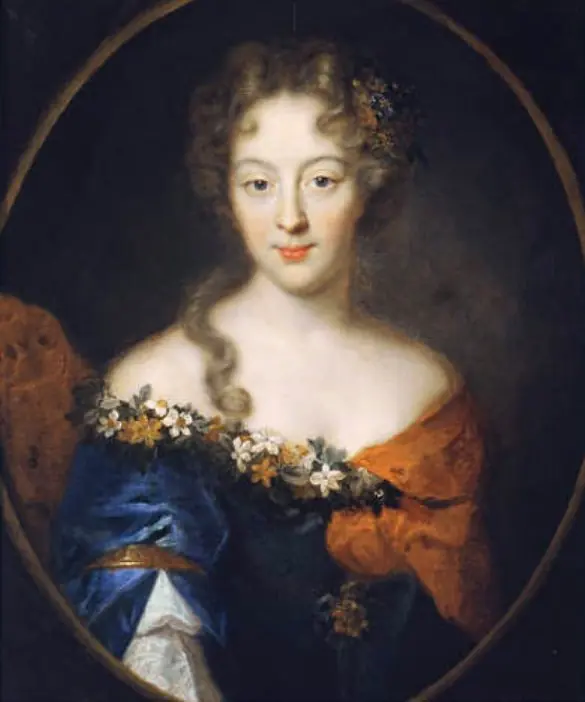 Portrait of Francoise Marguerite, Countess of Grignan
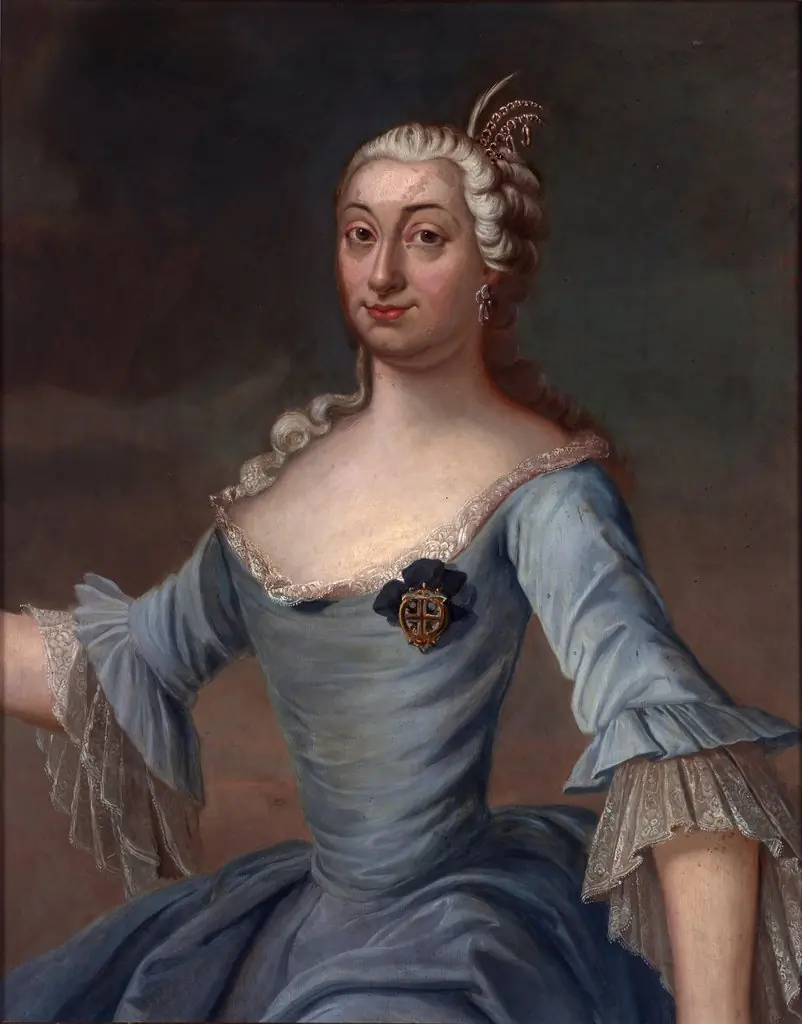 Portret Anny Ludwiki z Mycielskich Radziwiłłowej (1729-1771), żony Michała Kazimierza Radziwiłła "Rybeńki", hetmana wielkiego litewskiego i wojewody wileńskiego
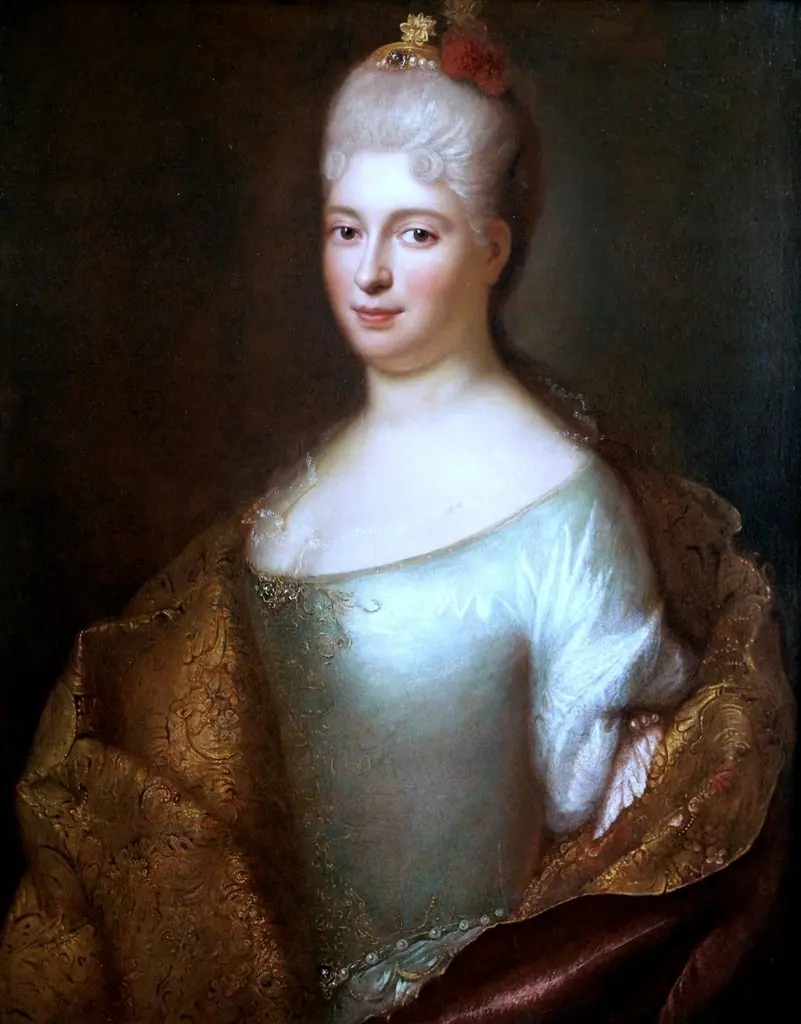 Portrait of Elżbieta Sieniawska.
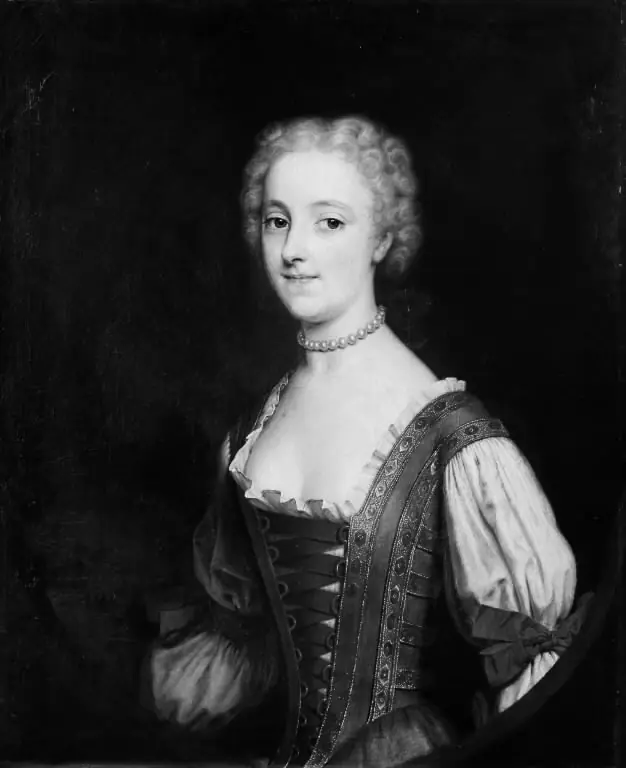 Dame i ungarsk dragt
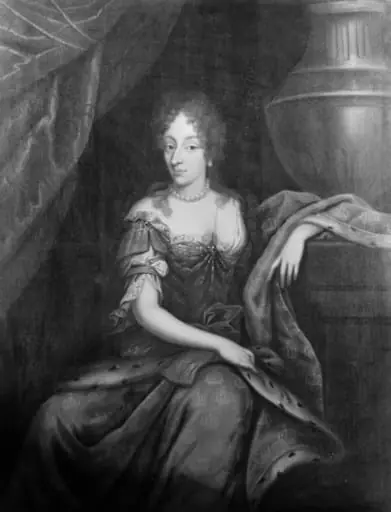 Dronning Charlotte Amalie (knæstykke)
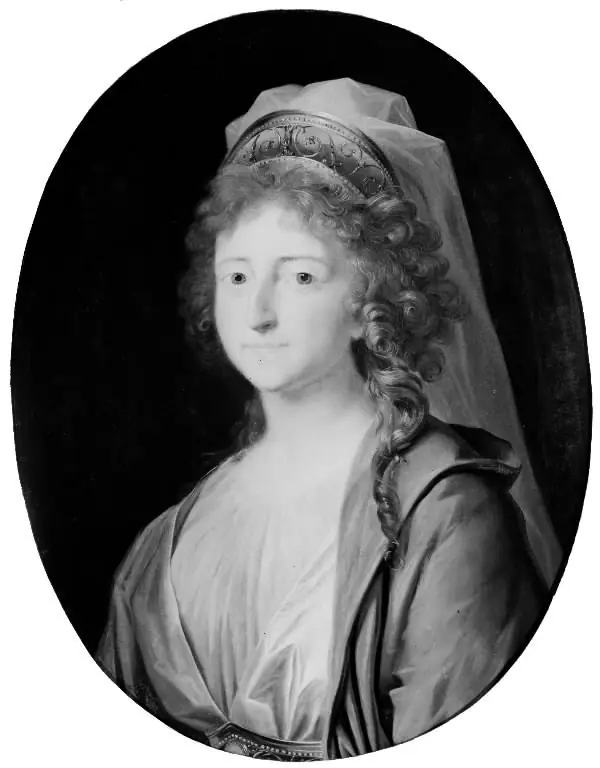 Portræt af Louise Augusta
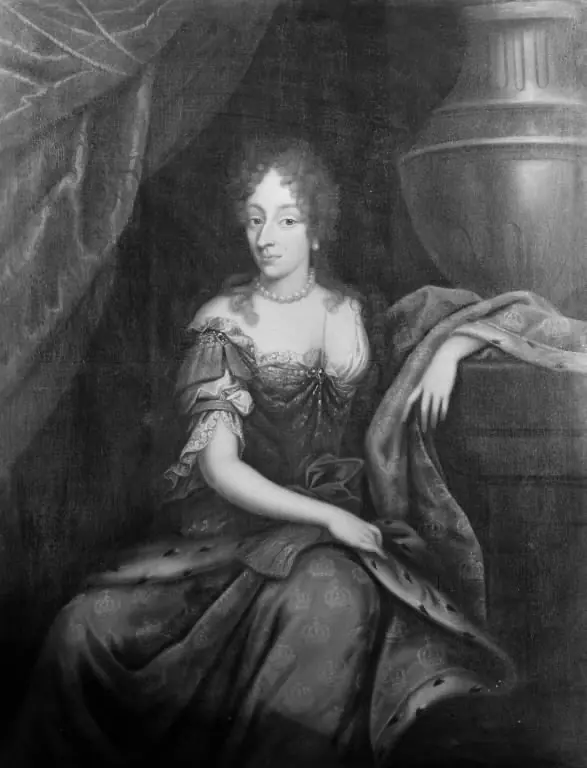 Dronning Charlotte Amalie (knæstykke)
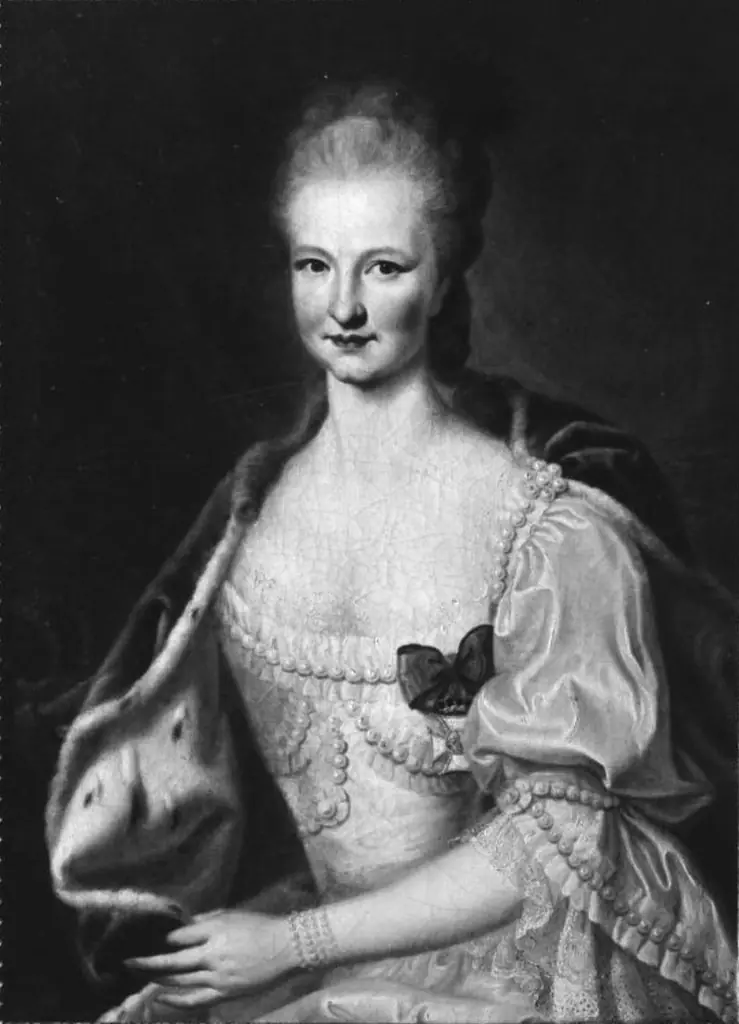 Bildnis der Maria Amalie Auguste
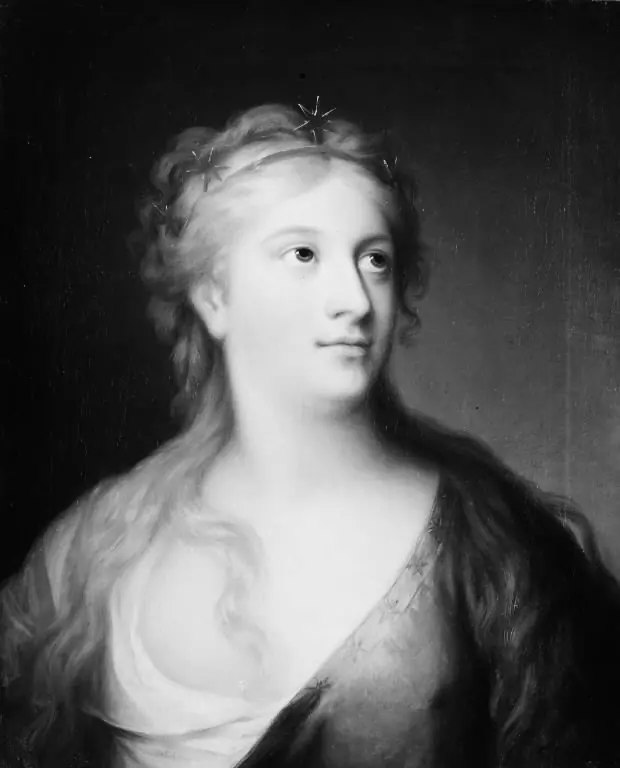 Venus Urania
 Elisabeth (Lisa) de la Calmette, f. baronesse Iselin, Antoine de la Calmettes hustru