Artwork
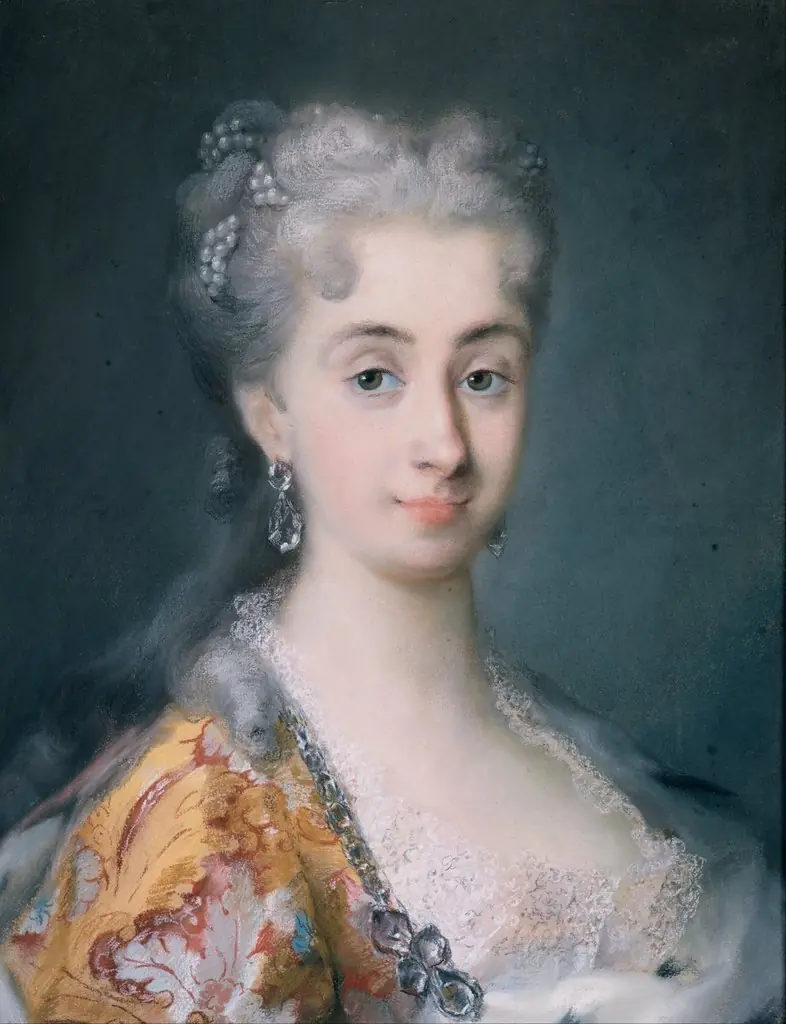
Portrait of Elżbieta Sieniawska.
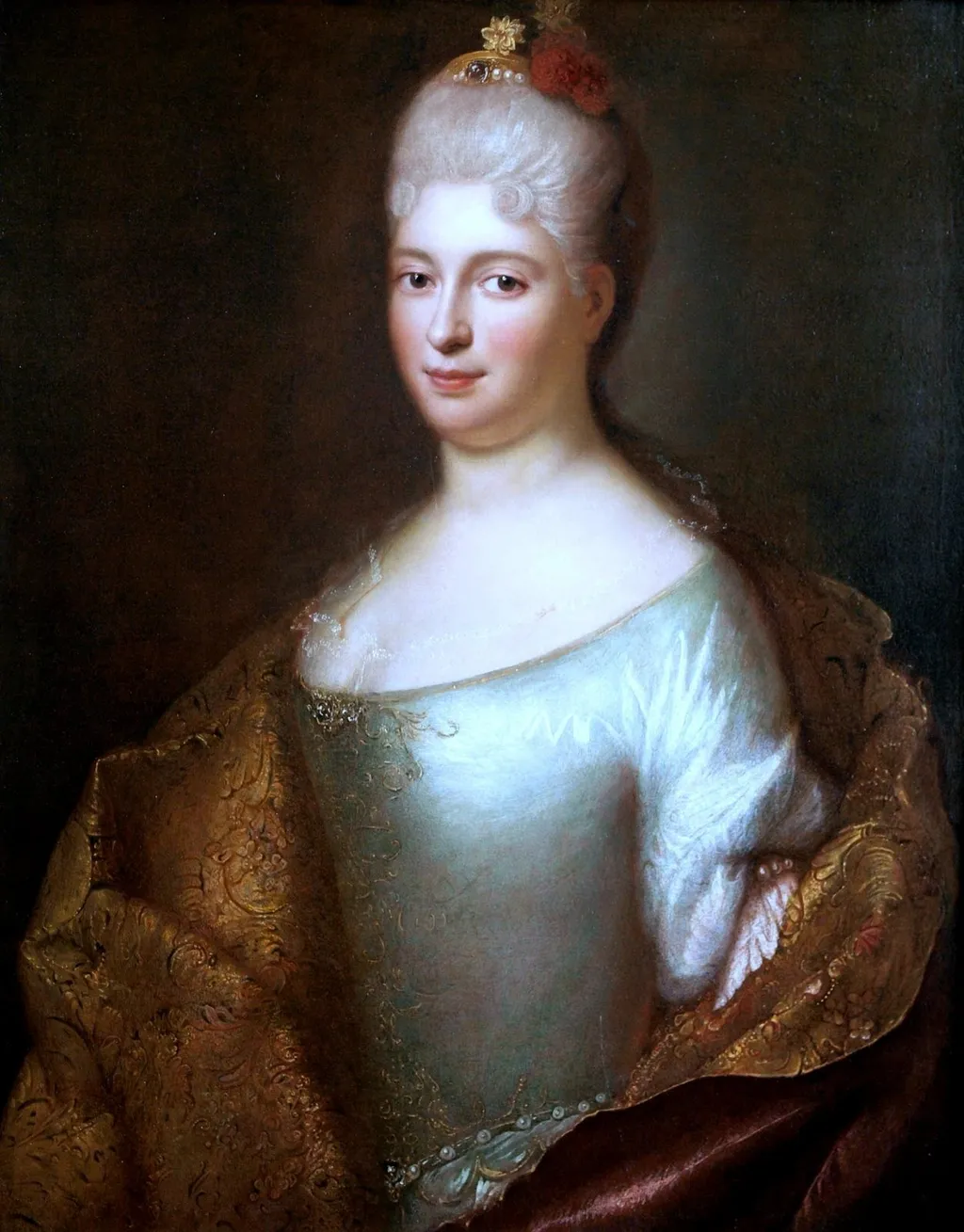
Portrait of Elżbieta Sieniawska. is an oil painting by Ádám Mányoki. It dates from 1715 and is held in the collection of the Hungarian National Gallery.
About this work
Overview
Painted in 1715 by Ádám Mányoki, this oil portrait depicts Elżbieta Sieniawska, a Polish noblewoman of high social standing. The work is part of the collection at the Hungarian National Gallery. Rendered with careful attention to texture and light, the painting captures the subject in formal attire against a dark, softly modeled background that enhances the three-dimensionality of her figure.
Subject & Meaning
Elżbieta Sieniawska is portrayed with quiet dignity, her white hair and composed expression reflecting maturity and social authority.
Elżbieta Sieniawska is portrayed with quiet dignity, her white hair and composed expression reflecting maturity and social authority. The red flower and gold ornaments suggest refined taste and symbolic status, while the layered fabrics—light blue silk, gold embroidery, and a draped brown shawl—convey both wealth and restraint. Her gaze, neither confrontational nor distant, invites contemplation rather than admiration.
Technique & Style
Mányoki employs chiaroscuro to define form and focus attention on the face and attire. The lighting falls gently across her features and jewelry, contrasting with the deep, neutral background. Brushwork is precise in rendering lace, metal threads, and hair, yet loose enough in the shawl to suggest texture without detail. The palette is restrained, emphasizing tonal harmony over vibrancy.
History & Provenance
The portrait entered the Hungarian National Gallery’s collection in the 19th century, likely through the absorption of aristocratic holdings from former Polish-Lithuanian territories. Its attribution to Mányoki, a court painter active in Central Europe, aligns with documented commissions for nobility during the early 1700s. No earlier provenance records are publicly available, but its preservation suggests continuous ownership by elite circles.
Context
In the early 18th century, portraits of noblewomen often served as assertions of lineage and cultural refinement. Sieniawska, wife of a prominent Polish magnate, would have been depicted to reinforce familial prestige. Mányoki’s style reflects the transition from Baroque grandeur to more intimate, psychologically nuanced portraiture common in Habsburg-influenced regions.
Legacy
The portrait remains a key example of Central European aristocratic portraiture from the early 1700s. While not widely exhibited outside Hungary, it is frequently referenced in studies of noble identity and painterly technique in the Polish-Lithuanian sphere. Its subdued elegance distinguishes it from more flamboyant contemporary works, offering insight into quieter expressions of power.
Own this work as a print
Artist & collection

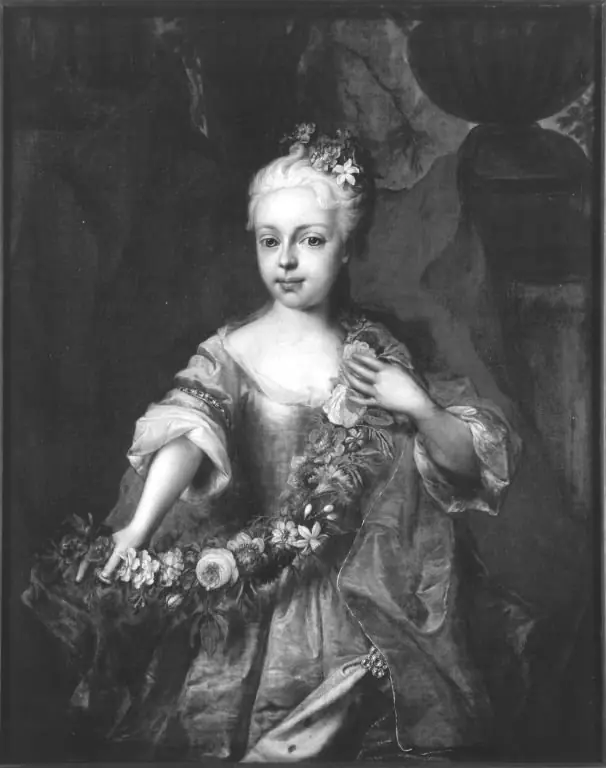 Portrait of Archduchess Maria Theresa of Austria, later Empress (1717-1780)
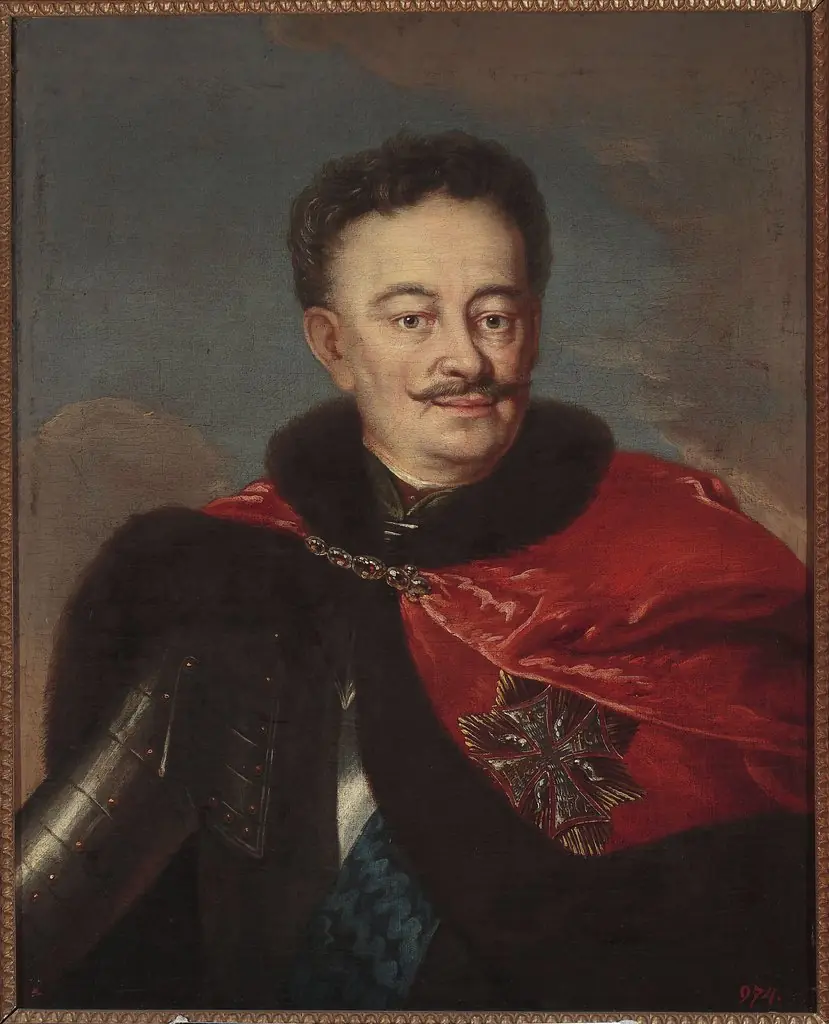 Portrait of Józef Potocki
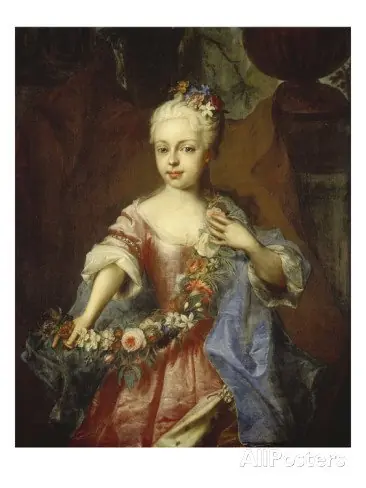 Portrait of Maria Theresia at the age of six.
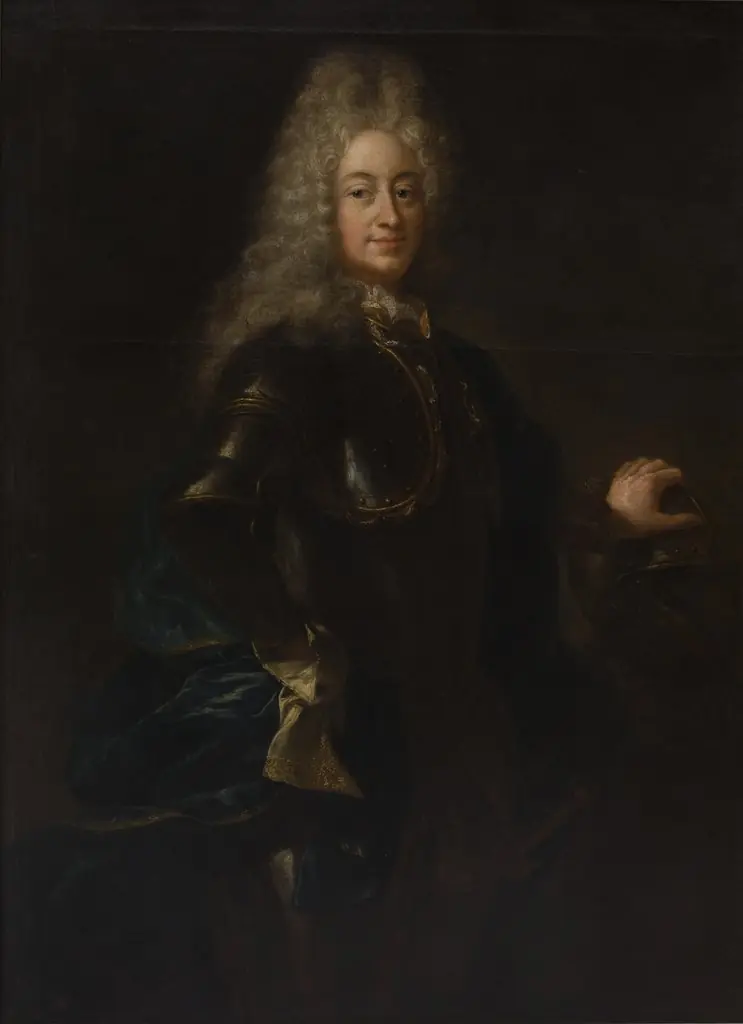 Portrait of a Nobleman in Armour
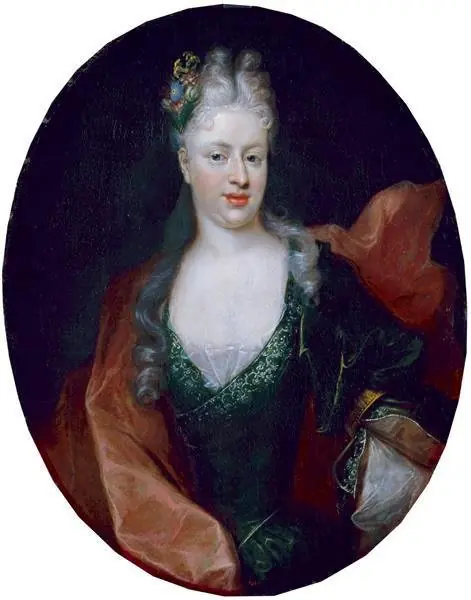 Baronesse Katarzyna de Besenval, geb. Gräfin Bielinska
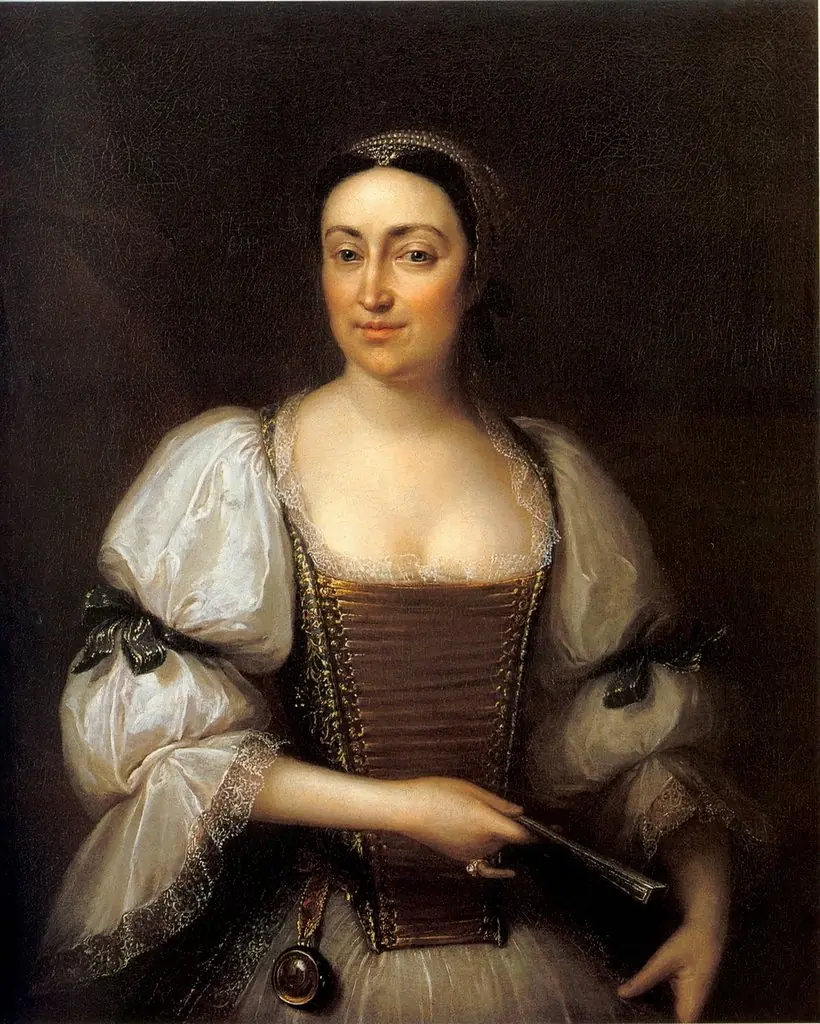 Portrait of Baroness János Podmaniczky née Judit Osztroluczky
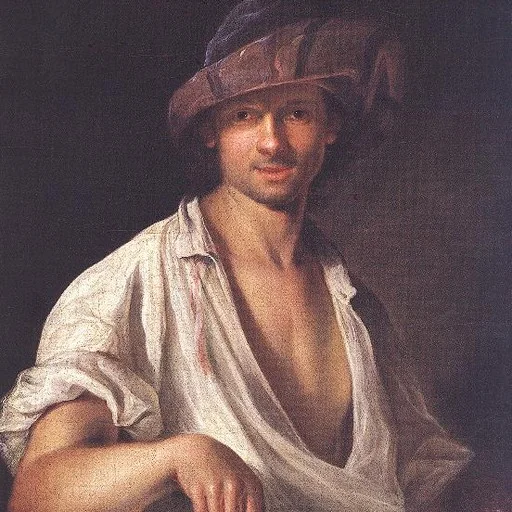
 Self-portrait
 Portrait of Prince Ferenc Rákóczi II
 Portrait of Konstancja Poniatowska née Czartoryska
![Portrait of a young woman [Sophie Markgräfin von Brandenburg-Bayreuth, née Duchess Sachsen-Weißenfels (1684–1752)?], by Unknown](https://artifactworldgallery.com/img/unknown--portrait-of-a-young-woman-sophie-markgrafin-von-brandenburg--2d73c9561763e528-w320.webp) Portrait of a young woman [Sophie Markgräfin von Brandenburg-Bayreuth, née Duchess Sachsen-Weißenfels (1684–1752)?]
Portrait of a young woman [Sophie Markgräfin von Brandenburg-Bayreuth, née Duchess Sachsen-Weißenfels (1684–1752)?] Piispatar Elisabet Wallin
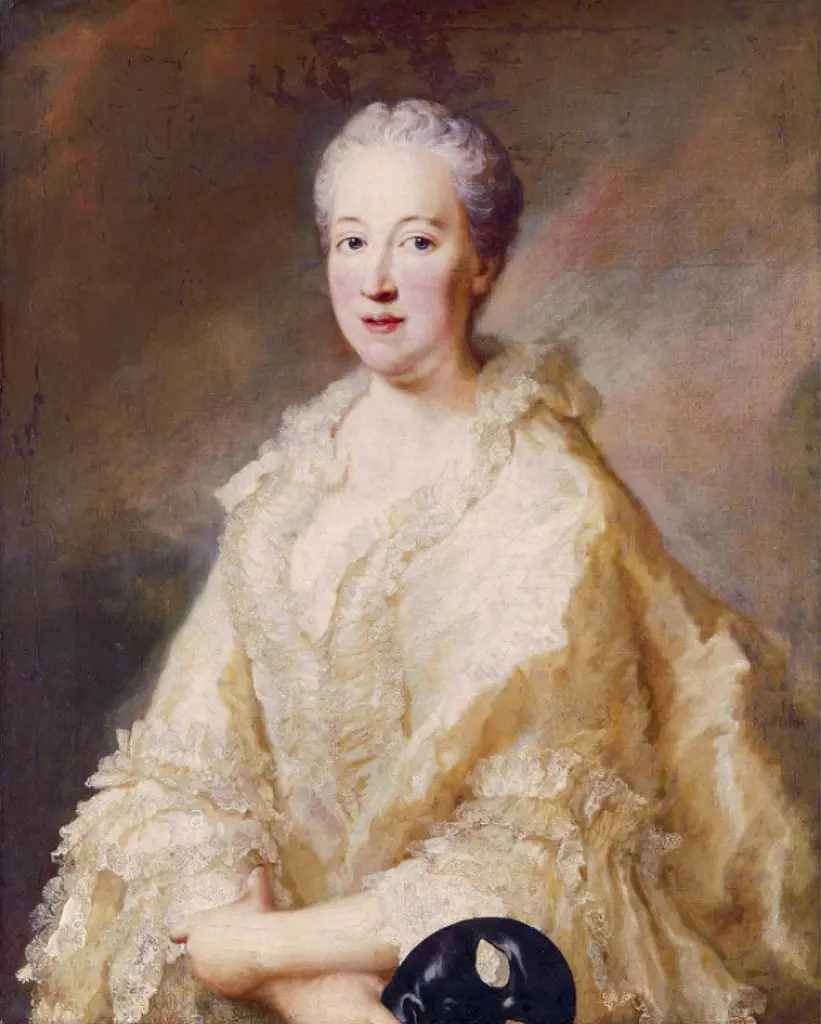 Portrait of Countess Palatine Maria Anna of Sulzbach (1722-1790)
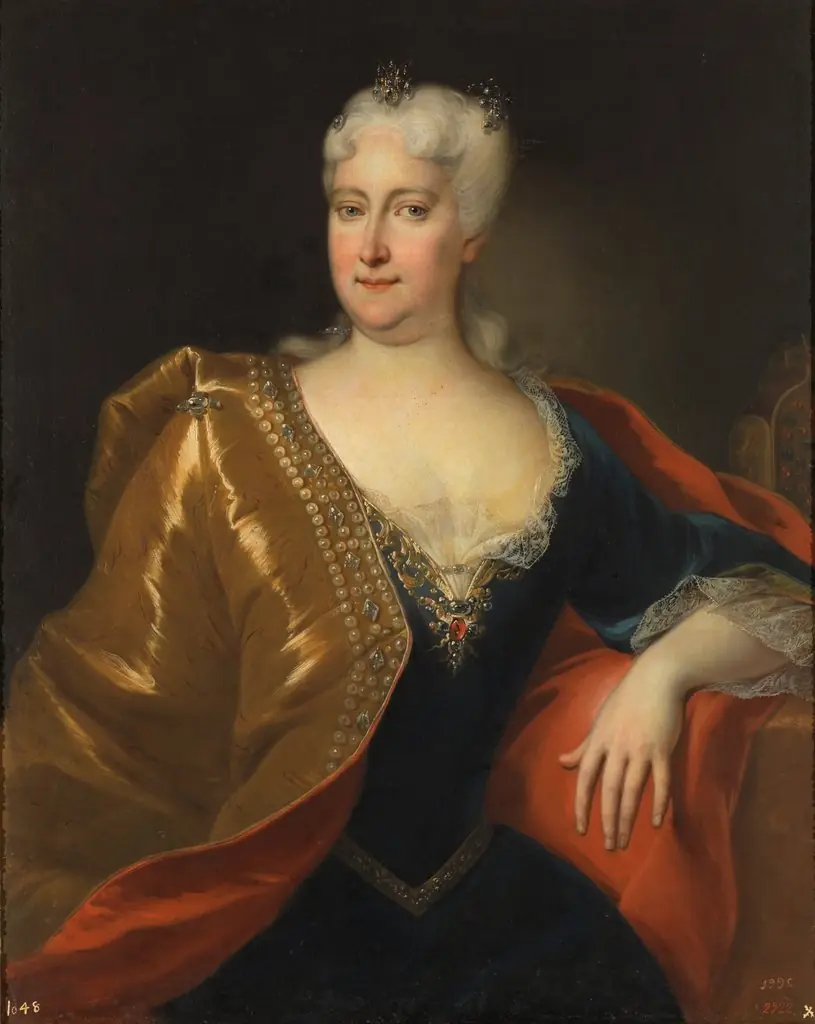 La emperatriz Isabel Cristina de Brunswick
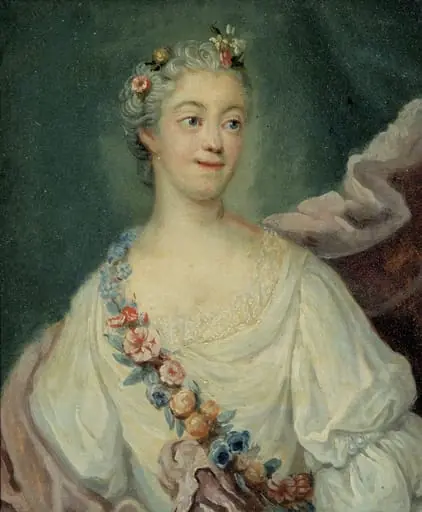 Ulrika Lovisa Tessin
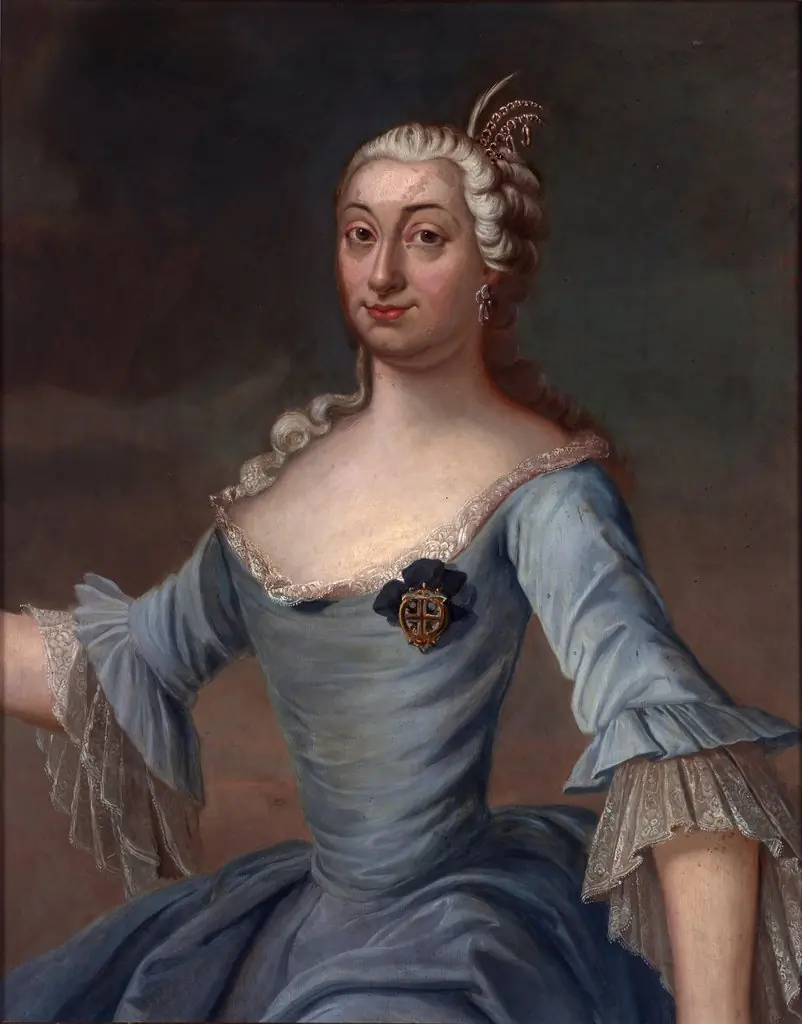 Portret Anny Ludwiki z Mycielskich Radziwiłłowej (1729-1771), żony Michała Kazimierza Radziwiłła "Rybeńki", hetmana wielkiego litewskiego i wojewody wileńskiego
 Kuningatar Sofia Magdalena
 Erzherzogin Maria Christine (1742-1798), Herzogin von Sachsen - Teschen, in gestreiftem Seidenkleid, Halbfigur
 Portrait of a Lady
 Porträt der Daria Golitsyna
 Lucrezia Mocenigo