Artwork
Amazonslaget: Kampen føres heftigt i forgrunden; på højden bagved ligger en brændende by og t. h. ses en stor bro, hvorpå kampen fortsættes. I baggrunden høje bjerge.
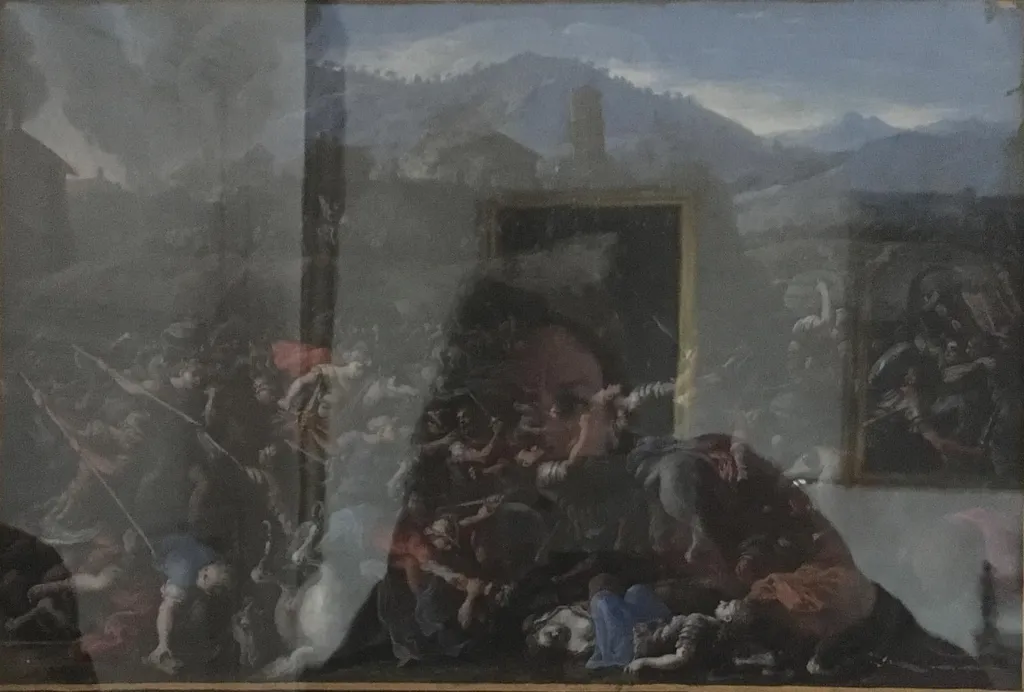
Amazonslaget: Kampen føres heftigt i forgrunden; på højden bagved ligger en brændende by og t. h. ses en stor bro, hvorpå kampen fortsættes. I baggrunden høje bjerge. is an unspecified work on paper by Unknown. It dates from 1750 and is held in the collection of the Statens Museum for Kunst. This watercolor painting, dated around 1750, depicts a violent clash between warriors in a mythic setting.
About this work
Overview
The work is held in the collection of the Museum of Ethnography, though its cultural origin remains unattributed in available records.
This watercolor painting, dated around 1750, depicts a violent clash between warriors in a mythic setting. The scene is layered with action: a fierce melee occupies the foreground, while a burning city and a long bridge appear in the middle ground, and towering mountains frame the distant horizon. The work is held in the collection of the Museum of Ethnography, though its cultural origin remains unattributed in available records.
Subject & Meaning
The imagery suggests a legendary conflict, possibly drawn from classical or mythological traditions involving Amazon warriors. The burning city and extended battle across a bridge imply a siege or invasion, with no clear victor. Faces reveal varied emotional states—fear, determination, exhaustion—emphasizing the human cost of war rather than glorifying victory. The composition avoids clear narrative resolution, inviting contemplation of chaos over triumph.
Technique & Style
Executed in watercolor, the artist employs translucent washes to build depth and contrast. Dark, saturated shadows define figures and terrain, while lighter areas suggest smoke, fire, and distant light. The brushwork is fluid yet controlled, allowing for both broad atmospheric effects and detailed expressions. The lack of sharp outlines enhances the sense of movement and disarray, reinforcing the painting’s turbulent mood.
History & Provenance
The painting’s origin is undocumented beyond its estimated date and current location. It entered the Museum of Ethnography’s holdings without clear documentation of its creation context or prior ownership. No known artist signature or inscriptions accompany the work, and its journey from production to museum collection remains unclear, reflecting common gaps in the provenance of 18th-century non-European artworks in European collections.
Context
Created during a period when European collectors increasingly sought exotic or mythological imagery, this work may reflect a fascination with non-Western legends or imagined battles. Though stylistically aligned with European watercolor traditions, its subject matter diverges from classical or biblical themes, suggesting either a hybrid cultural influence or an artist’s invention rooted in contemporary literary or visual sources about distant peoples.
Legacy
The painting contributes to a broader 18th-century trend of depicting mythic or foreign conflicts through a European aesthetic lens. Its preservation in an ethnographic museum underscores its role as a cultural artifact rather than a fine art specimen. While not widely reproduced or studied, it remains a quiet example of how myth, emotion, and technique converged in lesser-known works of the period.
Artist & collection

 Domestic Scene
 Giacomo and Cardinal Marco, investing Andrea, Abbot of San Zeno, with his Benefice
 The Nymph of Fontainebleau
 Portrait of a Woman
 Madonna and Child with Saints in the Enclosed Garden
 Venus and Minerva
 Family Group of Four on Sofa
 Wall painting from Room H of the Villa of P. Fannius Synistor at Boscoreale
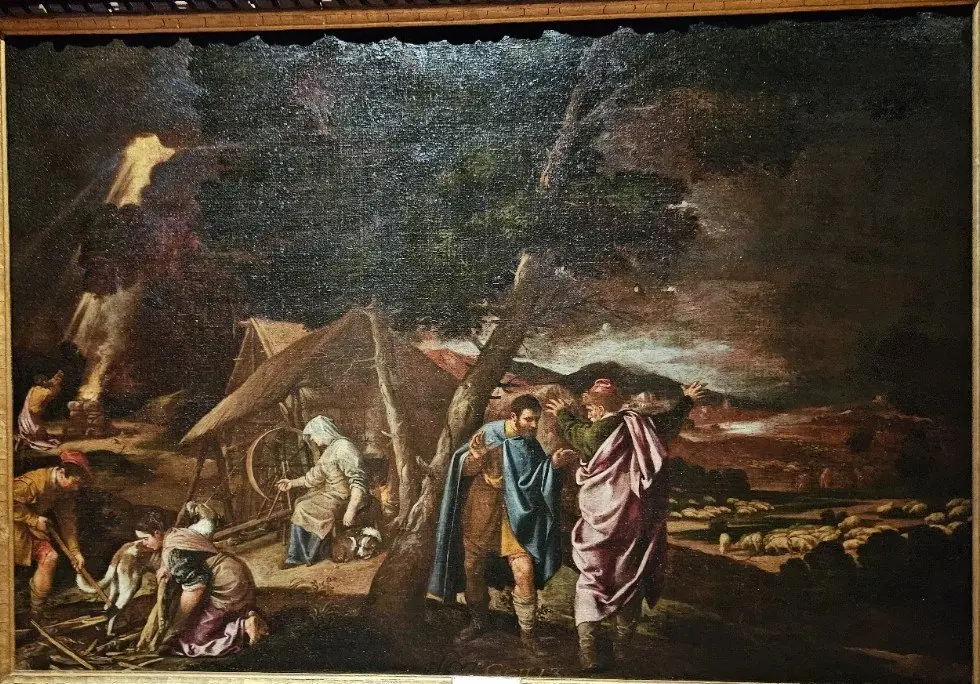 Abraão separa-se de Lot
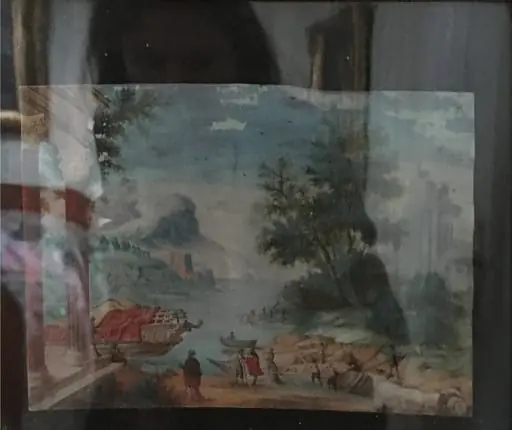 Landskab med strand, til venstre noget af en søjlegang; foran et skib, til højre folk i færd med at sætte båd i vandet.
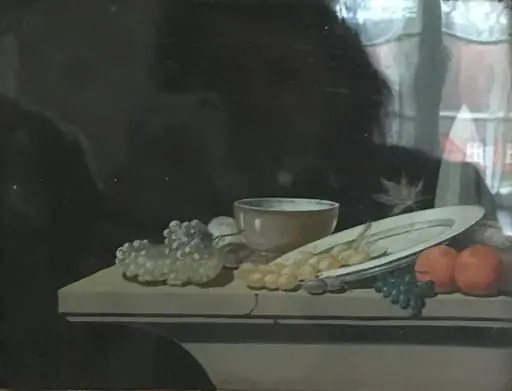 Fremstilling af det stille liv: en terrin, et fad druer, appelsiner, blommer, en sukkertop m. m.
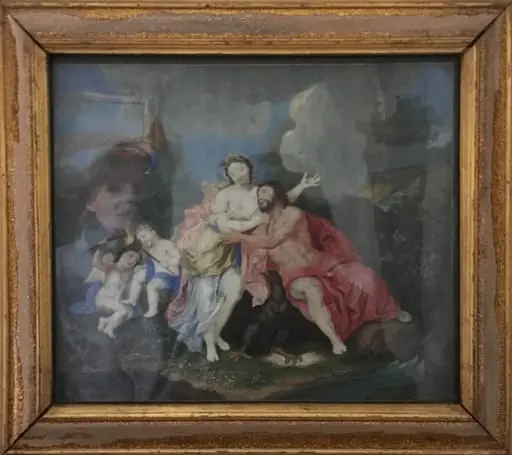 Jupiter og Juno sidder i kærlig omfavnelse, imellem dem står ørnen, trædende på tordenkilen, til venstre tænder en vinget genius sin fakkel hos en anden, og oven over disse svæver påfuglen ned. I baggrunden et landskab/ Ida bjerget/.
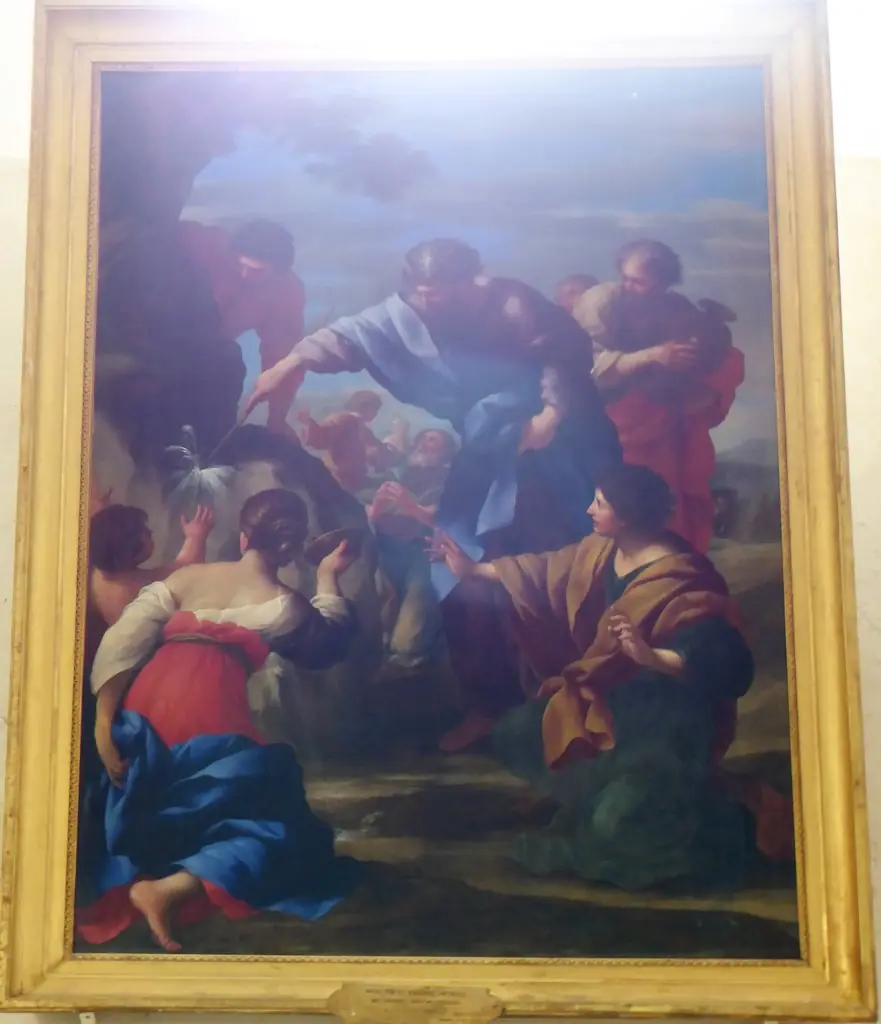 Moses made water gush from the rock
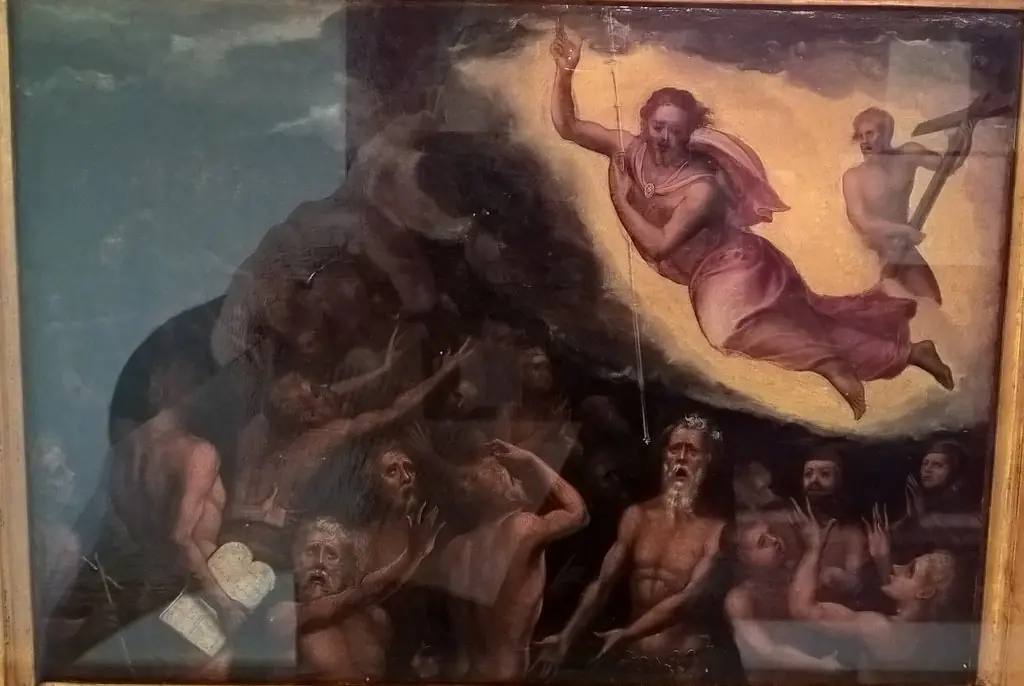 Descent of Christ into Limbo
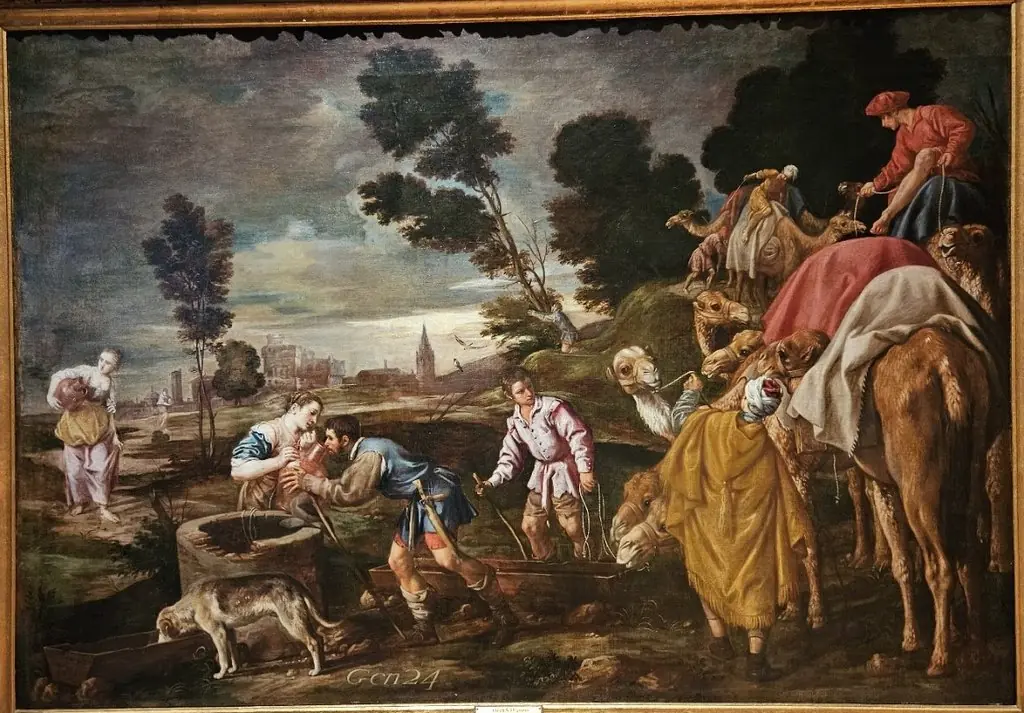 Encontro de Rebeca e Eliezer no Poço
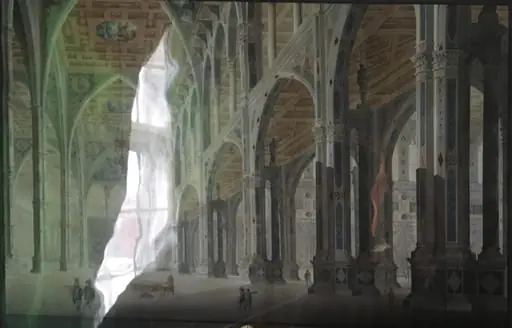 Teaterdekoration: En stor sal, hvori et bord i midten med underskrift: Grande Salle Royale Gothigue d'Audience.
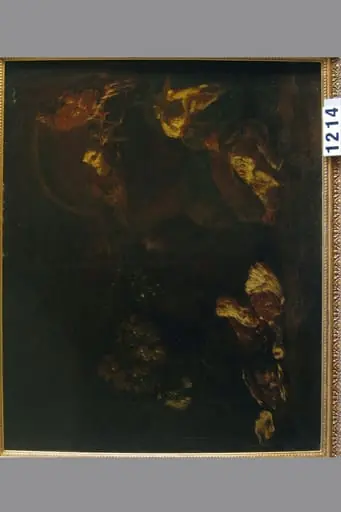 Natură statică cu porumbei (în registrul inventar: Natură moartă și un coș cu porumbei)
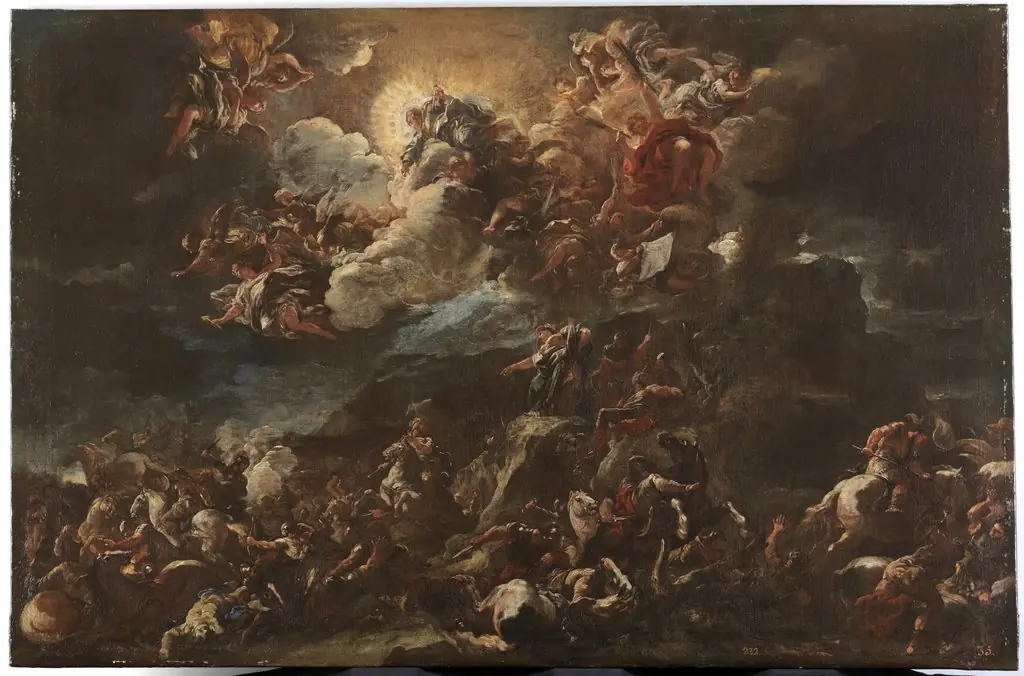 Victoria de los israelitas y cántico de Débora
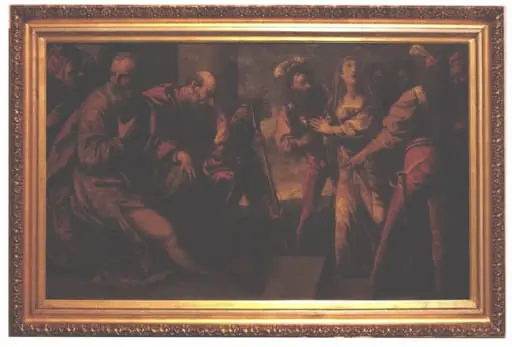 Femeia adulteră în fața judecătorilor
 Icoa(secilă.