Artwork
Encontro de Rebeca e Eliezer no Poço
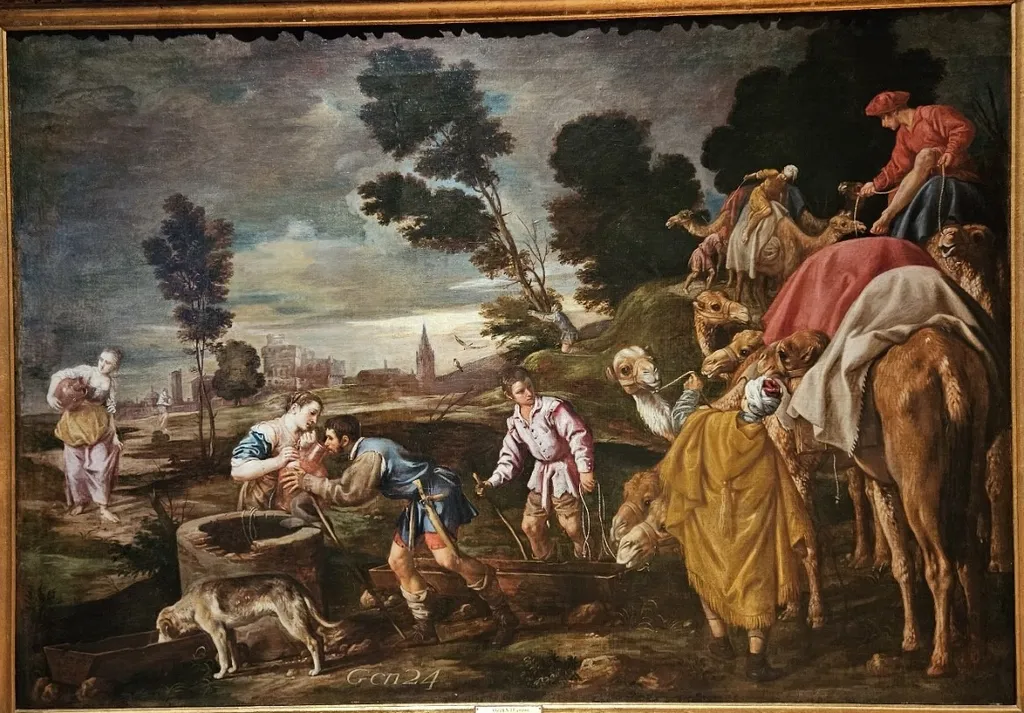
Encontro de Rebeca e Eliezer no Poço is an unspecified painting by the Early Baroque Italian artist Pedro Orrente. It dates from 1625 and is held in the collection of the National Museum of Ancient Art.
About this work
Overview
Pedro Orrente’s 1625 canvas *Encontro de Rebeca e Eliezer no Poço* portrays the biblical encounter between Rebecca and Eliezer at a well. Executed in a restrained yet lively composition, the work brings together a crowd of figures, livestock and a distant city under a cloudy sky. The painting is part of the collection of Portugal’s National Museum of Ancient Art.
Subject & Meaning
The scene illustrates the moment in Genesis when Rebecca draws water for Eliezer, a narrative often used to emphasize hospitality and divine providence. Orrente emphasizes the communal aspect of the well, surrounding the central act with onlookers and animals, thereby underscoring the social and spiritual significance of the encounter.
Technique & Style
Rendered in the early Baroque idiom that Orrente absorbed from Italian models, the painting balances naturalistic detail with dramatic chiaroscuro.
Rendered in the early Baroque idiom that Orrente absorbed from Italian models, the painting balances naturalistic detail with dramatic chiaroscuro. Figures are modeled with careful observation, while the cloudy, muted sky and the earthy palette lend a sober atmosphere. The inclusion of camels and other beasts reflects the artist’s commitment to realistic representation within a religious framework.
History & Provenance
Created in 1625, the work belongs to the period when Orrente was instrumental in introducing Naturalism to Spanish painting. After remaining in private hands for centuries, the canvas entered the National Museum of Ancient Art, where it has been displayed as a representative example of 17th‑century Iberian religious art.
Context
Orrente’s painting aligns with the Counter‑Reformation’s demand for clear, affective religious imagery. By placing a familiar biblical episode in a tangible, everyday setting, the artist fulfills the era’s goal of making sacred stories accessible to viewers, while also showcasing the influence of Italian Baroque compositional principles on Spanish art.
Artist & collection
Artist
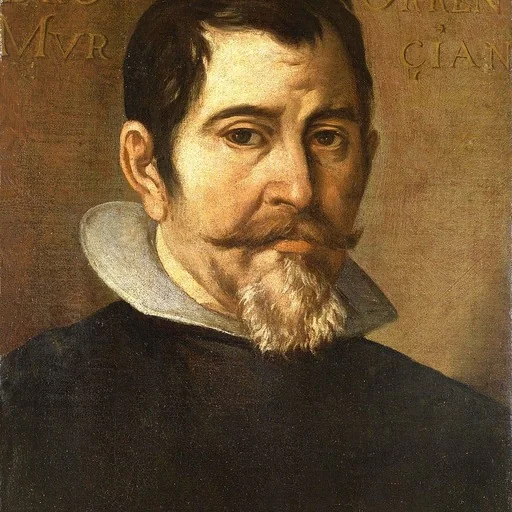
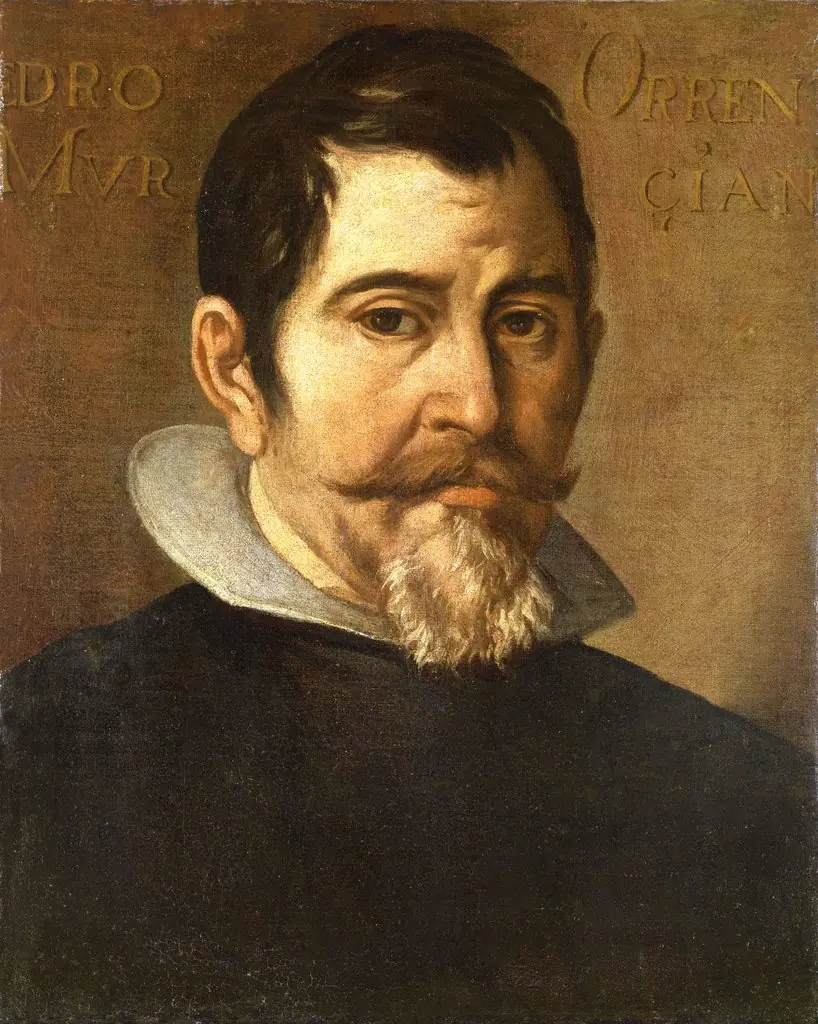
Pedro de Orrente (April 1580 – 19 January 1645) was a Spanish painter of the early Baroque period. He became one of the first artists in that part of Spain to paint in a Naturalistic style.

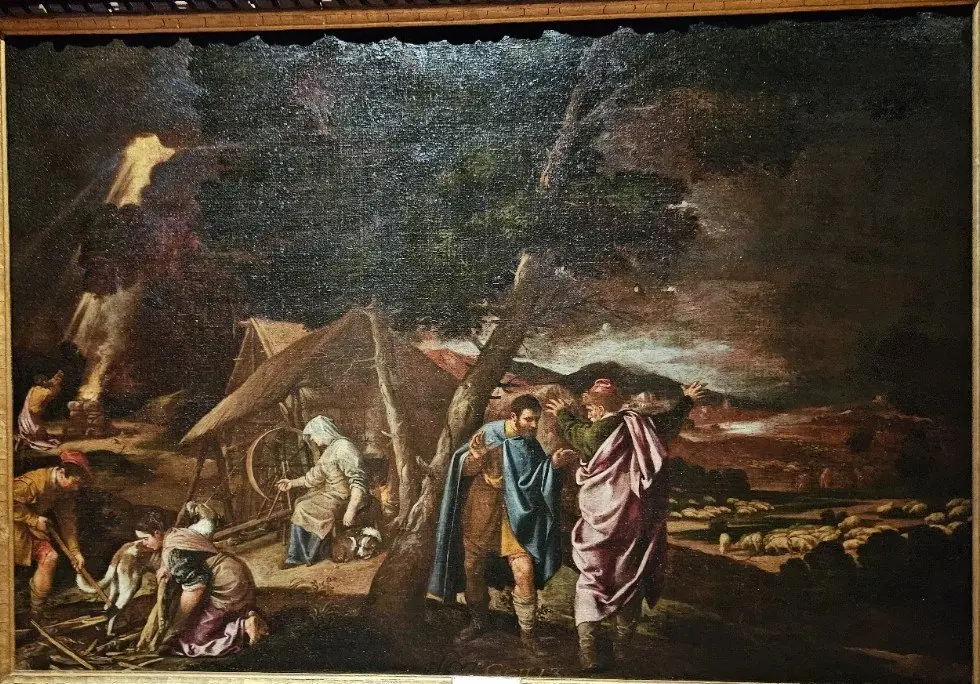 Abraão separa-se de Lot
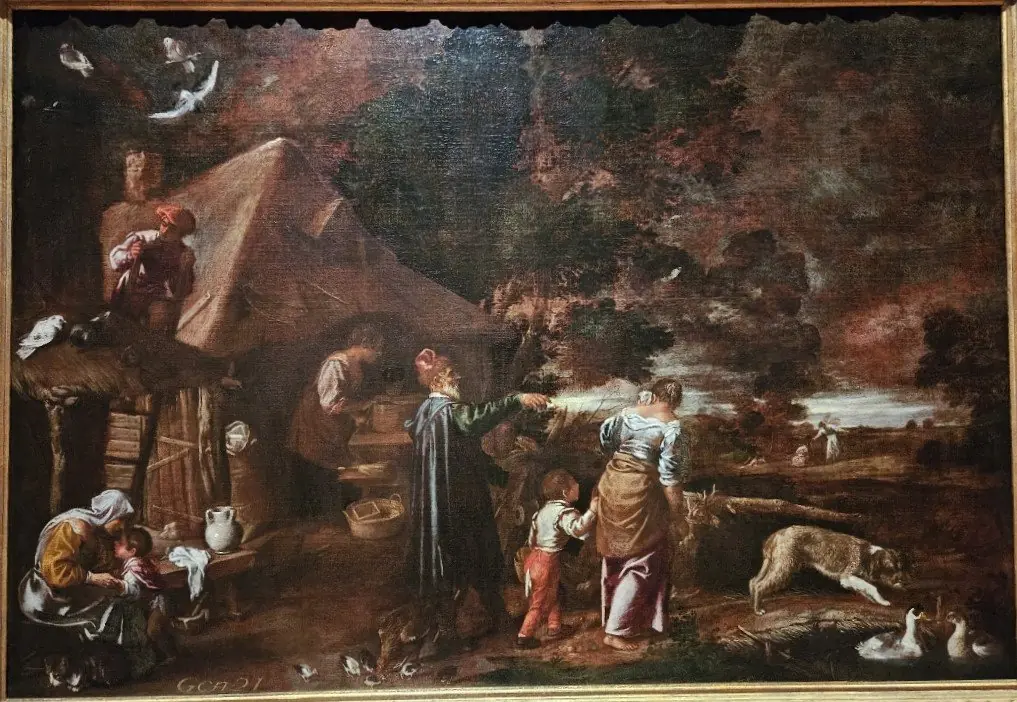 Repúdio de Agar
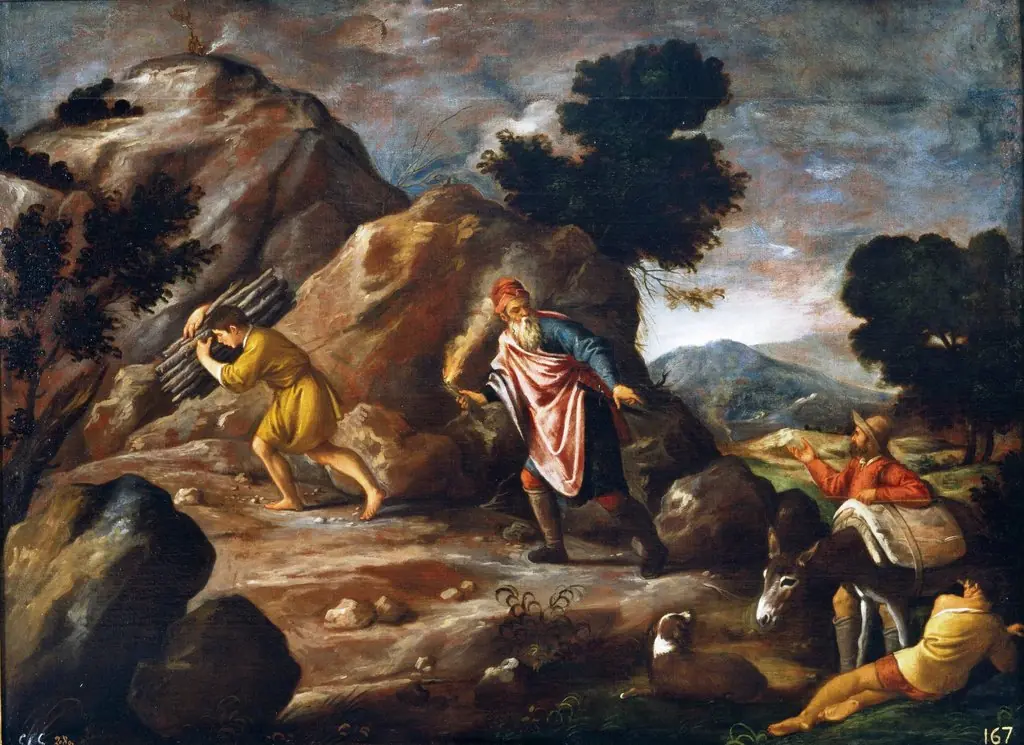
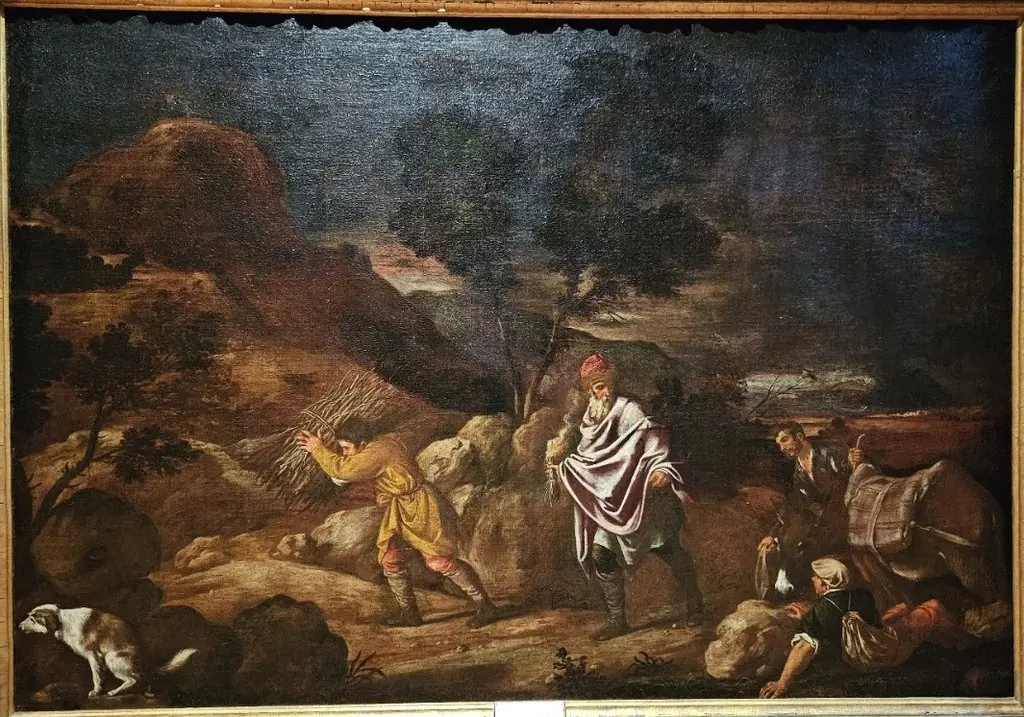 Abraão e Isaac a Caminho do Sacrifício
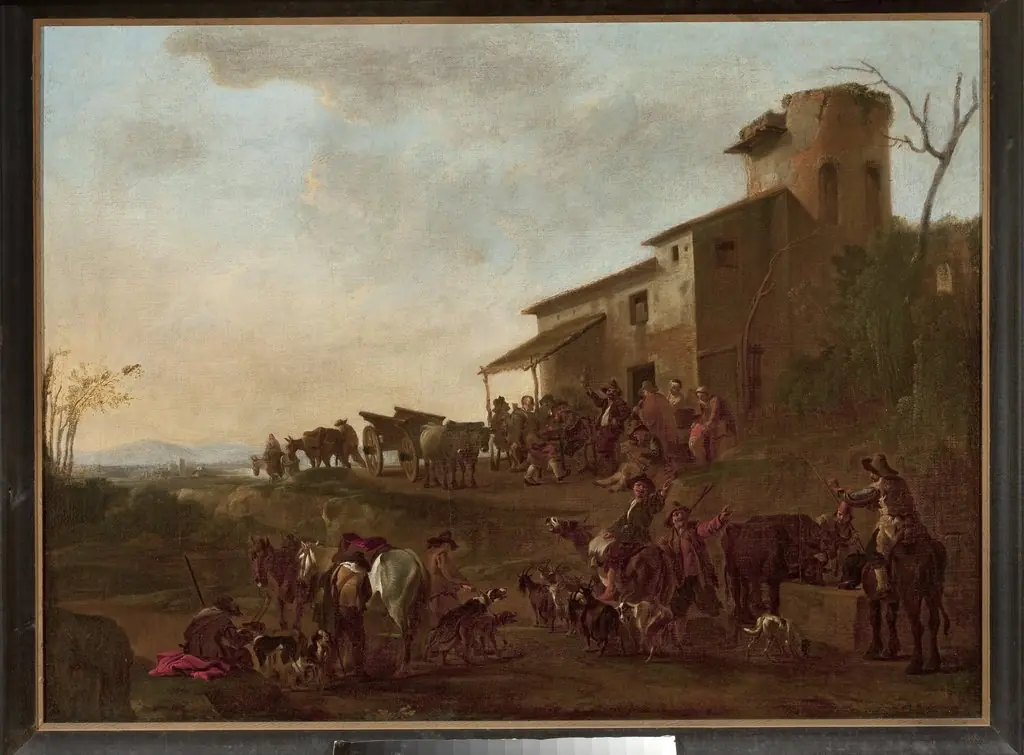 Scene in front of a tavern
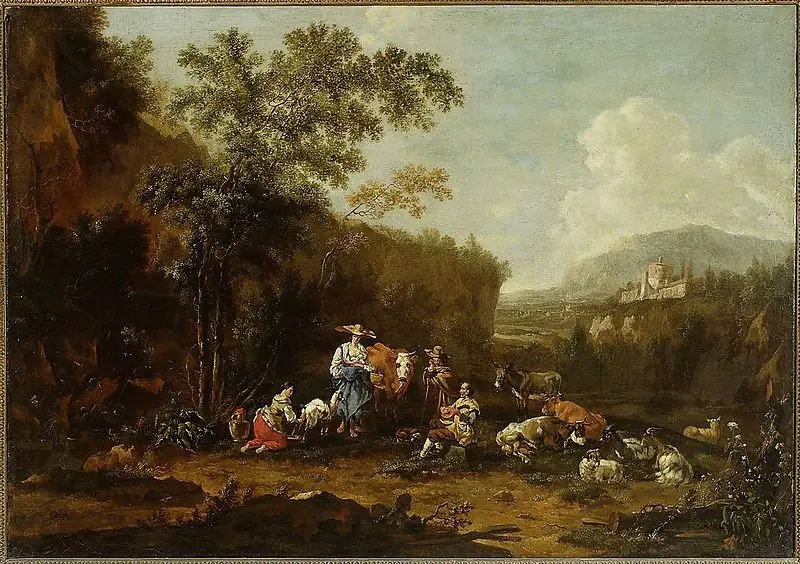 Italian landscape with a group of shepherds
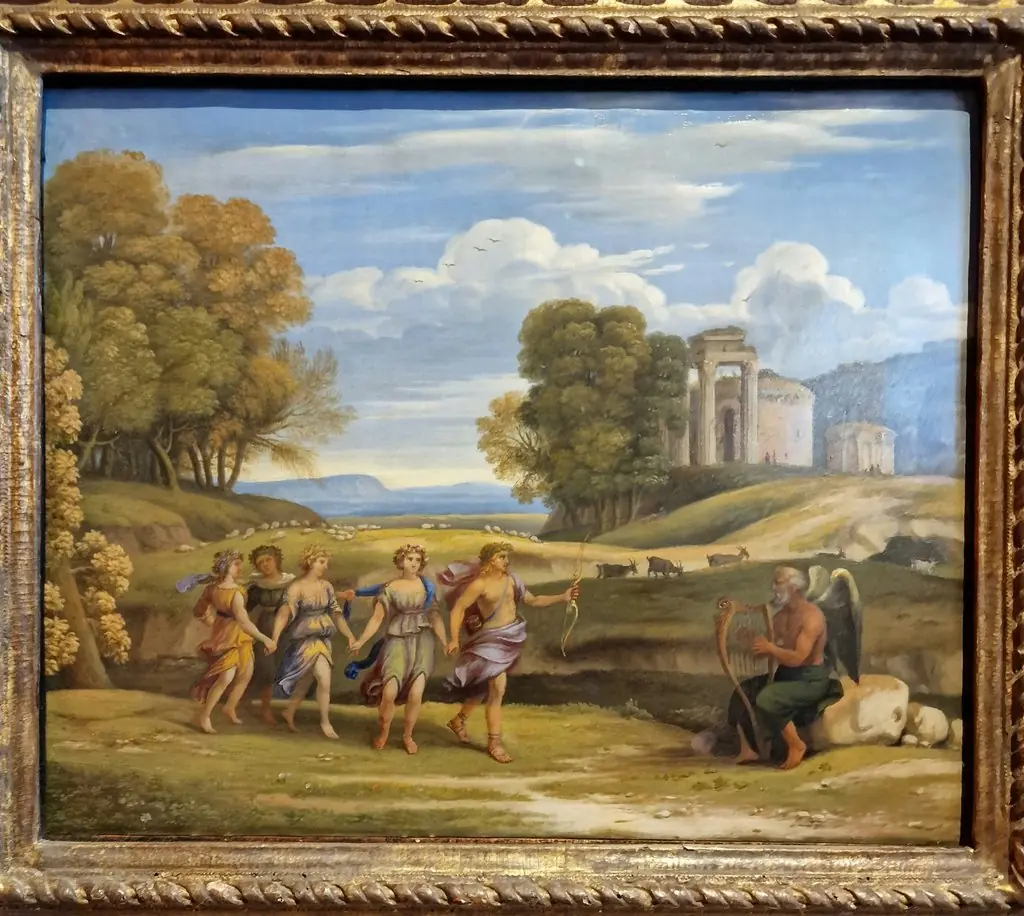 La Danse des Saisons
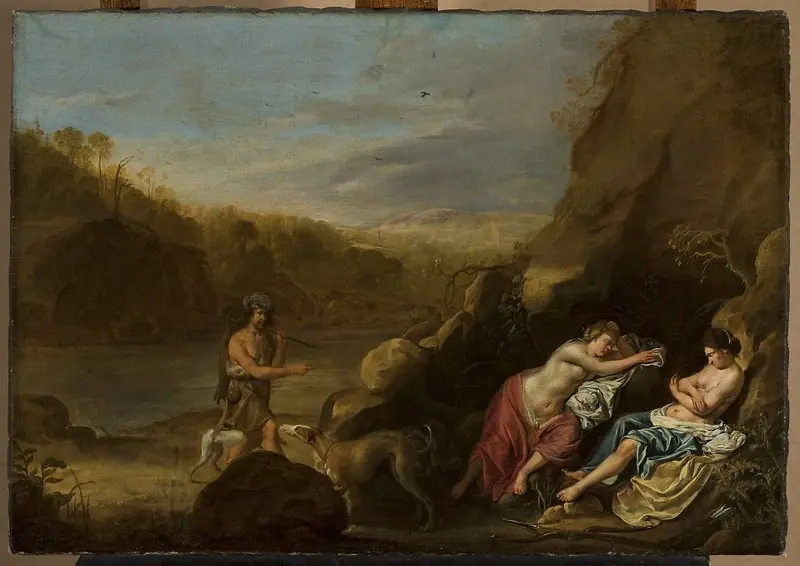 Diana’s grotto
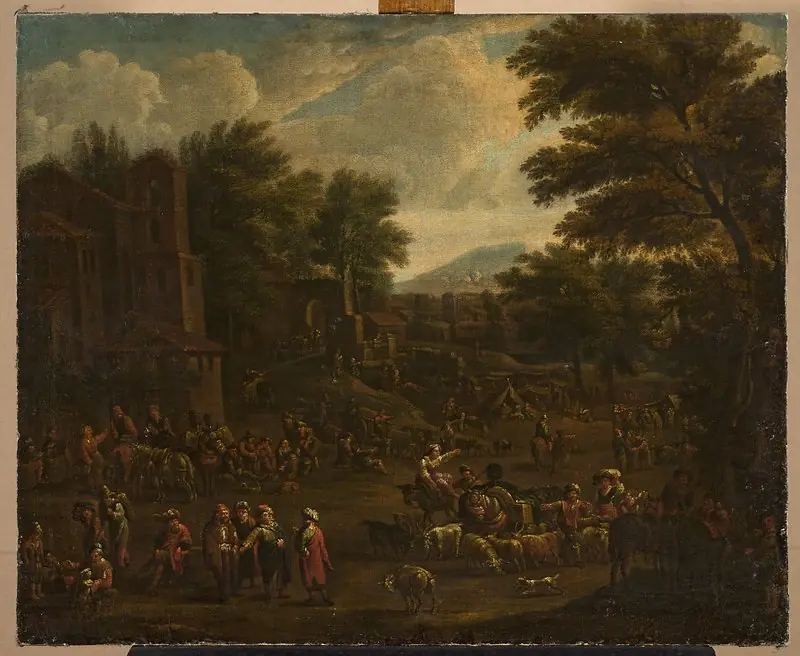 Marketplace
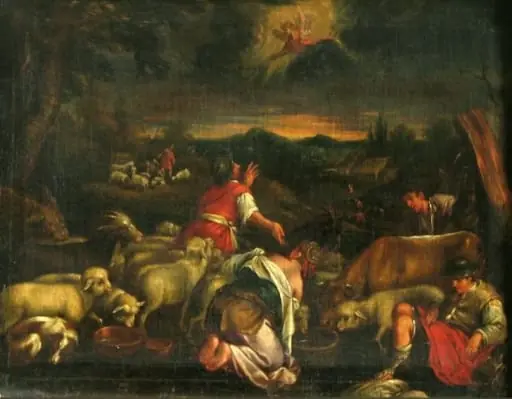 Vestirea nașterii lui Christos
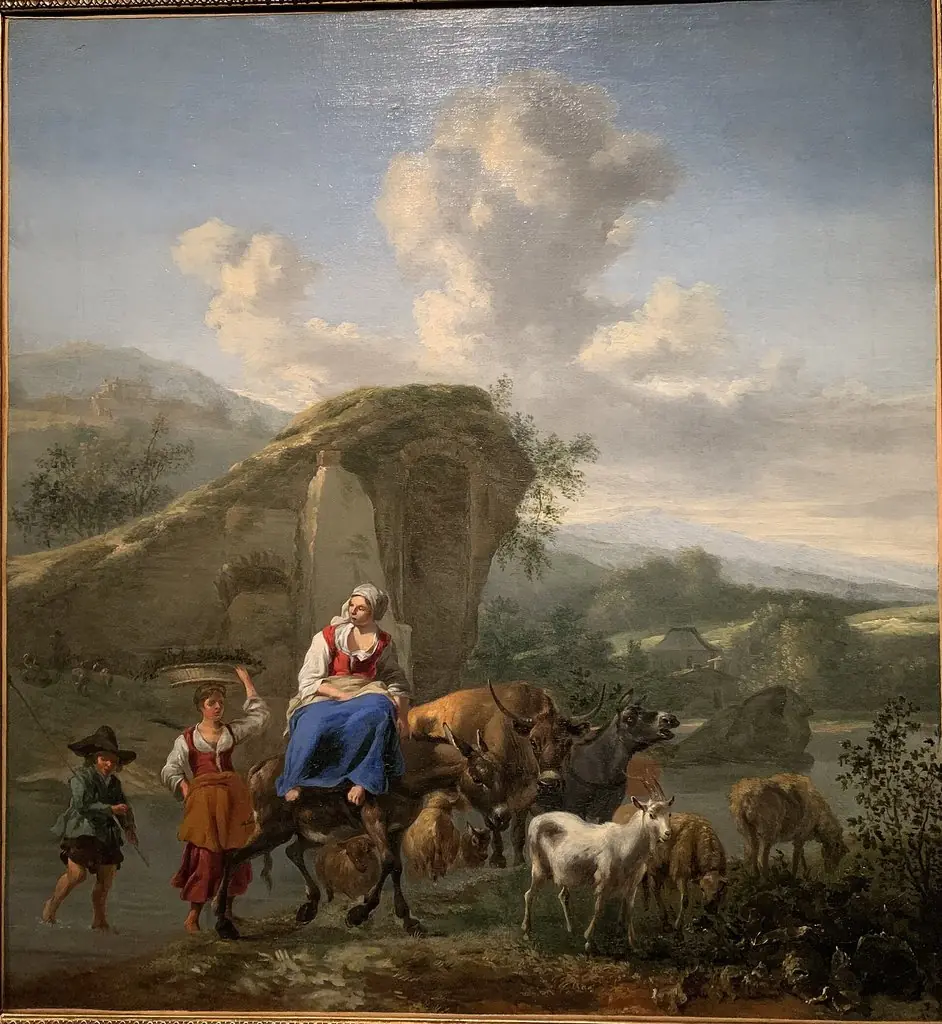 Shepherds at a Ford
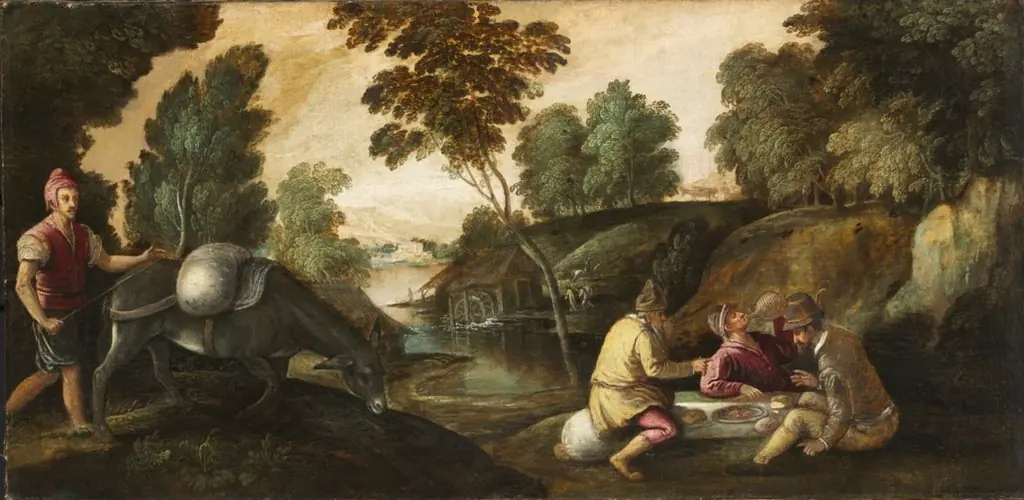 The Reconciliation of Jacob and Laban
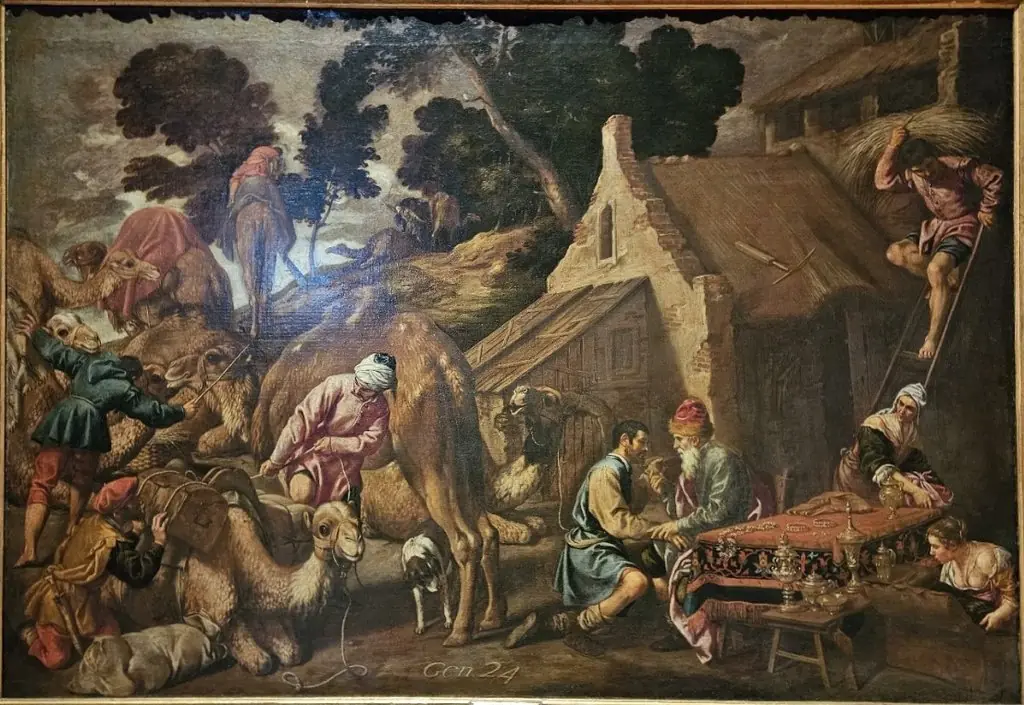 Abraão envia Eliezer a Procurar Esposa para Isaac