Artwork
Clytia
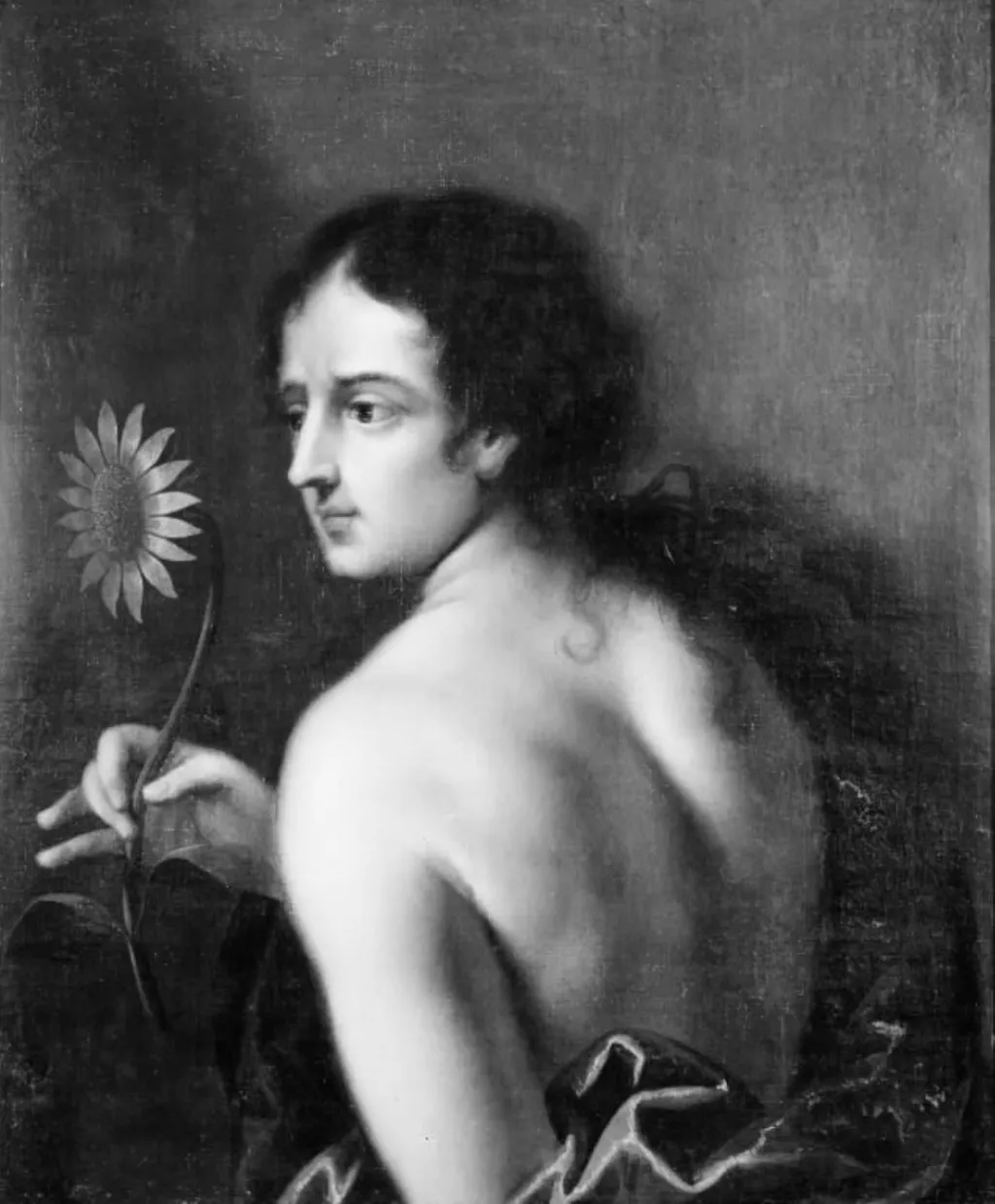
Clytia is a photography by Unknown. It dates from 1750 and is held in the collection of the Statens Museum for Kunst.
About this work
Overview
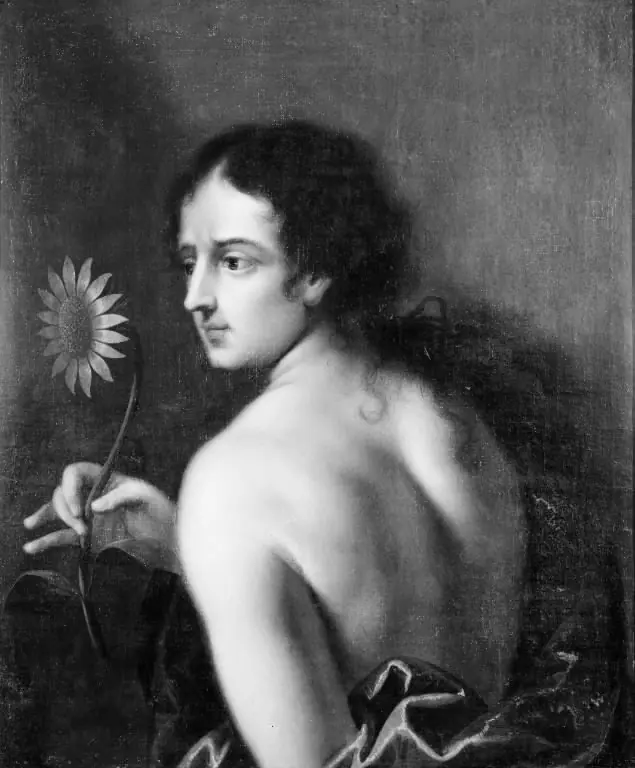
Clytia is an oil painting dated around 1750, attributed to an artist identified as 910_person. It resides in the collection of the Museum of Ethnography. The composition centers on a nude female figure, rendered with subtle modeling and restrained palette, evoking introspection through posture and lighting rather than narrative detail.
Subject & Meaning
The figure, identified as Clytia, faces left with her back to the viewer, her gaze fixed on a flower held in her right hand. Her turned posture suggests quiet motion, while the absence of context or symbolic props invites interpretation as a meditation on solitude or transient beauty. The flower may imply impermanence, though no mythological or textual source confirms a direct allusion.
Technique & Style
The muted tones and focused illumination direct attention to the face and the flower, reinforcing the painting’s contemplative tone.
The artist employs chiaroscuro to define the figure’s form against a dark, uniform background, enhancing the three-dimensionality of the skin and the delicate curve of the arm. Brushwork is smooth, with soft transitions between light and shadow, emphasizing texture over detail. The muted tones and focused illumination direct attention to the face and the flower, reinforcing the painting’s contemplative tone.
History & Provenance
The painting entered the Museum of Ethnography’s collection in the late 19th century, though its earlier ownership remains undocumented. No exhibition records or contemporary accounts from the 1750s survive, leaving its original commission and intended audience unknown. Its classification within an ethnographic institution suggests later scholarly interest in its representation of the human form.
Context
Created during the mid-18th century, the work aligns with European traditions of idealized nudes but diverges by omitting mythological or allegorical context. Unlike contemporaneous academic paintings, it lacks ornate settings or narrative cues, reflecting a quieter, more intimate approach to the figure that may reflect private patronage or experimental studio practice.
Legacy
Clytia has not been widely reproduced or studied in mainstream art history, remaining a lesser-known work within its institution. Its quiet composition and unresolved symbolism have prompted occasional scholarly attention, particularly in discussions of understated female representation in 18th-century painting, though it has not influenced broader artistic movements.
Artist & collection

 Domestic Scene
 Giacomo and Cardinal Marco, investing Andrea, Abbot of San Zeno, with his Benefice
 The Nymph of Fontainebleau
 Portrait of a Woman
 Madonna and Child with Saints in the Enclosed Garden
 Venus and Minerva
 Family Group of Four on Sofa
 Wall painting from Room H of the Villa of P. Fannius Synistor at Boscoreale
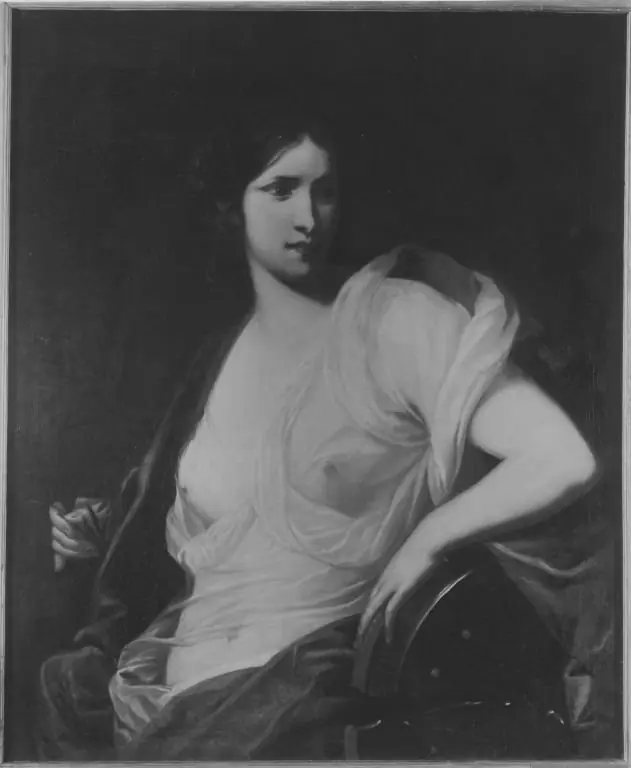 Der Friede
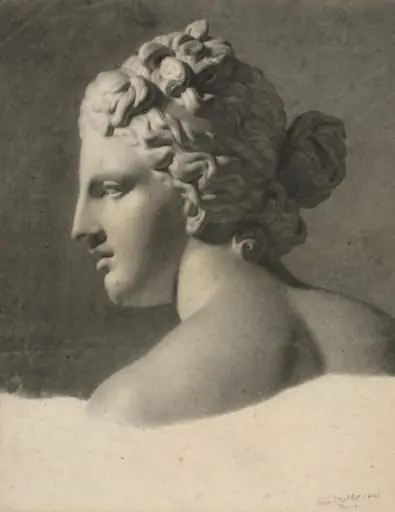 Study of a Plaster Cast (a la bosse)
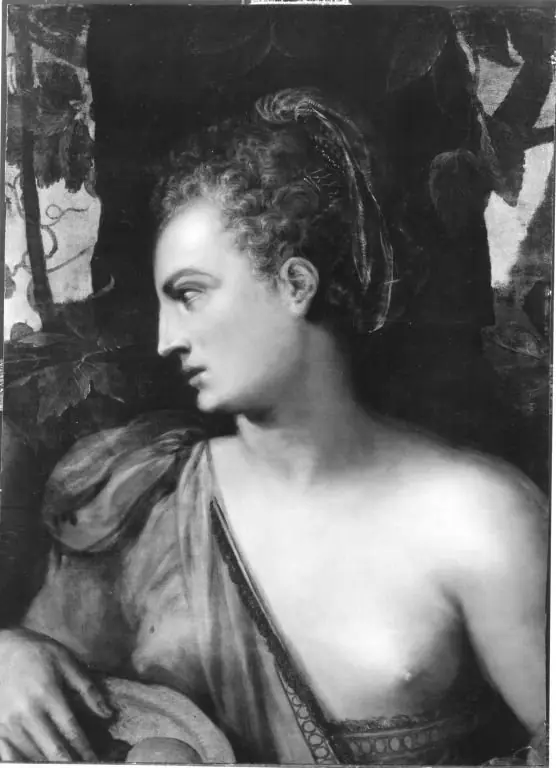 Weibliche Halbfigur (Kopie nach)
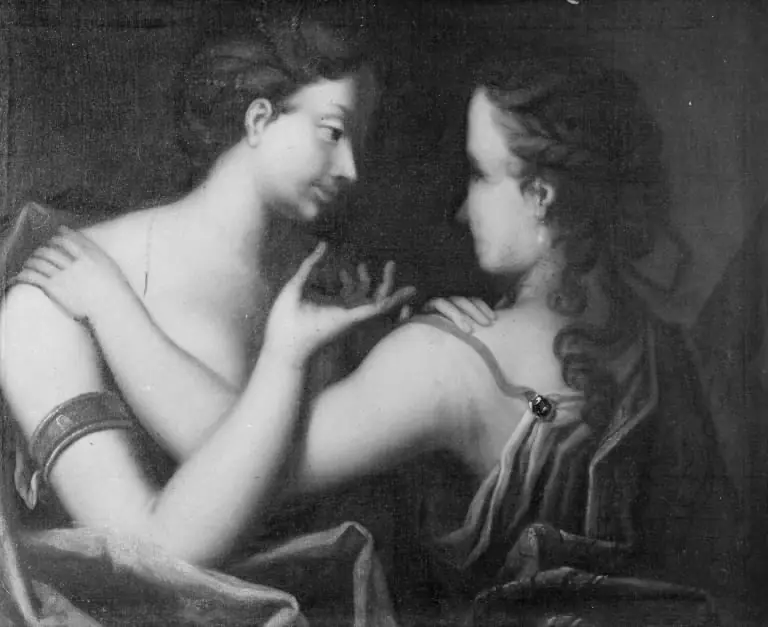 Tvende fruentimmere, halve figurer, conversere
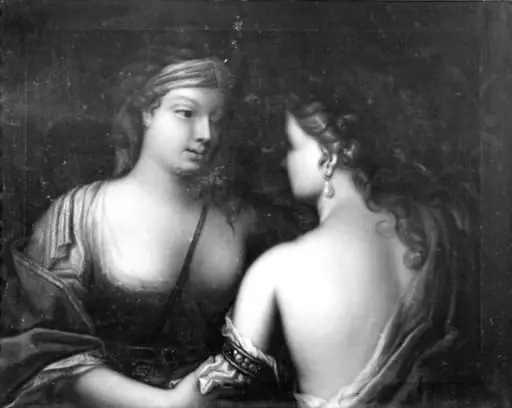 Tvende fruentimmer i halv figur
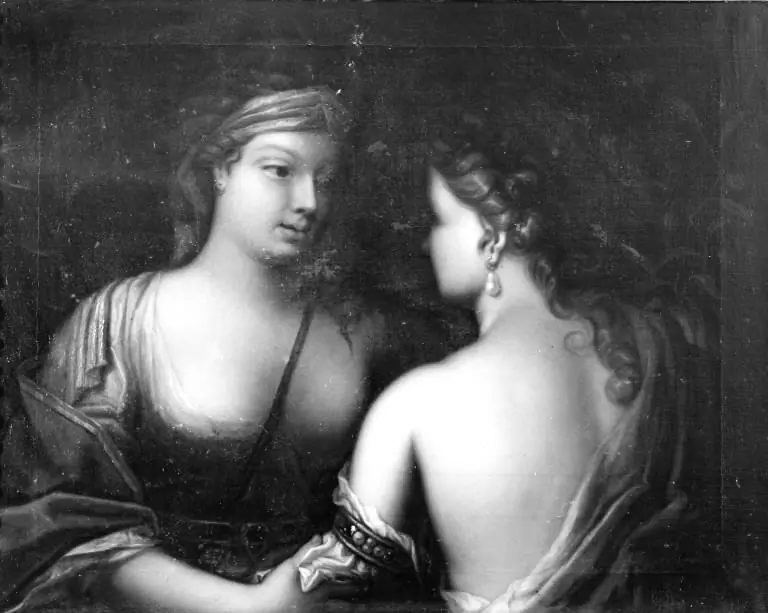 Tvende fruentimmer i halv figur
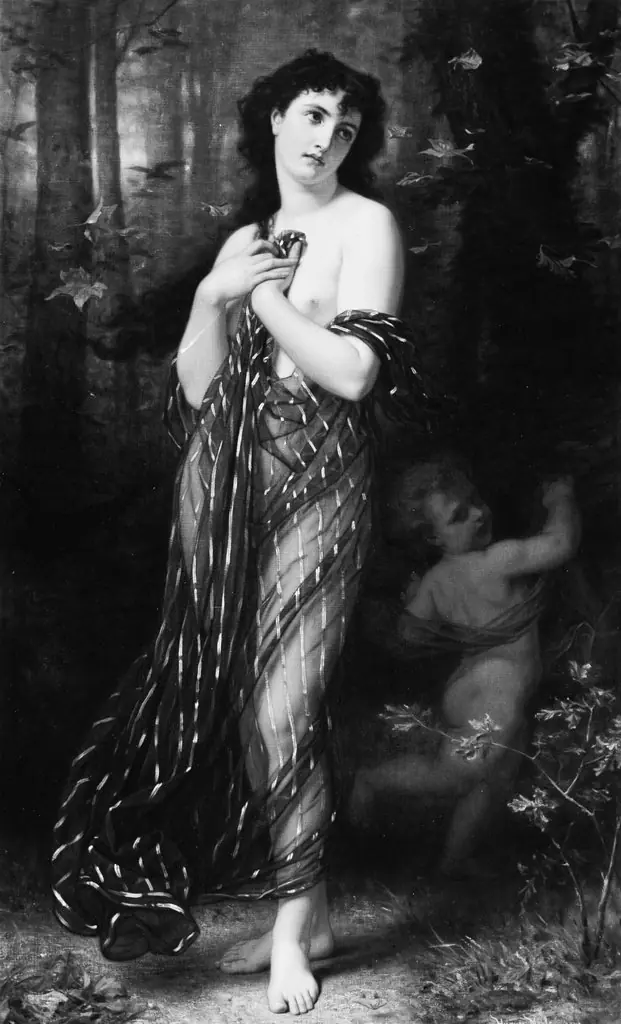 Falling Leaves, Allegory of Autumn
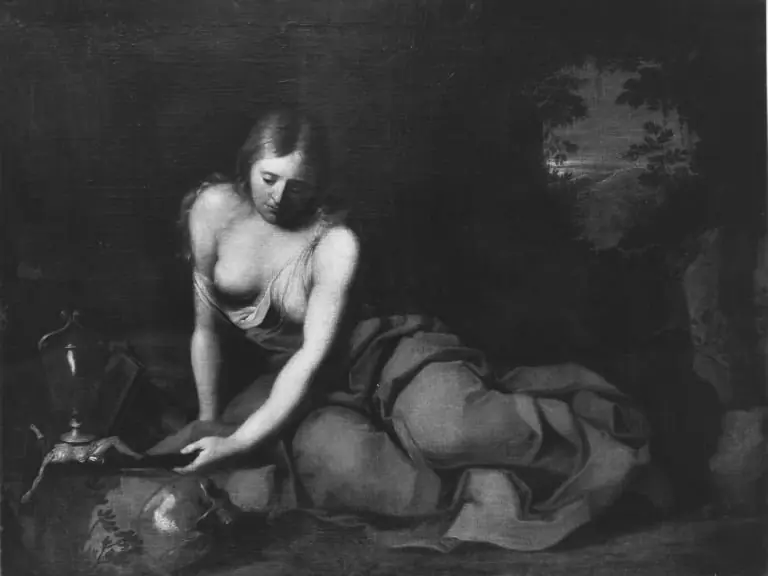 Büßende Magdalena
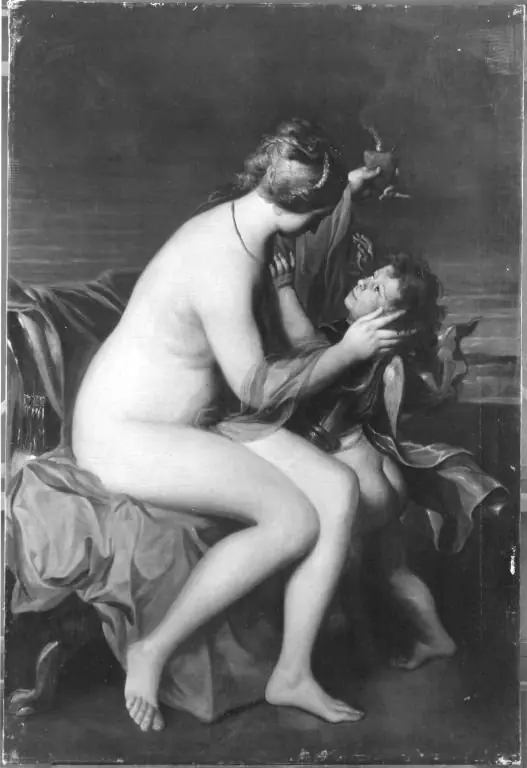 Venus und Amor (Allegorie der Liebe)
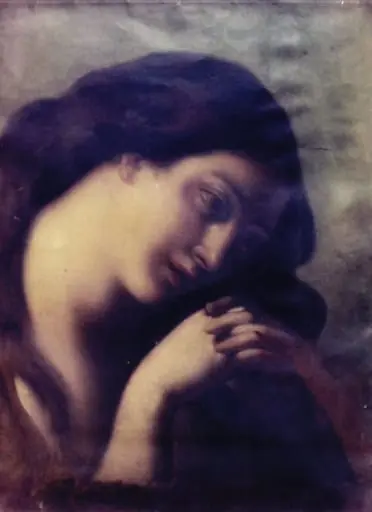 Magdalena
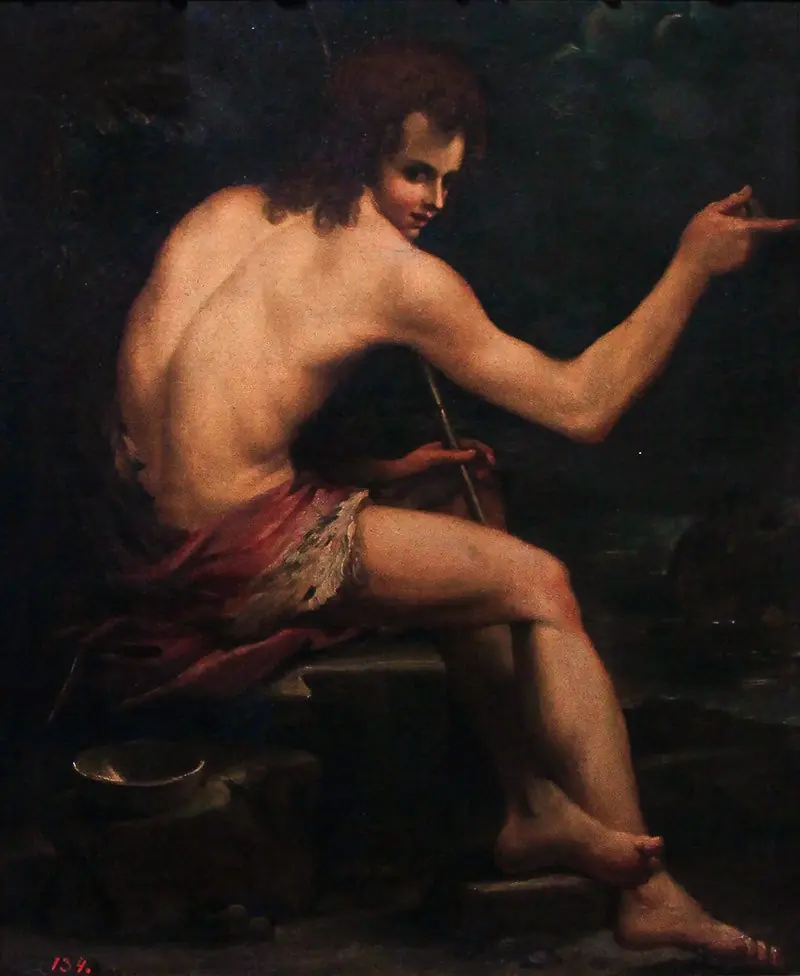 John the Baptist
 Clytia