Artwork
Clytia
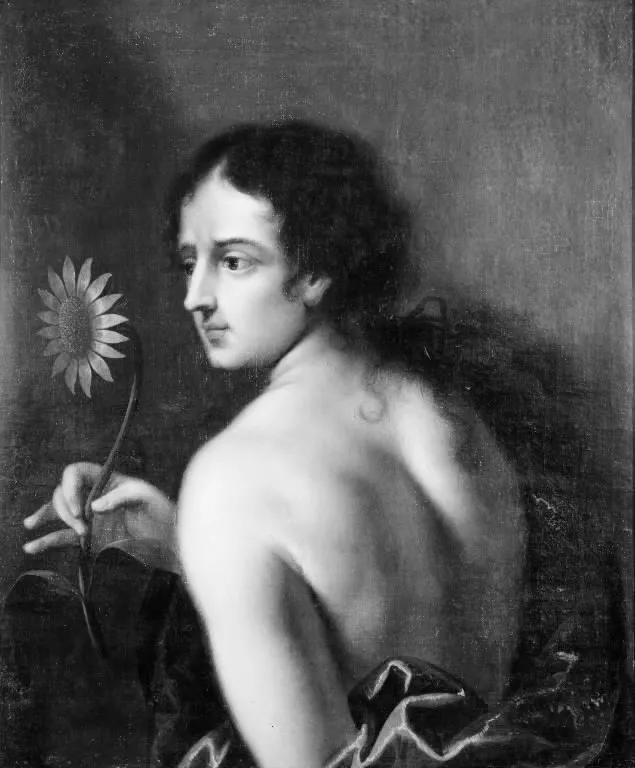
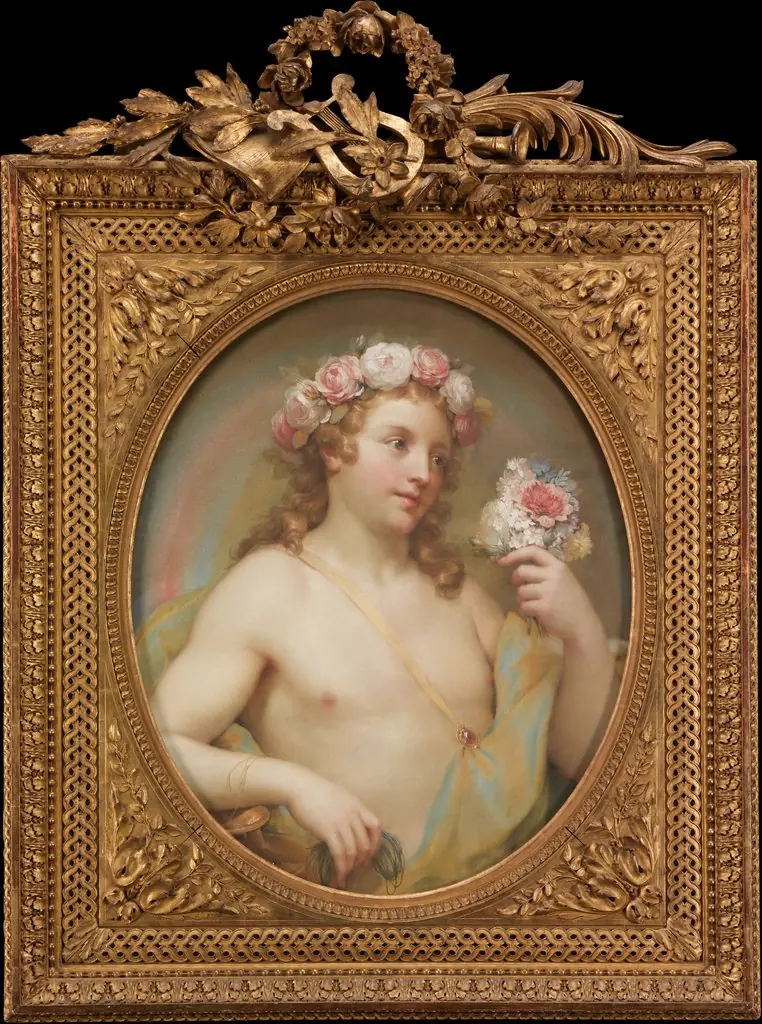
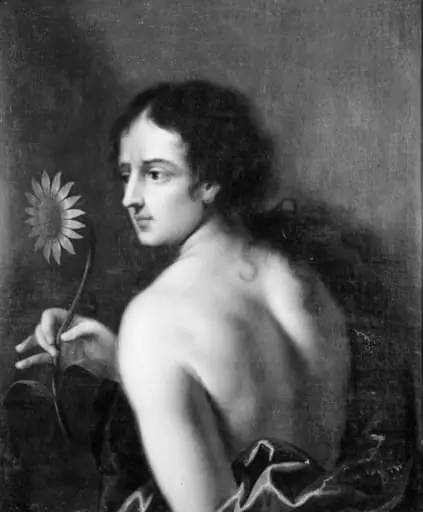
Clytia is an oil painting by the Rococo painting artist Anton Raphael Mengs. It dates from 1761 and is held in the collection of the Statens Museum for Kunst.
About this work
Overview
The work is part of the collection at Statens Museum for Kunst in Copenhagen, where it remains a quiet example of 18th-century neoclassical portraiture.
Clytia is an oil painting completed by Anton Raphael Mengs in 1761. It portrays a solitary female figure in a dimly lit setting, rendered with careful attention to form and texture. The work is part of the collection at Statens Museum for Kunst in Copenhagen, where it remains a quiet example of 18th-century neoclassical portraiture. Its restrained composition and subdued palette reflect Mengs’s interest in classical ideals and emotional restraint.
Subject & Meaning
The figure is traditionally identified as Clytia, a figure from Greek myth associated with the sun and transformation. Depicted with her back turned and gaze directed over her shoulder, she embodies introspection rather than narrative action. The flower she holds may allude to fleeting beauty or seasonal change, reinforcing themes of transience. The absence of overt symbolism invites contemplation rather than storytelling.
Technique & Style
Mengs employed chiaroscuro to model the figure with subtle gradations of light and shadow, enhancing the three-dimensionality of the form. The dark, uniform background isolates the subject, focusing attention on the texture of her garment and the delicacy of her posture. Brushwork is precise yet unobtrusive, favoring smooth transitions over visible strokes, consistent with the artist’s neoclassical leanings and rejection of Baroque flamboyance.
History & Provenance
Painted in 1761, the work likely originated during Mengs’s time in Rome, where he was immersed in classical antiquity and advising collectors on antiquities. It entered the Danish national collection in the 19th century, possibly through diplomatic or academic channels. Its presence in Statens Museum for Kunst underscores its recognition as a significant, if understated, example of European academic painting from the period.
Context
Created during the height of neoclassicism, Clytia reflects a broader cultural turn toward rationality, mythological reference, and emotional restraint in art. Mengs, a key figure in this movement, sought to revive the clarity and harmony of ancient art, distancing himself from Rococo excess. The painting’s minimalism and mythological allusion align with contemporary scholarly interests in classical literature and moralized aesthetics.
Legacy
Though not widely exhibited, Clytia exemplifies Mengs’s influence on the development of academic portraiture in the late 18th century. Its quiet intensity and technical discipline contributed to the aesthetic values promoted in European art academies. The work remains a reference point for understanding how mythological themes were adapted into intimate, psychologically nuanced compositions during the neoclassical era.
Artist & collection



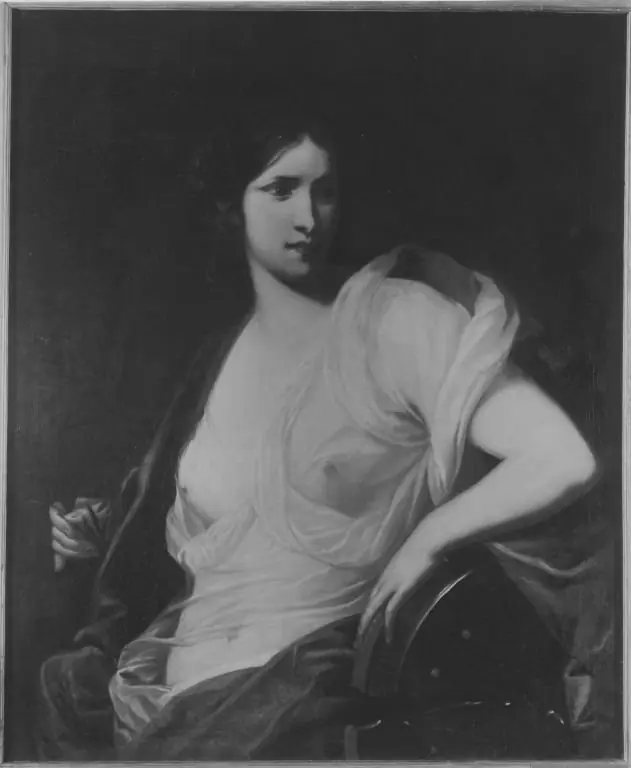 Der Friede
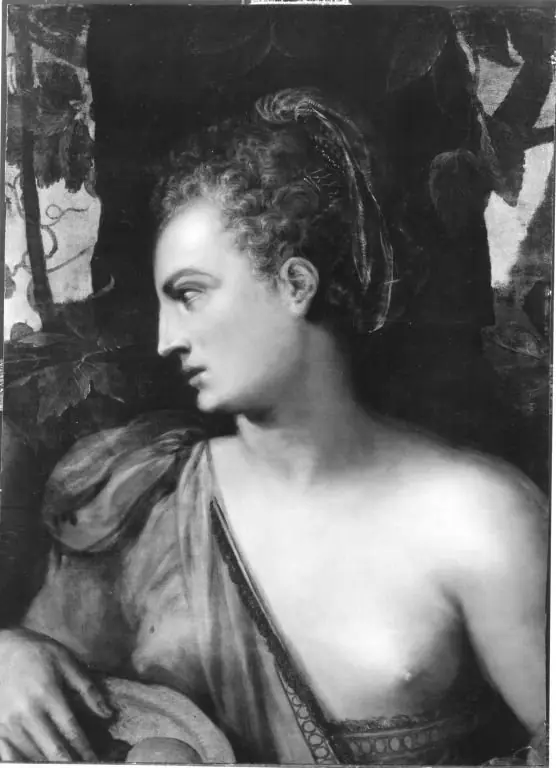 Weibliche Halbfigur (Kopie nach)
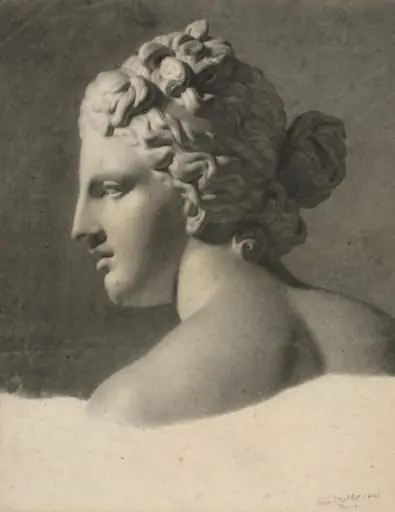 Study of a Plaster Cast (a la bosse)
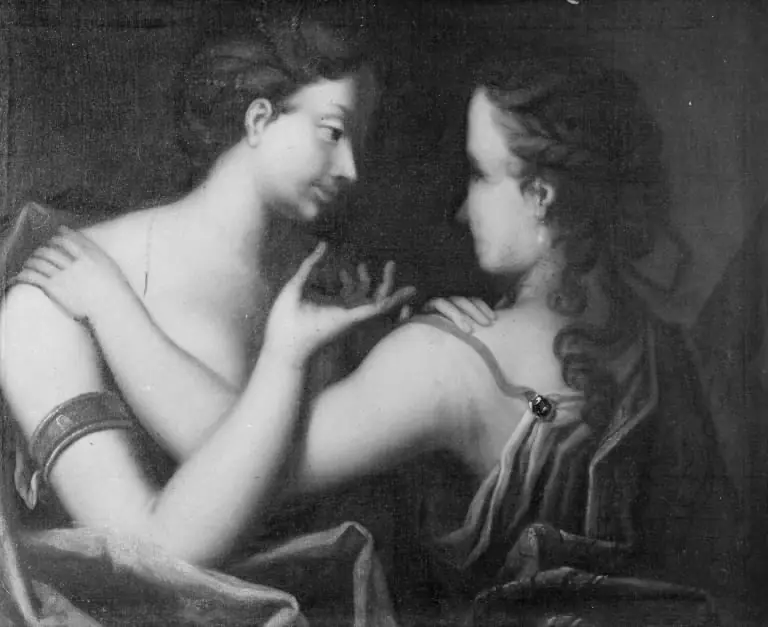 Tvende fruentimmere, halve figurer, conversere
 The rosebud
 Tvende fruentimmer, hvoraf den forreste holder en bog i sin hånd
 Tvende fruentimmer i halv figur
 Paris mit dem Apfel
 Tvende fruentimmer i halv figur
 Venus und Amor (Allegorie der Liebe)
 John the Baptist
 Clytia