Artwork
Monks Outside Temple, Ceylon
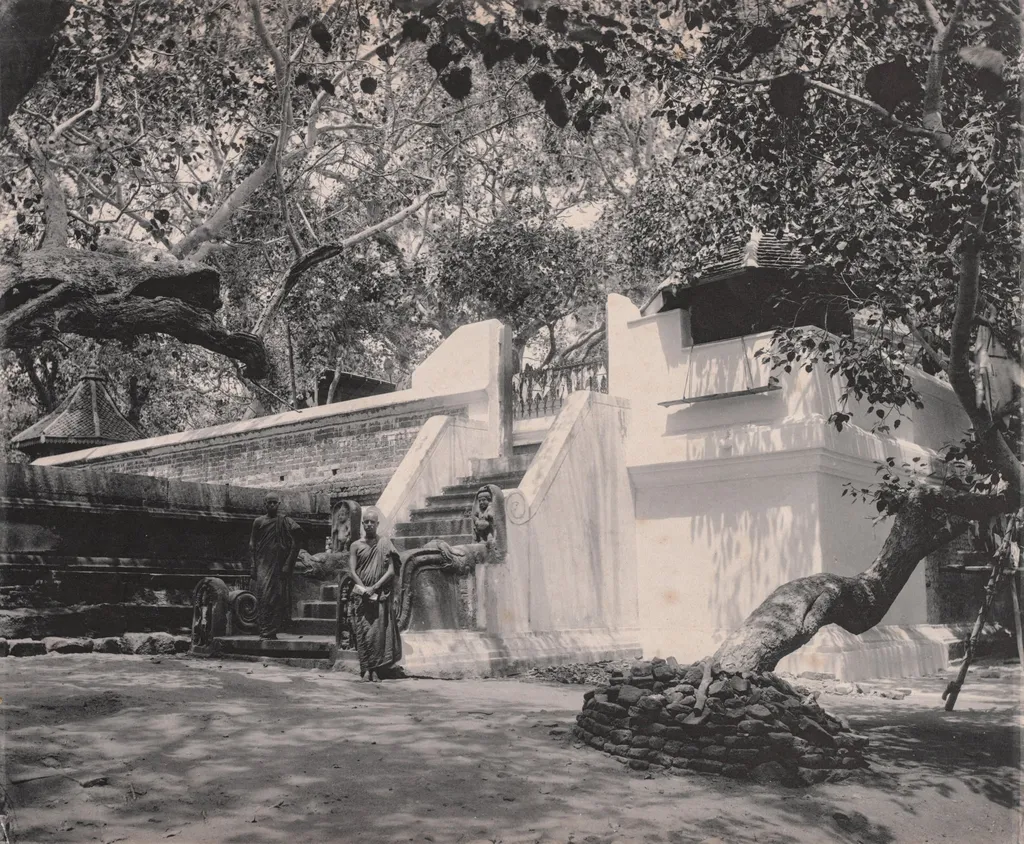
Monks Outside Temple, Ceylon is a photography by the Impressionist artist A. W. A. Plâté Studio. It dates from 1884 and is held in the collection of the Cleveland Museum of Art. This black-and-white photograph, produced around 1884 by the A.
About this work
Overview
Its faded grain and muted tones reflect the limitations of 19th-century photographic processes, lending the scene a quiet, archival quality.
This black-and-white photograph, produced around 1884 by the A. W. A. Plâté Studio, captures two Buddhist monks near a modest temple in Ceylon, now Sri Lanka. The image is part of a broader colonial-era documentation effort, preserved today at The Cleveland Museum of Art. Its faded grain and muted tones reflect the limitations of 19th-century photographic processes, lending the scene a quiet, archival quality.
Subject & Meaning
The two robed figures, positioned near a stone pillar and temple wall, suggest a moment of stillness between ritual and daily life. Their presence anchors the image in religious practice, while the unadorned architecture implies a functional, local place of worship. The composition avoids theatricality, emphasizing quiet observation rather than ceremonial display.
Technique & Style
Shot with a plate camera using gelatin silver processes, the photograph exhibits fine grain and low contrast, typical of late 19th-century travel photography. The lighting is even but diffuse, flattening textures while preserving architectural detail. The lack of sharp focus and slight fading reinforce its age, aligning with the aesthetic of early documentary imagery.
History & Provenance
Created during British colonial rule in Ceylon, the image likely served ethnographic or commercial purposes, distributed through studios catering to European audiences. The Plâté Studio, active in Colombo, produced numerous such views. The photograph entered The Cleveland Museum of Art’s collection as part of a larger acquisition of South Asian photographic materials.
Context
In the 1880s, Western photographers systematically recorded religious and architectural sites across South Asia, often framing them as exotic or timeless. This image reflects that trend, yet its restrained composition avoids overt exoticism. The temple’s simple form and surrounding landscape suggest a local, vernacular tradition rather than a monumental religious center.
Legacy
As a surviving example of colonial-era photographic documentation, the work contributes to the historical record of Sri Lankan Buddhist life. It offers insight into how foreign observers perceived religious practice, while also preserving the physical appearance of a temple and its surroundings at a time of rapid social change.
Artist & collection

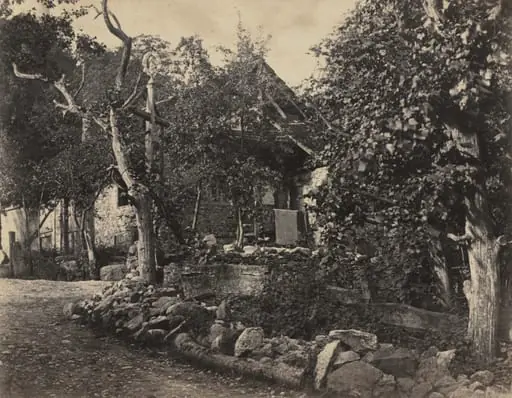 Rural Scene with Stone Building and Cross
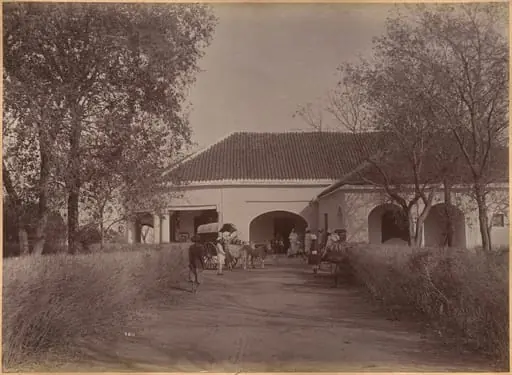 Mr. William's House, Jhansi (verso)
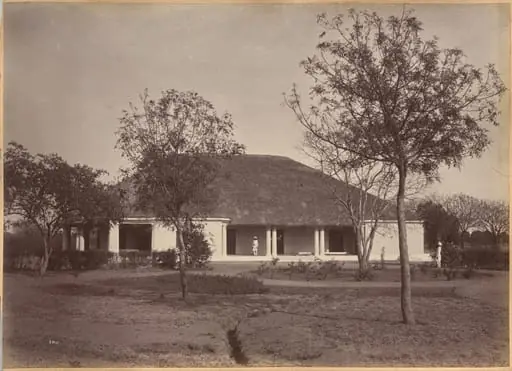 Commissioner's house, Jhansi (recto)
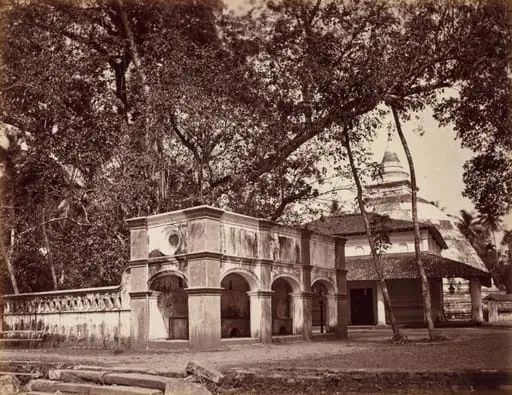 Buddhist Temple, Kalani
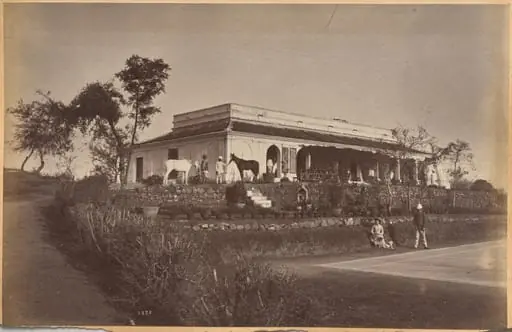 Untitled (verso, bottom)
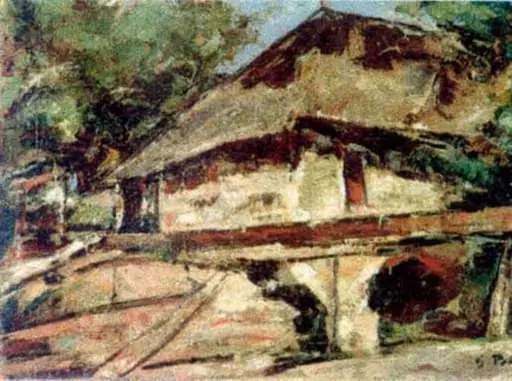 Moară
Moară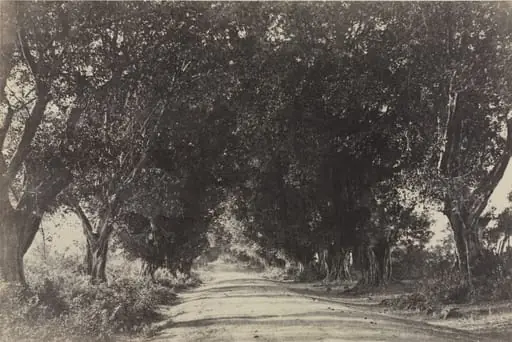 Avenue of the Banian Trees, Seringham, India
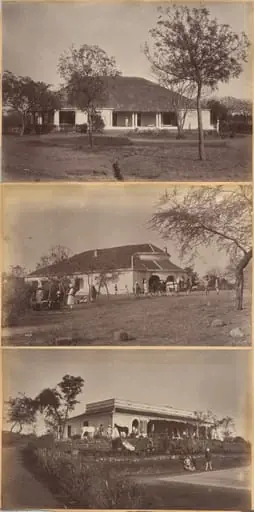 Commissioner's house, Jhansi (recto); Reverend Holcomb's Bungalow (verso, top); Untitled (verso, bottom)
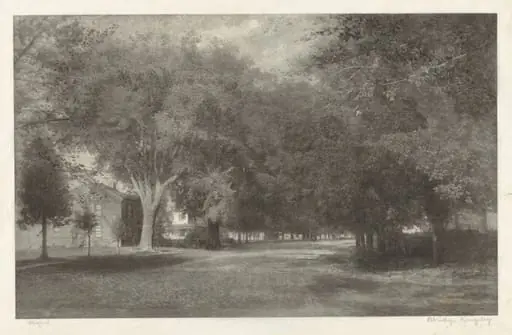 New England Elms
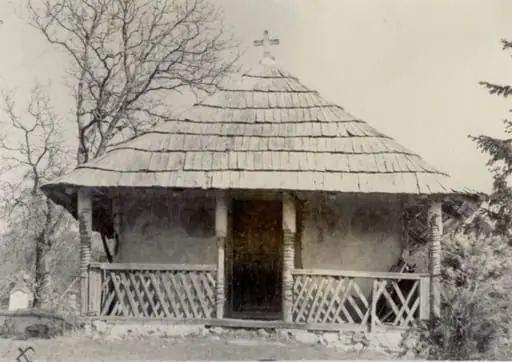 Biserica de lemn din Brebina (vedere din față), județul Mehedinți (1986)
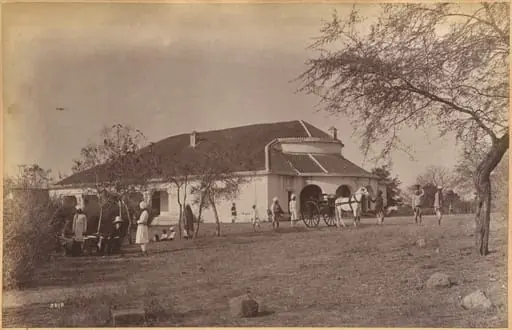 Reverend Holcomb's Bungalow (verso, top)
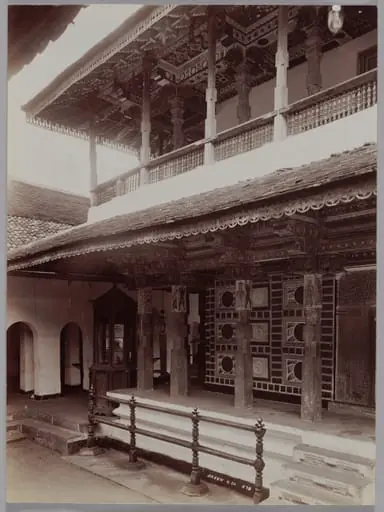 Buddhist Temple in Kandy, Ceylon