Artwork
Commissioner's house, Jhansi (recto); Reverend Holcomb's Bungalow (verso, top); Untitled (verso, bottom)
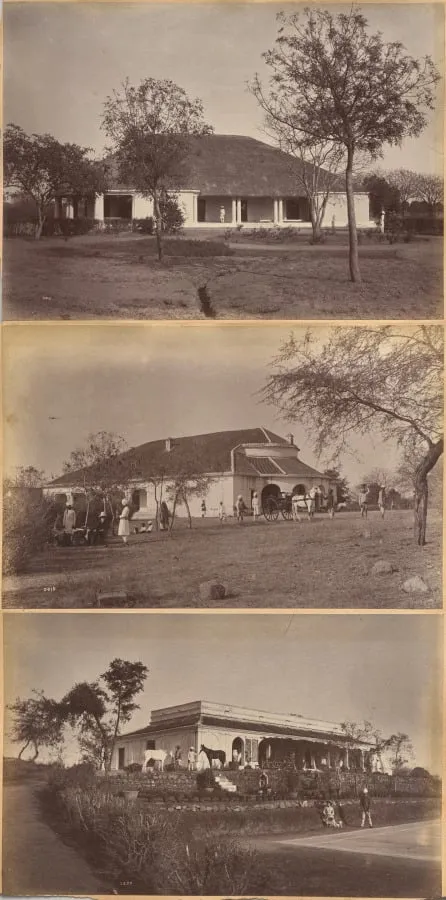
Commissioner's house, Jhansi (recto); Reverend Holcomb's Bungalow (verso, top); Untitled (verso, bottom) is a photography by the Impressionist artist Raja Deen Dayal. It dates from 1884 and is held in the collection of the Cleveland Museum of Art. Three black-and-white photographs are mounted on a single sheet, each capturing distinct architectural scenes from colonial India.
About this work
Overview
Three black-and-white photographs are mounted on a single sheet, each capturing distinct architectural scenes from colonial India.
Three black-and-white photographs are mounted on a single sheet, each capturing distinct architectural scenes from colonial India. Taken between 1885 and 1887, they were originally part of a larger album of approximately 105 images, now dispersed. The album was likely compiled as a personal memento by a British official stationed in India, documenting spaces associated with both colonial administration and local elite life.
Subject & Meaning
The images depict the Commissioner’s House in Jhansi, Reverend Holcomb’s Bungalow, and an unnamed road—structures tied to British administrative and religious presence. Alongside them, the inclusion of Indian royal and upper-class residences in the broader album suggests a visual record of coexisting social spheres. The absence of people underscores the camera’s technical limitations and the formal, distant tone of colonial documentation.
Technique & Style
The photographs are gelatin silver prints, rendered in sharp tonal contrast typical of late 19th-century dry plate technology. Compositions are static and carefully framed, emphasizing architectural symmetry and spatial order. The lack of movement or human presence reflects both the long exposure times required and the curated, observational intent of the photographer, who sought to document rather than engage.
History & Provenance
The album was assembled during a period of heightened British administrative activity in India, likely commissioned by a civil servant around 1888. The photographs were later separated, with 37 images entering the museum’s collection in 2016 (2016.266). The remaining images, including this sheet, were acquired separately, preserving fragments of a once-cohesive visual diary of colonial life.
Context
These images emerge from a time when photography in India was increasingly accessible to both British residents and Indian professionals. The photographer, among the first significant Indian practitioners, worked for British patrons, bridging cultural perspectives through his lens. The album’s content reflects the dual gaze of colonial observers: documenting their own world while recording the environments of the Indian elite they governed.
Legacy
The surviving fragments of this album offer a quiet archive of colonial spatial hierarchies and the material culture of empire. They reveal how photography served not only as record but as a tool of memory and identity for those stationed abroad. Today, they contribute to broader scholarly efforts to reconstruct the visual landscape of British India through the eyes of those who lived within it.
Artist & collection

Artist
Raja Lala Deen Dayal, famously known as Raja Deen Dayal) was an Indian photographer.

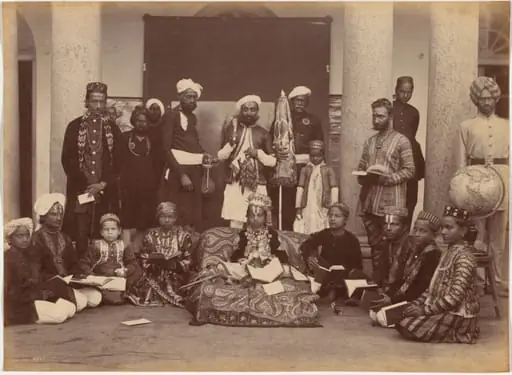 Maharaja of Rewa and Classmates
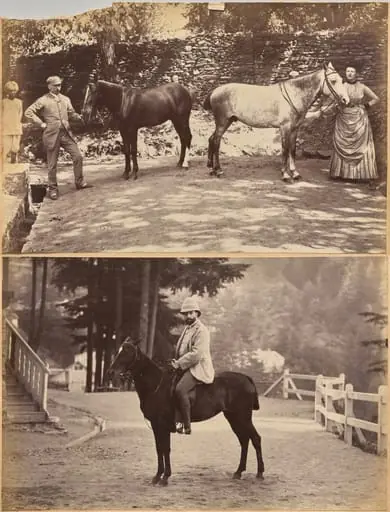 Col. F. G. Oldham (recto, top); Mr. Nowell, Shimla (recto, bottom)
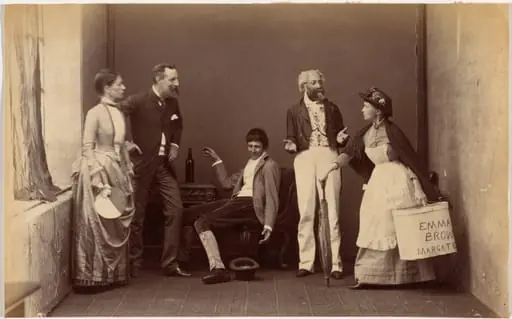 Fancy Group, Indore I
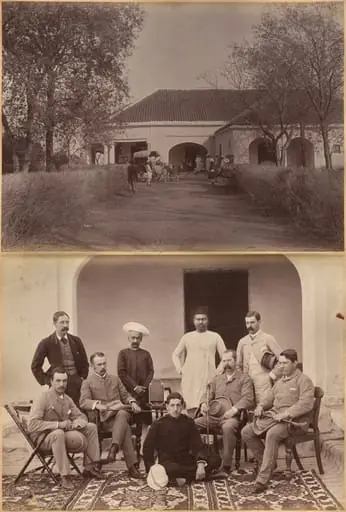 Civil officers at Jhansi (recto); Mr. William's House, Jhansi (verso)
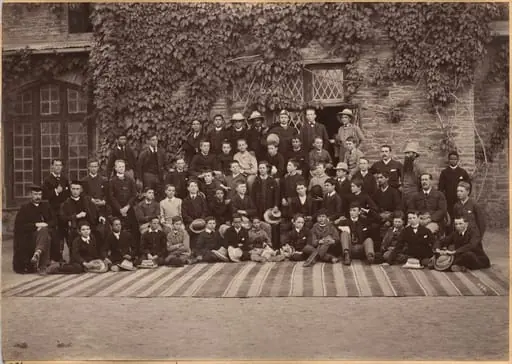 Middle Class Students and Staff, Bishop Cotton School, Shimla (verso)
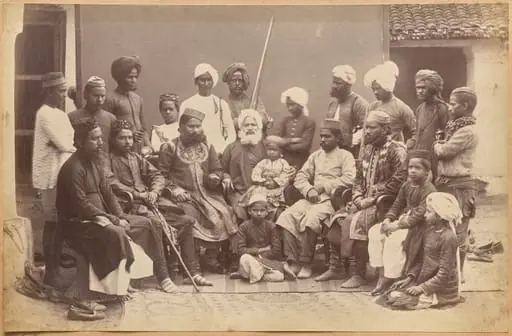 Mowhri Rahman Alli Khan family, Rewa (recto, bottom)
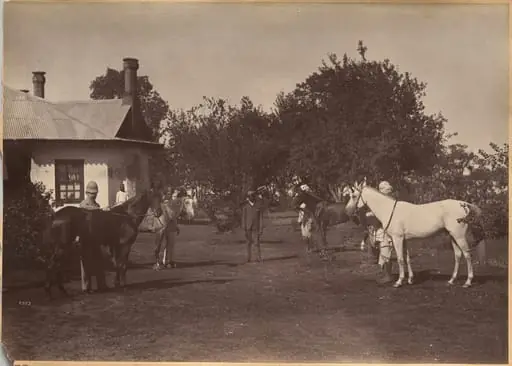 Lord William Beresford's horses
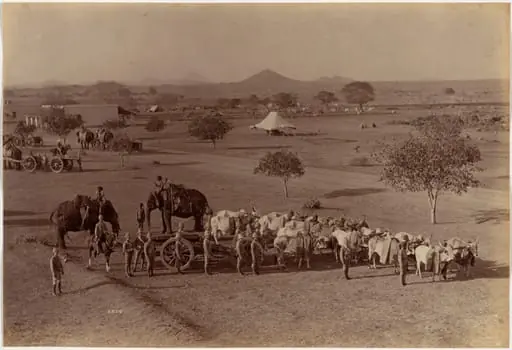 Heavy Field Battery, Jhansi
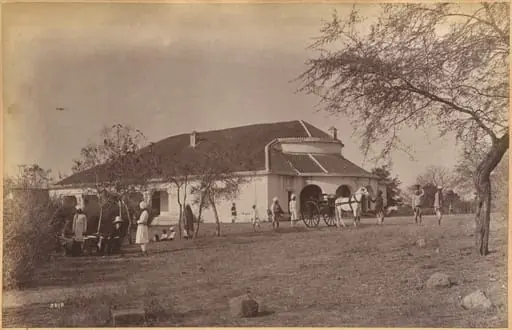 Reverend Holcomb's Bungalow (verso, top)
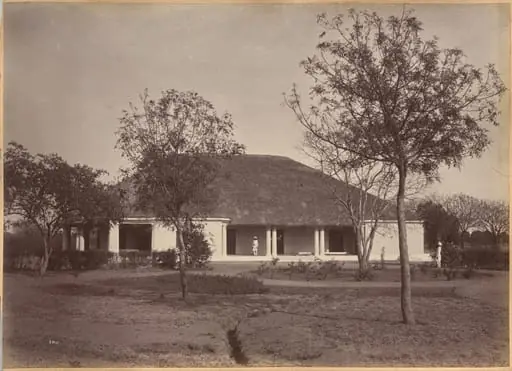 Commissioner's house, Jhansi (recto)
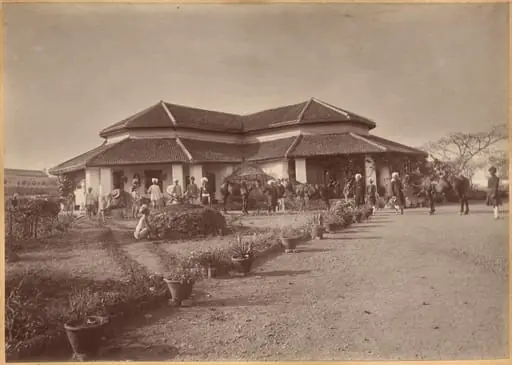 Major Creagh's home, Mhon (verso)
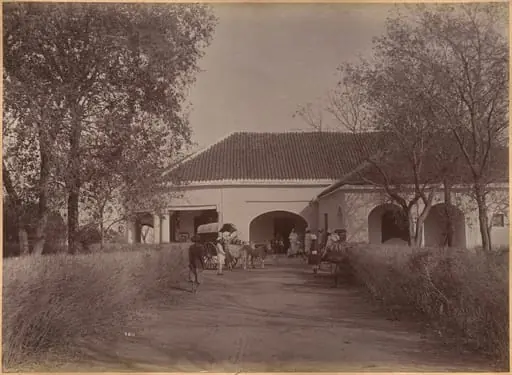 Mr. William's House, Jhansi (verso)
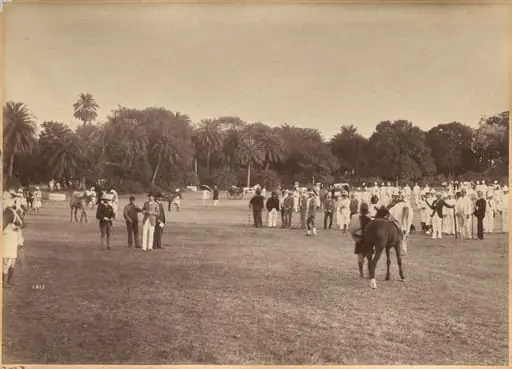 Judging at the Horseshow at Jhansi
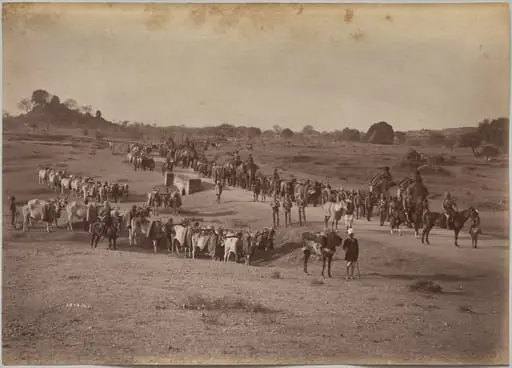 Elephant Battery on March at Jhansi
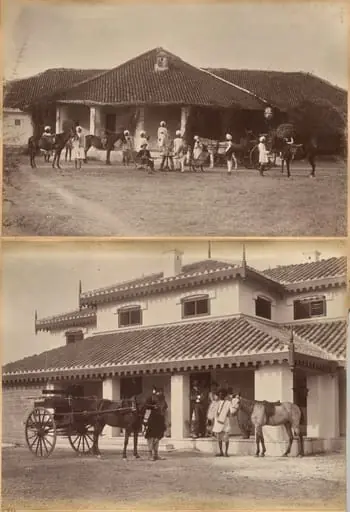 Dr. Morris and party, Jhansi (recto); Mr. MacNull, Jhansi (verso)
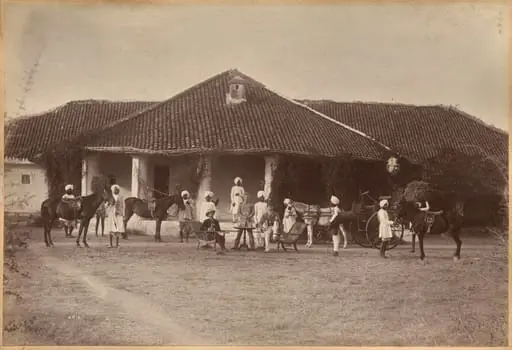 Dr. Morris and party, Jhansi (recto)
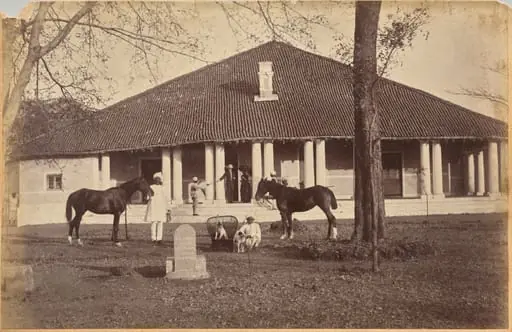 Captain Falkner's Bungalow, Neemuch (recto, top)