Artwork
Saftar Jung Tomb, Delhi
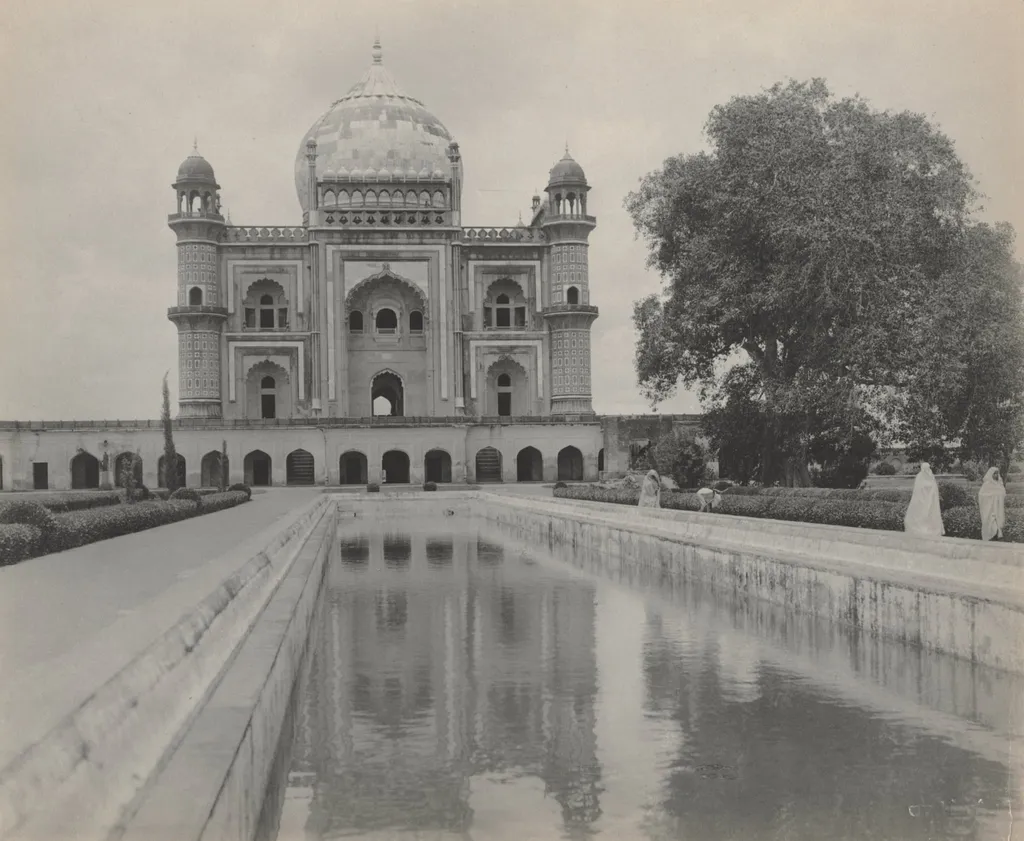
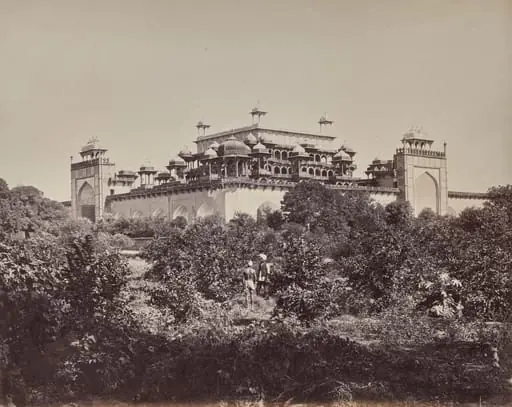
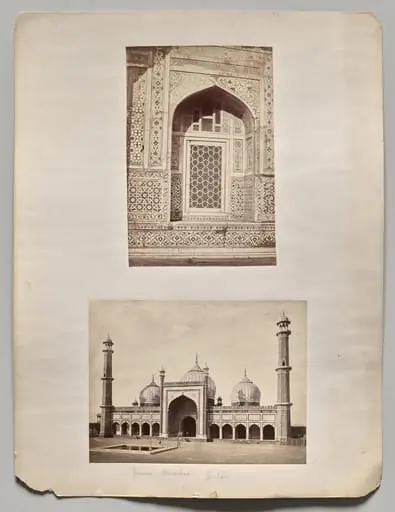
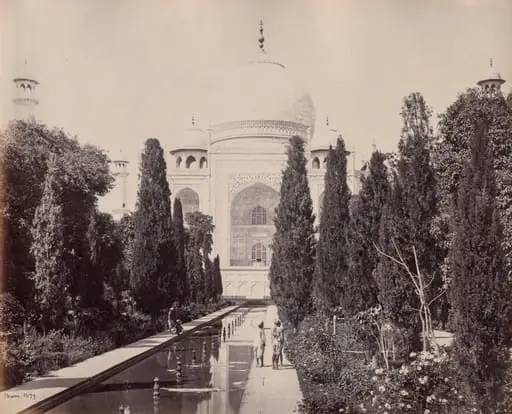
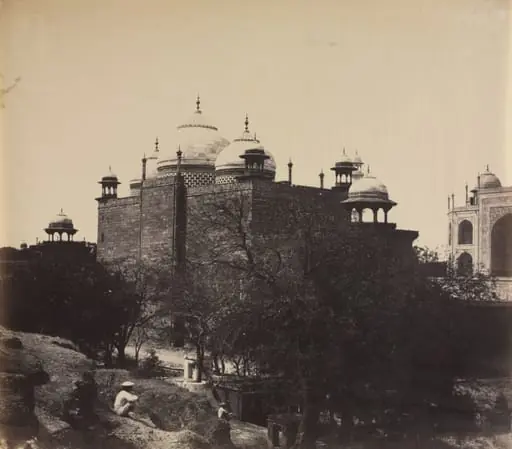
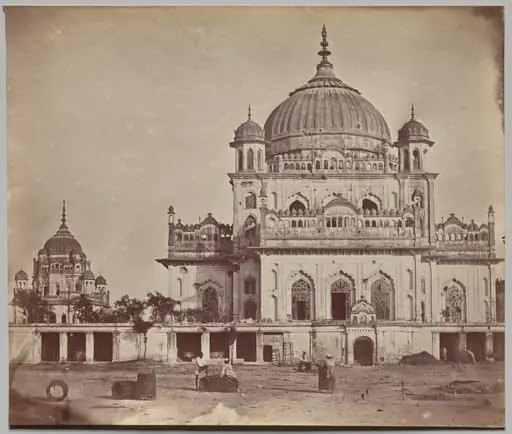
Saftar Jung Tomb, Delhi is a photography by the Impressionist artist A. W. A. Plâté Studio. It dates from 1894 and is held in the collection of the Cleveland Museum of Art. This photograph, produced around 1894 by the A.
About this work
Overview
It is part of a broader photographic record of South Asian architecture from the late 19th century.
This photograph, produced around 1894 by the A. W. A. Plâté Studio, captures the Saftar Jung Tomb in Delhi. It is part of a broader photographic record of South Asian architecture from the late 19th century. The image is held in the collection of The Cleveland Museum of Art, where it serves as a documentary record of a Mughal-era funerary structure and its surrounding landscape during British colonial rule.
Subject & Meaning
The structure depicted is a tomb, likely built for a nobleman of the Mughal period, characterized by its central dome and flanking minarets. The presence of a reflective pool and figures in traditional attire suggests the site was both a place of commemoration and a quiet, contemplative space. The composition emphasizes architectural grandeur amid everyday human activity, hinting at the tomb’s continued cultural relevance in the late 1800s.
Technique & Style
The photograph employs a balanced, symmetrical composition, highlighting the tomb’s architectural symmetry. The reflective pool draws the viewer’s eye toward the building, while the inclusion of human figures provides scale and context. The tonal range and fine detail in the stonework reflect the technical precision of late 19th-century photographic processes, likely a gelatin silver print made with a large-format camera.
History & Provenance
The photograph was taken during a period when British photographers systematically documented India’s historic monuments. The A. W. A. Plâté Studio, active in Delhi during the 1890s, produced such images for both scholarly and commercial audiences. The work entered The Cleveland Museum of Art’s collection as part of its broader acquisition of historical South Asian photography in the 20th century.
Context
In the late 19th century, colonial administrators and photographers often recorded Mughal architecture as relics of a bygone era. This image reflects a growing interest in preserving visual records of India’s past, even as the structures themselves remained in active use. The presence of local figures in traditional dress underscores the continuity of cultural practices despite political change.
Legacy
This photograph contributes to the historical archive of Indian architecture, offering insight into how Mughal monuments were perceived and preserved during the colonial period. It remains a valuable reference for scholars studying the intersection of photography, heritage, and imperial documentation, illustrating how visual records shaped Western understanding of South Asian history.
Artist & collection