Artwork
Reverend Holcomb's Bungalow (verso, top)
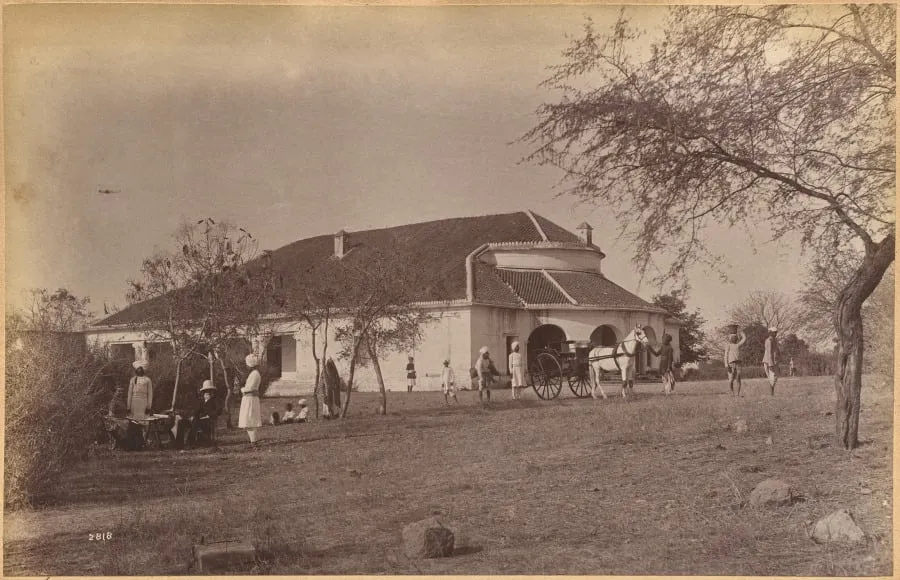
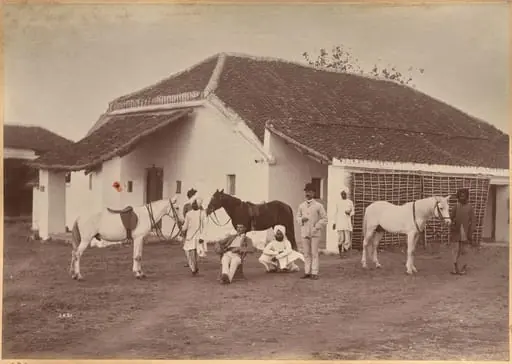
Reverend Holcomb's Bungalow (verso, top) is a photography by the Impressionist artist Raja Deen Dayal. It dates from 1884 and is held in the collection of the Cleveland Museum of Art.
About this work
Overview
It offers a glimpse into the domestic environments of British officials and their interactions with the Indian landscape and architecture.
This photograph depicts a modest bungalow belonging to Reverend Holcomb, captured as part of a larger album documenting British colonial life in late 19th-century India. The image, characterized by its softened focus and sepia tones, reflects the aesthetic conventions of photography from the 1880s. It offers a glimpse into the domestic environments of British officials and their interactions with the Indian landscape and architecture.
Subject & Meaning
The bungalow, framed by trees and a low fence, embodies the fusion of British and Indian architectural influences typical of colonial residences. While the structure itself appears unassuming, its inclusion in the album suggests a deliberate effort to document the lived experience of British expatriates. The photograph serves as a record of personal and collective identity, reinforcing the social hierarchy of the colonial era through its focus on elite domestic spaces.
Technique & Style
Executed in the late 19th century, the photograph employs the technical limitations and stylistic preferences of the period, including a warm, muted palette and slightly blurred edges. These qualities result from the photographic processes of the time, such as albumen printing, which relied on light-sensitive paper and long exposure times. The composition prioritizes clarity of subject while retaining an atmospheric quality.
History & Provenance
Originally part of an album containing approximately 105 photographs, this image was likely commissioned by a British civil servant stationed in India between 1885 and 1887. The album, now disassembled, functioned as a personal memento, capturing scenes of colonial and local elite life. Additional prints from the same collection are held by the museum, providing further context for the album’s origins and purpose.
Context
Created during the height of British colonial rule, the photograph reflects the broader cultural and political dynamics of late 19th-century India. Albums of this kind were common among expatriates, serving as both documentation and assertion of status. The images within such collections often juxtaposed British domestic life with Indian landscapes, reinforcing the colonial narrative of dominance while acknowledging local influences.
Legacy
Though intended as a private souvenir, the album’s disassembly and subsequent preservation in museum collections have transformed its significance. The photograph now contributes to historical understandings of colonial visual culture, offering insight into the everyday realities of British officials in India. Its inclusion in institutional holdings ensures its role in ongoing examinations of imperial history and photographic practice.
Artist & collection

Artist
Raja Lala Deen Dayal, famously known as Raja Deen Dayal) was an Indian photographer.

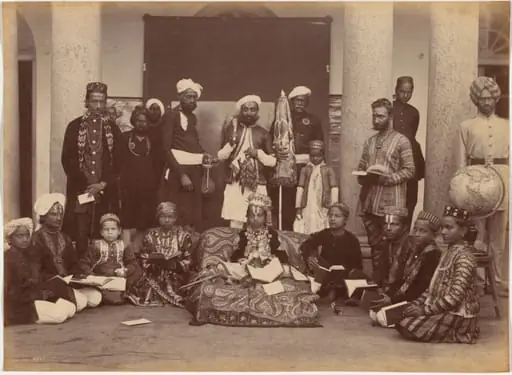 Maharaja of Rewa and Classmates
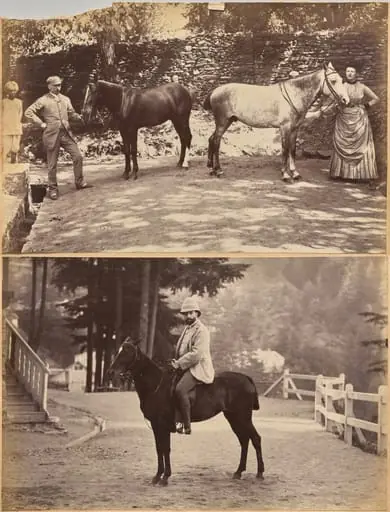 Col. F. G. Oldham (recto, top); Mr. Nowell, Shimla (recto, bottom)
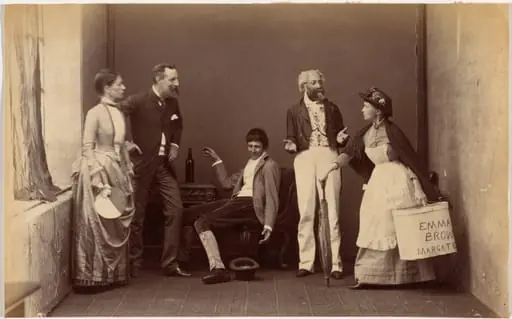 Fancy Group, Indore I
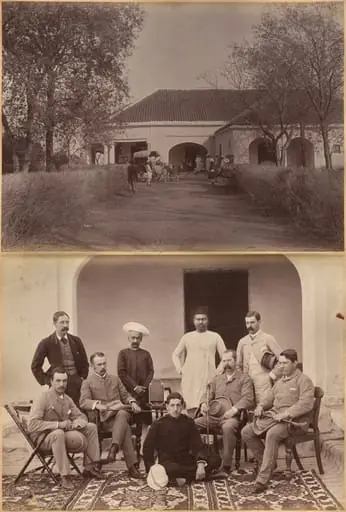 Civil officers at Jhansi (recto); Mr. William's House, Jhansi (verso)
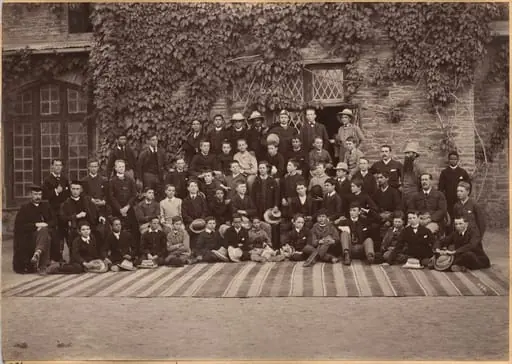 Middle Class Students and Staff, Bishop Cotton School, Shimla (verso)
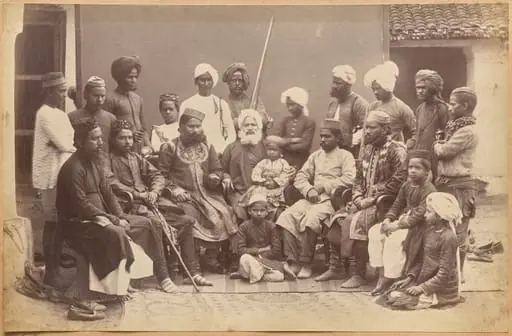 Mowhri Rahman Alli Khan family, Rewa (recto, bottom)
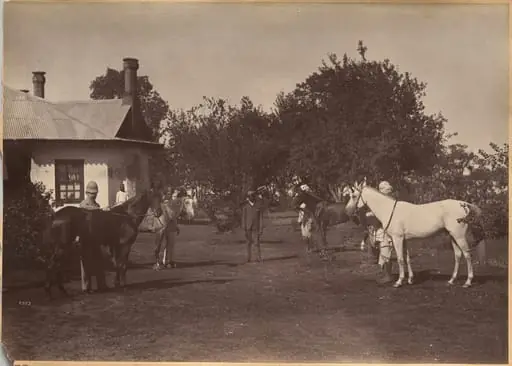 Lord William Beresford's horses
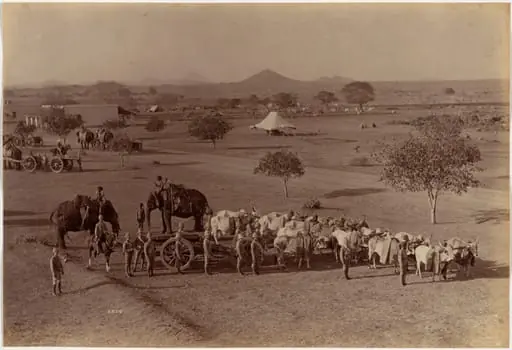 Heavy Field Battery, Jhansi
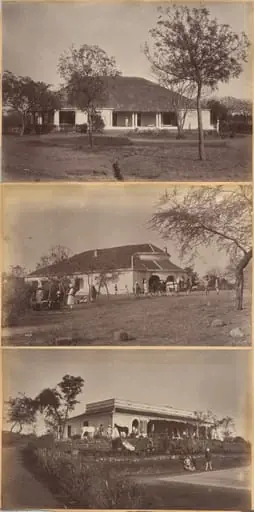 Commissioner's house, Jhansi (recto); Reverend Holcomb's Bungalow (verso, top); Untitled (verso, bottom)
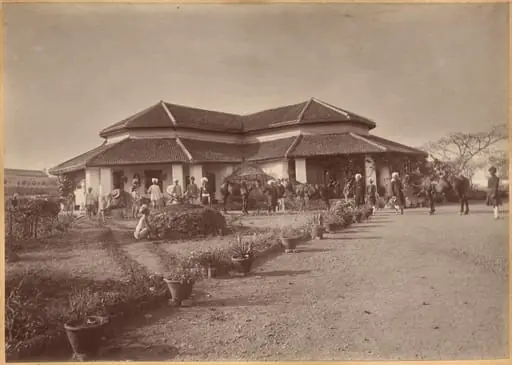 Major Creagh's home, Mhon (verso)
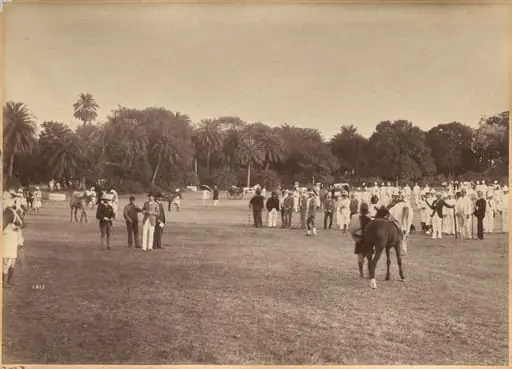 Judging at the Horseshow at Jhansi
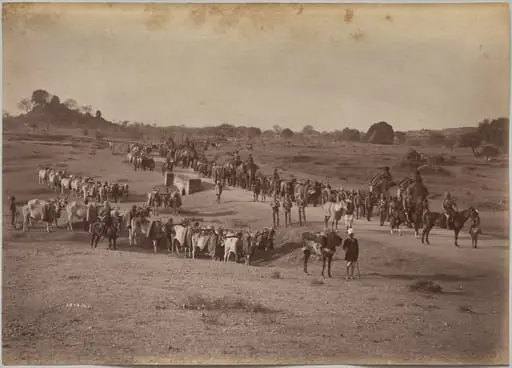 Elephant Battery on March at Jhansi
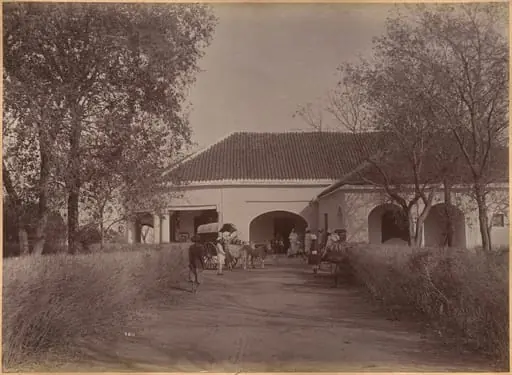 Mr. William's House, Jhansi (verso)
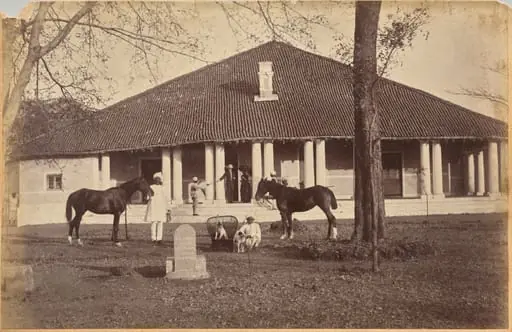 Captain Falkner's Bungalow, Neemuch (recto, top)
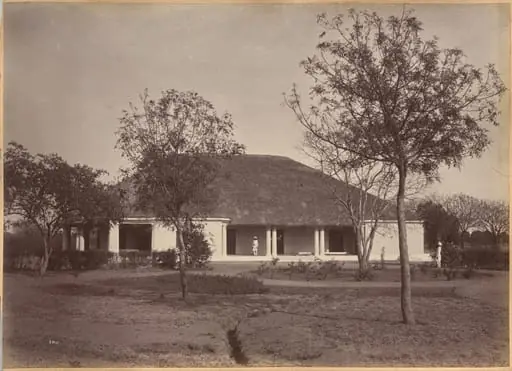 Commissioner's house, Jhansi (recto)
 Captain Harris and Ruston, Jhansi