Artwork
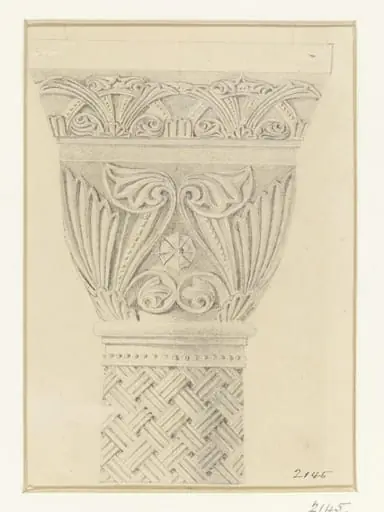
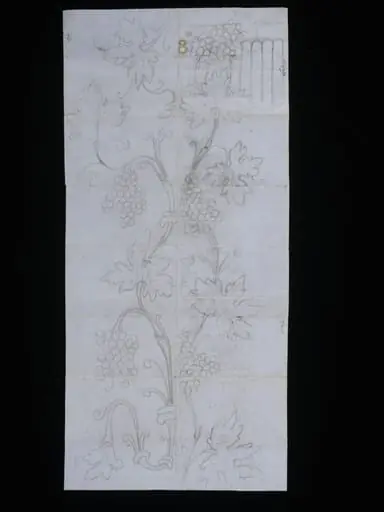
Drawing of part of a frieze
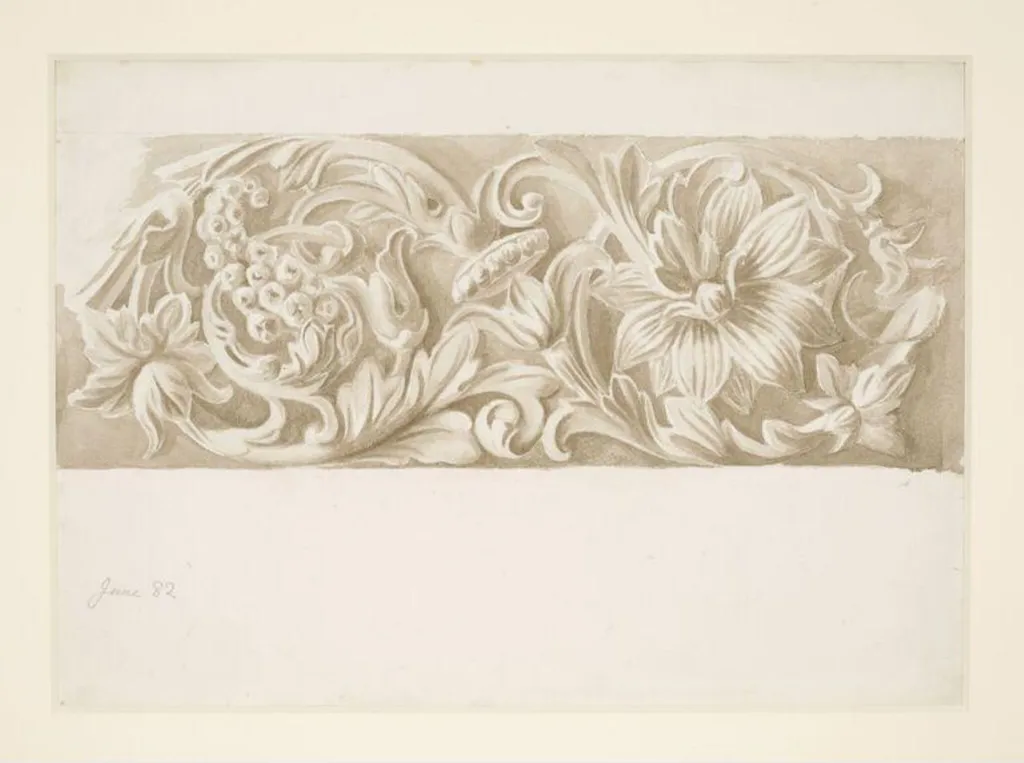
Drawing of part of a frieze is a watercolor work on paper by the Impressionist artist Beatrix Potter. It dates from 1882 and is held in the collection of the Victoria and Albert Museum.
About this work
See how she later turned that same careful eye to stories and mushrooms at the Victoria and Albert Museum.
Beatrix Potter made this watercolour study in 1882 as a young student. It’s a neat little drawing of a floral pattern, the kind of exercise she did to learn the craft. The school even called it “Excellent.”
Potter copied from nature and old books, but she wasn’t supposed to. Her parents thought too much formal training would spoil her fresh eye.
See how she later turned that same careful eye to stories and mushrooms at the Victoria and Albert Museum.
Overview
Created in 1882 during Beatrix Potter’s formal art training, this watercolour study depicts a floral motif typical of academic exercises. Executed with technical precision, it earned an ‘Excellent’ rating from the National Art Training School. Though conventional in subject, the piece reflects her disciplined approach to observation, even as her personal artistic instincts leaned toward more spontaneous naturalism.
Subject & Meaning
The subject is a stylized floral pattern, likely drawn from decorative sources or botanical specimens used in classroom instruction. Unlike her later whimsical illustrations, this work lacks narrative or personality, serving instead as a technical exercise in composition and detail. Its quiet formality underscores the constraints of institutional training, contrasting with the lively imagination she would later channel into her stories.
Technique & Style
Potter employed watercolour with restrained brushwork, emphasizing clean lines and muted tones. Her handling shows careful control, typical of student work aimed at mastering medium and form. The composition is orderly, lacking the dynamic energy of her later illustrations. This disciplined approach reveals her ability to adhere to academic standards, even as her true creative voice sought greater freedom.
History & Provenance
Made during Potter’s enrollment at the National Art Training School from 1878 to 1883, the drawing was part of her curriculum for the Second Grade Art Student Certificate. It was assessed favorably by instructors, yet she remained critical of formal instruction. The work survives as evidence of her early engagement with art education, prior to her shift toward natural history illustration and children’s storytelling.
Context
As a girl of middle-class Victorian society, Potter was expected to cultivate artistic skills as a social accomplishment. While her parents encouraged modest training, they feared overexposure to academic methods might dull her innate perception. Her studies coincided with a broader cultural emphasis on observational accuracy in art and science, influencing her later work in mycology and illustrated natural history.
Legacy
This early study foreshadows the precision that would define her later illustrations, though its rigidity contrasts with the playful vitality of her published work. Potter’s skepticism toward formal training proved prescient: her most enduring contributions emerged from independent observation, not institutional instruction. The drawing stands as a quiet testament to the tension between discipline and originality in artistic development.
Artist & collection
Artist
Helen Beatrix Heelis (née Potter; 28 July 1866 – 22 December 1943), usually known as Beatrix Potter ( BEE-ə-triks), was an English writer, illustrator, natural scientist, and conservationist.

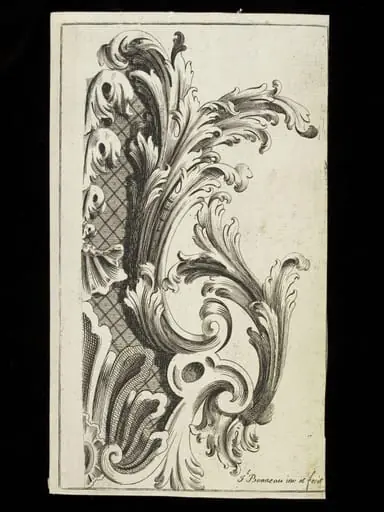 Ornament print by Jacob Bonneau
 Paradigmata Graphics Variorum Artificum
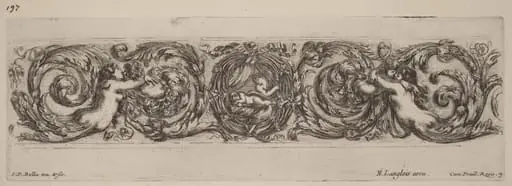 Ornamental Frieze with Cupid and Psyche
 Untitled
 Ornament Panel: Four Children Playing
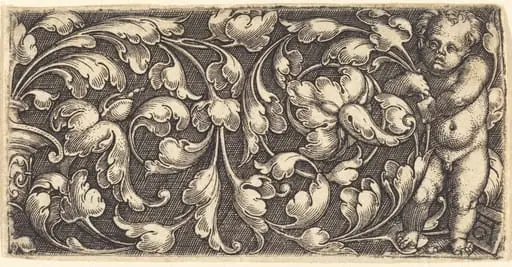 Naked Infant Holding a Double Scroll of Leafy Ornament
![Dousieme livre des Oeuvres de J. A. Messonnier [<i>sic</i>] Livre de Chandeliers de Sculpture en Argent, by Gabriel Huquier](https://artifactworldgallery.com/img/gabriel-huquier--dousieme-livre-des-oeuvres-de-j-a-messonnier-i-sic-i-livre-d--d48396ff912cb7bf-w320.webp) Dousieme livre des Oeuvres de J. A. Messonnier [<i>sic</i>] Livre de Chandeliers de Sculpture en Argent
Dousieme livre des Oeuvres de J. A. Messonnier [<i>sic</i>] Livre de Chandeliers de Sculpture en Argent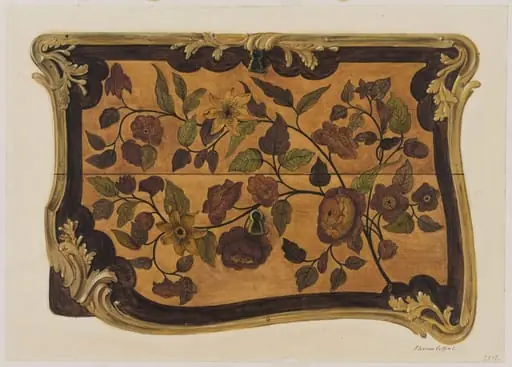 Dutch marqueterie table, ca. 1700
 Ornament Panel: Four Children with a Cat and a Dog
 Ornament Panel: Two Sphinxes and Two Children Holding Palms
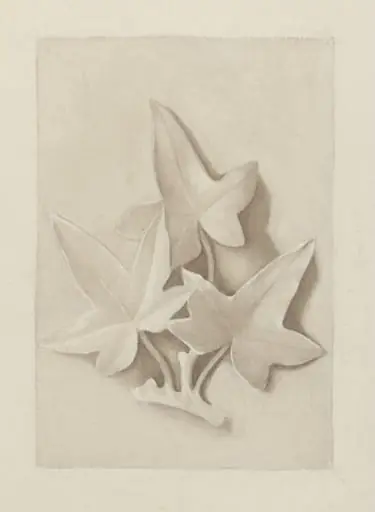 Drawing of a plaster cast featuring three ivy leaves
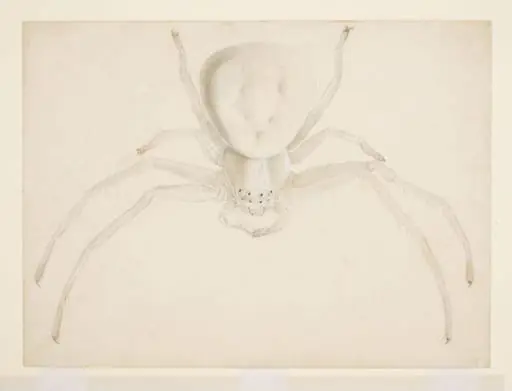 Study of a light grey spider