Artwork
Portrait of Fath 'Ali Shah
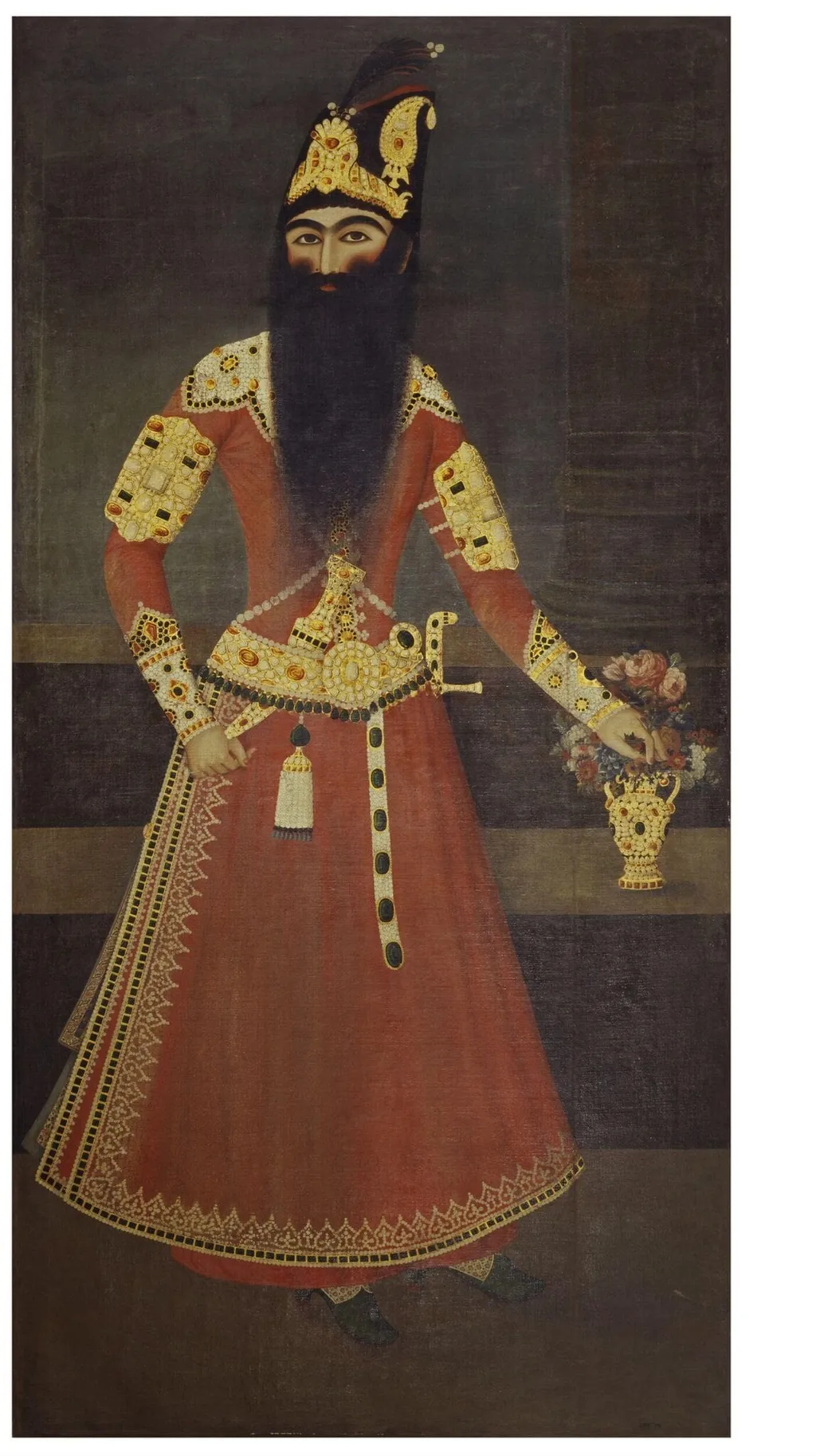
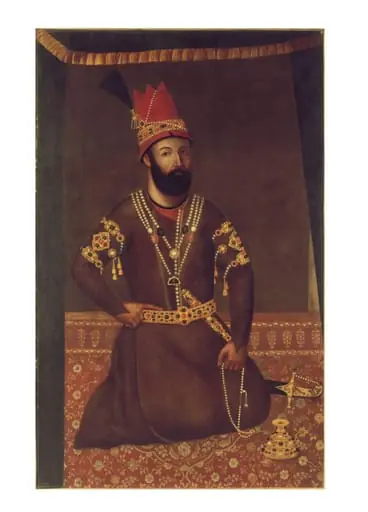
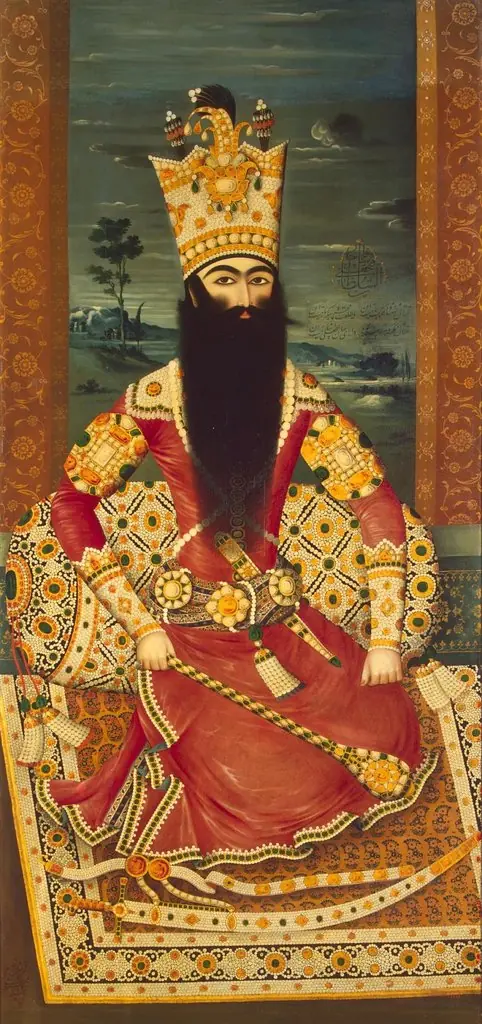
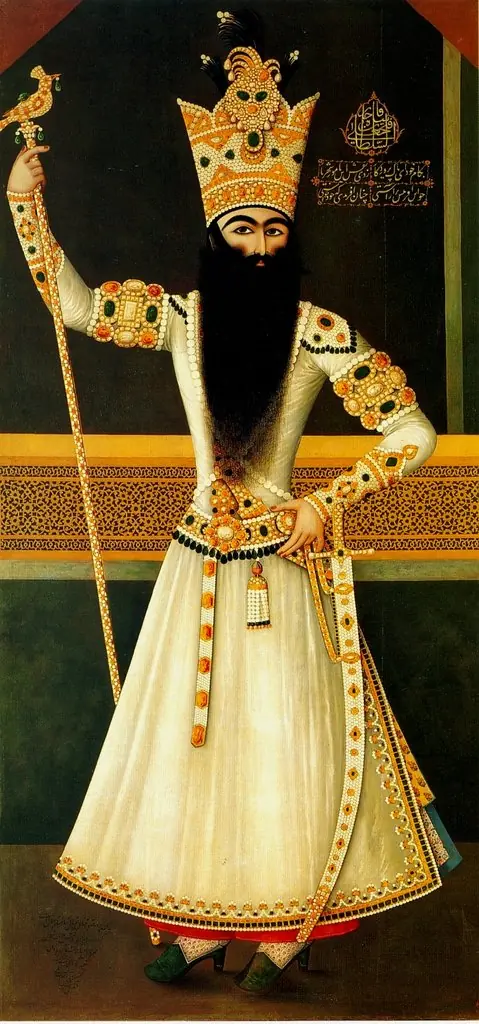
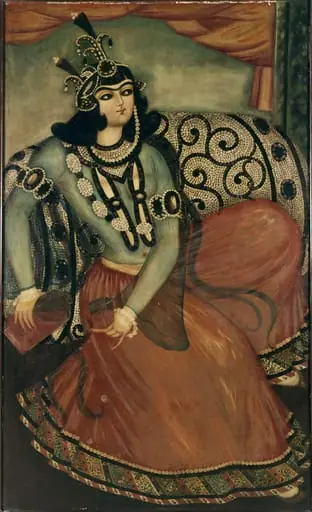
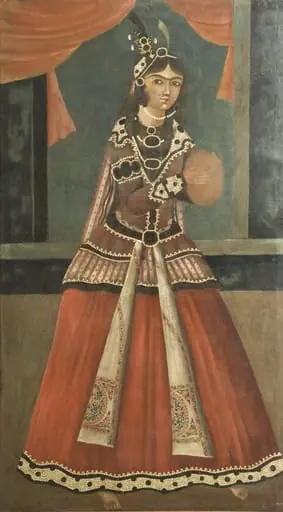
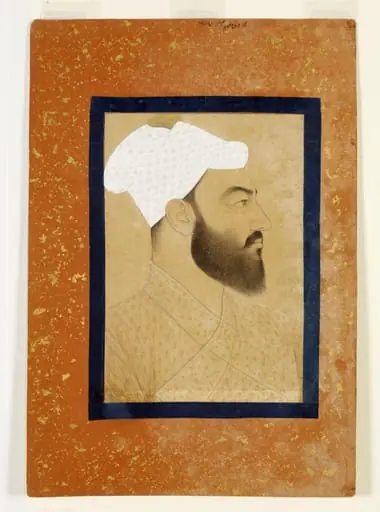
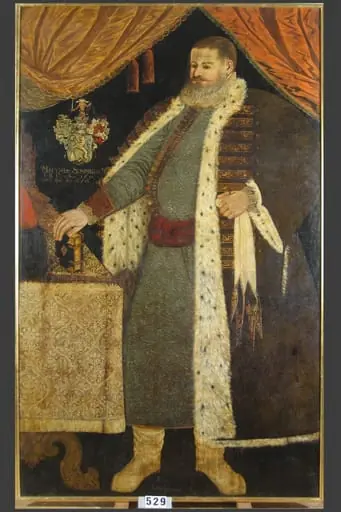
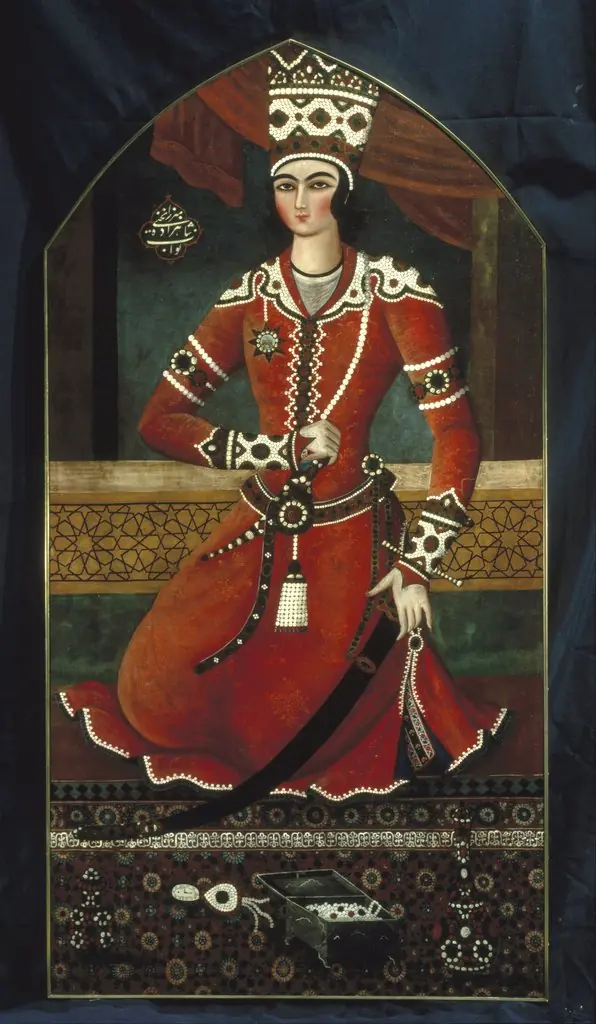
Portrait of Fath 'Ali Shah is an oil painting by the Patna School of Painting artist Abdullah Khan. It dates from 1797 and is held in the collection of the Victoria and Albert Museum. This oil painting portrays Fath 'Ali Shah, the second ruler of the Qajar dynasty, which reunified Iran in the late 18th century.
About this work
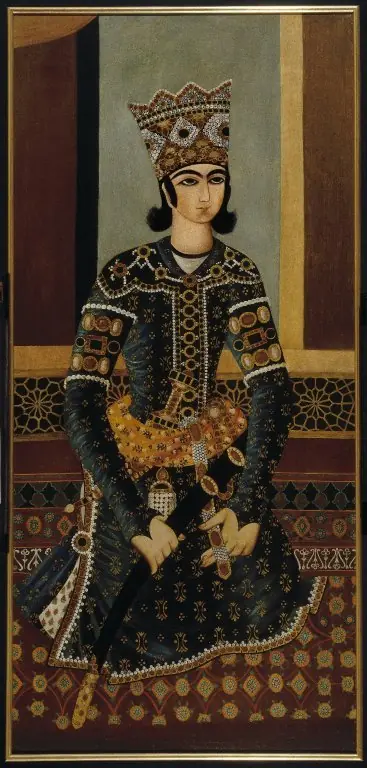
This painting shows Fath 'Ali Shah seated on a European-style chair with a floral rug beneath his feet. He wears a long blue robe and a tall hat trimmed with fur.
Oil paint arrived in Iran after 1600 through trade with Europe. The Qajar ruler loved portraits and made sure artists used the new medium to paint him often.
Look up the Victoria and Albert Museum to see more Qajar art.
Overview
This oil painting portrays Fath 'Ali Shah, the second ruler of the Qajar dynasty, which reunified Iran in the late 18th century. The work exemplifies the revival of oil painting in Iran under Qajar patronage.
Subject & Meaning
Fath 'Ali Shah is depicted as a youthful, virile figure, emphasizing his masculinity, possibly in contrast to his predecessor Agha Muhammad Shah, known for his physical disfigurement. The image conveys the Shah's desired self-image and authority.
Technique & Style
Executed in oil paint, a medium introduced to Iran from Europe post-1600, the painting reflects the Qajar adoption of Western artistic techniques. The depiction of European-style furniture and attire blends foreign influences with traditional Iranian elements.
History & Provenance
Created during Fath 'Ali Shah's reign (1797-1834), this painting was likely produced for a palace or as a diplomatic gift, reflecting the ruler's fondness for portraiture in the newly revived oil painting tradition.
Context
The painting's style and subject matter are contextualized within the Qajar dynasty's cultural revival and their engagement with European trade and artistic practices, distinguishing it from earlier Iranian artistic traditions.
Legacy
As part of the Qajar art collection, this portrait contributes to the understanding of Iran's artistic evolution under European influence and the diplomatic and self-presentational uses of art during the Qajar era.
Artist & collection
Artist
This painter spent his days sketching the Qajar court in Tehran, where one rogue goat kept sneaking into the royal portrait sessions.