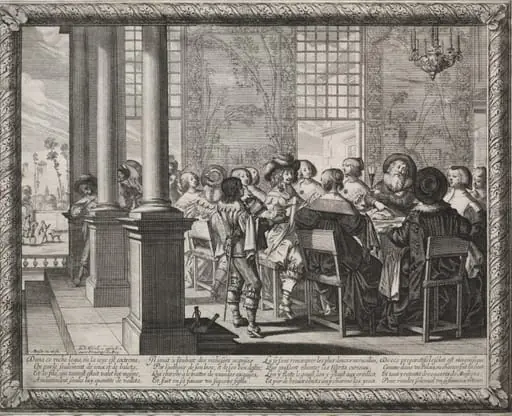
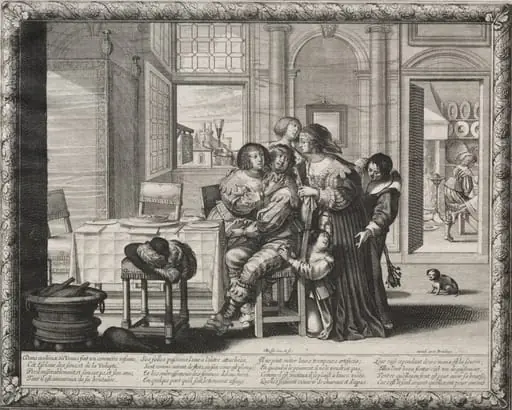
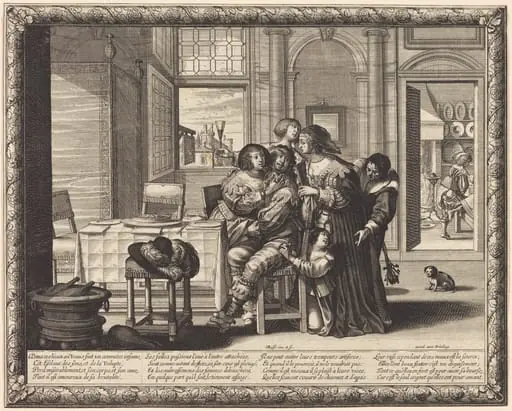
Artwork
The Four Seasons
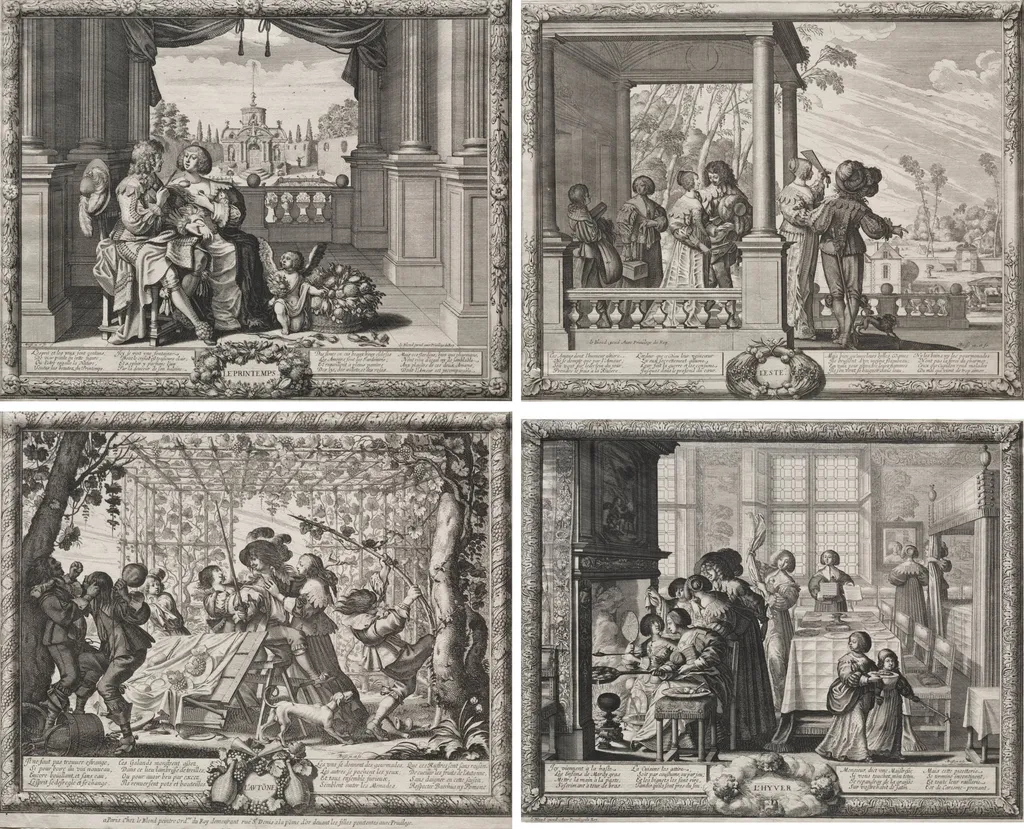
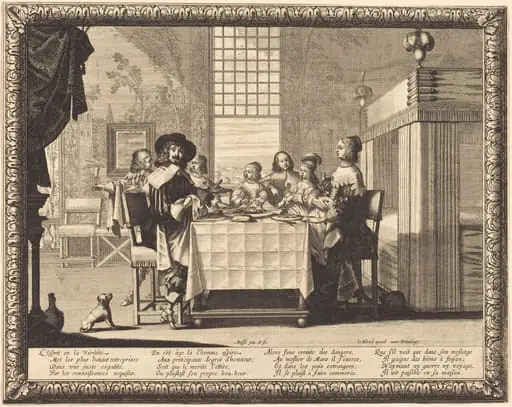
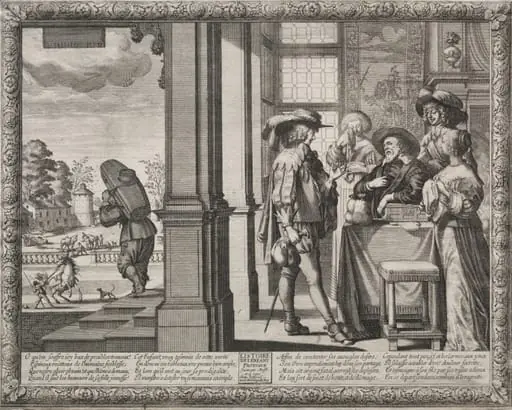
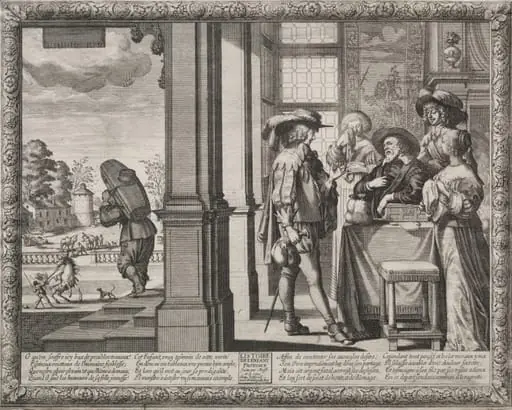
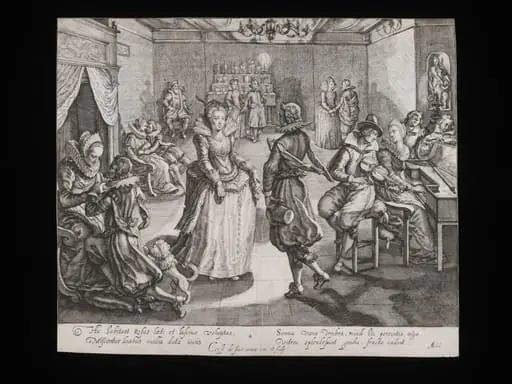
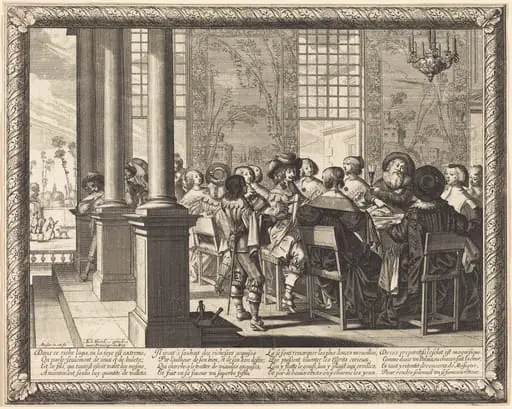
The Four Seasons is a print by the Baroque artist Abraham Bosse. It dates from 1635 and is held in the collection of the Cleveland Museum of Art.
About this work
Overview
It resides in the collection of The Cleveland Museum of Art, where it is preserved as an example of early 17th-century printmaking.
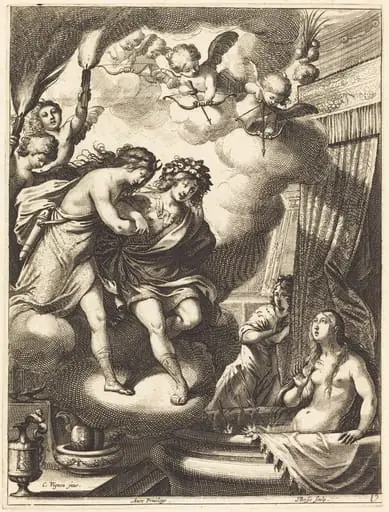
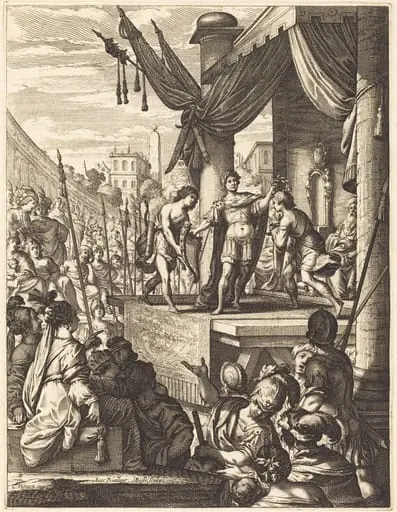
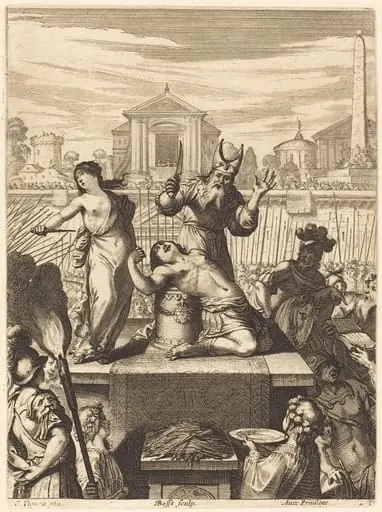
Created in 1635 by Abraham Bosse, The Four Seasons is a printed series depicting seasonal cycles through four distinct scenes. Each panel captures a different time of year through landscape and human activity. The work was produced as a set, intended for viewing as a unified narrative. It resides in the collection of The Cleveland Museum of Art, where it is preserved as an example of early 17th-century printmaking.
Subject & Meaning
The four panels illustrate spring, summer, autumn, and winter through everyday rural life. Figures are shown engaged in seasonally appropriate tasks—planting, harvesting, gathering, and sheltering. Clothing, foliage, and weather conditions serve as clear indicators of each time of year. The sequence suggests a cyclical view of time, rooted in agrarian rhythms rather than mythological allegory.
Technique & Style
Bosse employed etching to achieve fine linear detail and subtle tonal variation. He used controlled hatching and cross-hatching to model forms and suggest depth, particularly in figures and architecture. Light and shadow are rendered with precision, enhancing the spatial coherence of each scene without dramatic contrast. The style reflects the precision of Northern European print traditions of the period.
History & Provenance
The series was produced during Bosse’s active years in Paris, where he was known for his detailed engravings of daily life. It circulated among collectors and artisans as both artistic and instructional material. The Cleveland Museum of Art acquired the set in the 20th century, where it has been studied for its documentation of early modern seasonal customs and print culture.
Context
In the 1630s, prints depicting the seasons were popular in Northern Europe, often tied to calendars or moral allegories. Bosse’s version stands apart by focusing on unidealized labor rather than classical themes. His work reflects a growing interest in observational realism and the lives of common people, aligning with broader trends in Dutch and French visual culture of the era.
Legacy
The Four Seasons contributed to the tradition of seasonal imagery in printmaking, influencing later depictions of rural life. While not widely replicated, its careful observation of seasonal change and attention to social detail made it a reference for artists and scholars studying early modern European life. It remains a key example of how print media could convey complex temporal narratives.
Artist & collection

Artist
Abraham Bosse (c. 1604 – 14 February 1676) was a French artist, mainly as a printmaker in etching, but also in watercolour.