Artwork
Phoebe Drake
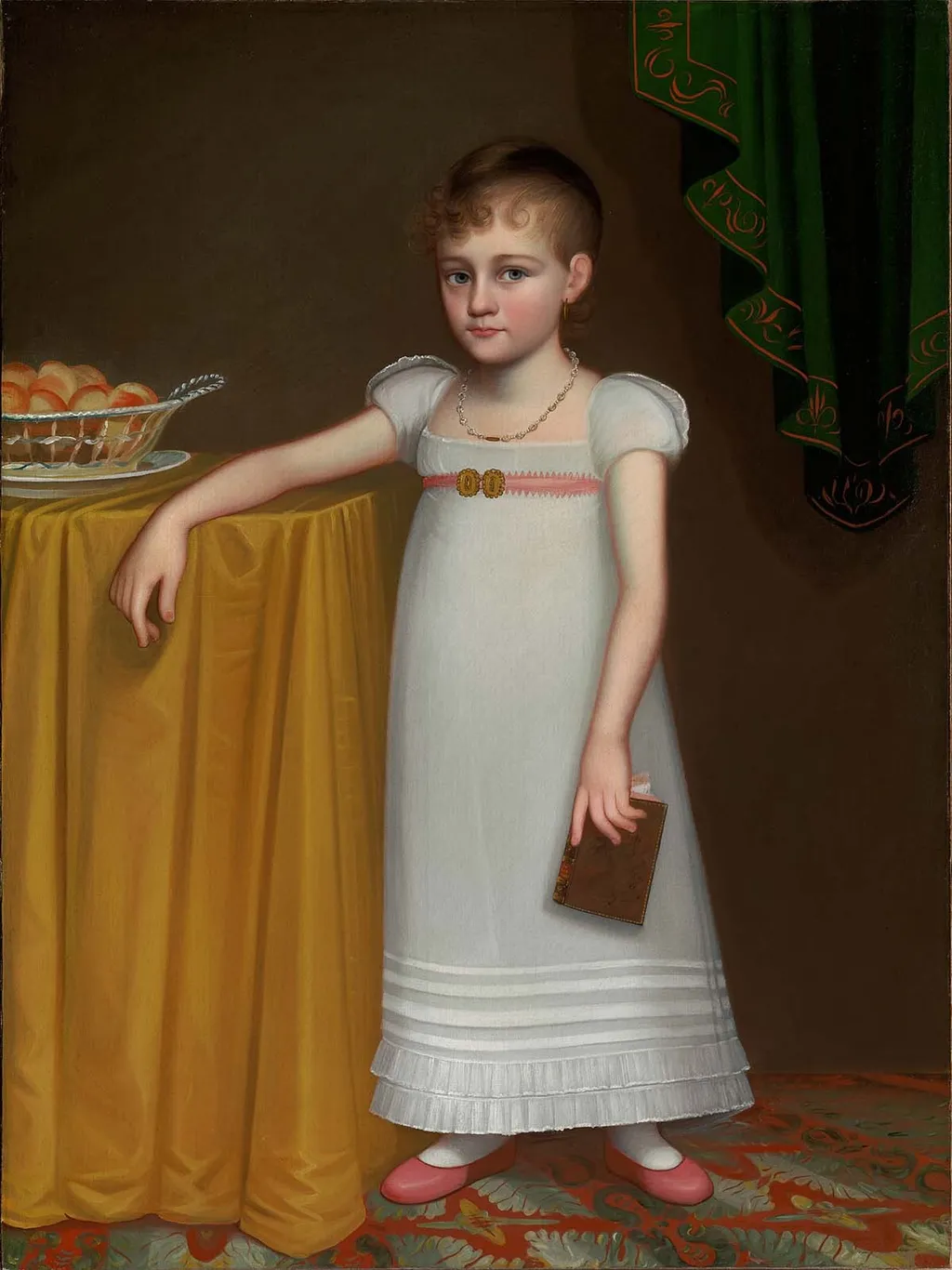
Phoebe Drake is an oil painting by Abraham Tuthill. It dates from 1819 and is held in the collection of the Museum of Fine Arts Boston.
About this work
The painting depicts a young girl standing in front of a table, dressed in a white dress with a pink ribbon and a gold brooch.
The painting depicts a young girl standing in front of a table, dressed in a white dress with a pink ribbon and a gold brooch. She has short, curly hair and is holding a book in her right hand. The table behind her is covered with a yellow cloth and features a bowl of fruit.
The girl's attire and the setting suggest a formal portrait, possibly from the early 19th century. The artist's use of oil paint creates a sense of depth and texture in the image.
This painting is reminiscent of the works of Abraham Tuthill, who was known for his portraits of children and families.
Overview
Painted around 1819 by Abraham Tuthill, this oil portrait captures Phoebe Drake, a young girl from early 19th-century America. The work resides in the Museum of Fine Arts, Boston, and exemplifies Tuthill’s focus on domestic portraiture. Rendered with careful attention to detail, the composition reflects the conventions of middle-class family representation during the period.
Subject & Meaning
Phoebe Drake stands poised before a table adorned with a yellow cloth and a bowl of fruit, symbolizing domestic order and abundance. Her white dress, pink ribbon, and gold brooch suggest modest affluence, while the book in her hand implies education and moral refinement—values prized in young women of her social circle. The portrait conveys quiet dignity rather than theatricality, aligning with contemporary ideals of childhood innocence.
Technique & Style
Tuthill employed oil paint to achieve subtle gradations of light and texture, particularly in the fabric of the dress and the sheen of the fruit. The background remains softly blurred, directing focus to the figure. Brushwork is precise yet unobtrusive, favoring clarity over dramatic flair. The composition follows a balanced, frontal arrangement typical of American portraiture of the era.
History & Provenance
The painting entered the Museum of Fine Arts, Boston’s collection through documented acquisition, though its earlier ownership remains unclear. It has been consistently attributed to Tuthill since its cataloging, with no evidence of significant restoration or alteration. Its preservation reflects its status as a representative example of regional portraiture from the early 1800s.
Context
Abraham Tuthill worked primarily in New England, producing portraits for local families during a time when formal likenesses were markers of social standing. His depictions of children often emphasized virtue and composure, mirroring prevailing educational and moral philosophies. This portrait aligns with a broader trend of domestic portraiture that sought to immortalize private life within public art.
Legacy
Though not widely known outside regional art circles, Tuthill’s work, including this portrait, contributes to the understanding of early American visual culture. Phoebe Drake’s image offers insight into the aesthetics and values of middle-class families in post-Revolutionary New England, serving as a quiet but enduring record of everyday life in the period.
Artist & collection

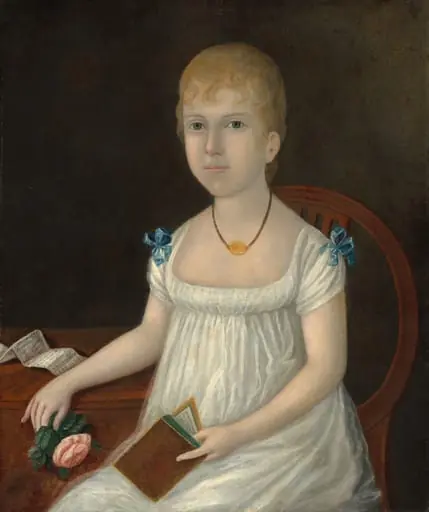 Adelina Morton
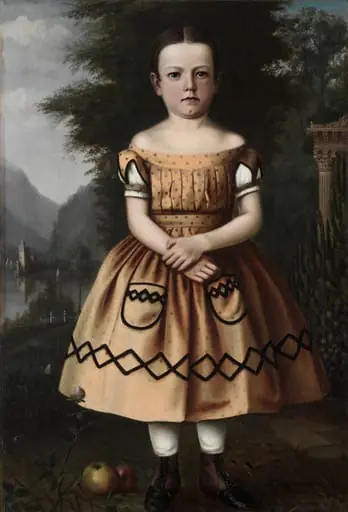 Minnie Willard
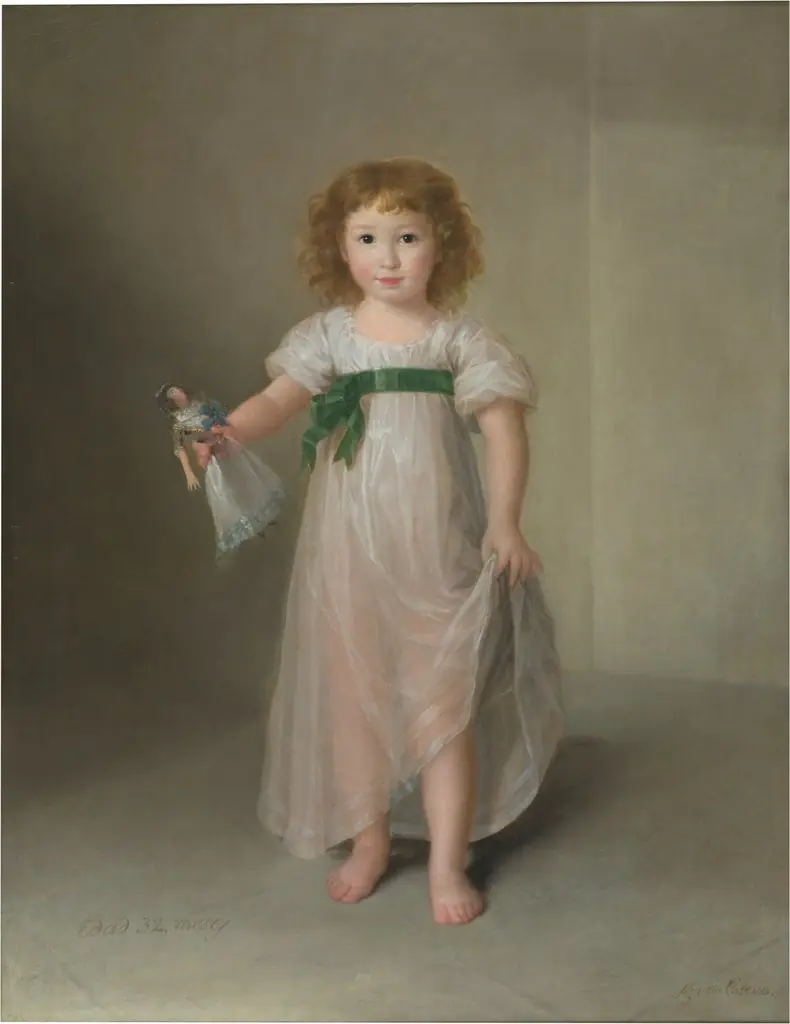 Portrait of Manuela Téllez-Girón
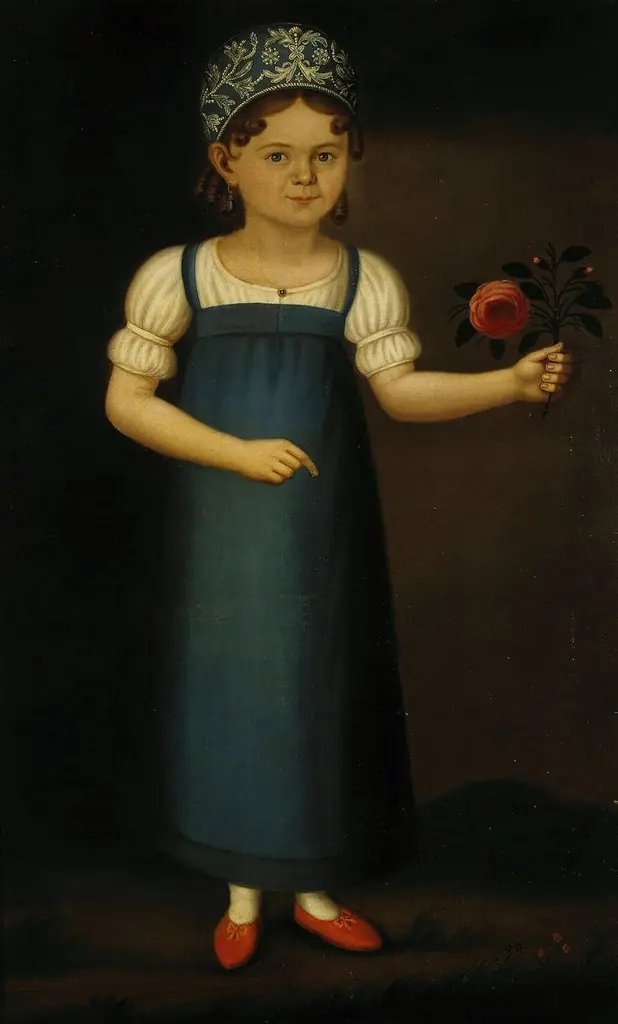 Portrait of Glafira Zimina, a Girl from a Merchant Family
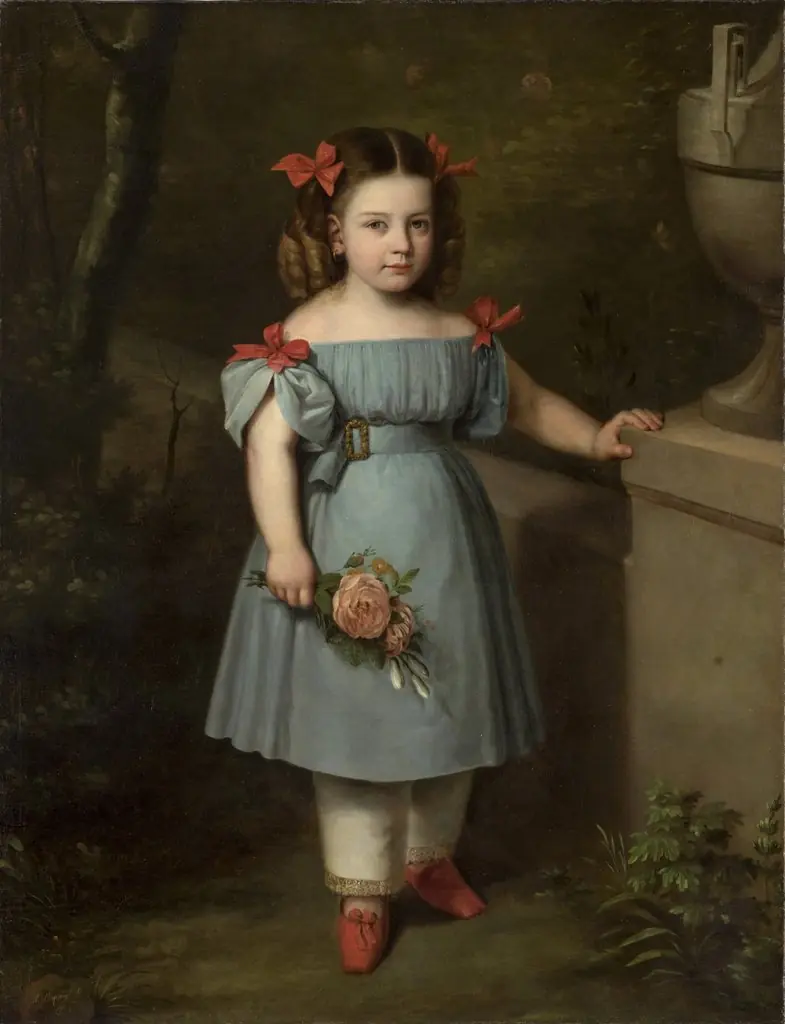 Retrato de niña con rosas
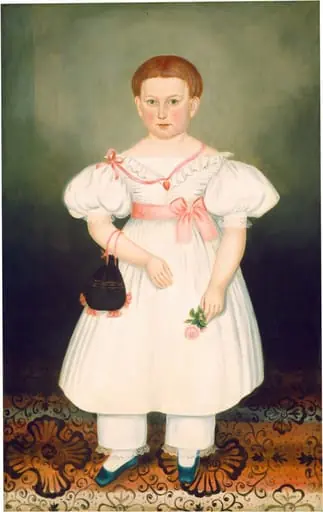 Girl with Reticule and Rose
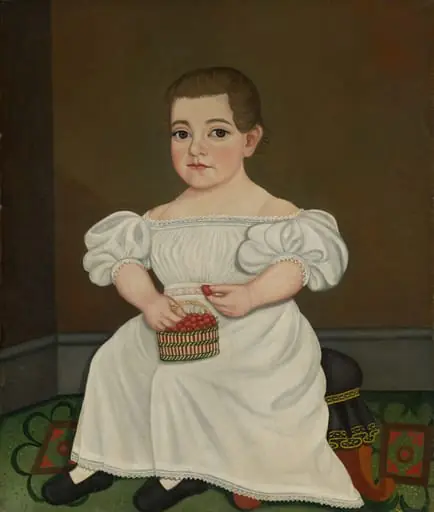 Little Miss Wyckoff
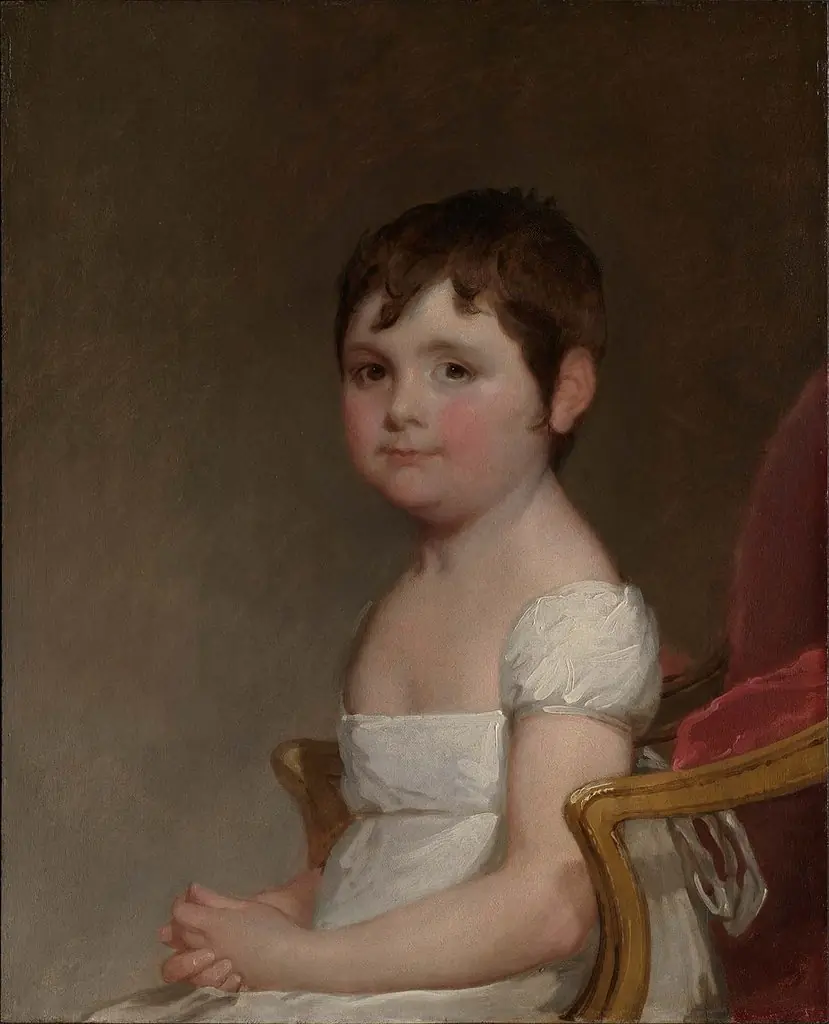 Sally Patten
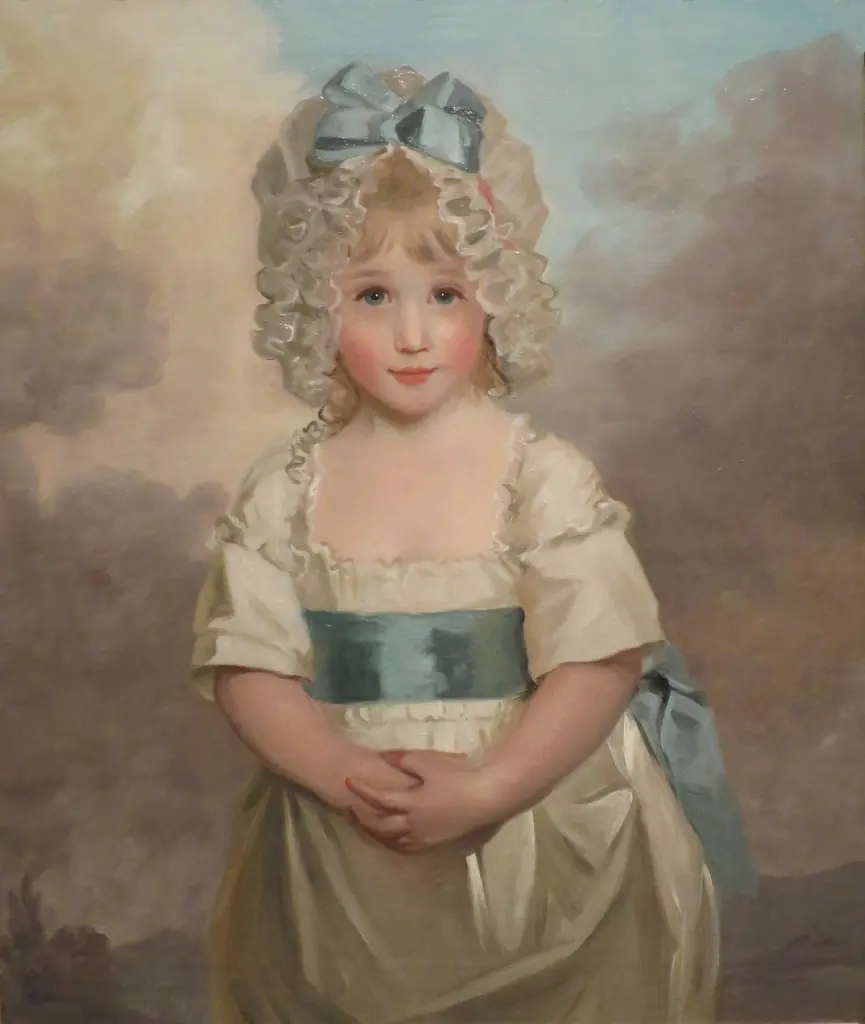 Miss Charlotte Papendick as a Child
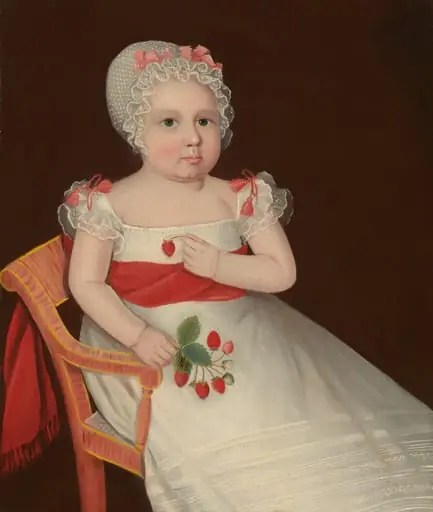 The Strawberry Girl
 The Infanta María Isabella of Spain
 Harriet White