Artwork
The Infanta María Isabella of Spain
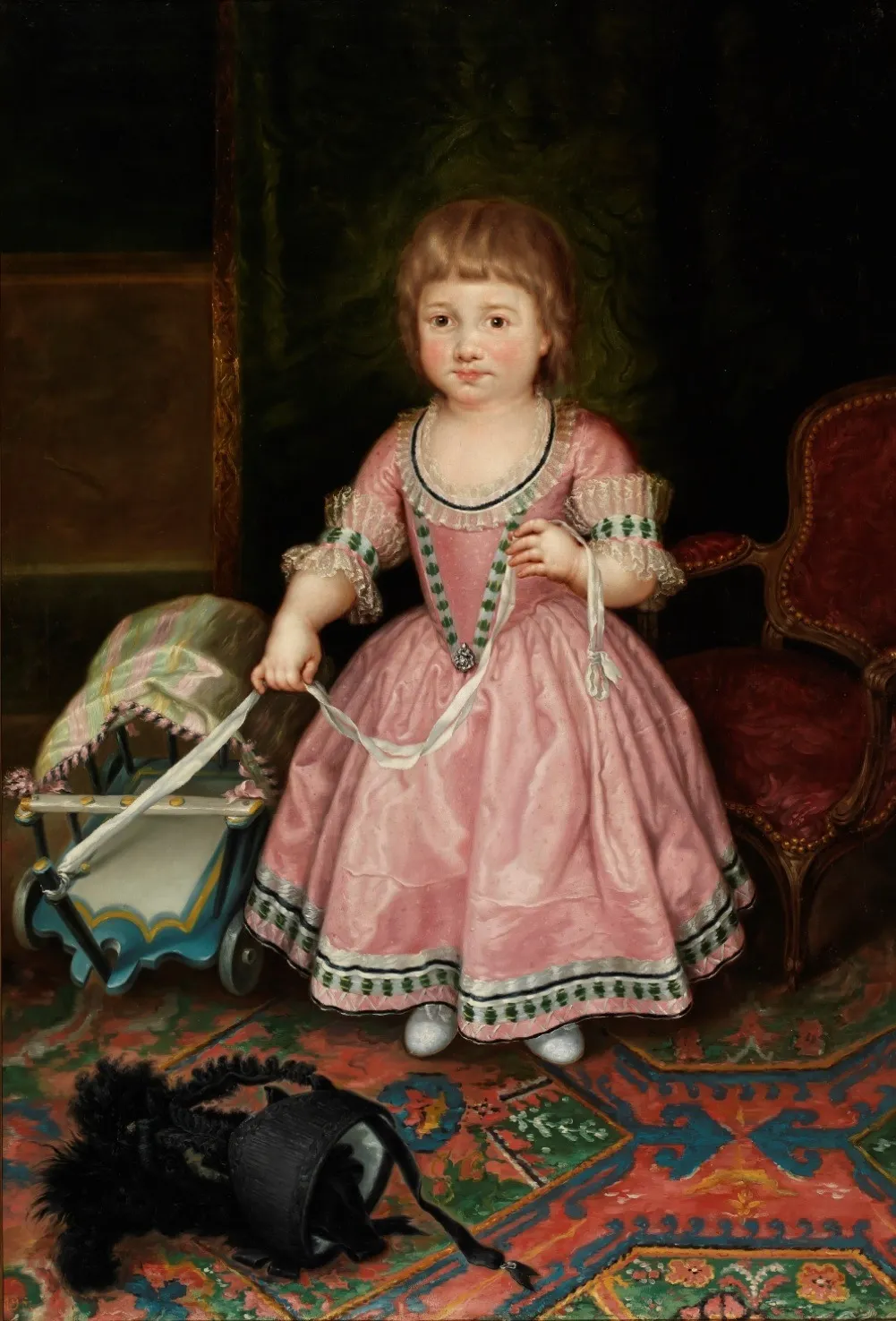
The Infanta María Isabella of Spain is an oil painting by Ramón Bayeu. It dates from 1796 and is held in the collection of the Museo del Prado.
About this work
Overview
Painted in 1796 by Ramón Bayeu, this oil-on-canvas portrait captures María Isabella of Spain, a young member of the Bourbon royal family. Bayeu, known primarily for his tapestry cartoons, applied his precision to this formal depiction, aligning with the courtly conventions of late 18th-century Spanish portraiture. The work resides in the Museo del Prado, Madrid, as part of its royal collection.
Subject & Meaning
The infant María Isabella stands upright, dressed in an elaborate pink gown with green and white trim, her hands clasping a white ribbon. Behind her, a toy carriage and a chair suggest a domestic setting adapted for ceremonial display. The composition emphasizes her royal status through refined attire and carefully arranged objects, conveying dignity rather than childhood playfulness.
Technique & Style
Bayeu rendered the infanta’s costume with meticulous attention to fabric texture and decorative detail, using soft brushwork to suggest silk and lace. The background remains muted, directing focus to the figure. The lighting is even and controlled, typical of Neoclassical portraiture, avoiding dramatic contrasts in favor of clarity and order.
History & Provenance
Commissioned during the reign of Charles IV, the portrait was likely intended for private royal use or as a diplomatic gift. It entered the Prado’s collection in the 19th century, following the consolidation of royal holdings after the Napoleonic Wars. Its provenance remains tied to the Spanish court, with no evidence of public exhibition prior to its institutional acquisition.
Context
In late 18th-century Spain, royal children were frequently portrayed to reinforce dynastic continuity. Bayeu’s approach reflects the influence of French and Italian court portraiture, filtered through Spanish traditions of formality. While not a full-length state portrait, the work aligns with the broader practice of documenting royal lineage through intimate yet controlled imagery.
Legacy
Though not among Bayeu’s most widely recognized works, the portrait exemplifies his skill in translating tapestry-level detail into oil painting. It contributes to the Prado’s archive of Spanish royal imagery, offering insight into how childhood and nobility were visually negotiated during a period of political and cultural transition.
Artist & collection
Artist
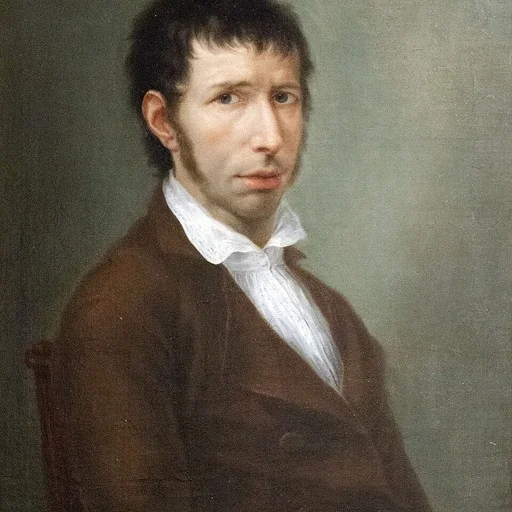
Ramón Bayeu y Subías (2 December 1744, Zaragoza – 1 March 1793, Aranjuez) was a Spanish Neoclassicist painter; known primarily for his work in tapestry design.

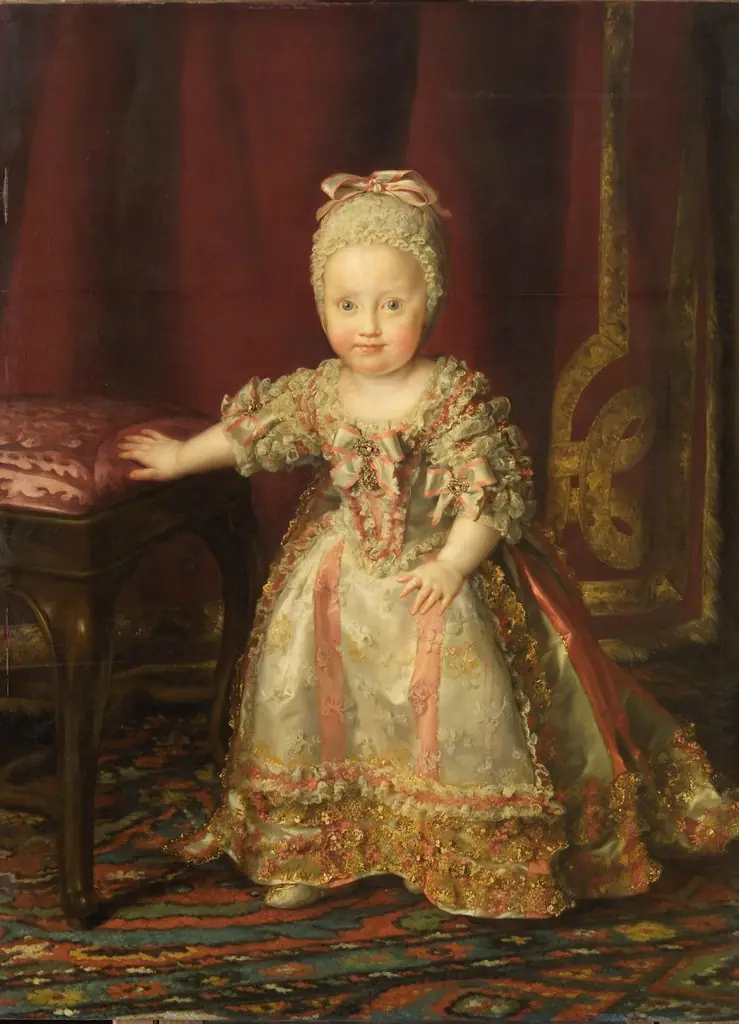 Infantin Maria Theresa von Neapel (1772-1807)
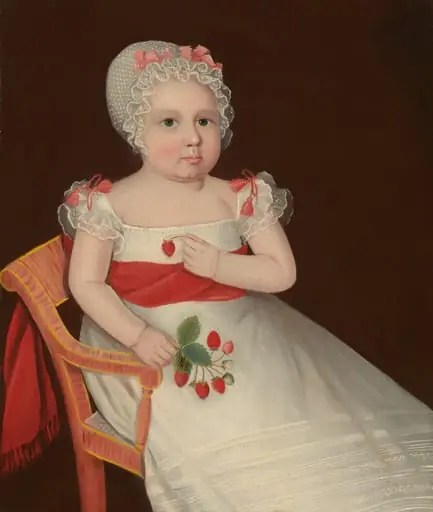 The Strawberry Girl
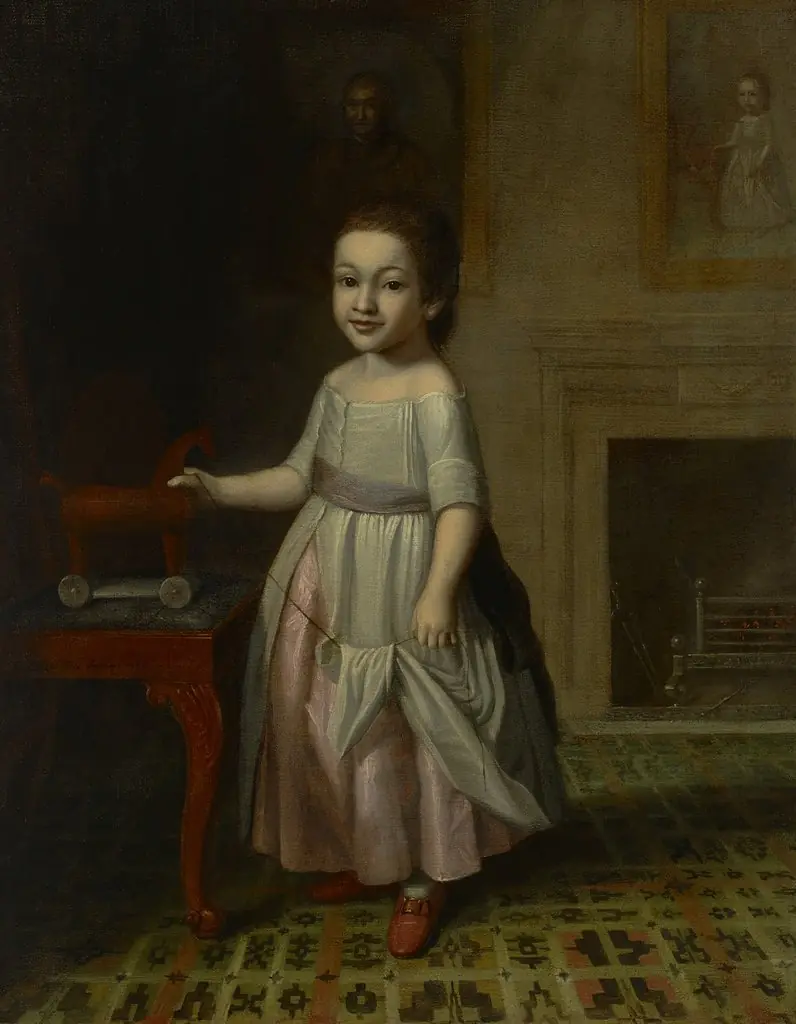 Boy with Toy Horse
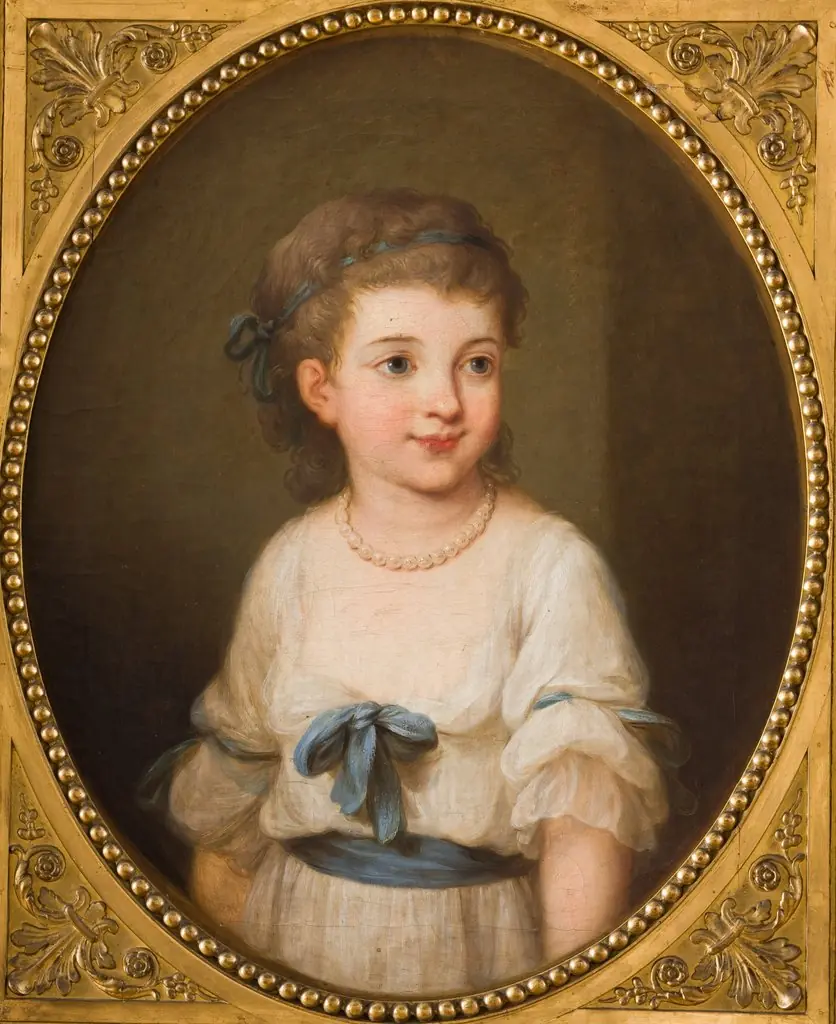 Portrait of Elżbieta Mniszech (born 1792)
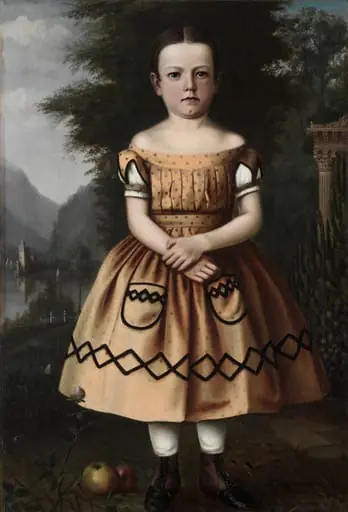 Minnie Willard
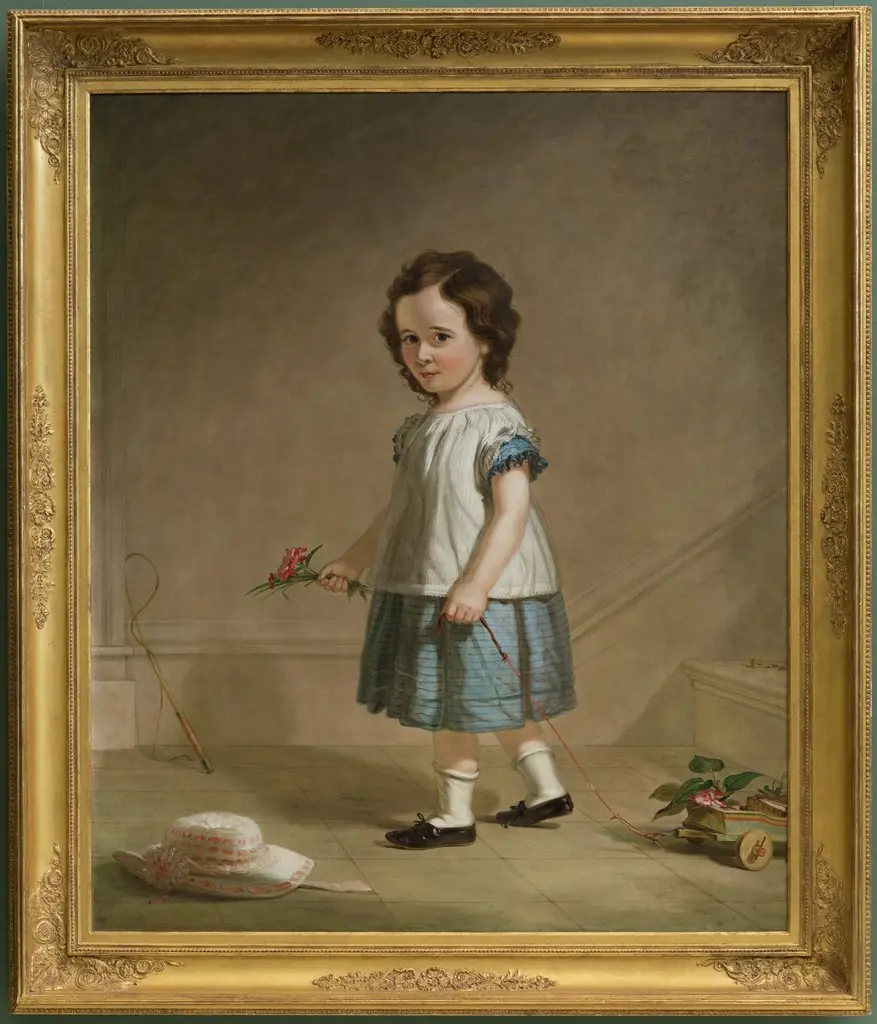 Portrait of William Wickham Mills Smith
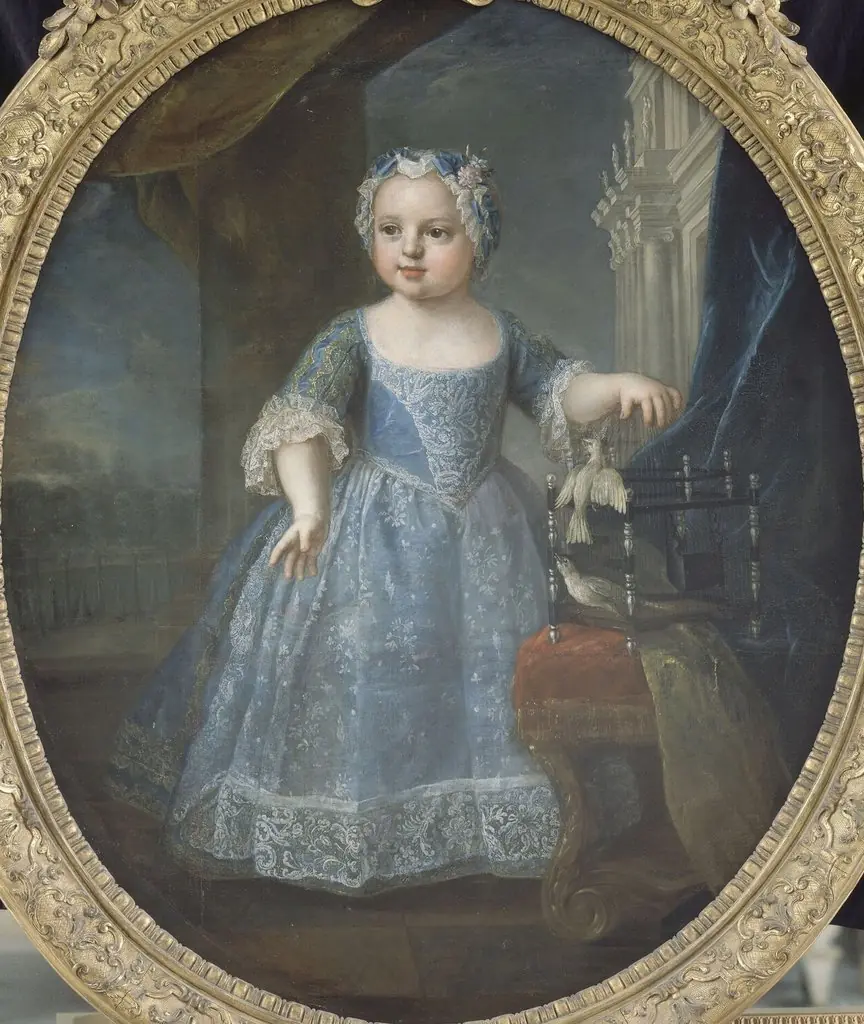 Marie-Louise de France (1728-1733), dite Madame Louise / Madame Troisième
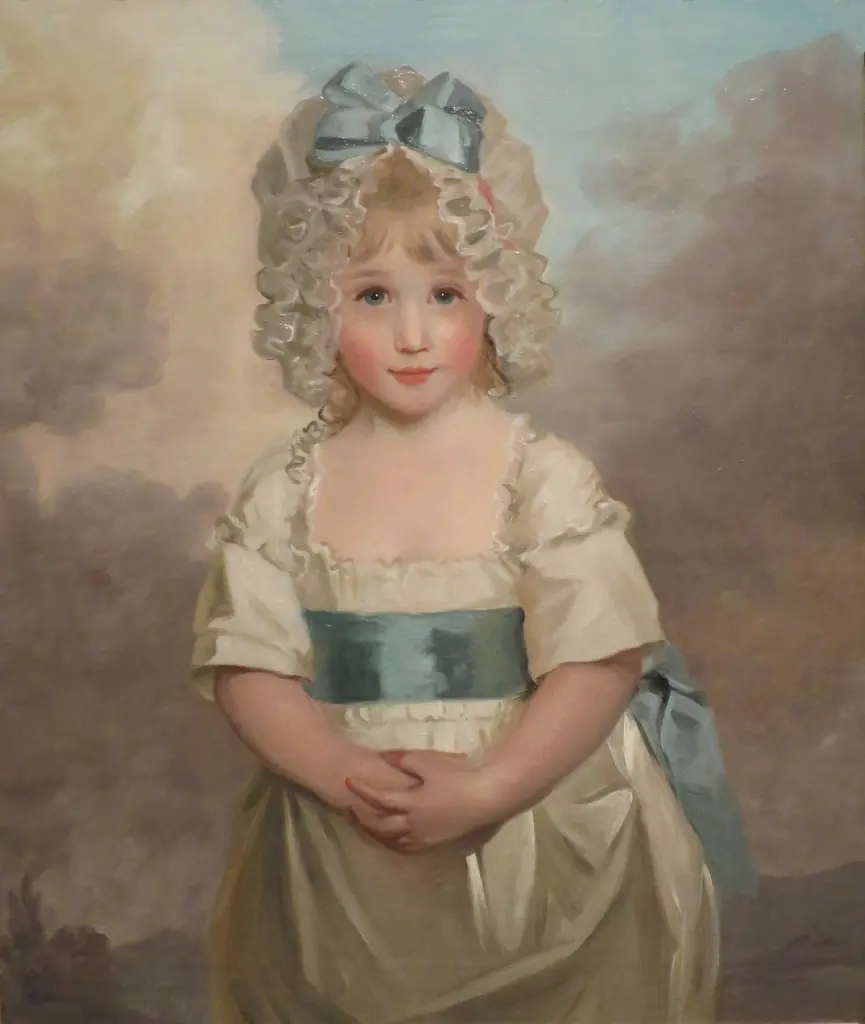 Miss Charlotte Papendick as a Child
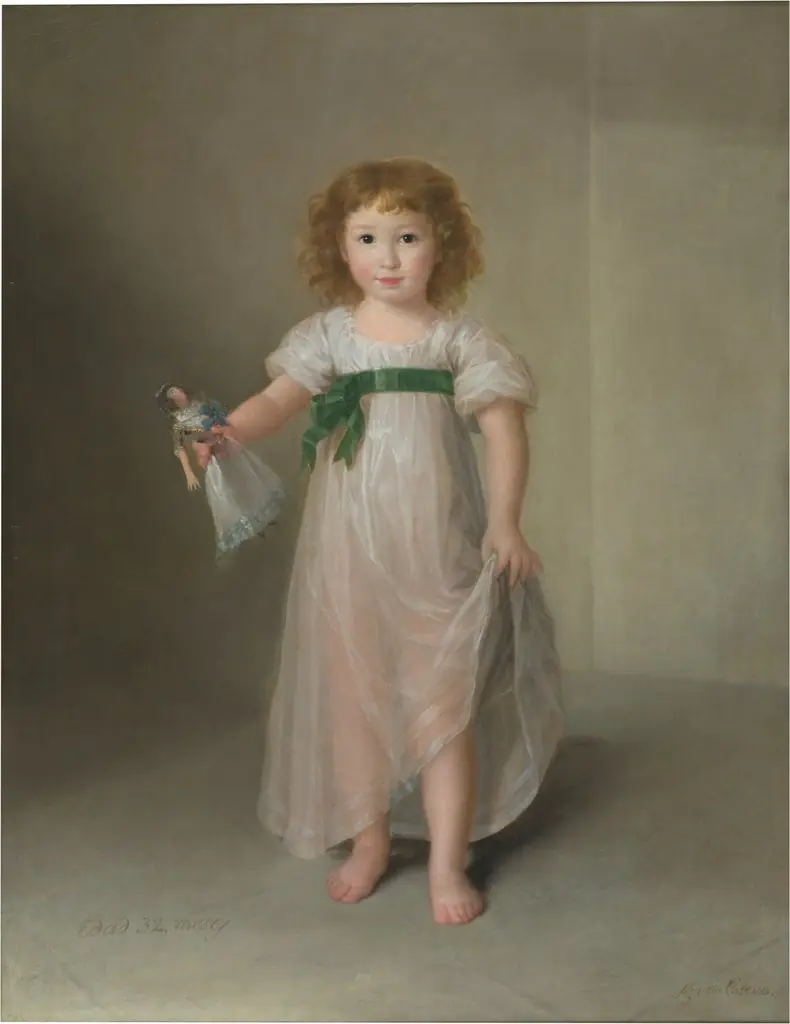 Portrait of Manuela Téllez-Girón
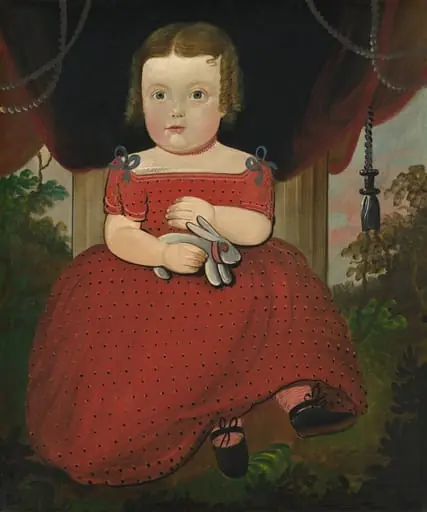 Little Miss Fairfield
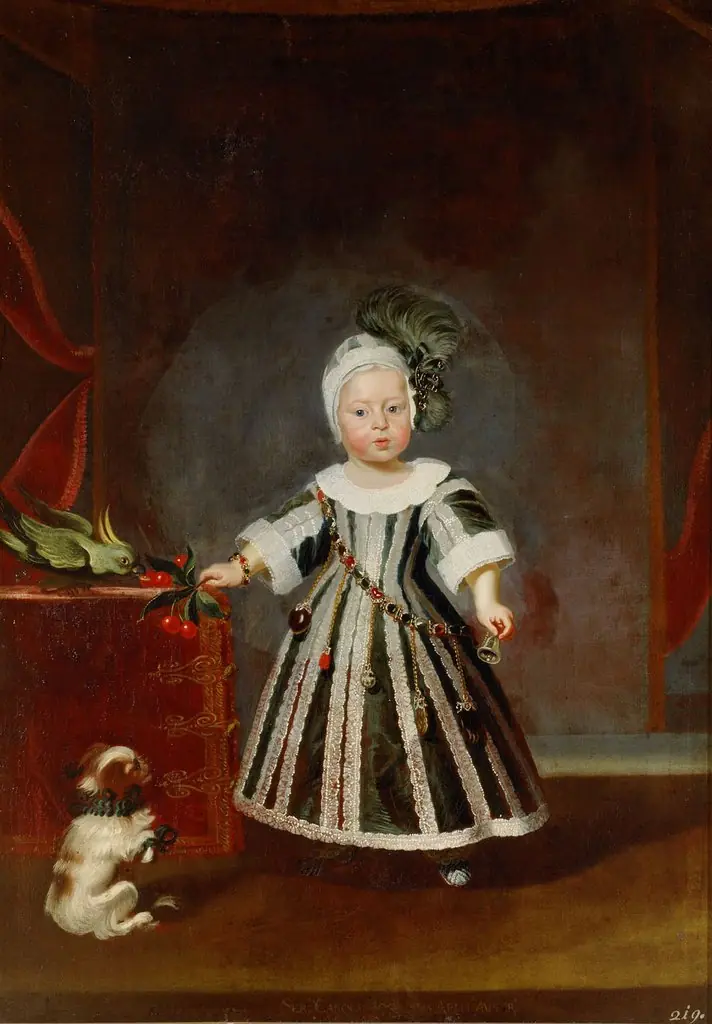 Portrait of Charles Joseph, Archduke of Austria (1745-1761)
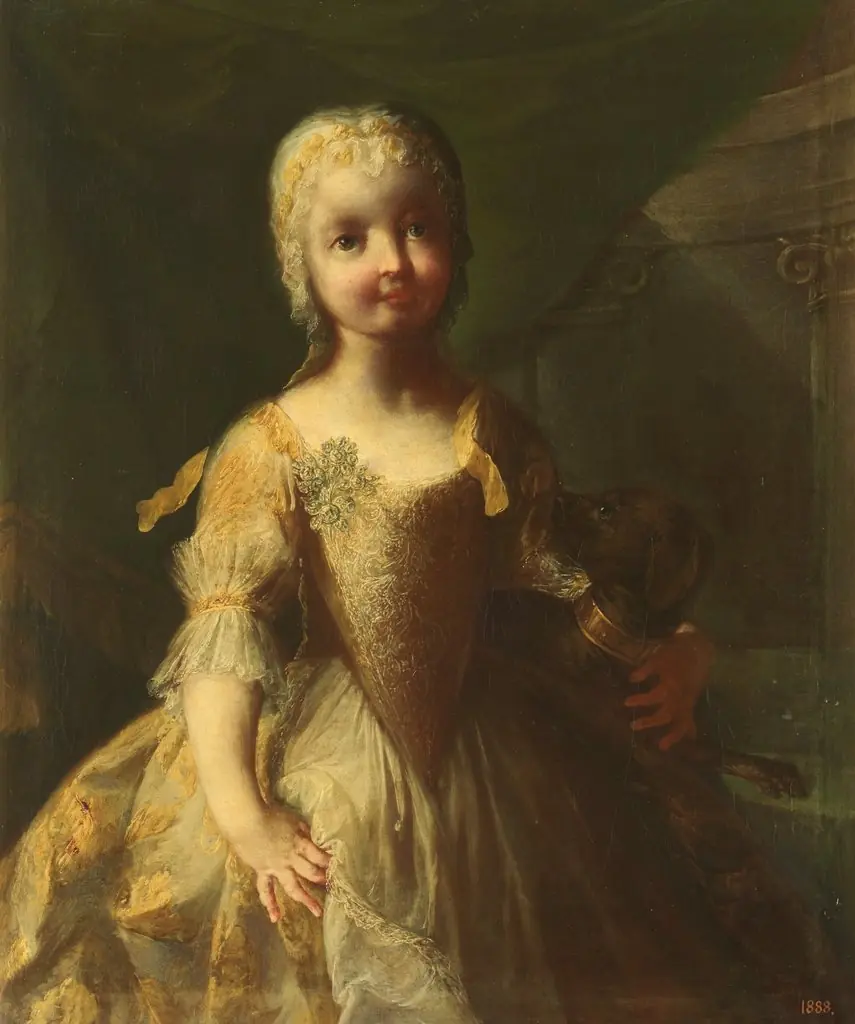 María Isabel of Bourbon and Saxony, Infanta of Naples and Spain