Artwork
Last Judgement, ca. 1645
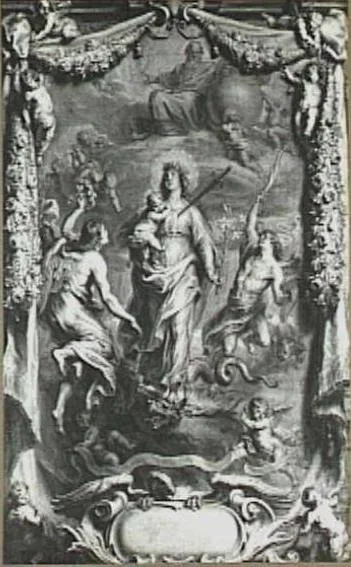
Last Judgement, ca. 1645 is an oil painting by the Flemish Baroque painting artist Abraham van Diepenbeeck. It dates from 1645 and is held in the collection of the Uffizi Gallery.
About this work
Overview
Created circa 1645, the oil painting titled *Last Judgement* presents a densely populated, theatrical composition typical of Flemish Baroque art.
Created circa 1645, the oil painting titled *Last Judgement* presents a densely populated, theatrical composition typical of Flemish Baroque art. Central to the scene is a woman in a white garment, surrounded by numerous figures rendered in pale tones against a deep, shadowed background. The work emphasizes the moment of divine reckoning, integrating the Madonna and Child within the broader narrative of the Day of Judgment.
Subject & Meaning
The image conveys the Christian eschatological theme of the final judgment, with the Virgin Mary and infant Jesus positioned as intercessors amid the assembled souls. The central female figure, likely the Virgin, is bathed in light, suggesting sanctity, while surrounding characters display varied gestures that hint at salvation, condemnation, and the tumult of the apocalyptic moment.
Technique & Style
Van Diepenbeeck employs pronounced chiaroscuro, contrasting illuminated forms with a dark ground to model volume and heighten drama. The palette is restrained, dominated by whites, grays, and muted earth tones, while the subtle glazing enhances depth and a sense of translucency. The composition reflects the dynamic movement and emotional intensity characteristic of the Baroque period.
History & Provenance
The painting originates from the workshop milieu of Antwerp, where the artist maintained professional connections with the studio of Peter Paul Rubens. Though primarily known for designs in glass, prints, and tapestries, Van Diepenbeeck produced this canvas as part of his religious output. It entered the Uffizi Gallery’s collection, where it remains on display.
Context
Working in the mid‑17th century, Van Diepenbeeck contributed to the flourishing of Counter‑Reformation art in the Southern Netherlands. His involvement with Rubens’s circle placed him within a network that emphasized grand, didactic religious subjects intended for devotional settings. The *Last Judgement* reflects both the theological imperatives of the era and the stylistic preferences of Flemish Baroque painters.
Artist & collection
Artist
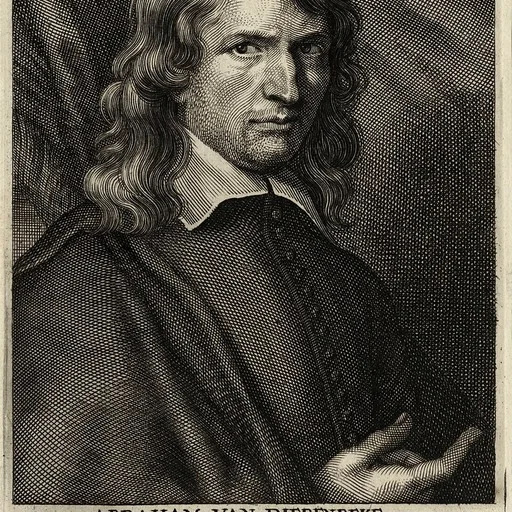
Abraham van Diepenbeeck (9 May 1596 (baptised) – between May and September 1675) was a Dutch painter, draftsman, glass painter, print maker and tapestry designer who worked most of his active career in Antwerp.

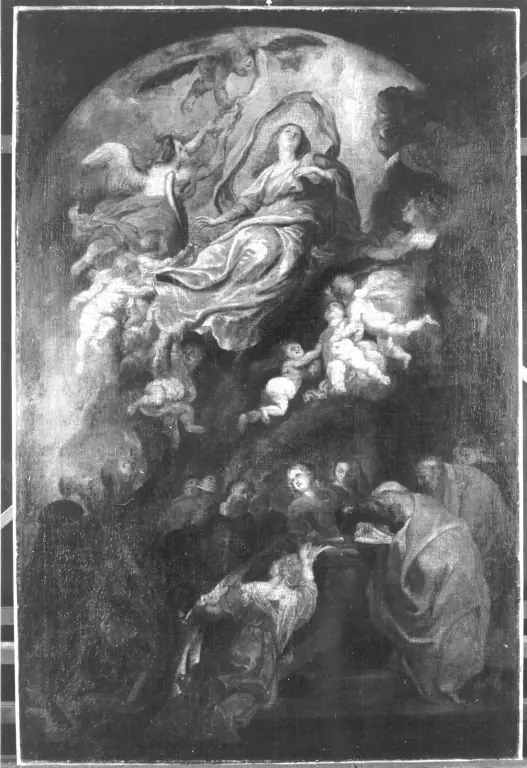 Himmelfahrt Mariae (Kopie nach)
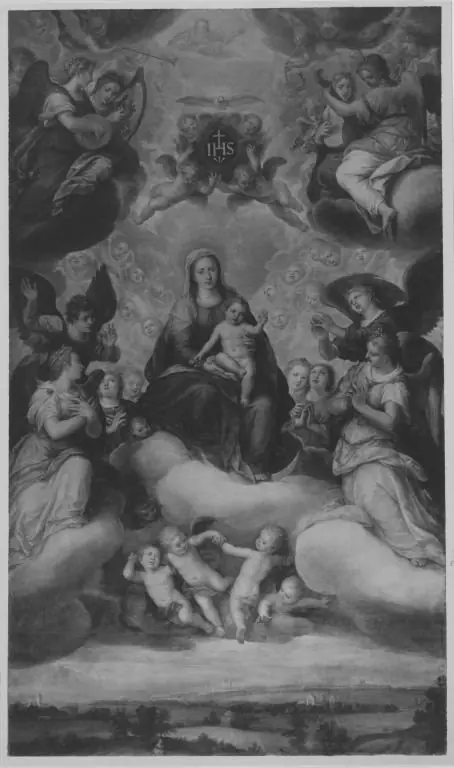 Maria in der Glorie
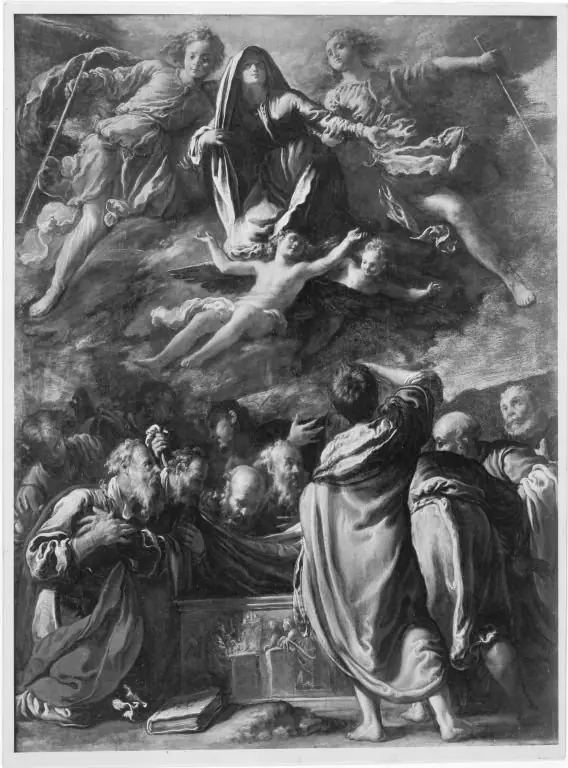 Himmelfahrt Mariä
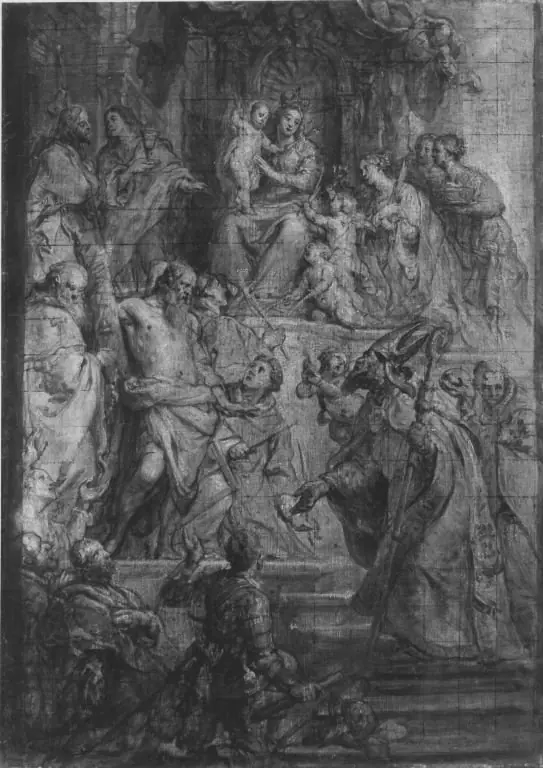 Verehrung Mariae durch Heilige
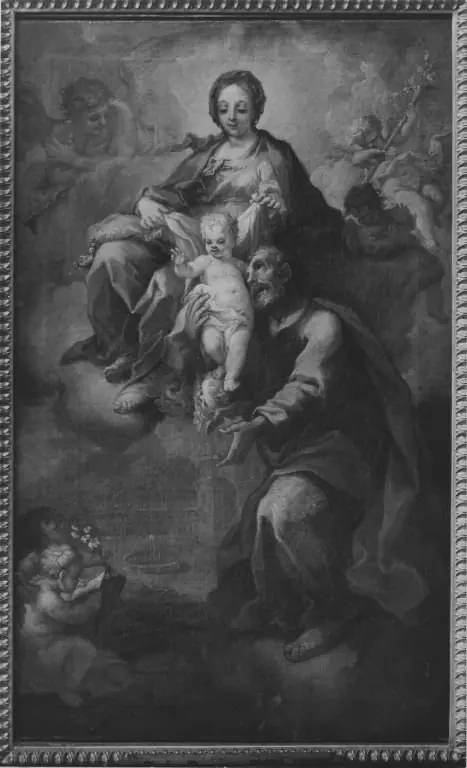 Madonna mit Josef
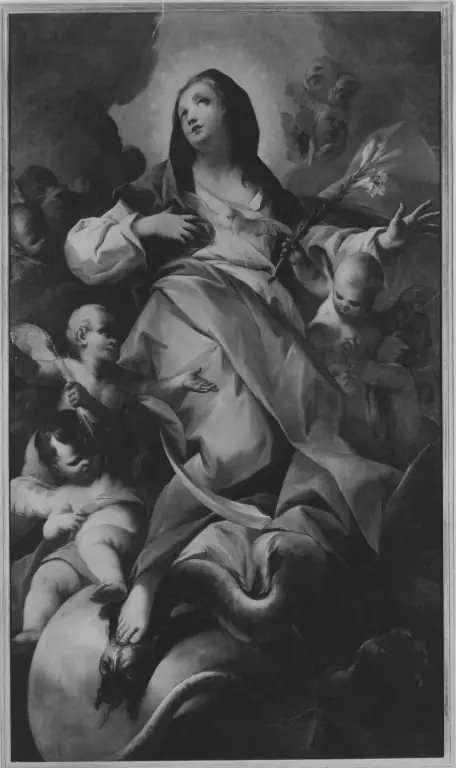 Unbefleckte Empfängnis
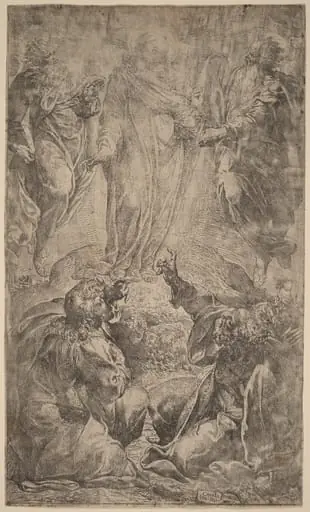 The Transfiguration
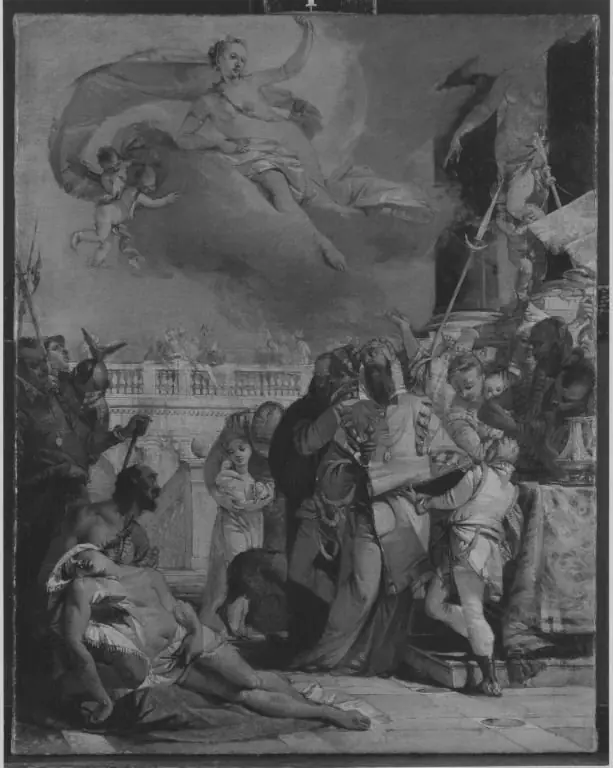 Opferung der Iphigenie
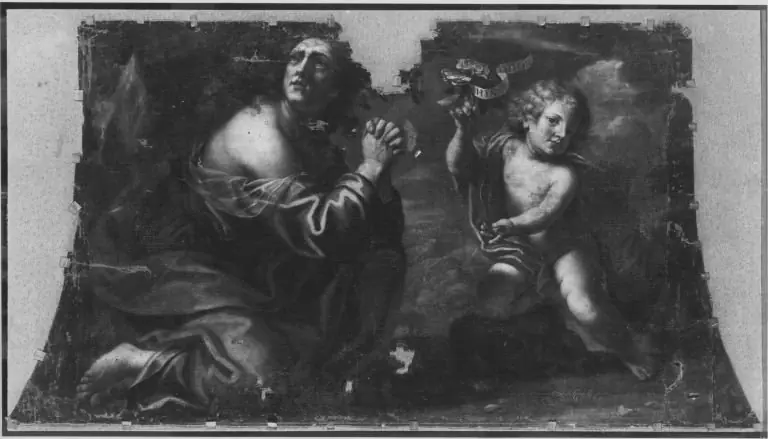 Allegorie auf die Geduld
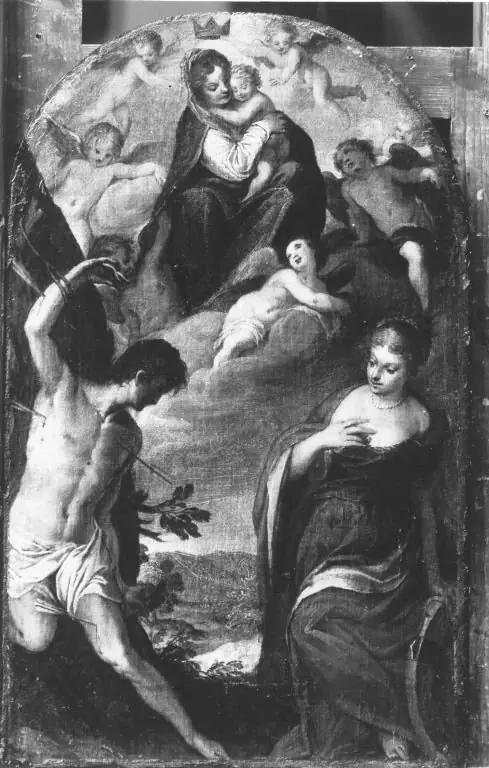 Maria mit Kind und den hll. Sebastian und Katharina (zugeschrieben)
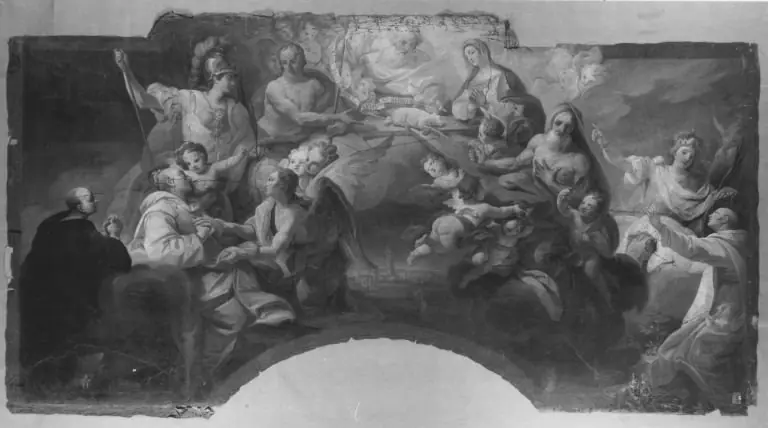 Verherrlichung des Lammes
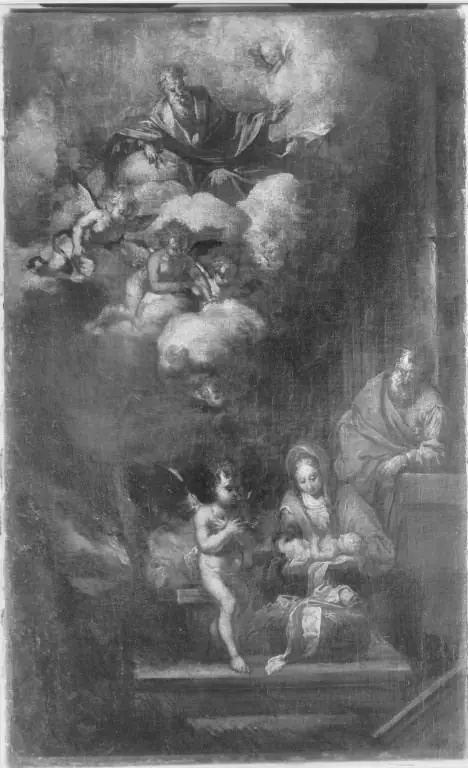 Geburt Christi (Art des)