Artwork
The Transfiguration
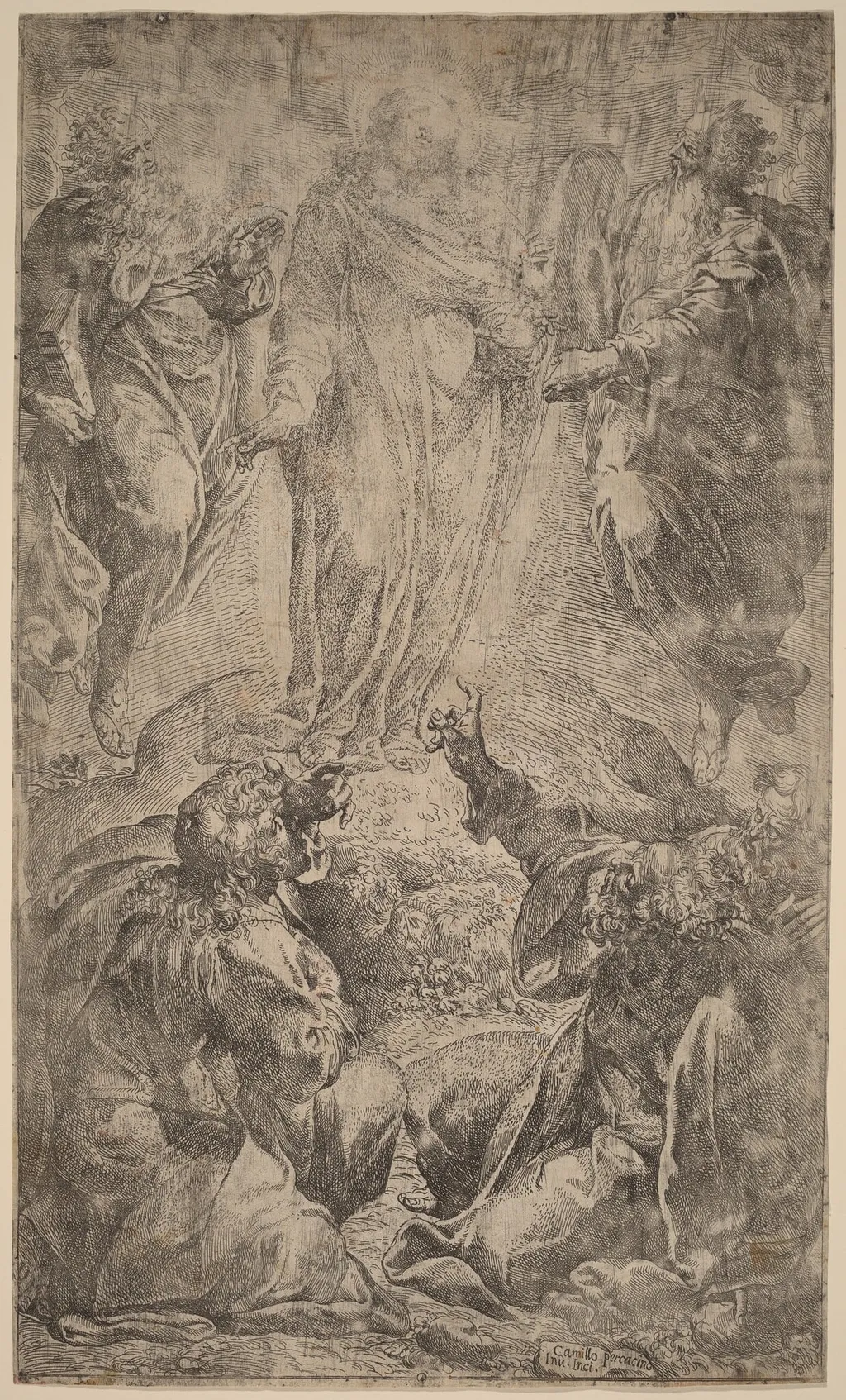
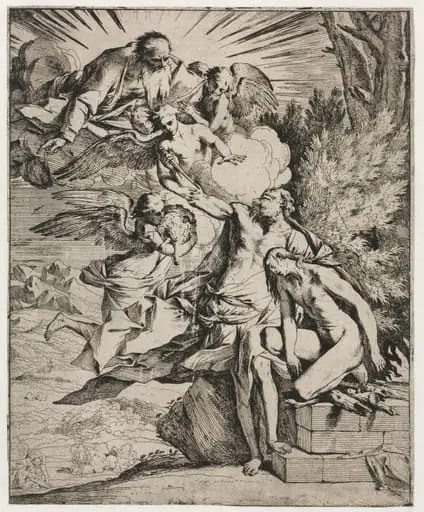
The Transfiguration is an ink print by the Renaissance artist Camillo Procaccini. It dates from 1590 and is held in the collection of the National Gallery of Art.
About this work
Overview
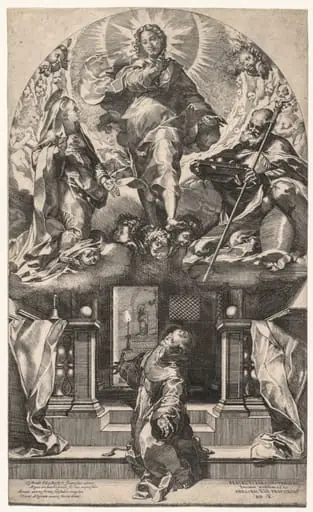
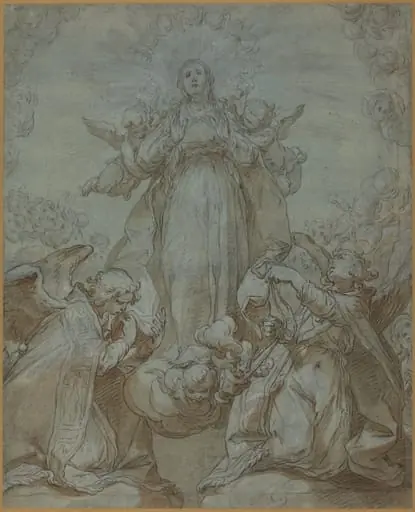
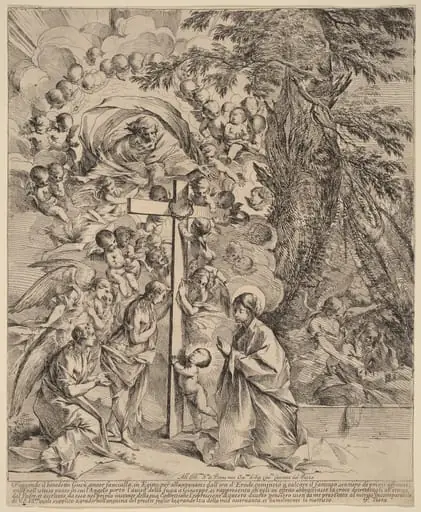
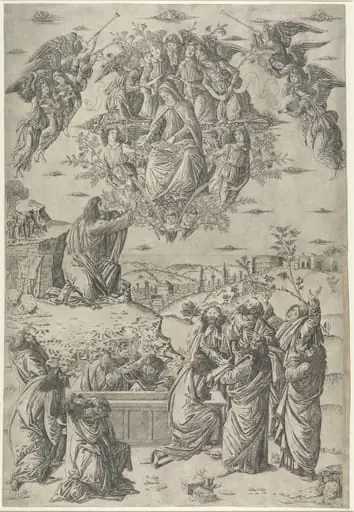
Camillo Procaccini’s etching titled The Transfiguration, executed around 1590, presents a tumultuous gathering of figures set against a craggy terrain. The composition is dominated by a cluster of bodies—some sprawled, others upright or kneeling—arranged in a dynamic, almost chaotic rhythm that guides the viewer’s eye across the scene.
Subject & Meaning
The work depicts a moment of intense spiritual or narrative upheaval, suggested by the dramatic postures and the stark, rugged landscape. The juxtaposition of fallen and upright figures evokes themes of transformation and divine intervention, inviting contemplation of human vulnerability amid a larger, perhaps sacred, event.
Technique & Style
Created through the etching process, Procaccini incised the design onto a metal plate, allowing acid to bite the lines and produce fine, sharp contours. The artist employed strong chiaroscuro shading to model the bodies, giving them a three‑dimensional presence, while swirling, energetic lines amplify the sense of movement and emotional tension.
History & Provenance
The print dates to the late sixteenth century, a period when etching was gaining prominence among Italian artists. Though specific ownership records are scarce, the work reflects Procaccini’s engagement with the medium during his early career, contributing to the broader diffusion of printmaking techniques in the post‑Renaissance era.
Artist & collection