Artwork
Joseph-Dominique Fabry Garat Playing a Lyre Guitar
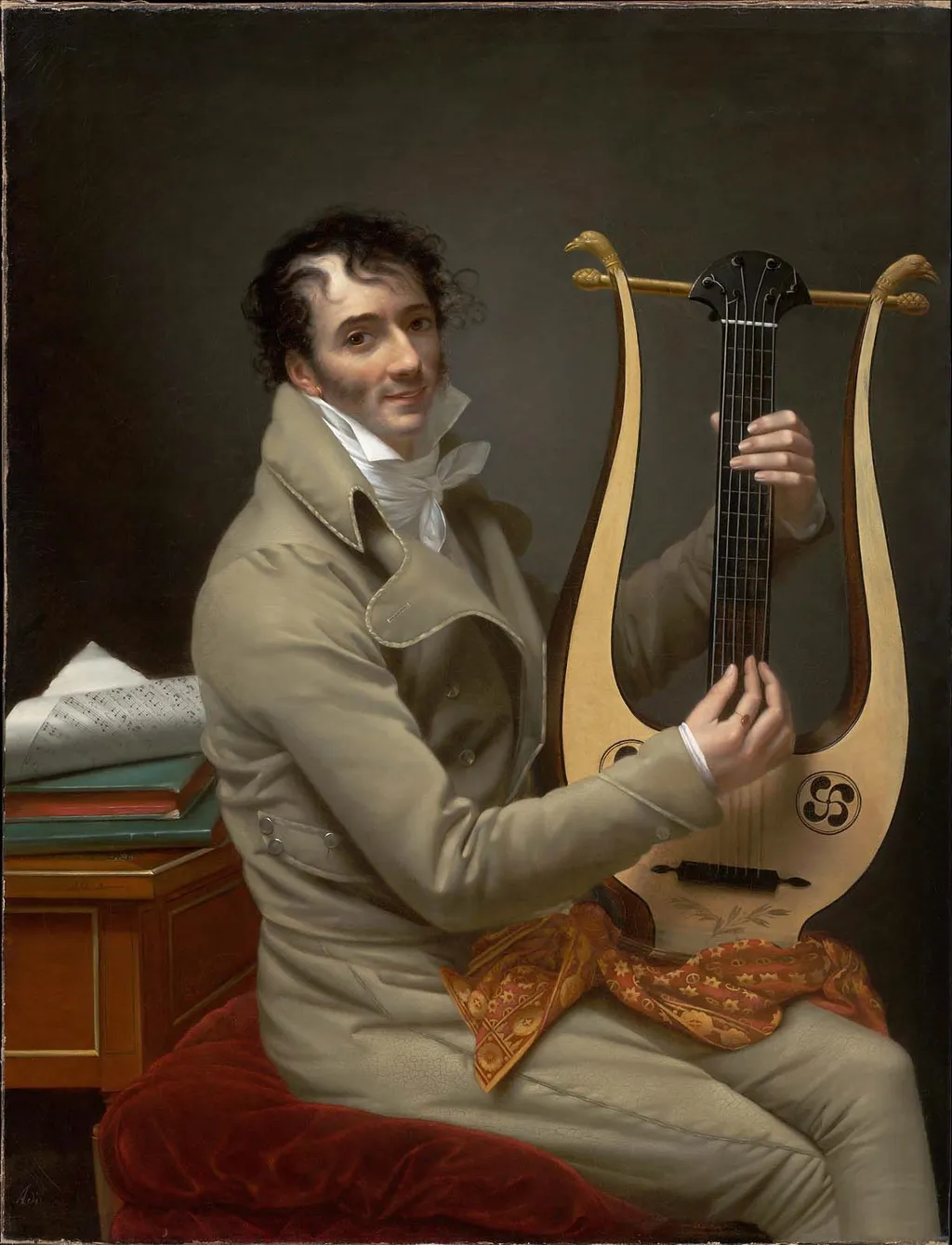
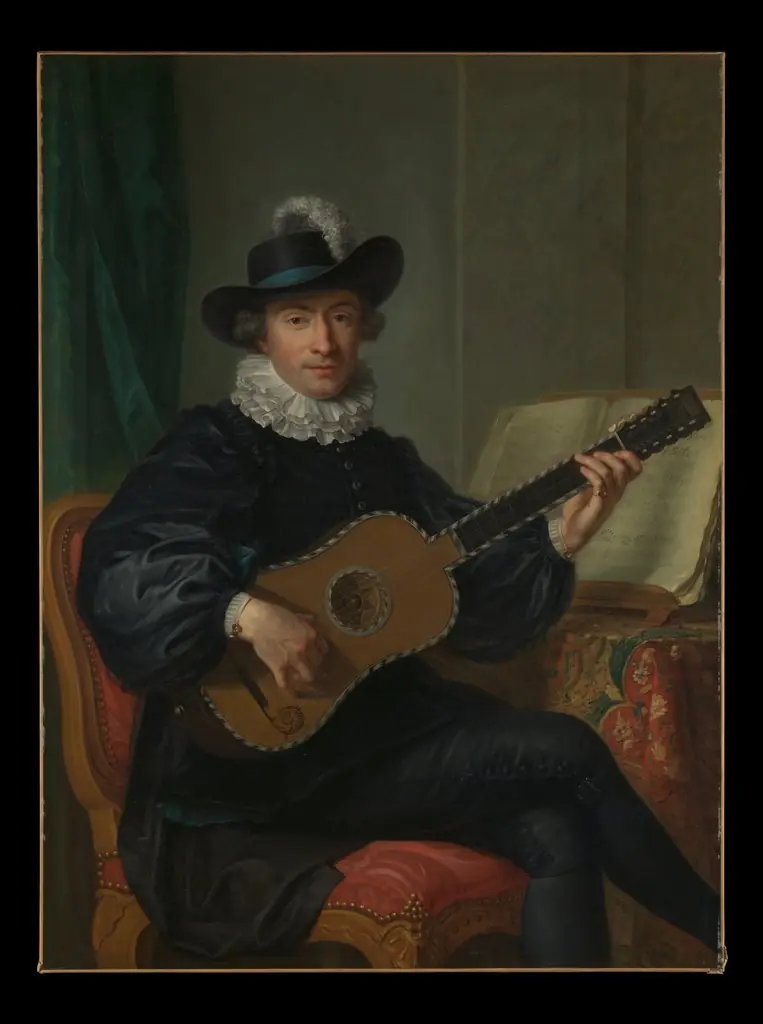
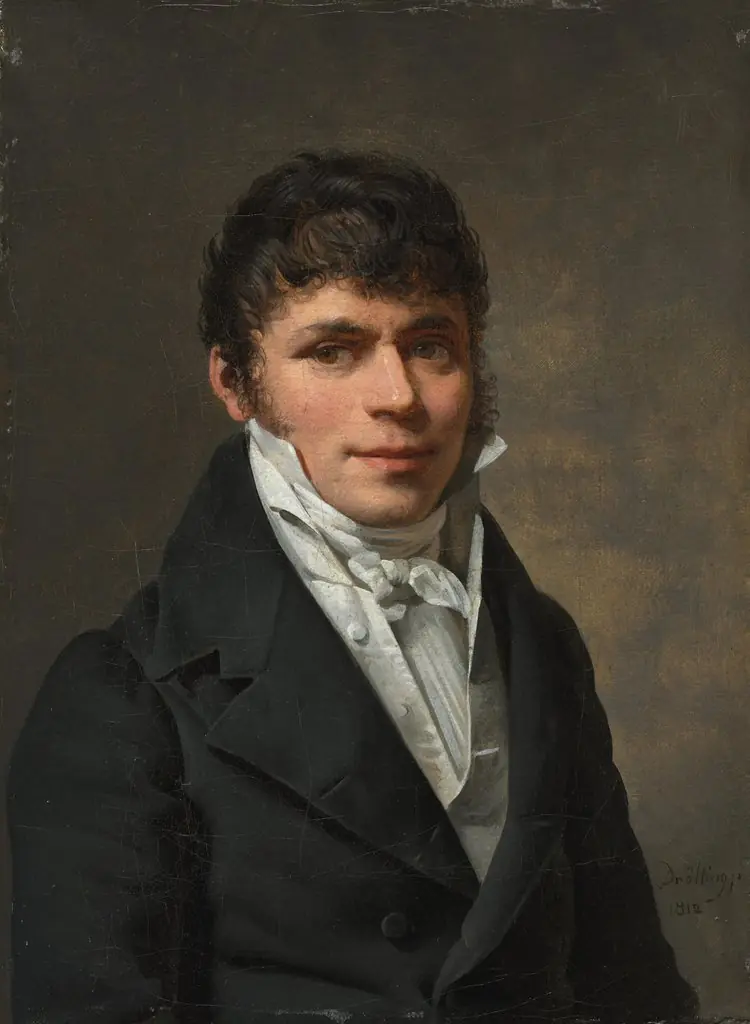
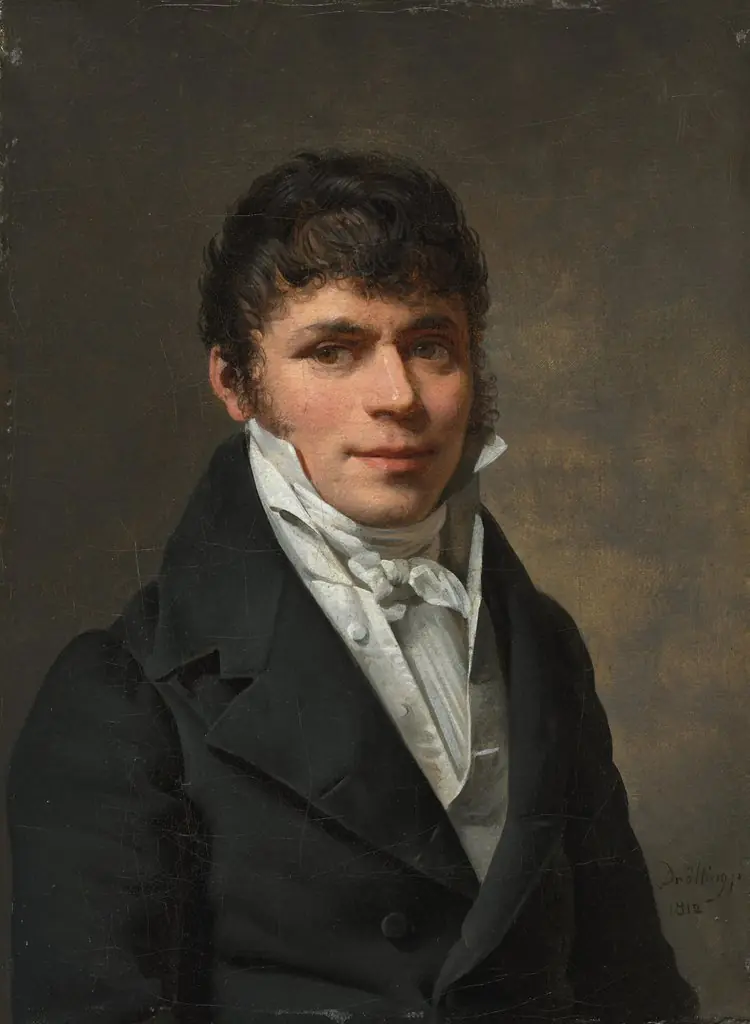
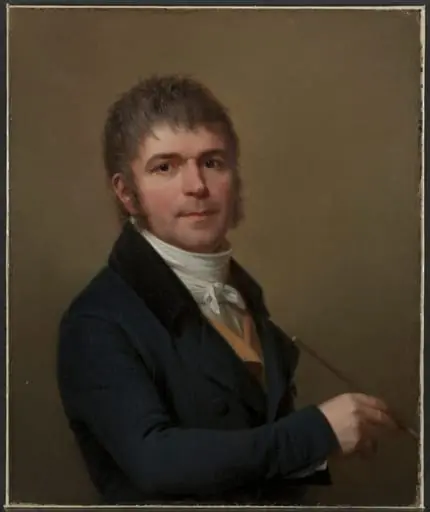
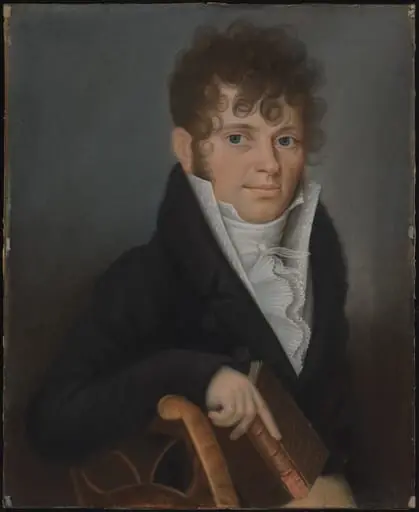
Joseph-Dominique Fabry Garat Playing a Lyre Guitar is an oil painting by Adèle Romany. It dates from 1808 and is held in the collection of the Museum of Fine Arts Boston.
About this work
The use of oil paint and the attention to detail in the subject's clothing and instrument also indicate a high level of craftsmanship.
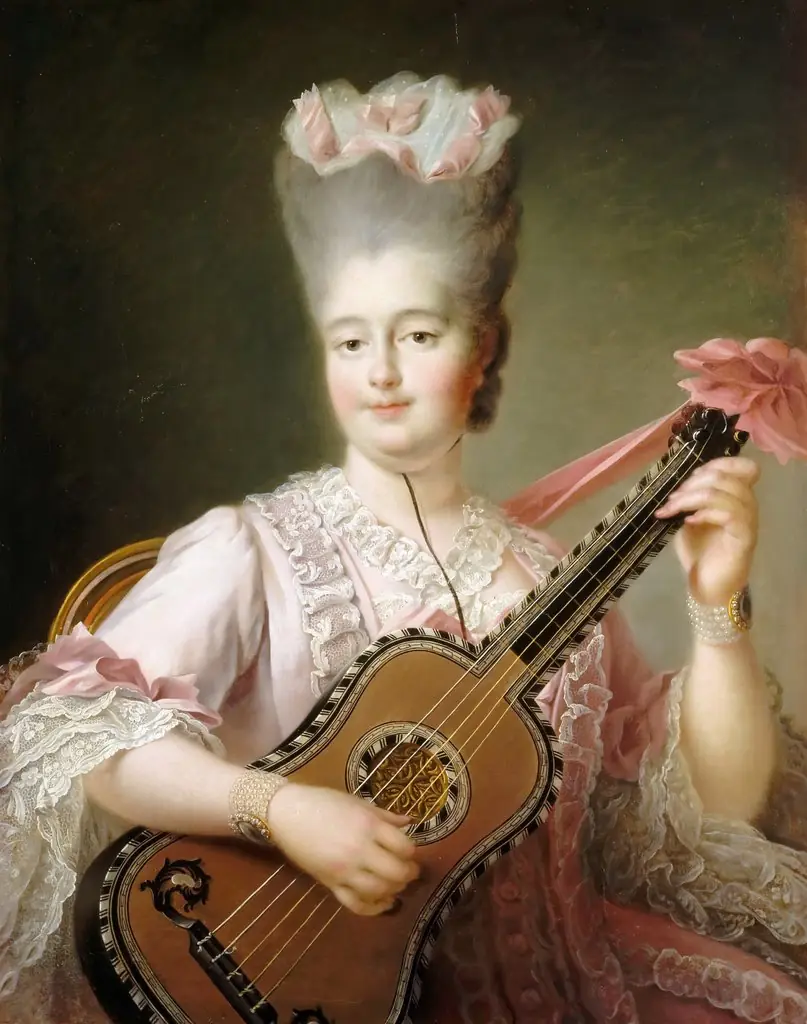
This painting depicts a man sitting on a red velvet cushion, holding a lyre guitar. He is dressed in a light-colored suit with a white shirt and a white cravat. The background is dark, and there are some books and papers on a table to his left.
The man's attire and hairstyle suggest that the painting was created in the early 19th century. The use of oil paint and the attention to detail in the subject's clothing and instrument also indicate a high level of craftsmanship.
If you're interested in learning more about the artist who created this piece, you might want to look up Adèle Romany.
Overview
Painted in 1808 by Adèle Romany, this oil portrait captures Joseph-Dominique Fabry Garat, a French musician and composer, seated with a lyre guitar. The work is part of the Museum of Fine Arts, Boston’s collection. Rendered with careful attention to texture and form, the painting reflects the refined tastes of early 19th-century French artistic culture, emphasizing personal identity through domestic and musical symbolism.
Subject & Meaning
Fabry Garat is portrayed as a cultivated gentleman engaged in music, a signifier of intellectual and artistic refinement. The lyre guitar, a popular instrument of the era, underscores his role as a performer. Books and papers on the table suggest scholarly interests, reinforcing his identity as both artist and intellectual. The intimate setting conveys private contemplation rather than public performance, aligning with Romantic ideals of individual expression.
Technique & Style
Romany employed oil paint to achieve subtle gradations of light and fabric texture, particularly in the white cravat and light-colored suit. The dark background isolates the figure, directing focus to his posture and instrument. The lyre guitar is rendered with precise detail, indicating familiarity with its structure. Soft modeling and restrained palette reflect Neoclassical influences, while the composition’s intimacy hints at emerging Romantic sensibilities.
History & Provenance
Commissioned during Fabry Garat’s active years in Parisian musical circles, the portrait likely served as a personal keepsake or gift. Adèle Romany, known for portraits of artists and intellectuals, was a respected female painter in a male-dominated field. The work entered the Museum of Fine Arts, Boston’s collection in the 20th century, preserving its historical and cultural significance beyond its original context.
Context
In post-revolutionary France, music and literature were central to bourgeois identity. The lyre guitar, a hybrid instrument blending classical and folk traditions, symbolized this cultural synthesis. Portraits like this one documented the rise of amateur musicianship among the educated elite. Romany’s depiction aligns with a broader trend of portraying artists not as celebrities, but as thoughtful individuals within their domestic environments.
Legacy
The portrait remains a quiet testament to the role of women artists in documenting cultural life during the Napoleonic era. Romany’s work, though less widely known today, contributed to the visual record of French artistic circles. Fabry Garat’s image endures not as a public monument, but as a personal artifact, offering insight into the private lives of early 19th-century musicians and their patrons.
Own this work as a print
Artist & collection