Artwork
Nicolas Louis Faret
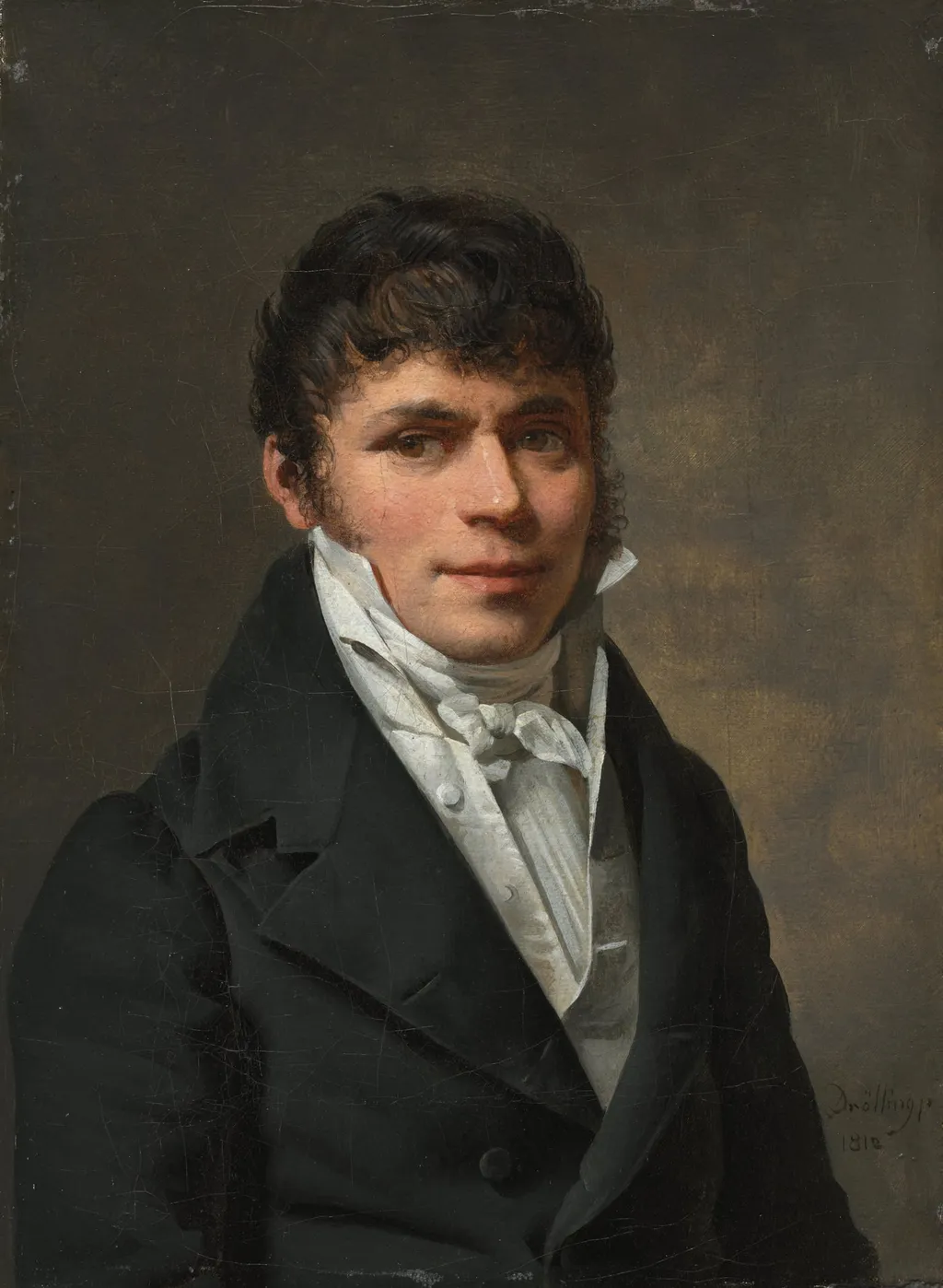
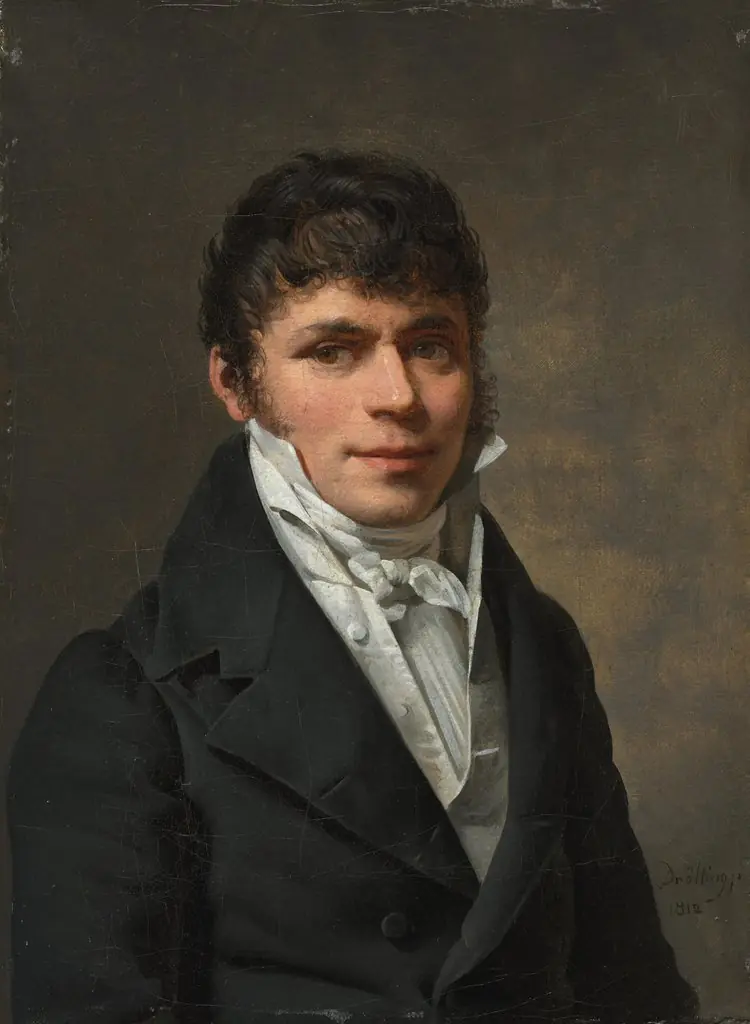
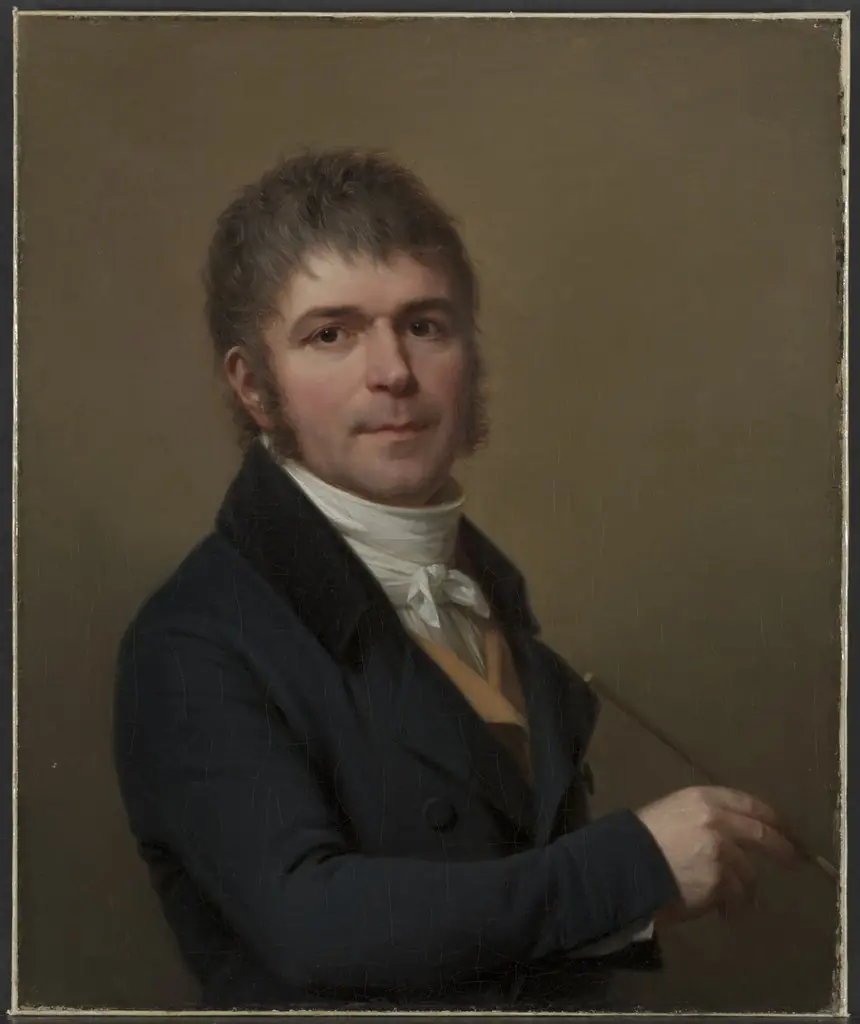
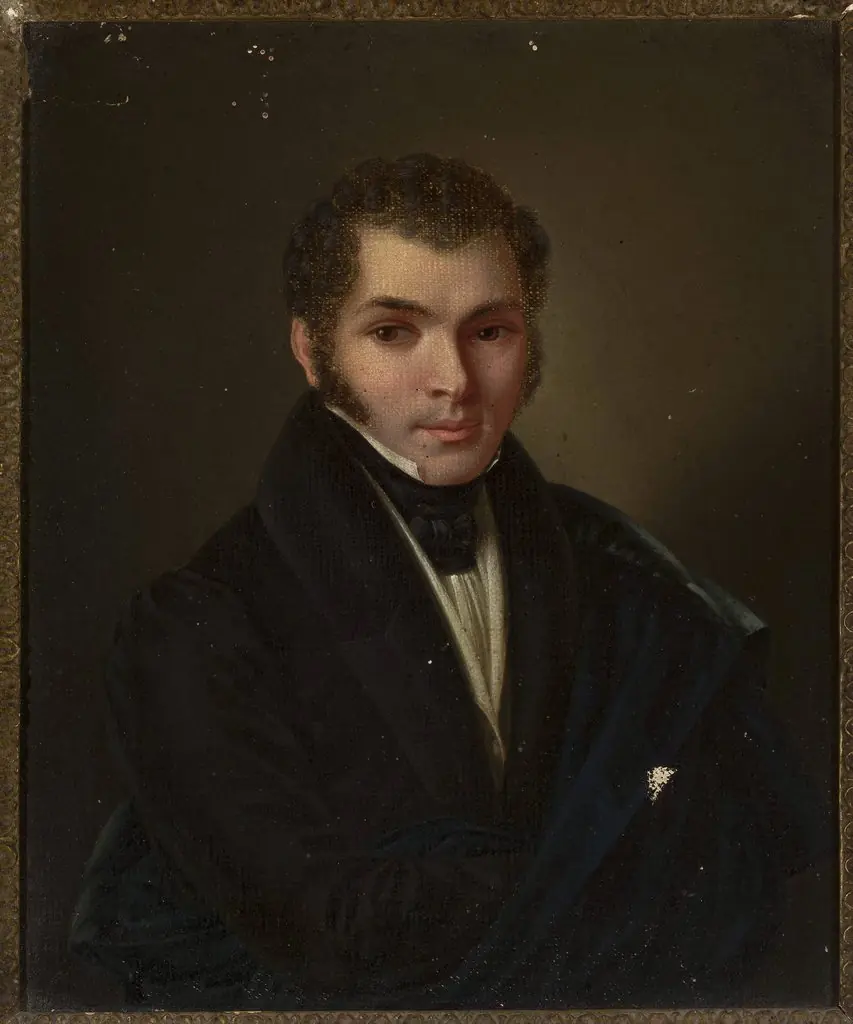
Nicolas Louis Faret is an unspecified painting by the French Romanticist artist Martin Drolling. It dates from 1812 and is held in the collection of the Cleveland Museum of Art.
About this work
The artist's use of dark colors and dramatic lighting adds to the overall sense of formality and gravity.
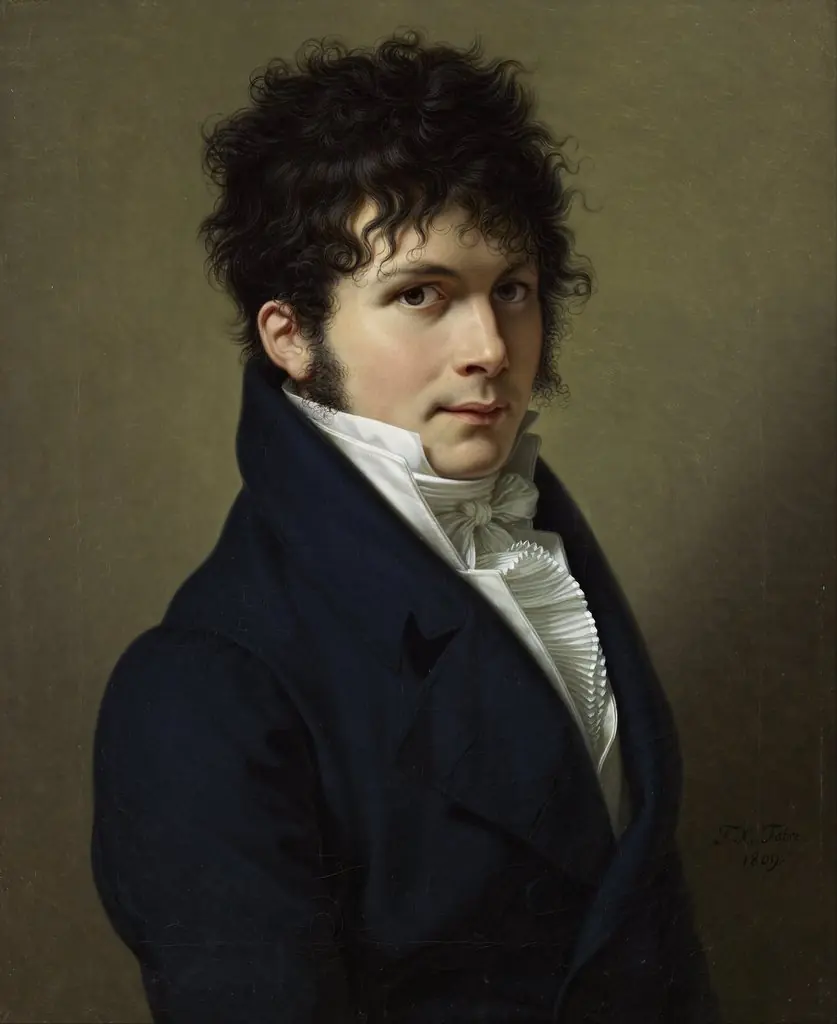
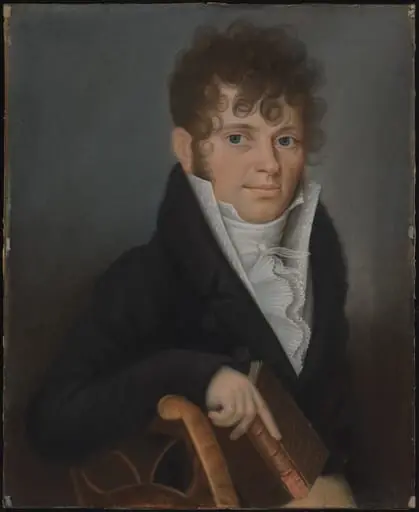
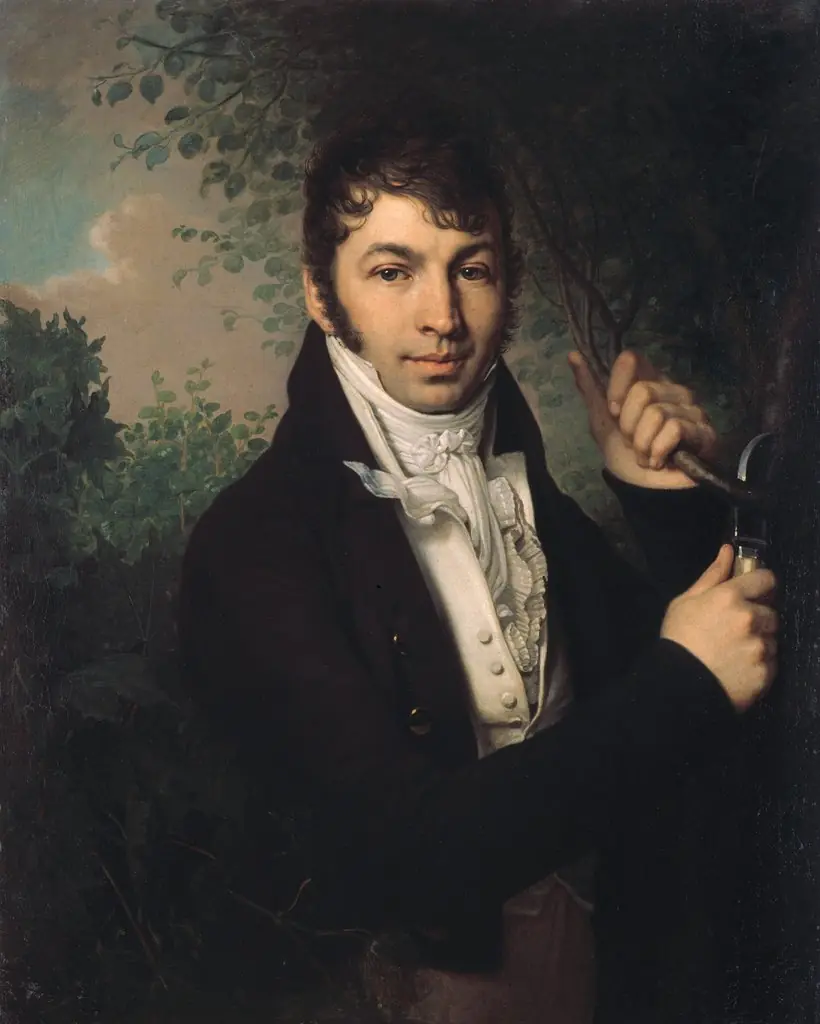
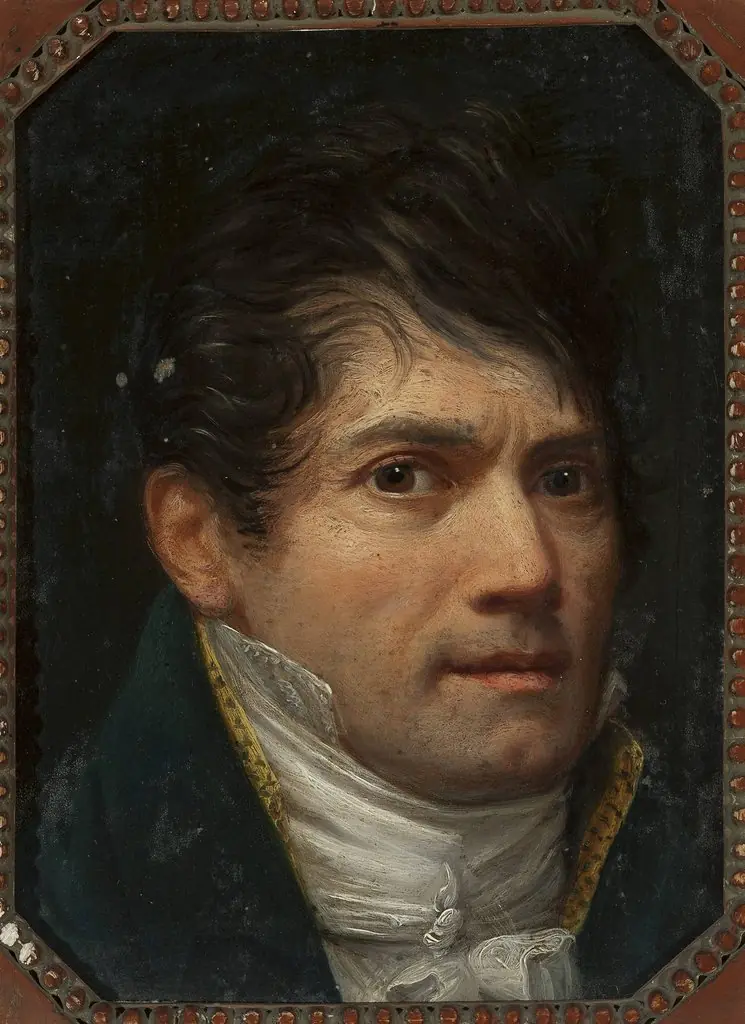
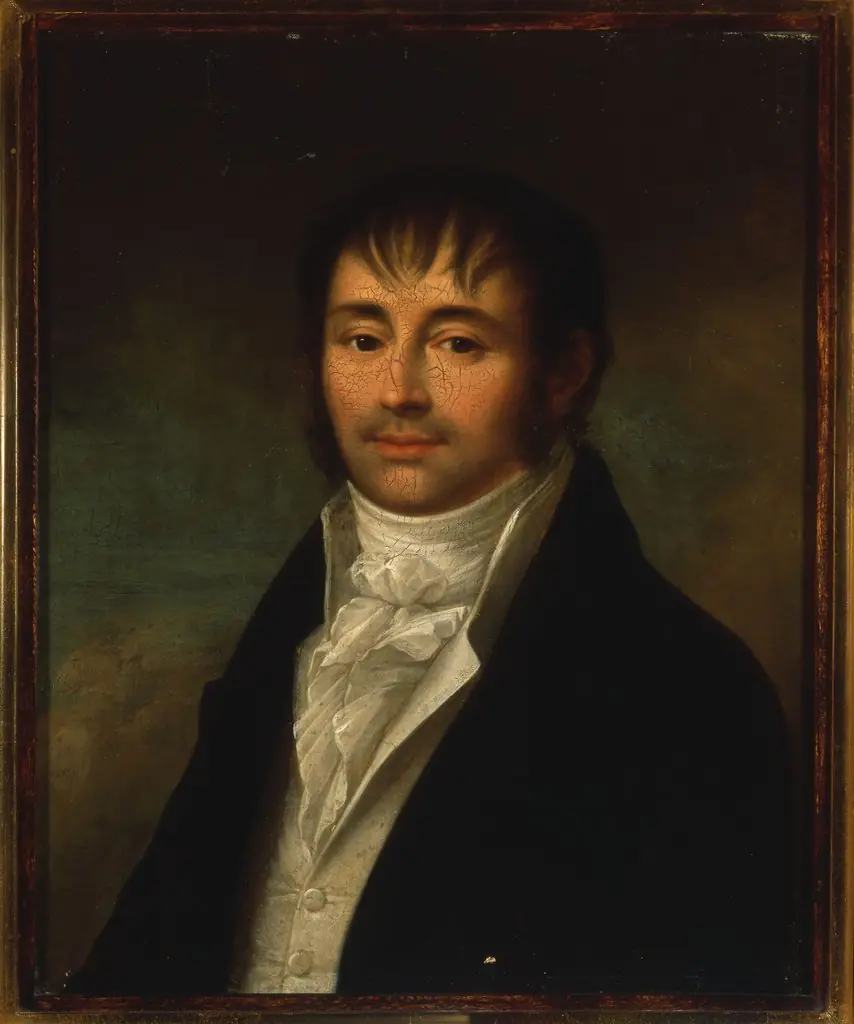
This painting is a portrait of a man with dark, curly hair and a serious expression. He is wearing a black coat over a white shirt with a high collar and a white cravat. The background is a dark, muted color.
The man's attire and hairstyle suggest that the painting was created in the early 19th century. The artist's use of dark colors and dramatic lighting adds to the overall sense of formality and gravity.
The artist, Martin Drölling, was a French painter who worked during the Romantic period. This painting is held at The Cleveland Museum of Art.
Overview
Martin Drölling painted Nicolas Louis Faret in 1812, capturing a French intellectual in a restrained, intimate setting. The work reflects the transitional tone of early 19th-century French portraiture, blending classical composure with the emotional gravity characteristic of Romantic sensibilities. Drölling, known primarily as a portraitist in Paris, rendered Faret with careful attention to texture and posture, avoiding theatricality in favor of quiet dignity.
Subject & Meaning
Nicolas Louis Faret, a lesser-known figure of the French Enlightenment, is portrayed with solemnity, his dark eyes and tightly furrowed brow suggesting contemplation. His attire—a black coat, white cravat, and high collar—signals professional status and adherence to bourgeois norms of the era. The absence of symbolic objects or elaborate surroundings directs focus to the subject’s inner presence, emphasizing character over circumstance.
Technique & Style
Drölling employed a muted palette dominated by deep browns and blacks, with subtle contrasts in the white of the shirt and cravat to define form. Lighting is directional but not dramatic, casting soft shadows that model the face and fabric without theatrical emphasis. Brushwork is precise yet unobtrusive, favoring clarity over expressive gesture, aligning with the period’s shift from Neoclassical restraint toward Romantic introspection.
History & Provenance
The portrait remained in private collections in France before entering the Cleveland Museum of Art’s holdings. Its provenance is documented through early 20th-century acquisition records, though little is known of its immediate post-painting history. Drölling’s reputation as a portraitist of Parisian elites helped preserve such works, though few of his paintings entered major public collections until later.
Context
Painted during the Bourbon Restoration, the portrait reflects a cultural moment when French society sought stability after revolutionary upheaval. Portraiture of this era often emphasized moral seriousness and personal dignity, distancing itself from the flamboyance of the ancien régime. Faret’s depiction aligns with this trend, presenting intellect and restraint as virtues in a reordering social order.
Legacy
Though Martin Drölling is not widely remembered today, his portrait of Faret stands as a representative example of French domestic portraiture from the early Romantic period. It contributes to the understanding of how private identity was visually constructed in post-revolutionary France, offering insight into the quiet dignity valued by the educated middle class during a time of political and cultural recalibration.
Own this work as a print
Artist & collection
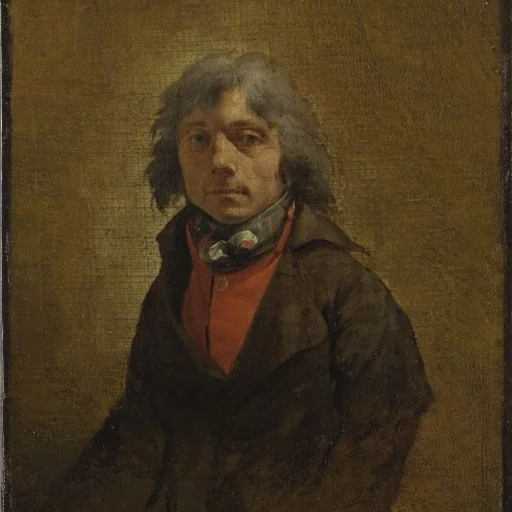
Artist
Martin Drolling, or Drolling the Elder (Oberhergheim, 19 September 1752 – Paris, 16 April 1817), was a French painter.