Artwork
Adolph Friedrich Theodor Gritzner
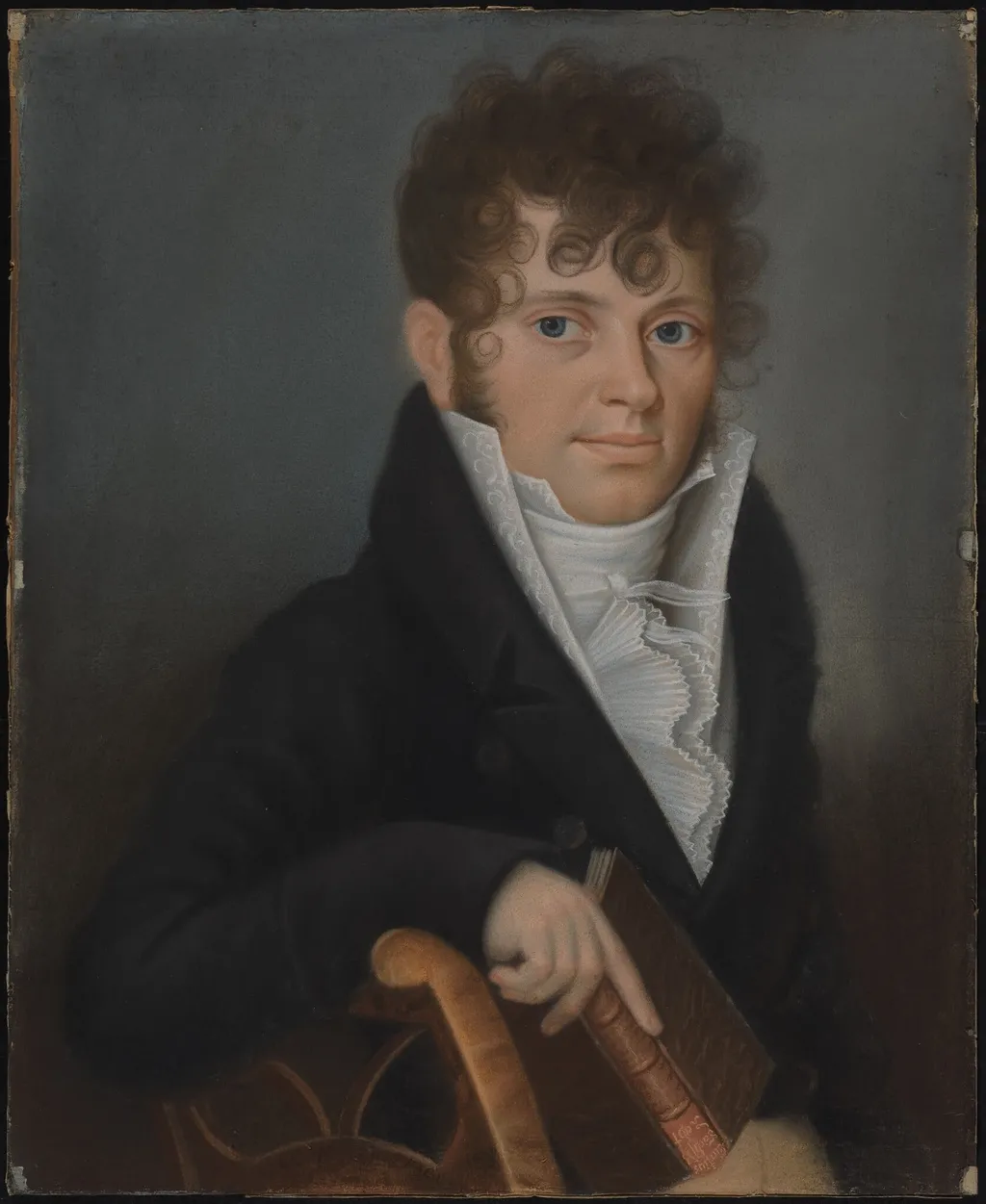
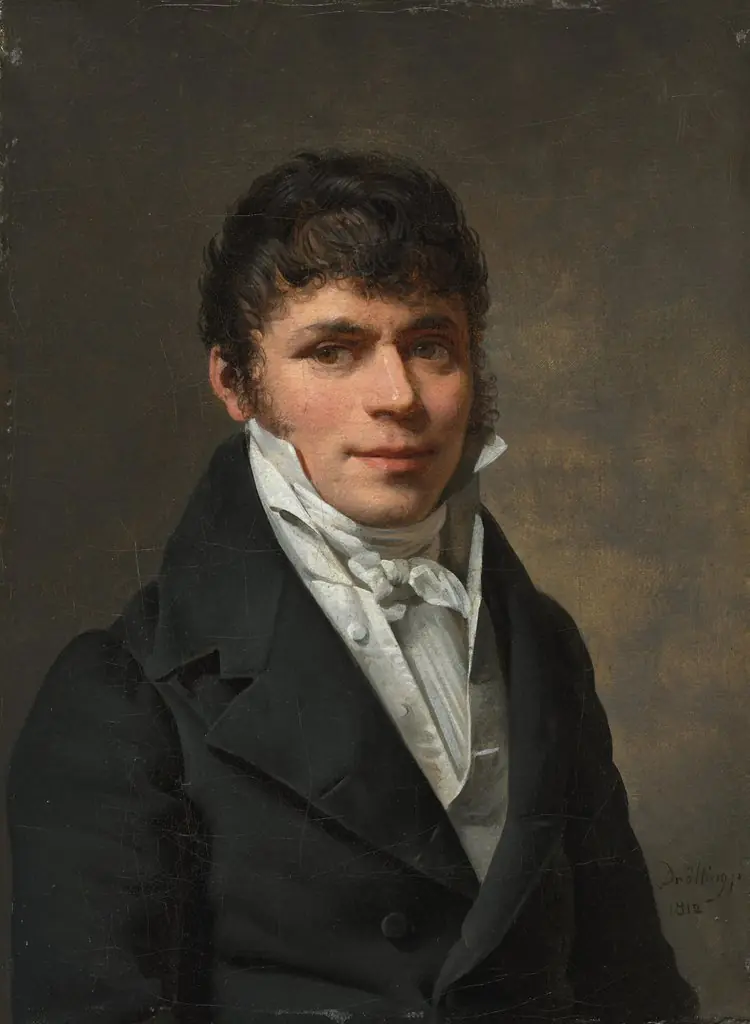
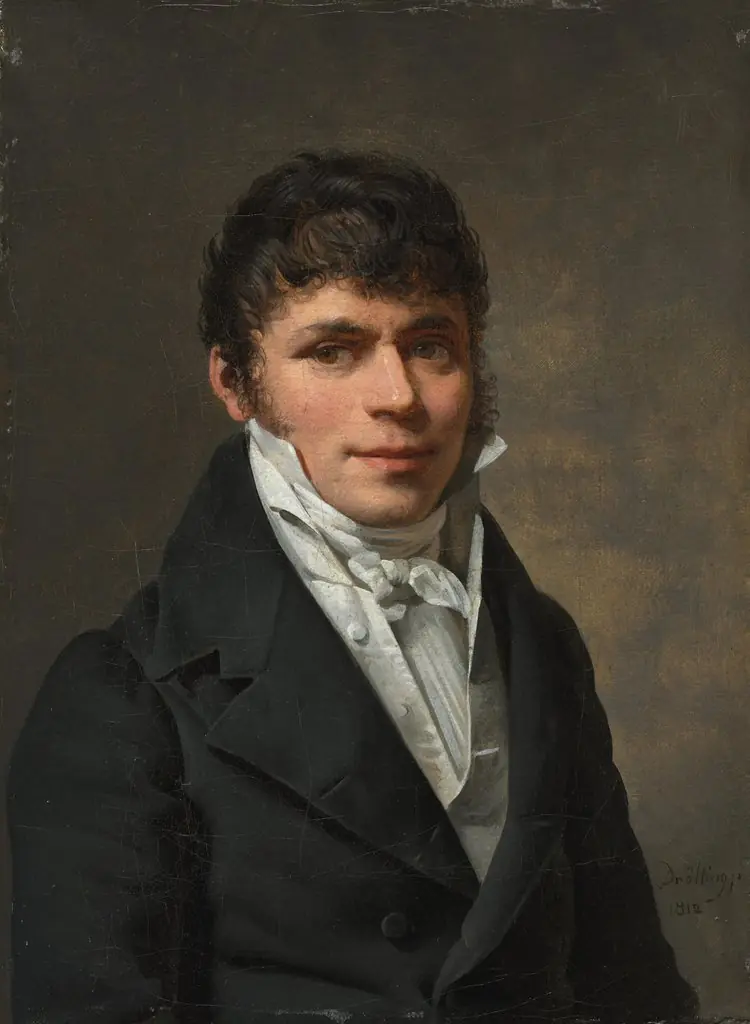
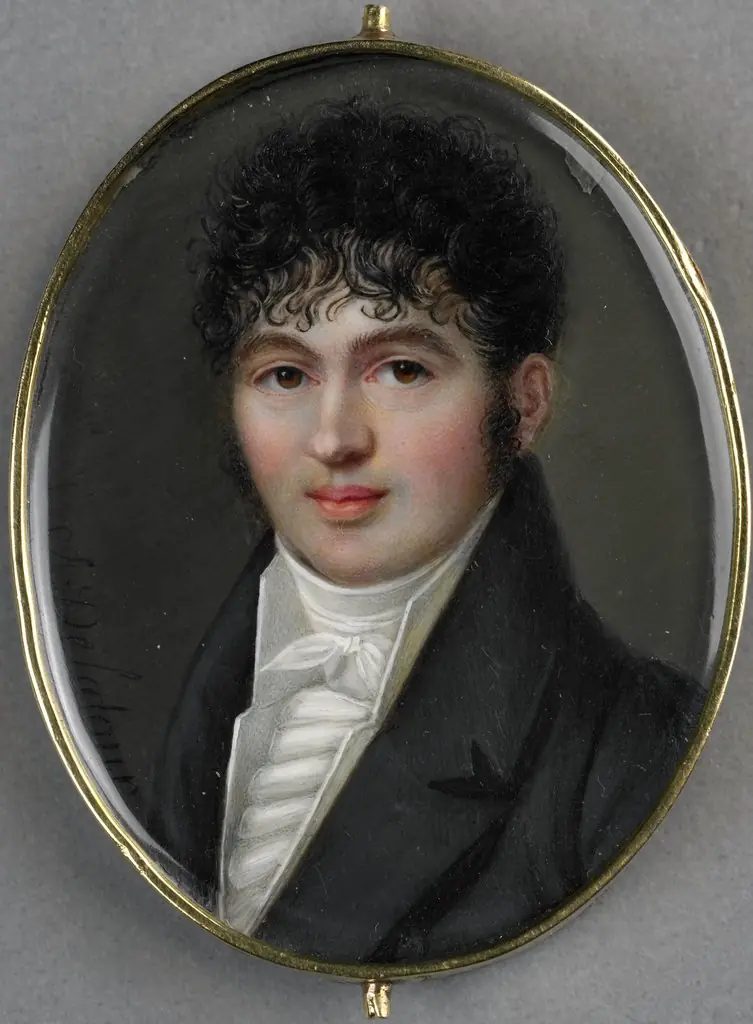
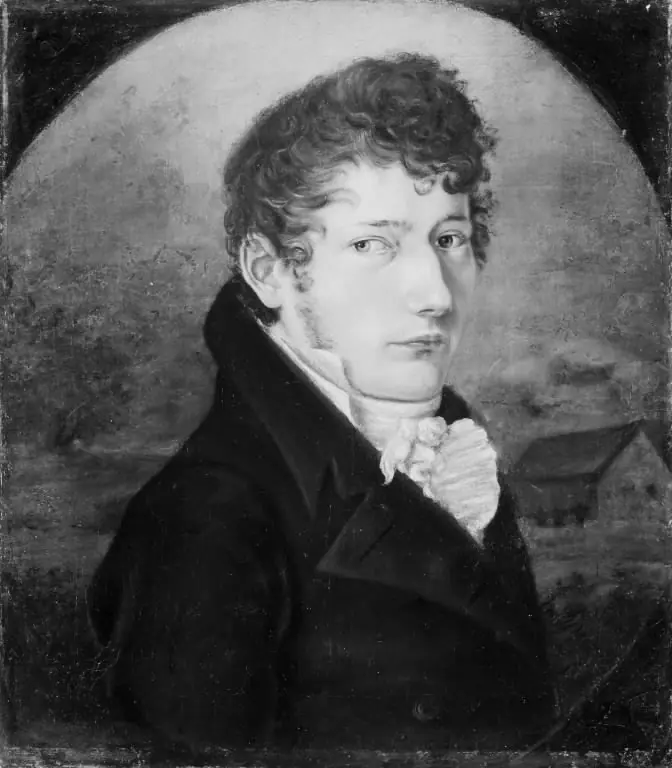
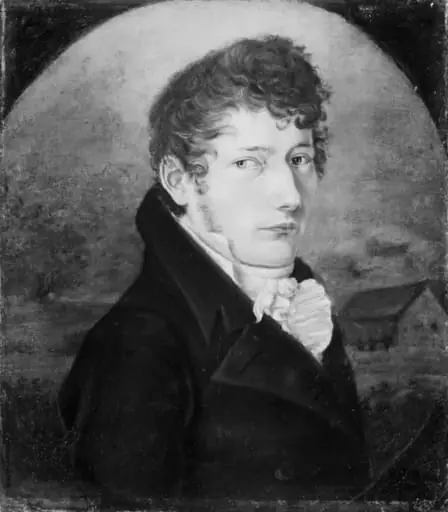
Adolph Friedrich Theodor Gritzner is a pastel drawing by the Romanticist artist Friedrich Christian Krieger. It dates from 1809 and is held in the collection of the National Gallery of Art.
About this work
Overview
The use of pastel on colored paper reflects a refined approach to capturing likeness without the opacity of oil paint, emphasizing subtlety and texture.
This drawing, executed in pastel on blue laid paper, depicts Adolph Friedrich Theodor Gritzner, a German scholar and educator. Created in 1809 by Friedrich Christian Krieger, it belongs to the tradition of intimate portraiture favored in early 19th-century Germany. The use of pastel on colored paper reflects a refined approach to capturing likeness without the opacity of oil paint, emphasizing subtlety and texture.
Subject & Meaning
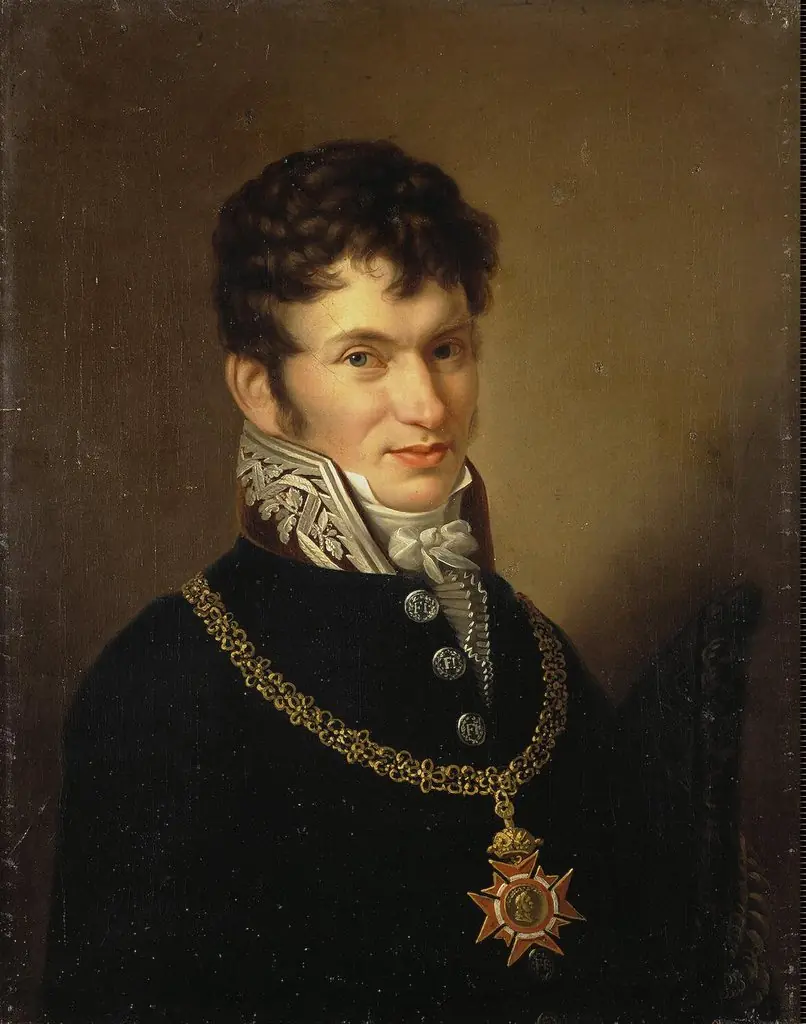
Gritzner is portrayed as a contemplative intellectual, his gaze direct and composed. His dark coat and crisp white cravat suggest formal attire appropriate for a man of learning, while his hand resting on a book or document implies scholarly engagement. The absence of decorative elements or symbolic objects focuses attention on his presence, conveying dignity through restraint rather than display.
Technique & Style
Krieger employed soft pastel strokes to model Gritzner’s features with delicate gradations of tone. The blue paper underlayer enhances the coolness of the skin tones and shadows, creating a subdued, atmospheric effect. The medium’s inherent softness allows for seamless blending, avoiding harsh lines while preserving the texture of hair and fabric, characteristic of skilled pastel work in the Romantic era.
History & Provenance
The work was completed in 1809 during Krieger’s active period as a portraitist in Saxony. It remained within private German collections until entering a public institution’s holdings in the 20th century. Documentation confirms its attribution to Krieger and identifies Gritzner as a known figure in educational reform circles, lending historical context to the portrait’s commission.
Context
In early 19th-century Germany, pastel portraiture was valued for its immediacy and sensitivity, often used for academic or civic figures. Gritzner’s depiction aligns with a broader cultural emphasis on education and moral character. The quiet intensity of the image reflects Enlightenment ideals of rationality and self-possession, even as Romantic sensibilities shaped its emotional tone.
Legacy
The portrait endures as an example of how pastel could achieve psychological depth without grandeur. It contributes to the understanding of Krieger’s role in documenting regional intellectual life. While not widely reproduced, it remains a significant reference for studies of German portraiture and the use of colored paper in 19th-century drawing practices.
Artist & collection