Artwork
Italian cemetery with a shepherd and cattle
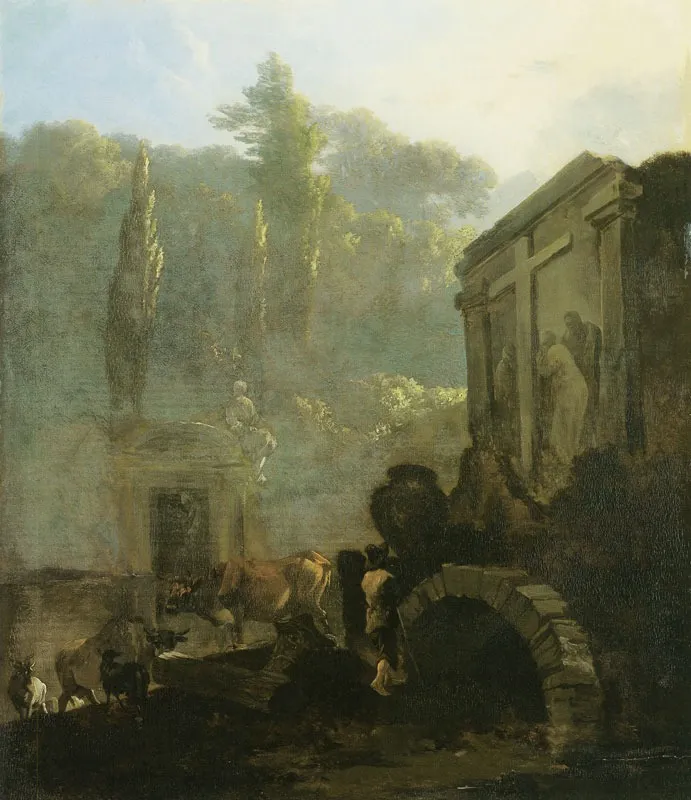
Italian cemetery with a shepherd and cattle is an oil painting by the Dutch Golden Age artist Adam Pynacker. It dates from 1665 and is held in the collection of the Städel Museum.
About this work
Overview
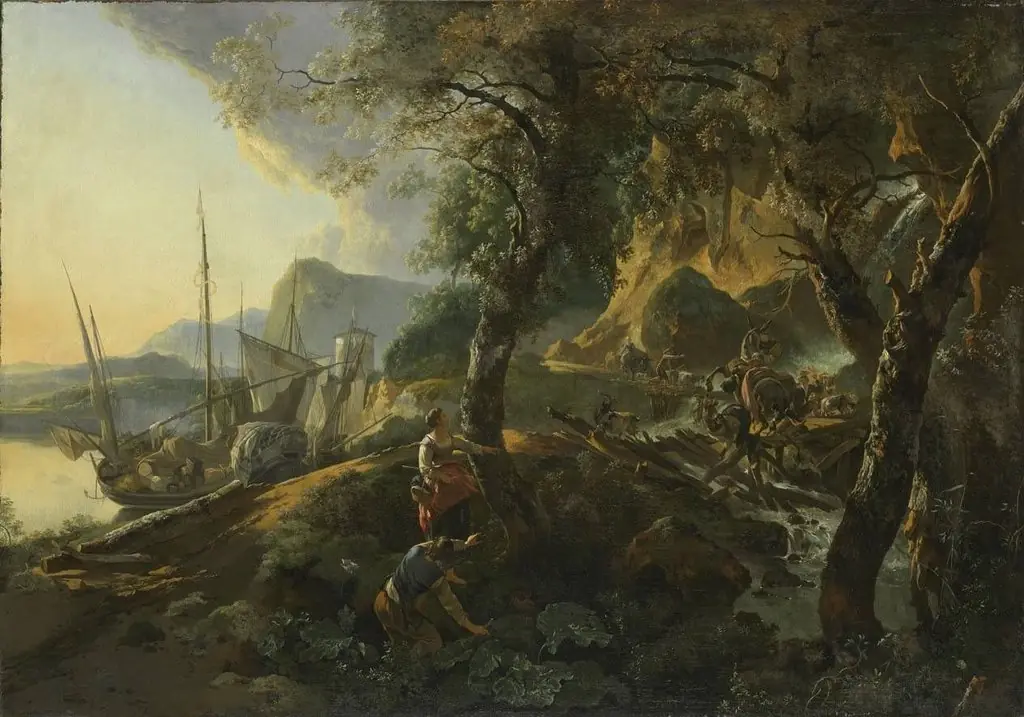
Created in 1665 by Dutch painter Adam Pynacker, this oil on canvas presents a tranquil countryside tableau. The composition integrates a modest burial ground, a lone shepherd, and a herd of cattle, arranged within a gently rolling landscape that reflects the artist’s interest in serene, pastoral settings.
Subject & Meaning
The scene juxtaposes the solemnity of a cemetery with the everyday activity of pastoral life, suggesting a contemplation of mortality amid the continuity of nature. The shepherd, positioned as a caretaker of the herd, underscores themes of guidance and stewardship within a setting where life and death coexist.
Technique & Style
Pynacker employs the clear, luminous palette typical of Dutch Golden Age landscape painting, rendering light that bathes the fields and tombstones alike. His brushwork balances detailed rendering of the cattle and tombstones with broader, atmospheric treatment of sky and terrain, creating depth and a sense of calm.
History & Provenance
Since its completion, the work has remained within the Dutch artistic tradition before entering the collection of the Städel Museum in Frankfurt. The museum’s acquisition places the painting among other 17th‑century Dutch works, allowing comparative study of Pynacker’s approach to rural narrative.
Artist & collection
Artist
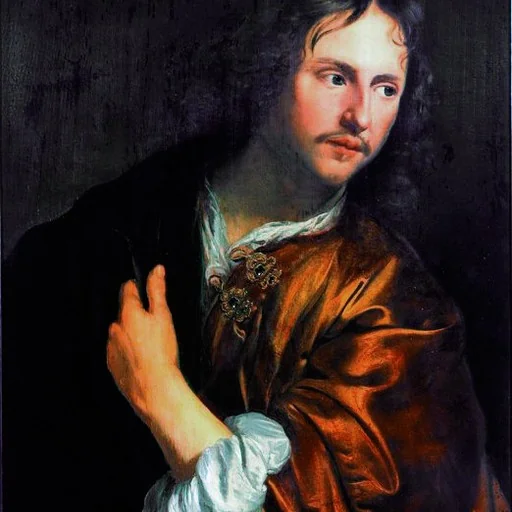
Adam Christiaensz Pynacker or Pijnacker (15 February 1622, Schiedam - buried 28 March 1673, Amsterdam ) was a Dutch Golden Age painter, mostly of landscapes.

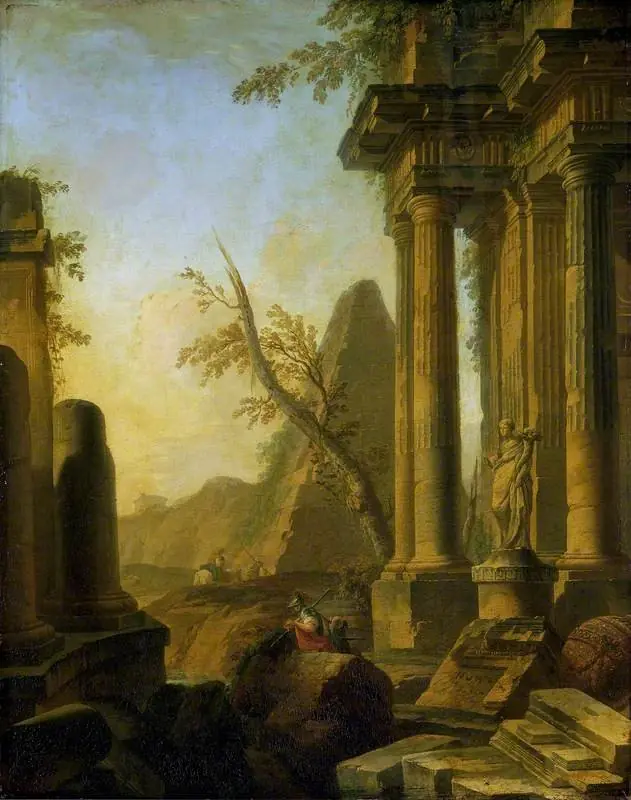 Classical Ruins with Soldiers
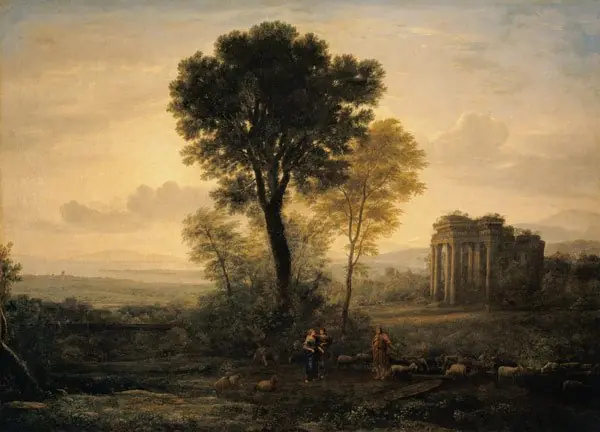 Landscape with Jacob, Rachel and Leah at the Well (Morning)
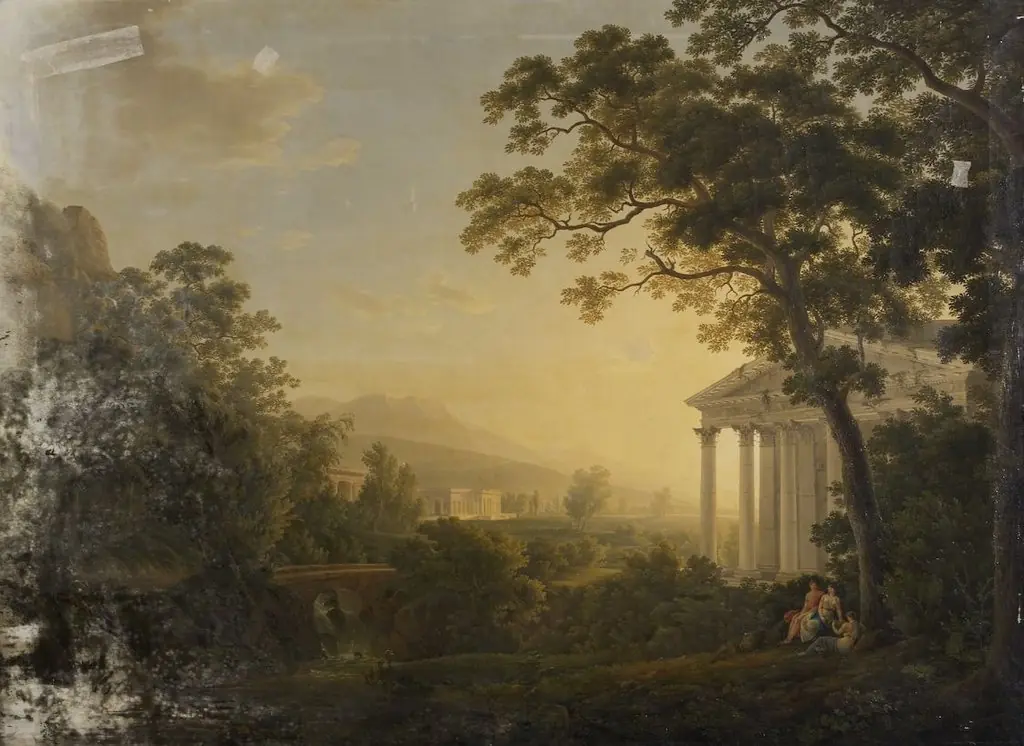 Ideal Landscape with Temple Buildings
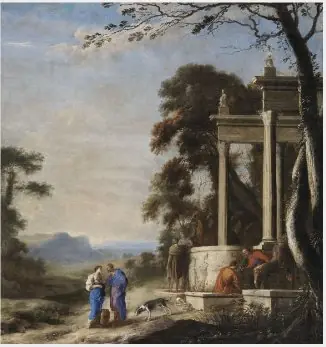 Rebecca at the Well
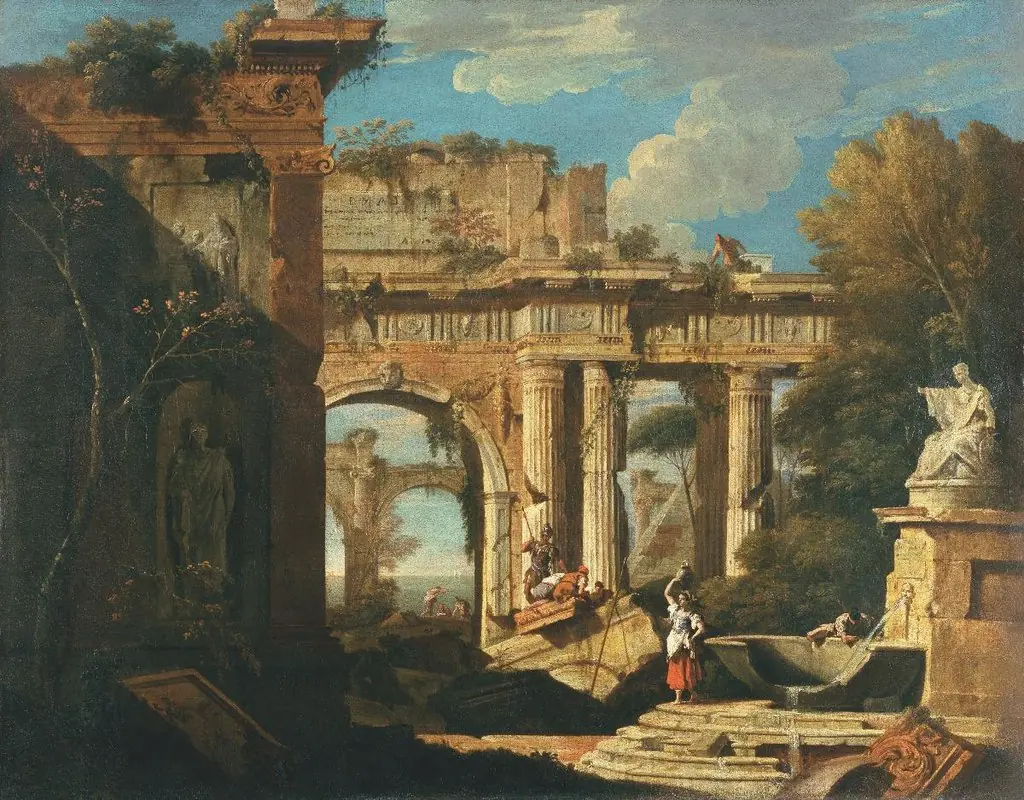 Capriccio con rovine romane
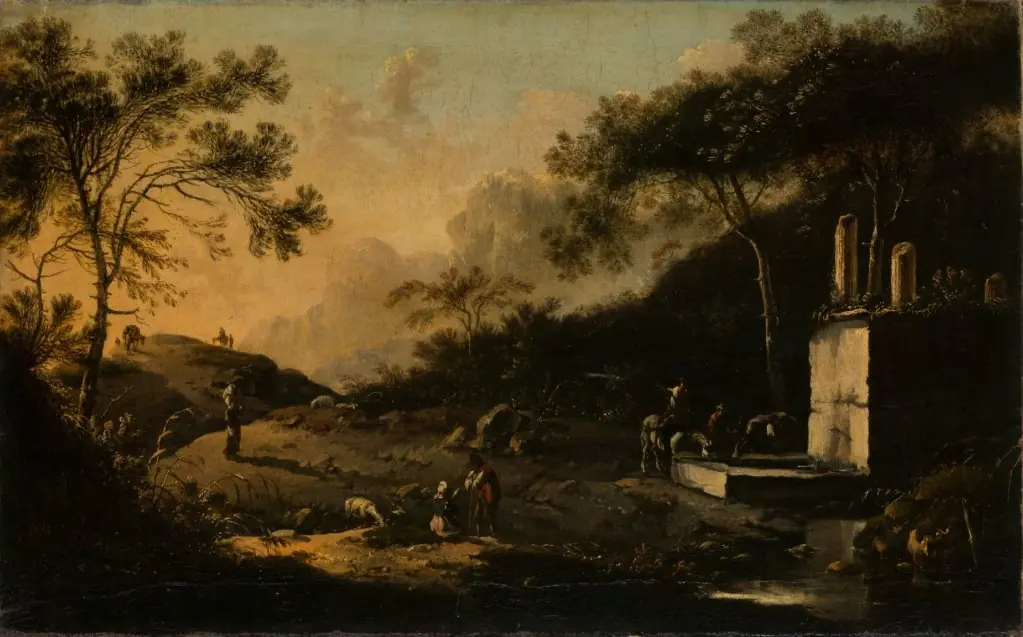 Italian Mountain Landscape with Travelers at a Well
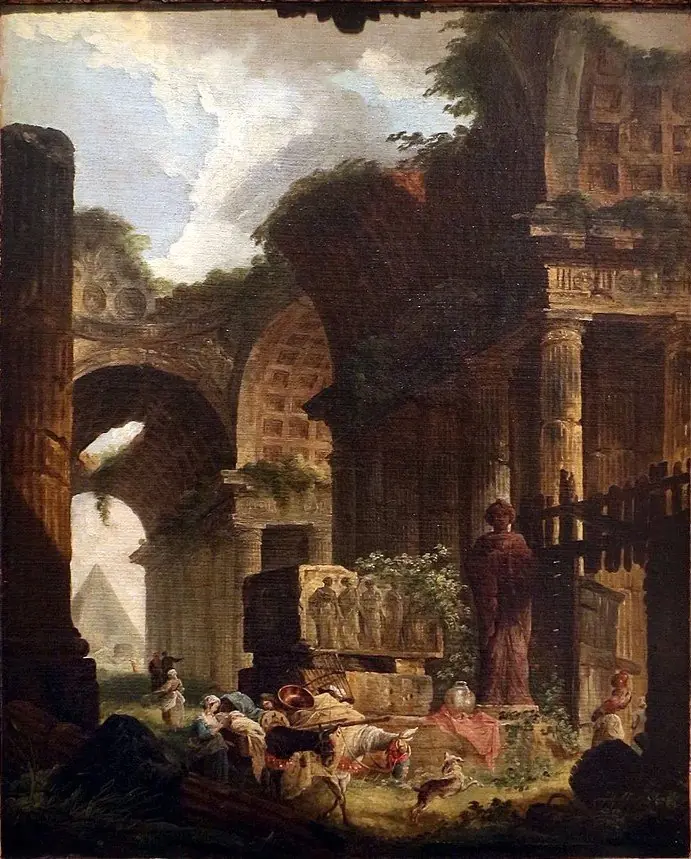 Templo em Ruínas
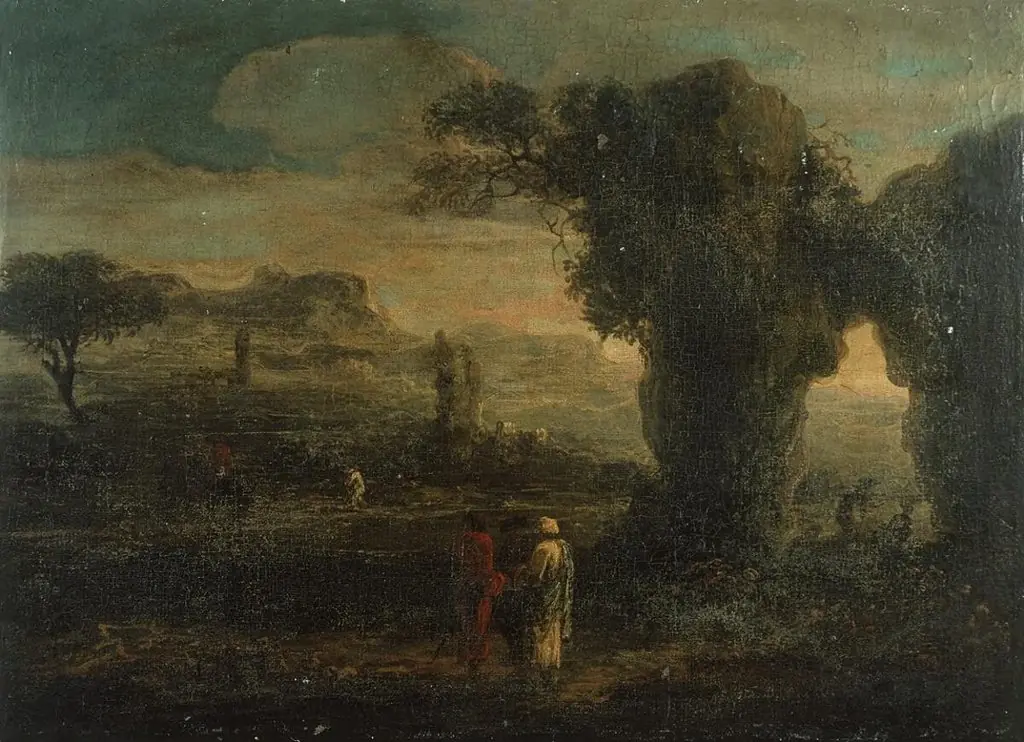 Rocky landscape with three travellers
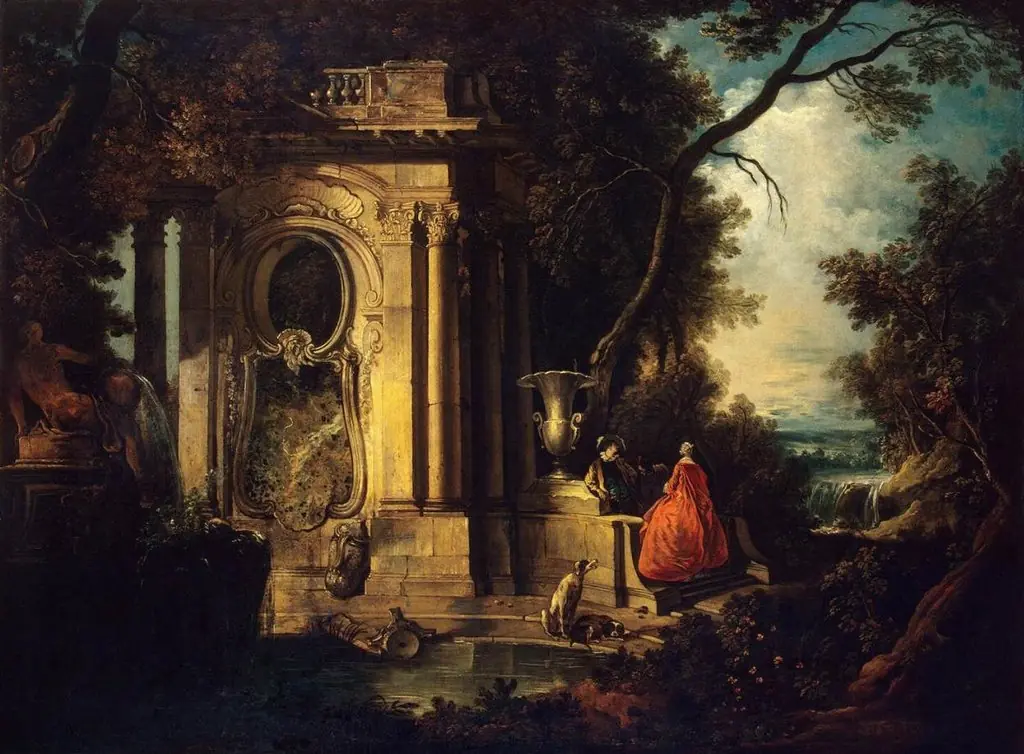 Scene in a Park
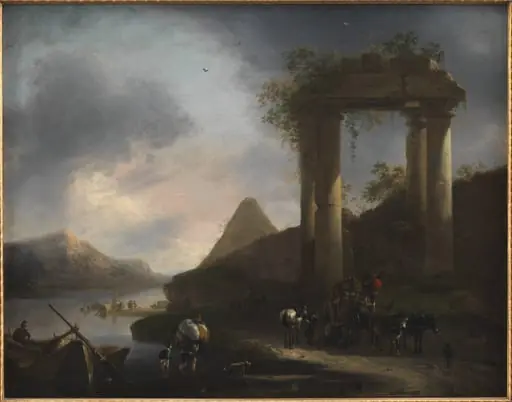 Italian Landscape with Classical Ruins
 Garden of an Italian Villa
 Peisaj cu ruine antice