Artwork
Portrait of Maria Januszkiewicz née Bułharyn (1824–1880)
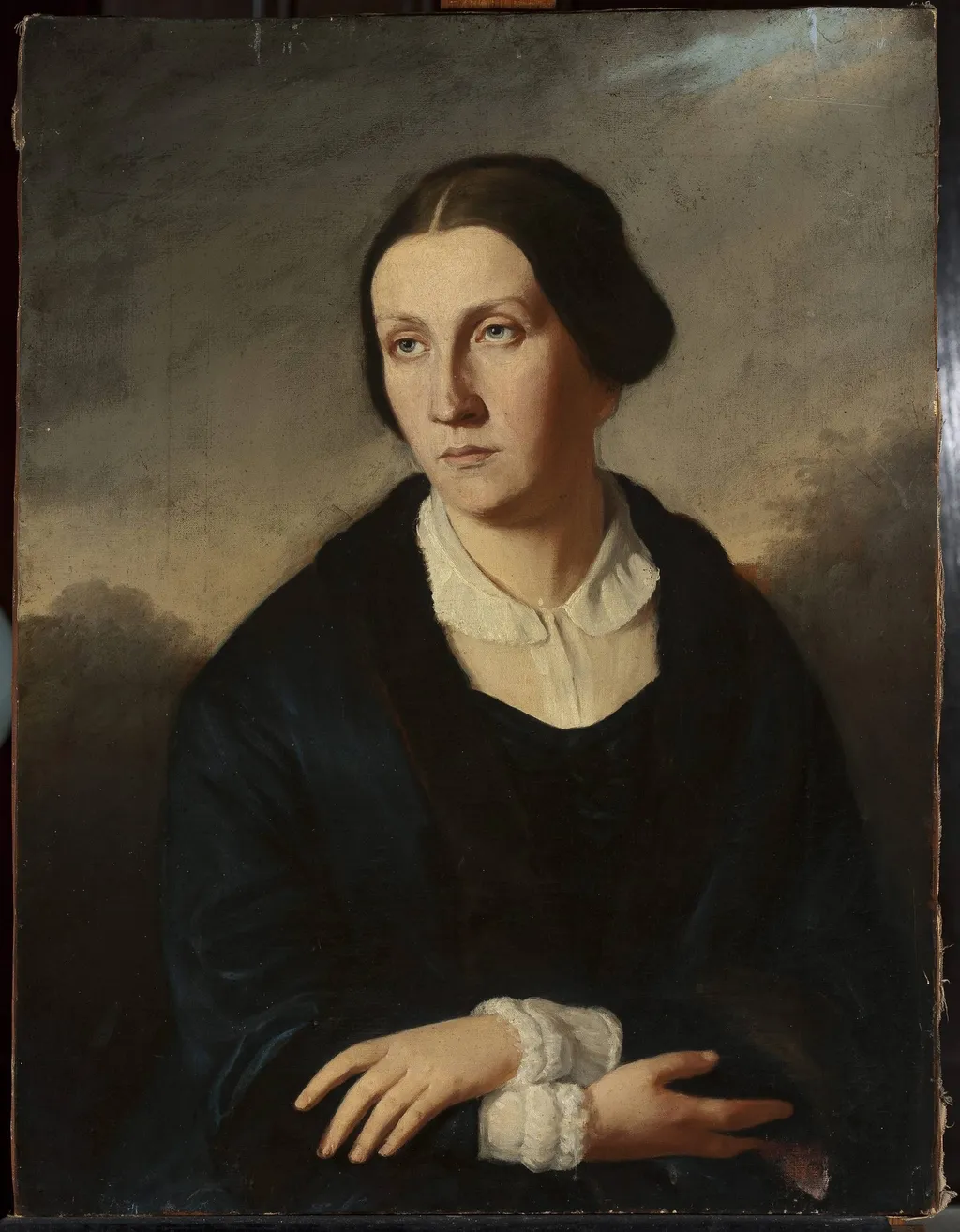
Portrait of Maria Januszkiewicz née Bułharyn (1824–1880) is an oil painting by the Realist artist Adam Szemesz. It dates from 1851 and is held in the collection of the National Museum in Warsaw.
About this work
This portrait is reminiscent of the works of artists who specialized in realistic depictions of individuals during the 19th century.
The painting depicts a woman with dark hair, dressed in a black dress with a white collar and cuffs. Her hands are folded in front of her, and she gazes directly at the viewer. The background is a muted gray-brown color.
The woman's attire and hairstyle suggest a formal portrait from the mid-19th century. Her expression is serene, with a hint of introspection.
This portrait is reminiscent of the works of artists who specialized in realistic depictions of individuals during the 19th century. For more information on the technique used in this painting, look up glazing.
Overview
Painted in 1851 by Adam Szemesz, this oil portrait depicts Maria Januszkiewicz, born Bułharyn, a woman of documented Polish nobility. The work resides in the National Museum in Warsaw and exemplifies mid-19th-century portraiture in the Polish lands. Its restrained palette and composed posture reflect the conventions of bourgeois and aristocratic representation during a period of national upheaval and cultural consolidation.
Subject & Meaning
Maria Januszkiewicz is portrayed with quiet dignity, her direct gaze inviting quiet engagement rather than grandeur. Her attire—a black dress with white lace collar and cuffs—signals modest formality, typical of widows or women of refined standing. Folded hands suggest composure and inner reflection, aligning with contemporary ideals of feminine virtue and emotional restraint. The portrait conveys identity through stillness, not status symbols.
Technique & Style
Szemesz employed subtle glazing techniques to achieve depth in the fabric and skin tones, layering thin translucent oils to soften transitions and enhance realism. The muted gray-brown background isolates the figure without distraction, emphasizing texture in the lace and the smoothness of her skin. Brushwork remains controlled, avoiding theatricality; the style prioritizes accuracy over embellishment, characteristic of academic portraiture of the era.
History & Provenance
The painting entered the National Museum in Warsaw’s collection in the late 19th or early 20th century, likely through private donation or state acquisition. Its provenance traces back to the Januszkiewicz family, who maintained ties to Warsaw’s cultural elite. No major alterations or restorations are documented, preserving the original surface and intent of Szemesz’s execution.
Context
Created during the Partitions of Poland, this portrait reflects a cultural effort to preserve personal and national identity through art. While Poland lacked political sovereignty, domestic portraiture flourished as a means of asserting dignity and continuity. Szemesz, though not widely known, worked within a network of regional artists who documented the emerging middle and noble classes with quiet precision.
Legacy
The portrait stands as a quiet testament to the lives of Polish women in the 19th century, offering insight into personal demeanor and social norms. Though Szemesz’s oeuvre remains limited in public recognition, this work contributes to the broader archive of non-royal portraiture in Polish art. It continues to be studied for its technical restraint and emotional nuance within a period often dominated by grander historical narratives.
Artist & collection

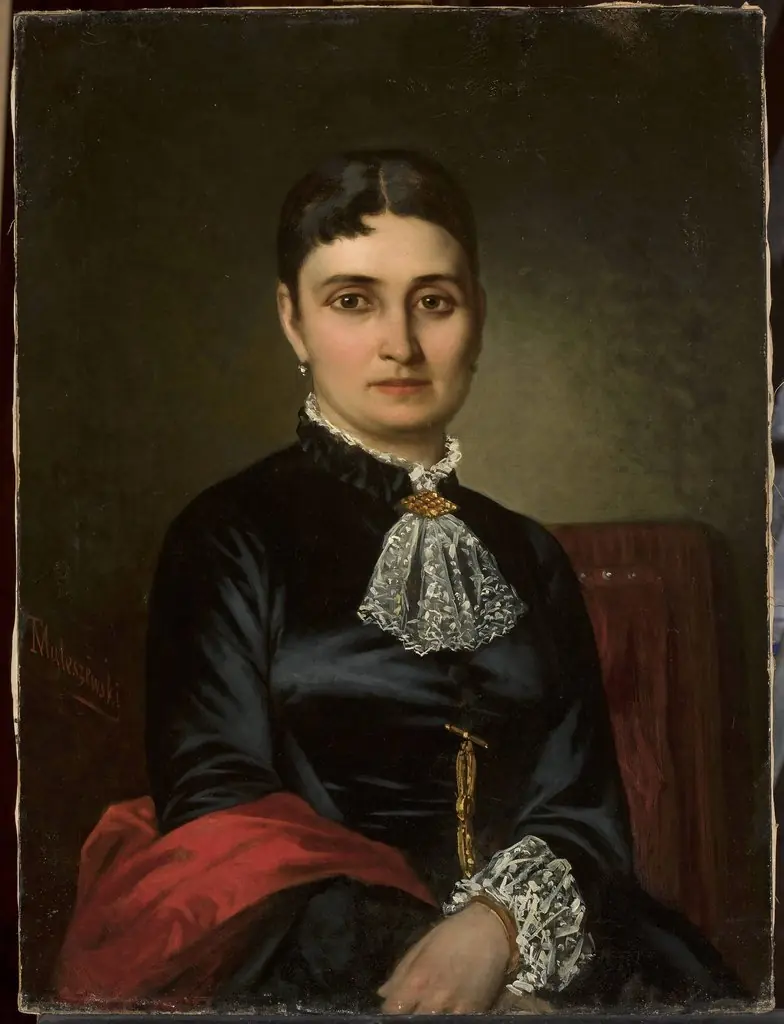 Portrait of Apolonia Anaszkowska
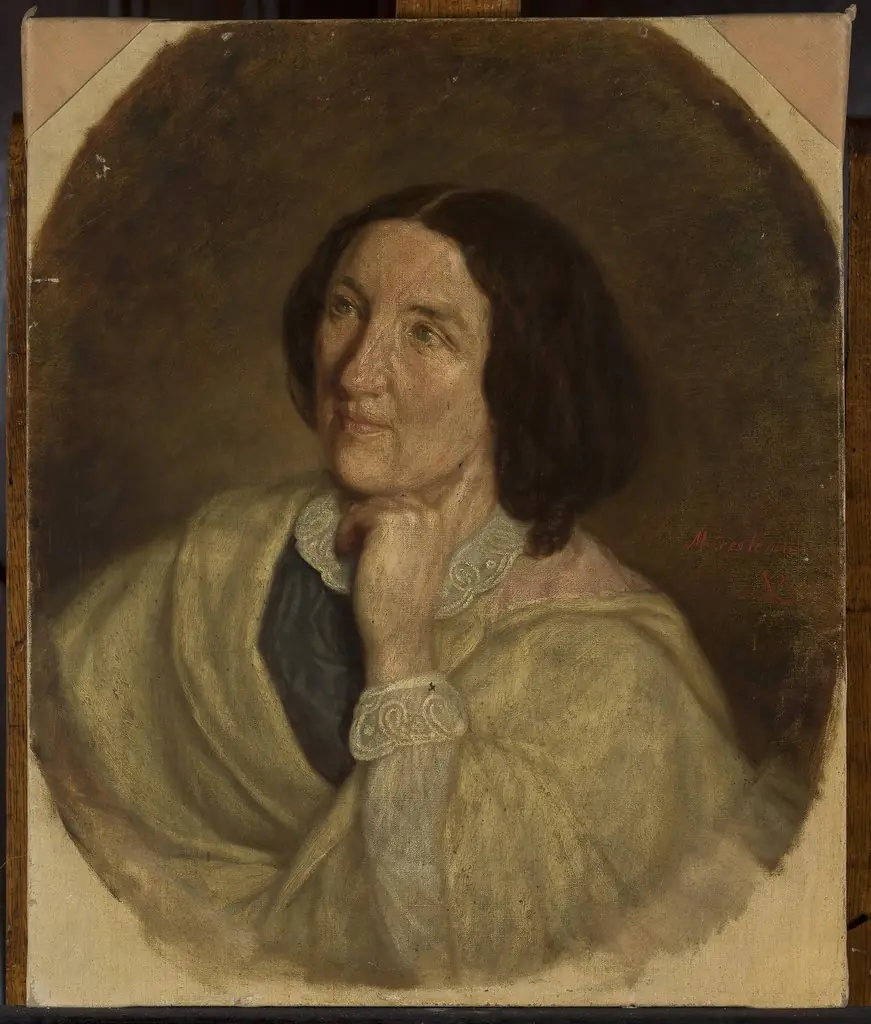 Portrait of Marcelina Czartoryska née Radziwiłł
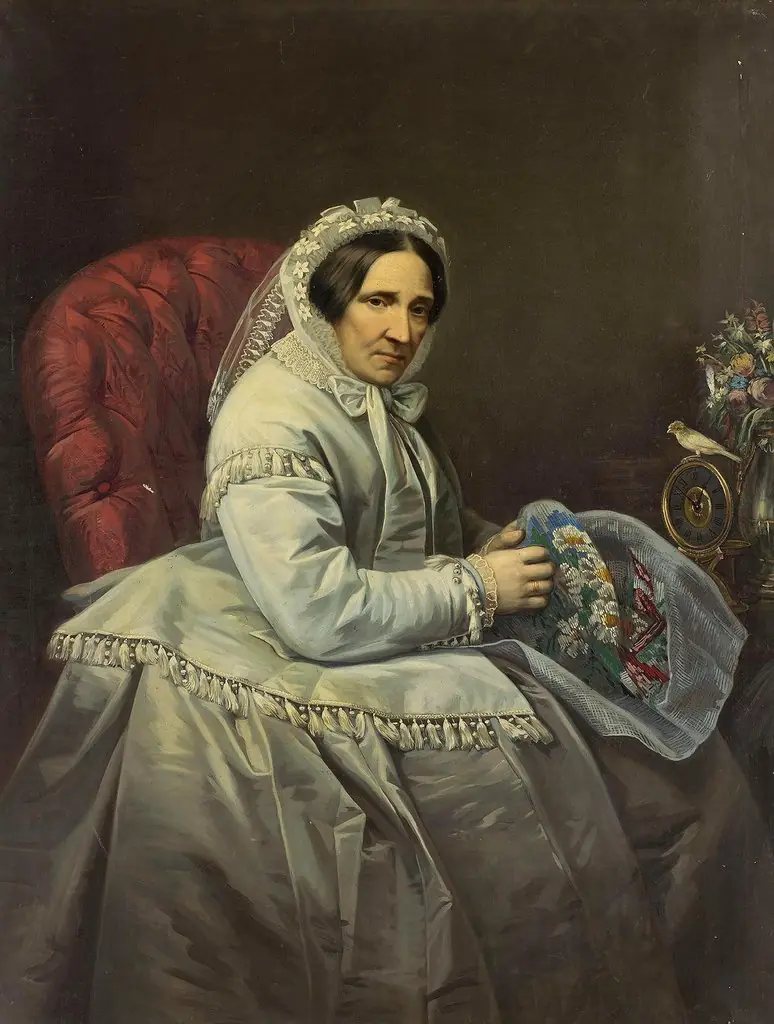 Portrait of Maria Adlerberg
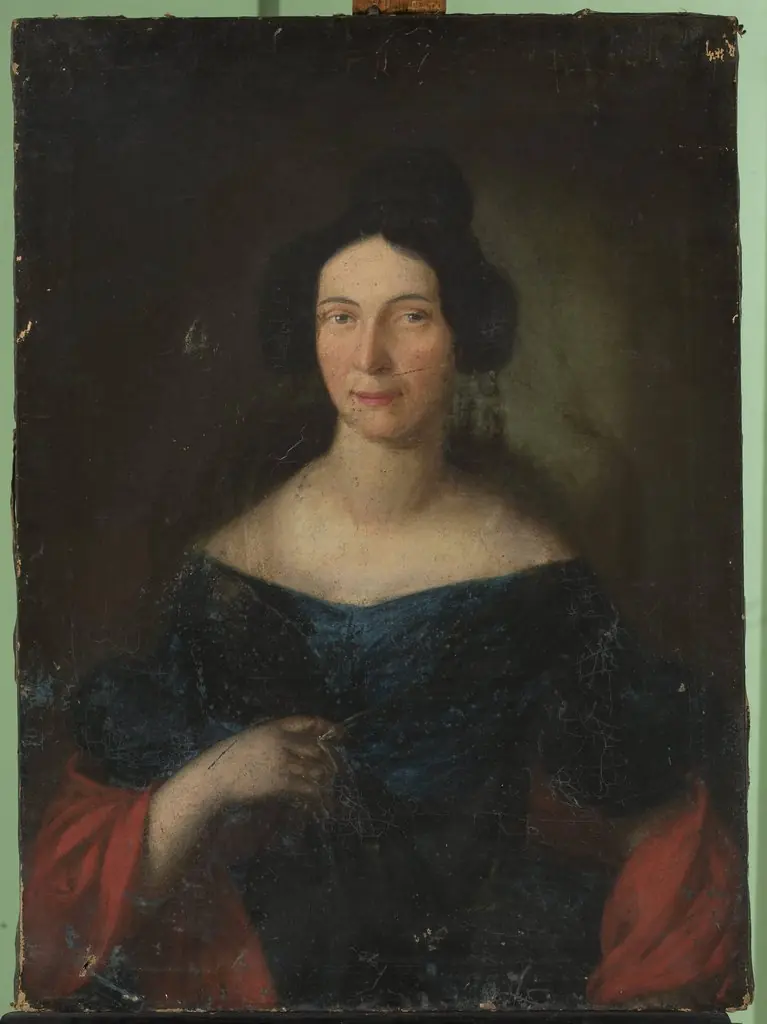 Portrait of a woman
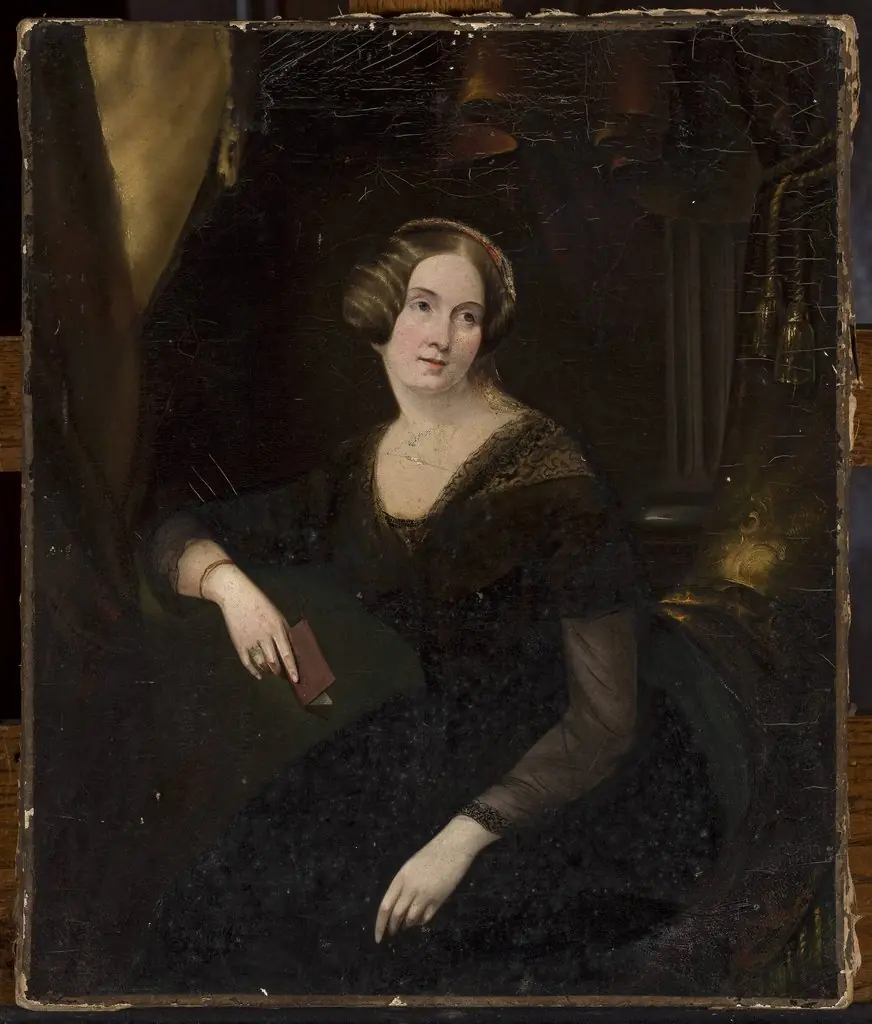 Portrait of a woman
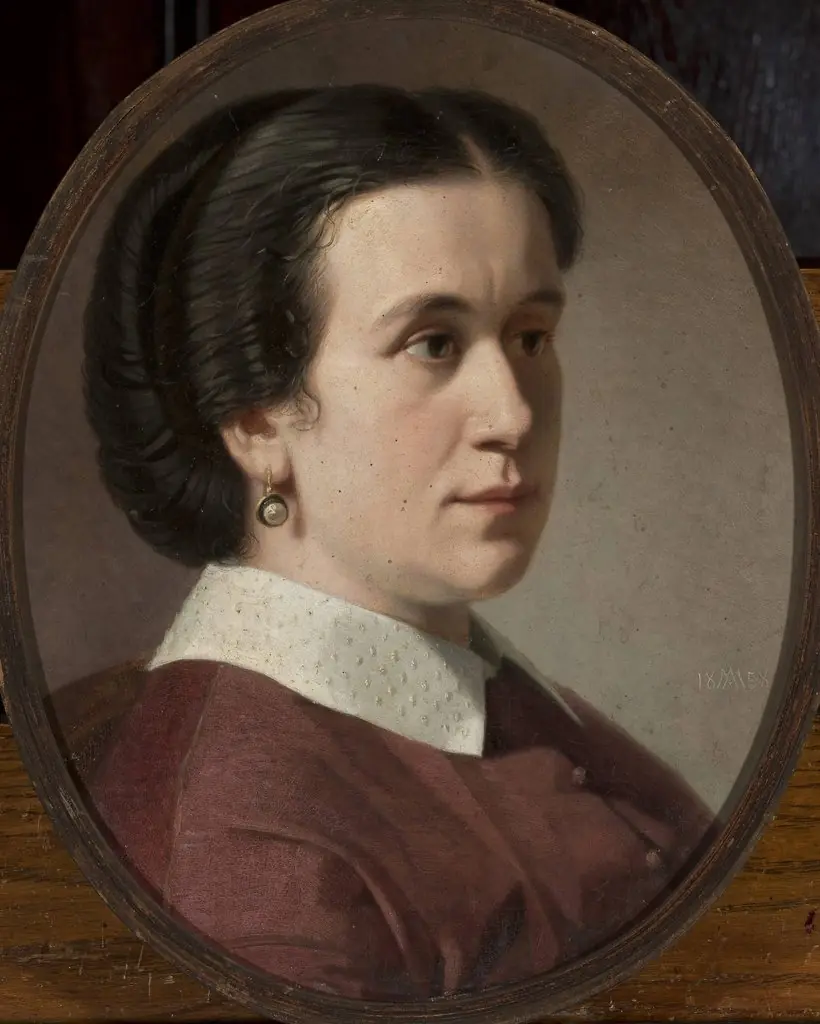 Portrait of a woman
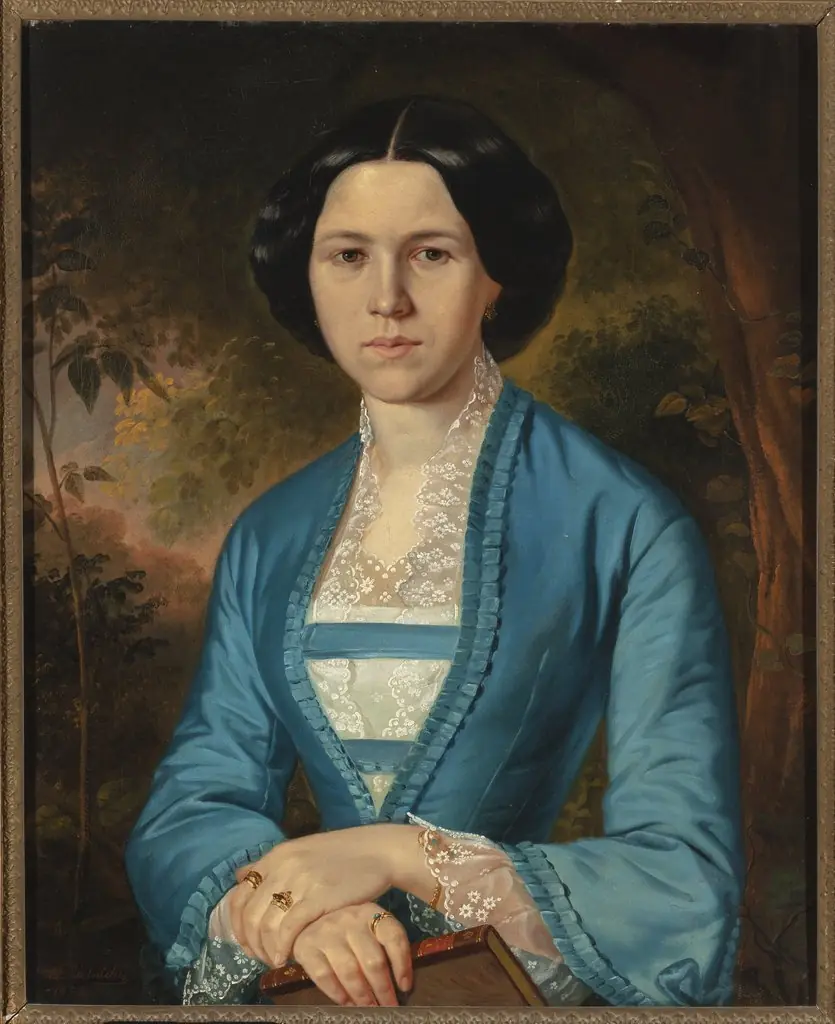 Portrait of a lady
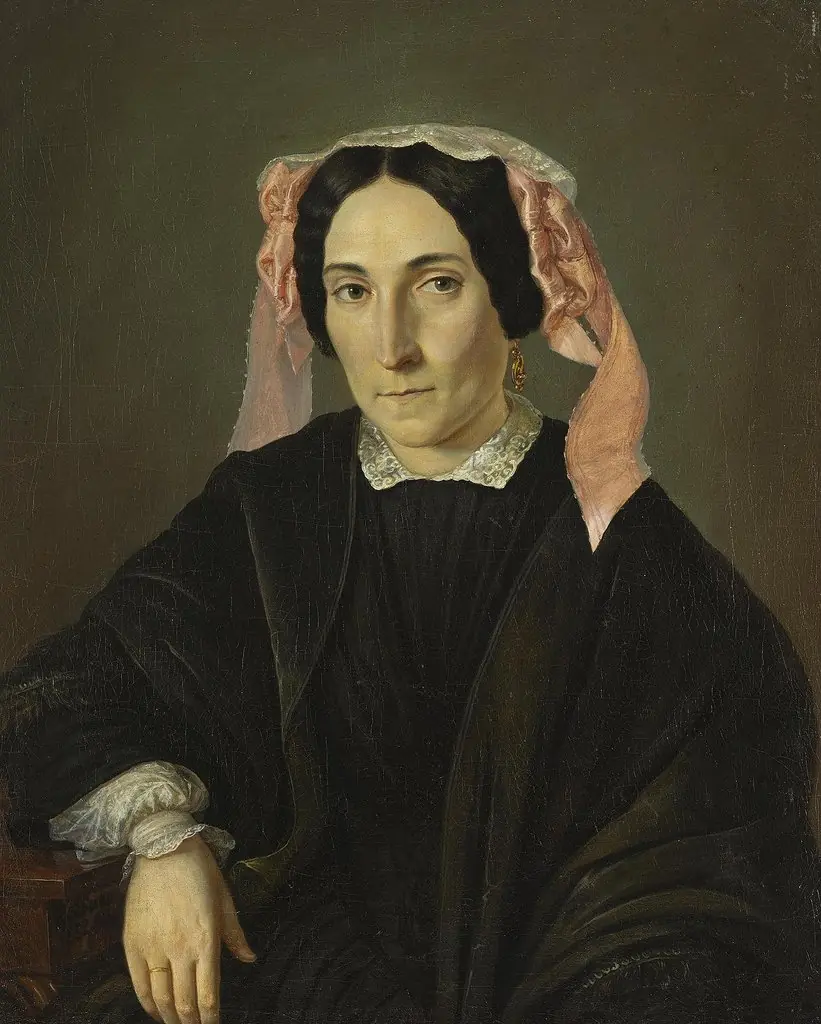 Portrait of an Unknown Woman
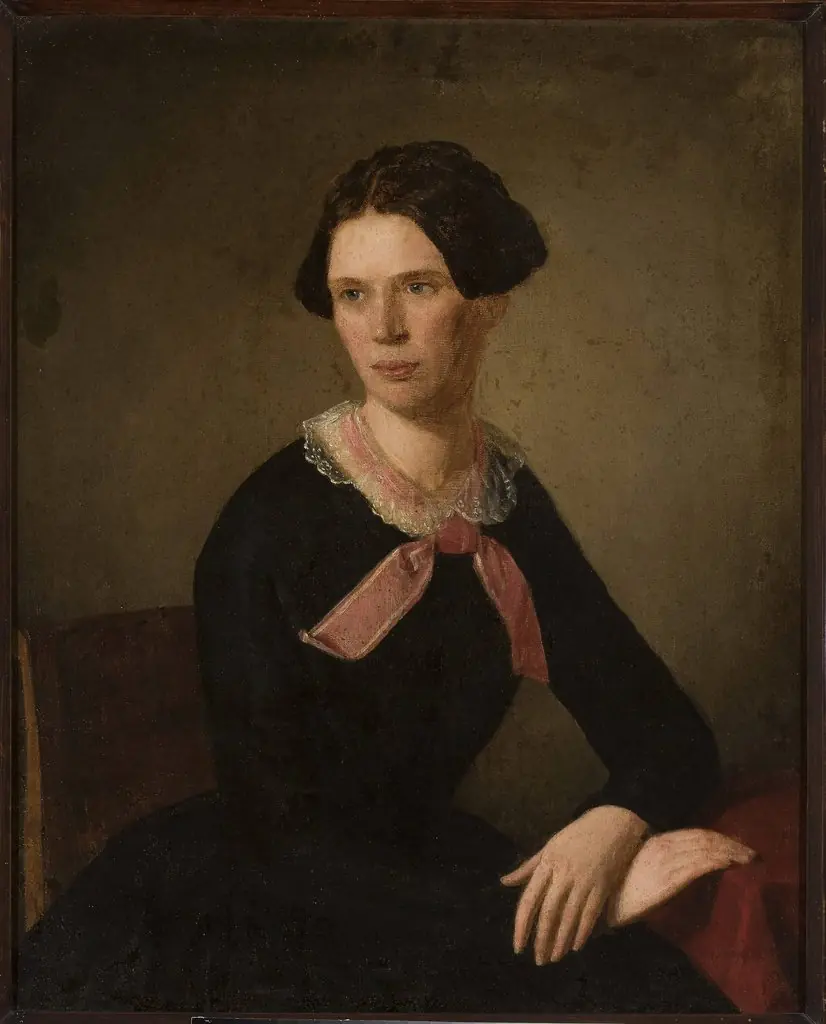 Portrait of Leokadia Krupska, sister of Bonifacy
 Portrait of the Artist´s Sister-in-Law Johanne Elisabeth Købke, née Sundbye
 Sarah (Thomas), Mrs Bowen of Llwyngwair
 Portrait of Antonina Bałutowska née Massalska